We Have Doubled Our Prominent High Street Offices in Fleet, Hampshire

McCarthy Holden Premises Fleet Hampshire

So here is a fact that will not only surprise many a house seller, but will also re-affirm why leading agents have continued to invest in their high street premises.

When homeowners decide to sell, it is crucial to gain some insight about house buyer behaviours and the likely source of finding the successful buyer.

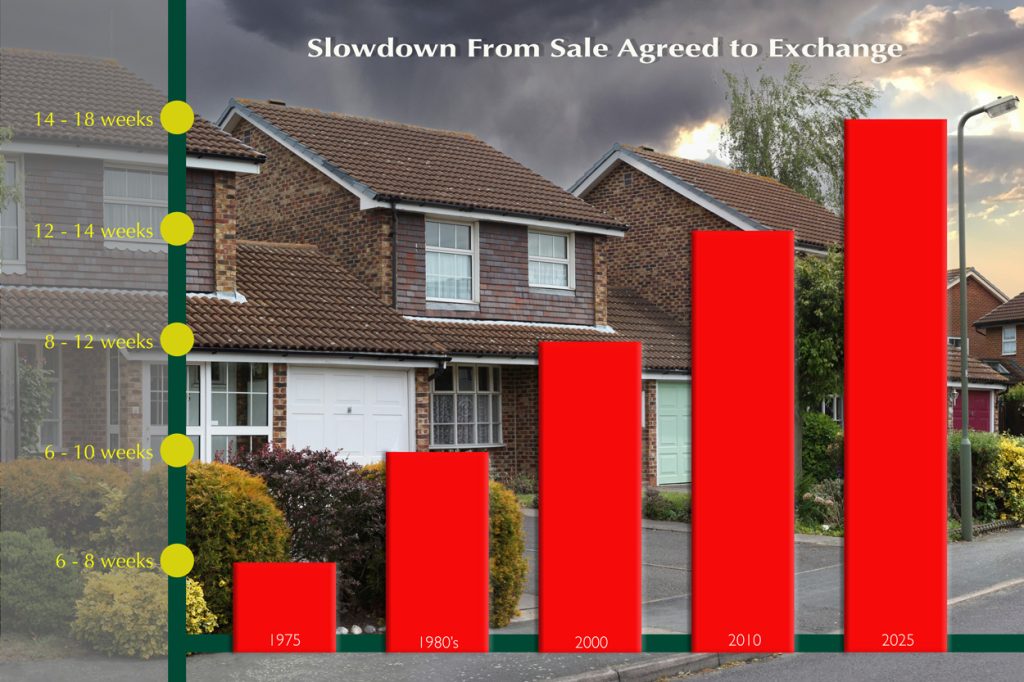
It’s been a while since we looked at this informative statistic, which is a pattern that was evident as far back as the 1980’s. This year we wanted to check on the current position, especially at this time when we have doubled our high street presence in Fleet Hampshire.

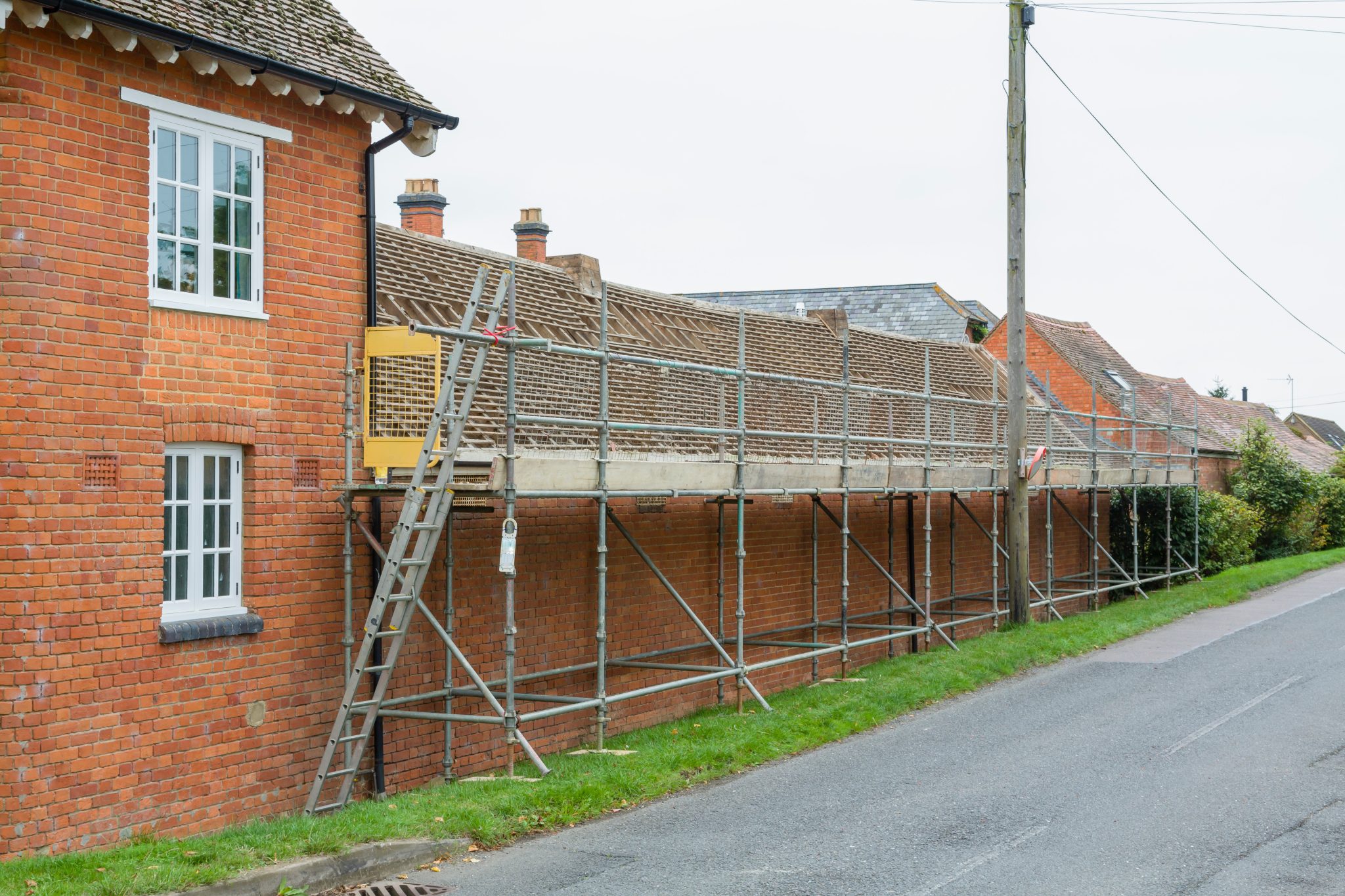
High Street Presence Doubles
We've invested in doubling our High Street premises in Fleet Hampshire
'Passers Buy'
79% of buyers who purchased in the last year lived within 6 miles of the property they purchased

House Buyers Insights Vendors Should Be Aware Of

Homeowners about to sell often obsess about London or overseas buyers, but the reality is that the buyers to focus on are the local ones because it is by far the most likely source of finding a buyer!

The following house buyer statistic is to do with how many buyers buy local and within a radius of the house they eventually purchase.

Consider the following which we have established from looking at house sale over the last year.

We looked at a busy town branch in Fleet Hampshire and discovered that 79% of buyers who purchased through McCarthy Holden already lived within 6 miles of the property they purchased.

We then looked at the same batch of transactions and extended the radius to 12 miles and 84% of buyers who purchased through McCarthy Holden already lived within 12 miles of the property they purchased.

To see if there are similar trends in a village location, we looked at transaction in our Hartley Wintney and Odiham branches and discovered similar outcomes.

By any standard this is a standout fact and reveals why the best leading agents will invest in a high street presence and local experienced personnel to deliver the services. Estate agency is fundamentally a local business, the success of which depends on local staff who know their customers and the best high street premises.

We have an experienced team of property professionals delivering house sales services

Having a high street premises presence is an expensive undertaking, but we know ‘passers buy’ and linked with that we know that the vast majority of house buyers live locally and are very likely to be registered with McCarthy Holden.

How the Property Industry Has Managed the New Renters’ Rights Act

The introduction of the UK’s Renters’ Rights Act marks one of the most significant reforms to the private rented sector in decades. Designed to strengthen tenant protections and rebalance landlord-tenant relationships, the legislation has forced the property industry to adapt rapidly to a completely new operating environment.

From letting agents and landlords to build-to-rent developers and legal advisers, the industry has had to rethink tenancy structures, compliance processes, and long-term investment strategies. While many organisations initially voiced concern over the scale of the reforms, the sector has gradually shifted from resistance to adaptation.

A New Era for the Rental Market

The legislation introduced sweeping reforms across England’s private rental sector, including:

  • The abolition of Section 21 “no-fault” evictions
  • The end of fixed-term assured shorthold tenancies
  • The move to periodic tenancies
  • Restrictions on rent increases
  • A ban on rental bidding wars
  • Greater protections for tenants with children or benefits
  • Stronger rights for tenants to keep pets

Since 1 May 2026, landlords can no longer remove tenants without a legally valid reason, fundamentally changing how possession cases are handled.

For an industry historically built around fixed-term contracts and landlord flexibility, these reforms represented a major operational and cultural shift.

Letting Agents Have Become Compliance Specialists

One of the clearest industry responses has been the transformation of letting agents into compliance-led service providers.

Agencies have spent the last year updating tenancy agreements, retraining staff, and introducing new systems to handle the legal requirements of periodic tenancies and revised possession grounds. Many firms invested heavily in legal guidance software, digital document management, and tenant communication platforms.

The end of fixed-term agreements meant agencies could no longer rely on routine renewals as a business model. Instead, they have focused on:

  • Tenant retention strategies
  • Faster maintenance response times
  • Improved communication
  • More rigorous referencing procedures
  • Stronger rent arrears management

Many agents also expanded landlord education programmes to explain how the new Section 8 possession grounds work and when they can legally be used.

Rather than acting purely as intermediaries, letting agents are increasingly positioning themselves as risk-management advisers.

Landlords Have Divided Into Two Camps

The landlord community’s response has been mixed.

Professional portfolio landlords and institutional investors have generally adapted more smoothly. Larger operators already had formal management systems, legal teams, and longer-term investment models in place. For them, the reforms accelerated trends that were already emerging in the sector.

Smaller private landlords, however, have expressed greater concern. Many fear the loss of Section 21 will make it harder to deal with difficult tenants, especially in cases involving antisocial behaviour or persistent arrears.

As a result, some landlords chose to exit the market altogether before the reforms took effect. Industry commentators noted a rise in property sales and a rush of Section 21 notices prior to implementation.

This has created a growing divide between:

  • Professional, compliance-focused landlords remaining in the market
  • Smaller accidental landlords leaving due to regulatory pressure

Many analysts believe the reforms will accelerate the professionalisation of the rental sector over the next decade.

Build-to-Rent Operators Have Benefited

Interestingly, the build-to-rent sector has largely welcomed the legislation.

Institutional landlords already operate on long-term tenancy models with professional management structures. Features such as rolling tenancies, tenant retention, and customer-service-focused operations were already common in purpose-built rental developments.

As smaller landlords leave the market, larger institutional operators may gain market share. Some investors see the reforms as creating a more stable and mature rental market similar to systems already established in parts of Europe.

This could lead to:

  • Greater consolidation within the rental market
  • Increased investment in professionally managed developments
  • Higher operating standards across the sector

Technology Has Played a Major Role

The industry has also responded through technology adoption.

Property management platforms have introduced features specifically designed around the new legislation, including:

  • Automated compliance reminders
  • Digital tenancy records
  • Rent review tracking
  • Notice management systems
  • Tenant communication portals

With penalties for non-compliance increasing significantly, landlords and agents are relying more heavily on proptech solutions to reduce legal risk.

The reforms have effectively accelerated the digital transformation of the property industry.

Challenges Still Remain

Despite these adaptations, the transition has not been entirely smooth.

Many landlords remain concerned about court delays and the efficiency of the possession process. Since landlords must now rely solely on Section 8 grounds, the speed and reliability of the court system have become critical.

Industry bodies continue to argue that without faster housing courts and stronger enforcement mechanisms, legitimate possession claims may become increasingly difficult and expensive.

There are also fears that rising compliance costs could contribute to higher rents and reduced housing supply in some areas. Tenant groups, meanwhile, argue that enforcement must remain strong to ensure the reforms deliver meaningful protections in practice.

A Shift Toward Professionalism

Ultimately, the property industry has responded to the Renters’ Rights Act not by standing still, but by restructuring itself around a new reality.

The reforms have accelerated trends that were already underway:

  • Greater regulation
  • More professional management
  • Increased reliance on technology
  • Institutional investment growth
  • Stronger tenant expectations

While some landlords have chosen to leave the market, others have adapted by improving standards, strengthening compliance, and embracing longer-term tenant relationships.

The long-term success of the legislation will depend on whether the industry, government, and courts can work together to create a rental market that is both fair to tenants and commercially sustainable for landlords.

What is clear, however, is that the Renters’ Rights Act has permanently changed the way the UK property industry operates.

To speak to one of the McCarthy Holden Property Management and Lettings team, call them on 01252 622550

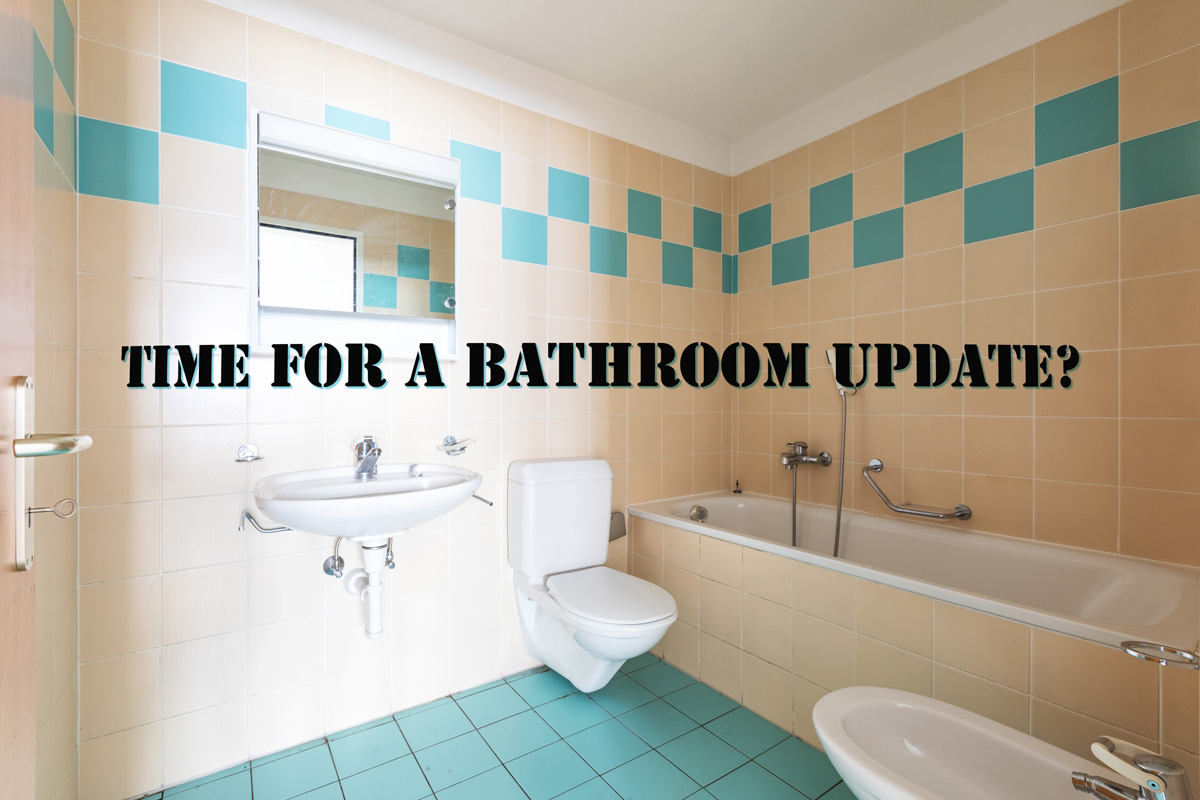
Refurbishing a tired 1970’S or 1980s bathroom

Refurbishing a tired 1970’s or 1980s bathroom is a great opportunity to add modern comfort and real value to your home. Before choosing fixtures or finishes, think about three priorities: durability, waterproofing/ventilation, and how the change will affect the property’s resale appeal.

Below is a practical, design-conscious guide to choosing between a shower and a wet room, current style directions, and smart choices for flooring and colour.

Shower versus wet room – the right investment

• Shower enclosure (walk-in or framed): Best balance of cost, flexibility and resale appeal. A high-quality walk-in or quadrant enclosure modernises the space, conserves floor area, and is relatively straightforward to install. Easy to retrofit into existing layouts with standard drainage and minimal structural alterations.

• Wet room: A bold, premium choice that delivers a sleek, accessible, spa-like result. Best when you can rework drainage and floor build-up (fall to drain) and are prepared to invest in professional tanking and ventilation. Wet rooms increase perceived space and are excellent for accessibility (no thresholds), but they cost more and require meticulous waterproofing to avoid damp issues, especially important in older 1980s constructions where floor joists and Party Wall interfaces might need inspection.

• Investment view: If resale and budget are priorities, a high-quality shower enclosure with a modern tray or a flush-fit walk-in offers the best ROI. If you want a long-term, high-end upgrade and are prepared to fund proper waterproofing and ventilation, a wet room is a standout selling point, but only if installed correctly.

Practical considerations before you start

• Check structural and services: Older 1980s houses may have timber floors, narrow joists or concealed pipe runs. Verify whether floor strengthening, new drainage runs or relocation of waste pipes are needed.

• Waterproofing & ventilation: Use a certified tanking system or liquid waterproof membrane for wet rooms; mosaic or large-format tiles must be laid over a properly prepared substrate. Install mechanical extract ventilation rated to current Building Regulations (Part F) and ensure all electrical work complies with Part P.

• Heating: Underfloor heating is highly compatible with tiled floors and is a strong selling point; it improves comfort and reduces condensation.

• Accessibility & longevity: Consider future-proofing (level access, grab rails, wider doorways) which can broaden appeal for downsizers or older buyers.

Contemporary styles that suit 1970’s / 1980s homes

• Minimal/Scandi: Clean lines, neutral palettes, matte white sanitaryware, slim black or chrome hardware, timber accents. Works well to modernise boxy 1980s layouts.

• Spa-inspired: Natural stone or stone-effect tiles, freestanding baths (if space allows), warm lighting, plants and tactile surfaces for a calm retreat.

• Industrial chic: Dark grout, concrete-effect tiles, exposed metallic finishes and bold fixtures—good for adding character to a plain room.

• Japandi/Organic modern: Soft curves, muted colours, natural timber vanities and simple fittings—balances warmth and minimalism.

• Transitional: A mix of classic and contemporary can help preserve period character while updating functionality; useful if you want broad market appeal.

Flooring choices

• Porcelain tiles: Best all-round option – durable, waterproof, frost and stain-resistant. Large-format tiles reduce grout lines and make small bathrooms feel bigger.

• Natural stone: Luxurious but needs sealing and careful installation; pairs well with underfloor heating.

• Luxury vinyl tile (LVT): Cost-effective, warm underfoot, waterproof and easier to fit on timber floors. Look for quality products designed for bathrooms.

• Mosaic tiles: Ideal for wet room drainage areas and for adding texture, but higher maintenance due to grout.

• Underfloor heating: Pairs well with tile or stone and reduces reliance on towel rails; electric systems suit retrofits, water-based systems are best with major floor work.

Colour schemes and décor

• Neutral base: Soft greys, warm off-whites and greige provide longevity and resale-friendly appeal. Layer in texture (matte tiles, timber vanities).

• High-contrast: Black fixtures or dark feature tiles against white baths and basins create contemporary drama.

• Muted colour: Sage green, dusty blue or terracotta accents add personality without dating the room.

• Metallics & fittings: Brushed brass or matte black taps and shower frames are current and add warmth or bold contrast.

• Lighting: Good task lighting (mirror lights) plus warm ambient sources; consider dimmable downlights and LED mirror units.

Final notes

Get a site survey and quotes from accredited installers (check references and examples of completed wet rooms). Prioritise correct waterproofing, ventilation and heating, because these determine whether your new bathroom will be beautiful and problem-free for years. 

With the right approach, you can convert a tired 1980s bathroom into a modern, marketable, and comfortable space that fits both lifestyle and budget.

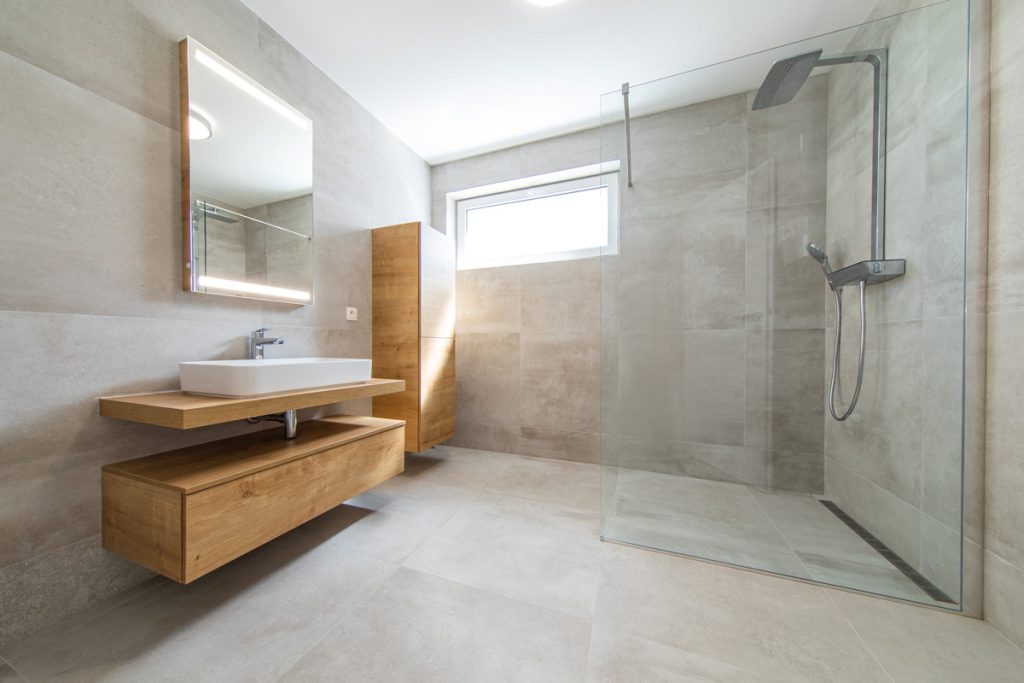
Wet room: A bold, premium choice that delivers a sleek, accessible, spa-like result

INTERIORS: A Haven of Peace – Colouring an English Home for Calm

In a world that hums too loudly, the most radical luxury is a quiet home. 

In England, where the light can be soft and cool, calm design is less about stark minimalism and more about gentleness: hues with softened edges, natural textures, and patterns that breathe. The goal is not to impress but to exhale – rooms that slow the pulse, not steal the show.

Begin with the light. 

Northern light leans blue, so colours can read cooler than on the tester card. Choose paints with warm undertones – grey-greens with a drop of yellow, stone neutrals touched by pink or mushroom, and blues muddied with grey. 

Aim for low-contrast transitions between walls, woodwork, and ceilings; the eye rests when it isn’t jolted from shade to shade. Flat or matte finishes feel softer than high-sheen; soft sheen in kitchens and bathrooms adds practicality without glare.

The kitchen: 

Grounded freshness Kitchens work best as serene workshops – ordered, tactile, and quietly cheerful. Sage and olive greens anchor the room to nature; they pair beautifully with pale, warm neutrals on walls and ceilings.

 Think: mid-sage cabinetry, linen-white walls, and warm oak or honeyed beech accents. If you love blue, choose a greyed, smoky blue for islands or lower units, balanced with creamy off-whites rather than bright whites.

For wallpaper, use it sparingly: a small breakfast nook clad in a delicate botanical or block-printed sprig pattern can soften the hum of appliances. 

Tile with soft, handmade character – chalky zellige in warm white, celadon, or pale eucalyptus – adds depth without noise. Brass or aged bronze hardware warms the palette; keep worktops quiet (oatmeal quartz, honed marble, or wood with a matte oil). Under-cabinet lighting and warm bulbs (around 2700K) keep the space cosy through grey afternoons.

The main bedroom –  cocooning serenity: 

Bedrooms should feel like dusk. Choose enveloping colours – moss, muted teal, warm taupe, or a tender plaster pink – that wrap the room, skirting to ceiling. A mid-tone on walls with a shade deeper on woodwork lends softness and quiet structure. Alternatively, go tone-on-tone: a gentle greige across walls and ceiling, curtains in a slightly darker sibling, bed linen in chalky white and mushroom.

Wallpaper is at its best here. Look for small-scale, hand-drawn florals, willow fronds, or simple stripes in faded tones – patterns that suggest nature without shouting it. If you want to be brave go for a large scale nature inspired wallpaper.

If you prefer plain walls, panel the headboard wall and paint it a few shades deeper than the others for a restful focal point.

Layer textures that whisper: linen, brushed cotton, wool throws, a tufted rug underfoot. Keep metallics subdued – antique brass over chrome and limit contrast.

Night lighting should be low, warm, and directional; a pendant on a dimmer plus bedside lamps with fabric shades will do more for peace than any colour alone.

The bathroom: 

Bathrooms thrive on clarity and softness. Start with a warm white or pale stone on walls, then introduce colour through tiles or a half-height panel in sea-glass green, soft aqua, or clay. 

Avoid icy whites; look for creamy bases and honed finishes to diffuse light. A single gentle hue, pistachio, pale sage, or a whisper-blue across walls and bath panel feels cohesive and fresh.

For pattern, think water and meadow: fine reed stripes, lily pads, or a minimal Japanese wave motif. A small wallpapered cloakroom can carry bolder pattern, but in the main bathroom keep it airy. 

Natural materials – oiled oak shelves, wicker baskets, pebble or terrazzo-style floors add warmth and touch. 

Pulling it together

• Keep a connected palette: three families repeated throughout – grey-green, warm neutral, and softened blue or blush.

• Blur edges: paint ceilings a half-tone of the walls; echo cabinet colours in textiles.

• Prioritise matte, tactile finishes and warm lighting.

• Let pattern be small-scale, nature-led, and slightly faded.

Peace is cumulative: it’s the sum of kind colours, hushed textures, and gentle light. In an English home, where the sky often lends its own soft filter, these choices don’t just decorate; they restore.

How About A BBQ With A Caribbean Twist, Weather Permitting?

Spring in England begs for the sizzle of a garden barbeque, yet the sky loves a plot twist.

This Spring or Summer, why not embrace a Caribbean twist: bright flavours, smoky spice, and easy conviviality, with a plan that holds whether the forecast says blazing sun or surprise shower. Here are some tips and thoughts to consider.

Plan for sunshine – with a rain back-up

Gear: A lidded kettle or gas BBQ doubles as an oven if drizzle hits. Keep a grill-safe cast-iron pan and a baking tray ready to move items indoors. A pop-up gazebo (with sides) and a stack of umbrellas save the day.

Prep smart: Marinate the night before; par-cook dense items (wings, corn) in the oven to finish on the grill fast. Keep a warm oven at 100°C for holding.

Flow: Set a self-serve drinks station and a “finish-on-the-grill” menu so the cook isn’t drenched. Calypso or reggae playlist, battery speaker, fairy lights – done.

The Caribbean twist: smoke, citrus, heat, and sweetness Think jerk spice, green seasoning, Scotch bonnet heat (used judiciously), tropical fruit acids, and a little rum and brown sugar on the glaze.

Headline mains

Jerk chicken thighs: Bone-in, skin-on for juiciness.

Green-seasoned lamb chops:  Fragrant, herby, grill-kissed.

Prawns with Scotch bonnet–lime butter: Fast, dramatic.

Grilled halloumi with pineapple salsa: Veg-forward, big flavour.

Quick recipes (serve 4–6)

1. Classic jerk chicken

Marinade: 6 spring onions, 3 garlic cloves, 1 thumb ginger, 1–2 Scotch bonnets (seeded for less heat), 2 tsp allspice, 1 tsp thyme, 1 tsp ground cinnamon, 2 tbsp brown sugar, 2 tbsp soy, 2 tbsp lime juice, 2 tbsp oil, 1 tsp salt. Blitz.

Method: Toss 1.2–1.5 kg chicken thighs in marinade; chill overnight. Grill over medium heat with lid, 25–30 min, turning, until 75°C internal and lightly charred. Finish with a squeeze of lime.

1. Green-seasoned lamb chops

Paste: Blend 1 bunch coriander, 1 small bunch parsley, 4 spring onions, 2 garlic cloves, 1 tbsp thyme, 1 tsp allspice, zest/juice of 1 lime, 2 tbsp oil, 1 tsp salt.

Method: Coat 8 lamb chops; marinate 2–6 hours. Grill 2–3 min per side to medium; rest 5 min. Optional glaze: brush with 1 tbsp warmed honey plus 1 tsp rum last 30 seconds.

Prawns with Scotch bonnet–lime butter

Scotch bonnet–lime butter is a vibrant, spicy, and tangy compound butter made by blending softened butter with minced Scotch bonnet peppers, fresh lime juice (or zest), and often garlic or herbs. It is a popular Caribbean-inspired condiment used to add fiery flavour to grilled seafood, chicken, steaks, rice dishes, and roasted vegetables.

Butter: Mash 75 g softened butter with 1 tsp finely minced Scotch bonnet, zest of 1 lime, pinch salt.

Method: Skewer 500 g large prawns; oil and salt. Grill hot, 1–2 min per side. Toss in the butter and a splash of rum; finish with coriander.

Halloumi with pineapple-mango salsa

Salsa: 1 cup diced ripe pineapple, 1 small mango diced, 2 tbsp red onion, 1 tbsp lime juice, pinch salt, chopped coriander.

Method: Slice 2 blocks halloumi; brush with oil. Grill until golden, 2–3 min per side. Top with salsa, drizzle of chilli oil if desired.

Sides that sing

Rice and peas: Cook basmati with coconut milk, thyme, spring onion, allspice, and tinned kidney beans. Finish with butter and black pepper.

Corn with coconut-lime butter: Mix 50 g butter with 2 tbsp coconut cream, lime zest, pinch chilli; brush onto grilled corn.

Festival (sweet fried dumplings): 1 cup flour, 1/3 cup fine cornmeal, 2 tbsp sugar, 1 tsp baking powder, pinch salt, splash vanilla; add water to a soft dough. Shape logs; fry golden. Great with jerk.

Caribbean slaw: Finely shredded cabbage, carrot, spring onion, a little mango; dress with lime juice, mayo, and a touch of allspice.

Make-ahead crowd-pleasers

Rum-glazed plantains (Unlike sweet dessert bananas, they are larger, have thicker skins, and must be cooked before consumption): Toss ripe plantain slices with brown sugar, cinnamon, and oil; grill, then splash with a teaspoon of dark rum to caramelise.

Pepper shrimp tray: Roast shell-on prawns with garlic, paprika, Scotch bonnet oil (a fiery, aromatic condiment made by infusing neutral oil, like rapeseed or avocado with Scotch bonnet peppers, often combined with aromatics like garlic, ginger, and shallots), and butter at 220°C for 8–10 min if rain hits.

Drinks to match

Classic rum punch (1-2-3-4 rule): 1 part lime, 2 parts simple syrup, 3 parts dark rum, 4 parts water, dash Angostura; grate nutmeg.

Ting with a Sting: Over ice, 50 ml white rum topped with Ting grapefruit soda and a lime wedge.

Sorrel spritz: Hibiscus (sorrel) concentrate topped with prosecco or soda, ginger slice.

No-alcohol: Coconut water with lime and mint; pineapple-ginger cooler.

Final touch Set sauces on the side—extra jerk, mango chutney, hot pepper sauce—for custom heat. If the heavens open, move trays indoors, keep the grill master under the gazebo, and let the Caribbean warmth carry the day.

Now, if you want to check out some amazing properties with gardens to entertain in then take a look at these suggestions (guide prices correct at time of creating editorial).

Guide £800,000 – https://www.mccarthyholden.co.uk/property/high-street-odiham-rg29-5/

Guide £595,000 – https://www.mccarthyholden.co.uk/property/hitches-lane-fleet-gu51/

Guide £1,000,000 – https://www.mccarthyholden.co.uk/property/hitches-lane-fleet-gu51/

Guide £1,050,000 – https://www.mccarthyholden.co.uk/property/crown-lane-old-basing-rg24/

Market Update & Latest Property Magazine

Against a backdrop of international turmoil, the UK’s residential sales market, especially in the South East, continues to display striking resilience. 

Even as headlines are dominated by the Iran/US war and its longer-term economic reverberations, transaction pipelines remain active, pricing is broadly stable, and buyer intent appears stubbornly intact across core commuter belts and well-connected towns.

This is not an isolated episode. Recent history shows a pattern: during the Covid crisis, prices rose – most notably for homes with gardens, workspace, and access to green space, as buyers reassessed priorities. The war in Ukraine sent shockwaves through energy markets and inflation, yet the UK housing market absorbed the blow better than many expected. While mortgage costs did rise and activity cooled in segments, outright distress was limited and values generally held, particularly where schools, transport, and amenities underpin demand.

Several fundamentals help explain this durability. Chronic under supply, especially in the South East, supports prices even when sentiment wavers. A tight labour market and accumulated household savings cushions demand. The prevalence of fixed-rate mortgages slows the pass-through of shocks.  In addition high rents nudge would-be buyers toward ownership despite rate headwinds. 

International uncertainty can also redirect capital toward perceived safe, rules-based jurisdictions – prime UK housing often benefits.

The Real / 'Shop Floor' Local Market

Tthere is a deeper, human explanation. After years of rolling crises, many households seem unwilling to let distant geopolitics permanently defer life decisions. 

If home owners and buyers cannot influence the news cycle, they can still shape their immediate future: moving closer to family, trading space for commute, or finally securing that garden. This pragmatic optimism, tempered by careful budgeting and realism on price, helps keep chains moving.

No market is fully insulated. Yet the UK housing story, and the South East in particular, continues to show that clear needs, finite supply, and determined buyers can outweigh even a noisy global backdrop.

moving home remains a priority

Find A Home To Buy Or Rent

Take a look at our latest digital magazine where we are showcasing some fine properties to buy or rent. Buyers can see homes from £350,000 to £2,500,000, and for renters some simply stunning homes are available.

In this issue some of our editorial content includes insights into what might be going on in the mind of a house buyer with a classic car collection, a barbecue recipe with a Caribbean twist, interior design and some thoughts in how to modernise an outdated 1970’s /1980’s bathroom.

Just click here or on the image below to go to our 150 page flipping book digital magazine….

Village House Sales Boost In Odiham and Hartley Wintney

HARTLEY WINTNEY High Street copyright McCarthy Holden

This week has seen an impressive uplift in both exchanges and buyer demand for village properties, particularly across our Hartley Wintney and Odiham branches.

Activity has been strong across a broad range of price brackets, from £500,000 to £1.250m. Notably, contracts have exchanged on a number of properties in both central village locations and more rural settings on the outskirts, including sought-after areas such as Long Sutton and Crondall.

A selection of characterful and distinctive homes have recently exchanged contracts, including the following fine properties:

Why Live in Odiham or Hartley Wintney

Hartley Wintney offers an appealing blend of village charm, excellent amenities and strong transport connections. Ideally located near the M3 and A30, it benefits from fast rail links to London via Hook and Winchfield, as well as convenient access to Basingstoke, Reading and the wider M4 corridor—making it particularly attractive for commuters.

The village itself is rich in character, with a picturesque historic centre, period architecture and a vibrant high street. Landmarks such as the cricket green and duck pond are much-loved features that contribute to its distinctive sense of place.

Cricket Green HARTLEY WINTNEY copyright McCarthy Holden
The Cricket Green, HARTLEY WINTNEY
HARTLEY WINTNEY duck pond copyright McCarthy Holden
Duck Pond, Hartley Wintney
HARTLEY WINTNEY Golf Course copyright McCarthy Holden
Hartley Wintney Golf Course

Beyond the centre, the surrounding countryside offers extensive opportunities for walking, cycling and riding, alongside nearby golf courses and leisure facilities that support an active outdoor lifestyle.

Sharing many of these qualities, Odiham combines historical charm with a strong sense of community, excellent connectivity and easy access to open countryside.

Its historic high street, lined with period buildings, is widely regarded as one of the most characterful and quintessential in Hampshire.

From a buyer’s perspective, Odiham offers a diverse range of properties—from charming period cottages to modern family homes—appealing to first-time buyers, families and downsizers alike. On the outskirts, there are also some exceptional country homes.

With its relaxed pace of life and strong community feel, Odiham offers an excellent quality of living.

Basingstoke canal copyright McCarthy Holden
The Basingstoke Canal
king john's castle Odiham Hampshire McCarthy Holden estate agents
King John's Castle North Warnborough, Odiham

The village also has a close association with RAF Odiham, with Chinook helicopters often providing striking and memorable sights overhead.

Chinook In Odiham copyright McCarthy Holden
Chinook flying over Odiham High Street - image copyright John Joe Photography

Thinking of Moving?

If you are looking to find a home in a village or country setting, explore our latest properties through our search page. Alternatively, if you are a homeowner in these areas, contact your nearest branch for a free valuation or appraisal.

Renters’ Right Act Ready Landlord?

McCarthy Holden property let image

If you’re a residential landlord not yet ready for May 1st., we can help and here are some useful insights…

We are helping hundreds of our landlord clients to prepare for the may 1st changes, but there are many residential landlords who are being impacted by too many commentators scaremongering about the new Renters Rights Act, so this news item is a summary to try and provide some clear information about the key factors a Landlord needs to be aware of.

With the right professional agent support there isn’t anything a landlord needs to be worried about.

At McCarthy Holden we shall be implementing these changes in line with the Government’s phased timeline and we aim to provide our Landlords with a seamless transition from May this year.

In essence the new law aims to rebalance rights between tenants and landlords by strengthening safety and security for those renting, tightening the overall standard of rental properties, and simplifying dispute resolution.

The main changes include the following;

Abolishment Of ‘no-fault’ Section 21 Evictions

Section 21 ‘no-fault’ evictions will no longer be available for use from 1st May 2026. For a Landlord this means that gaining possession of their property will only be possible through a defined set of approved grounds under Schedule 2 of the Housing Act 1988 by mean of serving a Section 8 notice citing specific grounds and the notice period shall vary depending on the ground being relied on.

Occupation By The Landlord Or Family

It will be possible to gain possession in circumstances where a landlord or close family member wishes to move into the property. This cannot be used for the first twelve months of a tenancy and the Notice period shall be at least 4 months.

Sale Of The Property

Possession will be possible in circumstances where a landlord needs to sell the property, however, this again, cannot be used for the first twelve months of a tenancy with a Notice period of at least 4 months being required.

Rent Arrears

If a tenant has at least three months rental arrears (please note this must both be at the time notice is served and at the time of a possession hearing), then a landlord can move to gain possession of the property after serving a Section 8 with 4 week notice period.

There are also other grounds within Section 8 , both mandatory and discretionary for reasons of possession.

What Happens With An Existing AST Tenancy

On the 1st May 2026, if you currently have a tenant in situ with an Assured Shorthold tenancy (AST), this tenancy shall automatically become a ‘statutory periodic tenancy’ from this date and after this date the tenant shall be able to give 2 months notice at any time. A landlord however, will only be able to give notice for specific reasons and not to end before a tenant has been allowed to live in the property for at least 12 months.

Rental Increases

Shall only be able to be administered via the service of a Section 13 notice. These notices cannot be served more than once within a 12 month period and a landlord must provide at least 2 months notice of the increase if the rent is paid monthly. If a tenant wishes to challenge a rent increase, they can do so by applying to the first tier tribunal.

Introduction Of A New Decent Homes Standard

With mandatory repairs, timelines and minimum energy efficiency requirements (EPC band C target for private rentals within a phased timetable, expected 2028).

Establishment Of A National Landlord & Letting Agent Registration And Licensing

All landlords will be required to register on the database prior to renting out their property and this will include providing all compliance documentation (Gas Safety, EICR, EPC etc). Local Authority powers are being enhanced with Sanctions for rogue landlords, including fines, civil penalties and criminal sanctions for severe breaches.

Pet Policy

As of the 1st May all pet requests must be considered and It will be difficult to say no pets, apart from specific reasons (ie: head lease does not permit).

Our Professional Lettings Team Are Here To Help

At McCarthy Holden our Landlords are looked after by real people who live and work locally, with whom you can speak to on the phone so no bots or algorithms to delay or frustrate service delivery. We believe our Landlords experience the difference and benefits.

Our professional team are always available by phone or email, so if you are a Landlord who wants a one to one reliable service, call us on 01252 622550 for a free property valuation and advice about renting property.

How the Colour Palette in Your Home Can Affect Your Mood

The colours you surround yourself with every day quietly influence how you think, feel, and behave. While furniture and layout shape function, colour shapes emotion. From calming blues to energising yellows, your home’s palette can either support your wellbeing — or subtly work against it.

Understanding how colour affects mood allows you to design spaces that feel intentional, balanced, and aligned with how you want to live.

Blue: Calm, Focus, and Emotional Ease

Blue is widely associated with tranquillity and stability. Lighter shades create an airy, open feeling, while deeper tones like navy feel grounded and secure. Psychologically, blue can slow the heart rate and encourage relaxation, which is why it works so well in bedrooms and bathrooms.

In workspaces, softer blues can also improve concentration and mental clarity. However, very dark or cool-toned blues may feel distant if not balanced with warm lighting or natural textures.

Yellow: Warmth, Optimism, and Energy

Yellow carries the warmth of sunlight and tends to evoke positivity and energy. In kitchens and dining areas, it can create a welcoming, sociable atmosphere. In creative spaces, it may spark inspiration and mental stimulation.

That said, intensity matters. Soft buttery tones feel uplifting and gentle, while overly bright yellows can become overwhelming over time. The key is moderation and thoughtful placement.

Green: Balance and Restoration

Green sits at the centre of the colour spectrum and is one of the most restful shades for the human eye. Because it is strongly linked to nature, it often promotes a sense of renewal and harmony.

Soft greens such as sage or eucalyptus can make a bedroom feel calm and restorative. Richer shades like emerald introduce depth and sophistication while still maintaining a sense of balance. Green is particularly effective in living spaces where relaxation and connection are priorities.

Red: Passion and Stimulation

Red is emotionally intense and physically stimulating. It can increase energy levels and encourage

conversation, which makes it well suited to dining rooms and social spaces.

Because red is so powerful, it is often most effective as an accent colour. Used thoughtfully — perhaps on a feature wall or in décor elements — it adds warmth and vibrancy without overwhelming the room.

Neutrals: Space to Breathe

Neutral tones such as white, beige, taupe, and soft grey create a sense of simplicity and calm. They allow a room to feel open and uncluttered, offering visual rest in a busy world.

However, neutrals are not automatically soothing. Cool, stark whites can feel clinical, while overly flat greys may appear dull. Texture, layered lighting, and natural materials are essential to bring warmth and dimension into a neutral space.

The Power of the Overall Palette

Individual colours matter, but the overall composition of your palette shapes the emotional atmosphere of a home. Cool-toned schemes tend to feel restful and serene. Warmer combinations create energy and sociability. High contrast adds drama and stimulation, while monochromatic layering produces cohesion and calm.

Lighting also plays a significant role. Natural daylight softens and clarifies colour, while artificial lighting can dramatically shift undertones. Testing samples at different times of day is always wise.

Designing with Intention

Choosing a colour palette should begin with a simple question: how do you want to feel in this space? A bedroom might prioritise calm and comfort, while a dining room might benefit from warmth and vibrancy. A home office may require clarity and focus.

When colour choices align with the purpose of a room, your home becomes more than visually appealing — it becomes emotionally supportive. Thoughtful use of colour can improve rest, boost creativity, enhance sociability, and create an atmosphere that feels authentically yours.

Ultimately, colour is not just decoration. It is a powerful tool that shapes your everyday experience in subtle but meaningful ways.

Early Signs Of High End Property Sales In the Blue Triangle Area

PEATMOOR BLUE TRIANGLE SOLD MCCARTHY HOLDEN

“There are some impressive house sales occurring in early 2026 in the Blue Tringle area of Fleet, witnessed by two completions which have happened in recent days, one guided at £2.350m and the second £1.75m. It appears that the 2025 uncertainty around top end stamp duty is well and truly consigned to history now,” reports director at McCarthy Holden Richard Ebsworth.

Why Fleet?

As a company, we know that Fleet is a fantastic place to live with and we always see a good level of people moving out of London to settle in Fleet. High buyer demand is not surprising because not only is the town a great place to raise a family, but for those working from home or for those buyers who commute into the City, travel connectivity is great with the M3 or Fleet mainline railway station on our doorstep. Once established in Fleet, people continually up-size and downsize but tend to remain within the area.

Highly Sought After Blue Triangle Area

The outlook for house sales in the Blue Triangle in 2026 is one of a stable market with increased interest from buyers. For those contemplating a house sale, vendors can be confident in the potential of finding plenty of buyers willing to secure their dream home.

So if you are thinking of a house sale this year, please do consider inviting McCarthy Holden to provide you with a free no obligation valuation / property appraisal.

GREENACRES BLUE TRIANGLE SOLD MCCARTHY HOLDEN
A McCarthy Holden sale which completed late February 2026 on a guide of £2.350m.
PEATMOOR BLUE TRIANGLE SOLD MCCARTHY HOLDEN
A McCarthy Holden sale which completed late February 2026 on a guide of £1.750m.

Experience Makes The Negotiating Difference

Our research shows that experienced personnel and high quality marketing, combined with a competitive fee level are the main reasons why house sellers chose McCarthy Holden, so below is a reminder of just a few of the reasons why we remain the agent of choice in the Blue Triangle.

• Experienced property professionals
• Property video tours – increased web engagement
• In The Country & Town Magazine
• In branch TV marketing
• Social media marketing campaigns
• Email campaigns to our 5,000 strong database
• Well connected – Mayfair Office London
• Established level of buyers
• Professional integrity and honest service delivery

Experienced personnel make a significant difference to the delivery of estate agency services, from the initial marketing through to the judgements needed around negotiating a sale and getting the transaction to exchange of contracts.

At McCarthy Holden in Fleet we have a long established and very experienced team.

Richard Ebsworth (Director): Lives in Fleet and has worked at McCarthy Holden for 22 years and has around 30 years of estate agency / property experience.

Victoria Davies (Manager): Lives in Fleet and has worked at McCarthy Holden for over 15 years and is one of our top performing managers year in year out.

Amalia Moruzzi-Lee (Property Consultant): Has worked at McCarthy Holden for 6 years and is one of our top performing house sale personnel.

Pedro Barros (Assistant Manager): With over 10 years of local knowledge in Fleet and the surrounding areas, Pedro combines 24+ years of sales negotiation experience to deliver outstanding results for his clients.

Henry David (Negotiator): Having grown up in Fleet, Henry has a good knowledge of the local area and he is confident and focused on achieving a high level of house sales.

Joanne Byford: Lives in Fleet and has worked at McCarthy Holden for over 14 years as a property viewer / sales negotiator.

Louise Looijestijn: Lives in Fleet and has worked at McCarthy Holden for over 12 years as a property viewer / sales negotiator.

Candice Walmsley: Lives in Fleet and has worked at McCarthy Holden for 12 years as a property viewer / sales negotiator.

Candice Walmsley: Lives in Fleet and has worked at McCarthy Holden for 12 years as a property viewer / sales negotiator.

Marianne Hascher: Lives in Fleet and has worked at McCarthy Holden for 5 years as a property viewer / sales negotiator.

Sophie Roberts: Lives in Farnborough and works at McCarthy Holden as an Administrator.

Harriett LLoyd: Lives in Fleet and works at McCarthy Holden as an Administrator

×
Find a Property
M
Country & Equestrian
By submitting this form, you agree to McCarthy Holden using your personal data in accordance with our Privacy Notice.