Refurbishing a tired 1970’S or 1980s bathroom

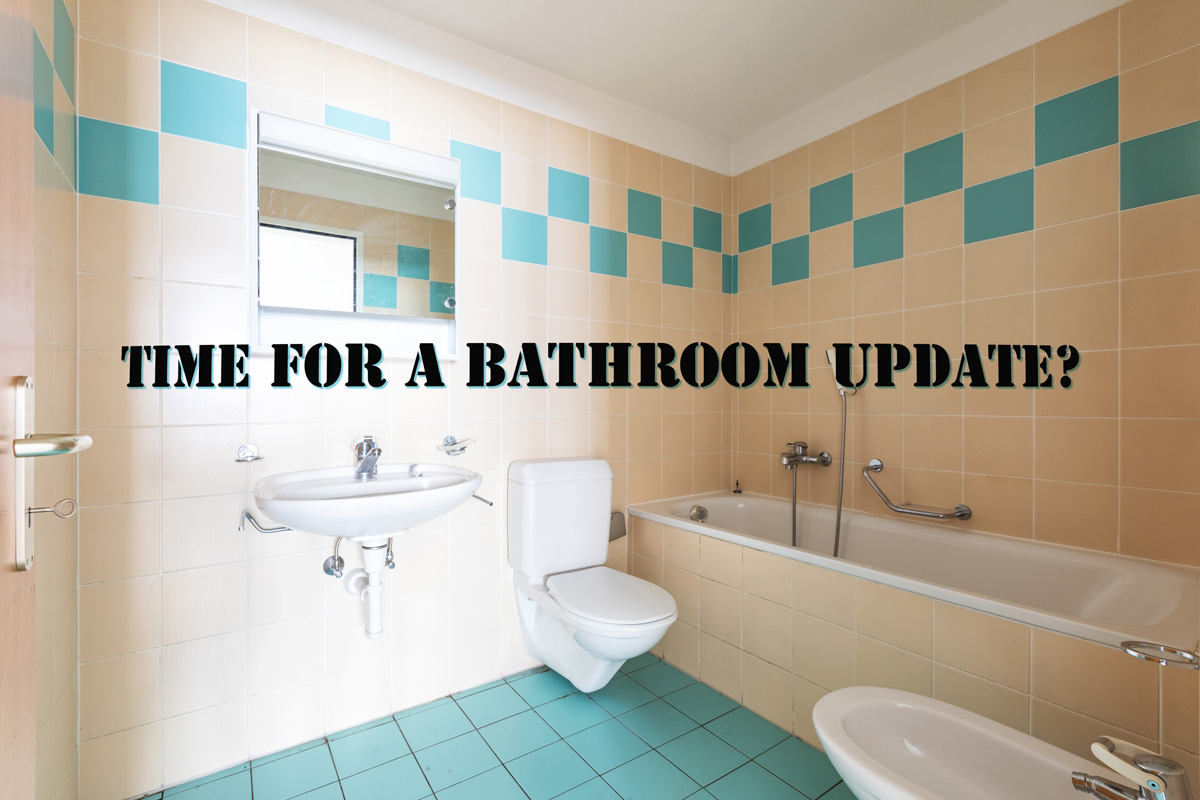
Refurbishing a tired 1970’s or 1980s bathroom is a great opportunity to add modern comfort and real value to your home. Before choosing fixtures or finishes, think about three priorities: durability, waterproofing/ventilation, and how the change will affect the property’s resale appeal.

Below is a practical, design-conscious guide to choosing between a shower and a wet room, current style directions, and smart choices for flooring and colour.

Shower versus wet room – the right investment

• Shower enclosure (walk-in or framed): Best balance of cost, flexibility and resale appeal. A high-quality walk-in or quadrant enclosure modernises the space, conserves floor area, and is relatively straightforward to install. Easy to retrofit into existing layouts with standard drainage and minimal structural alterations.

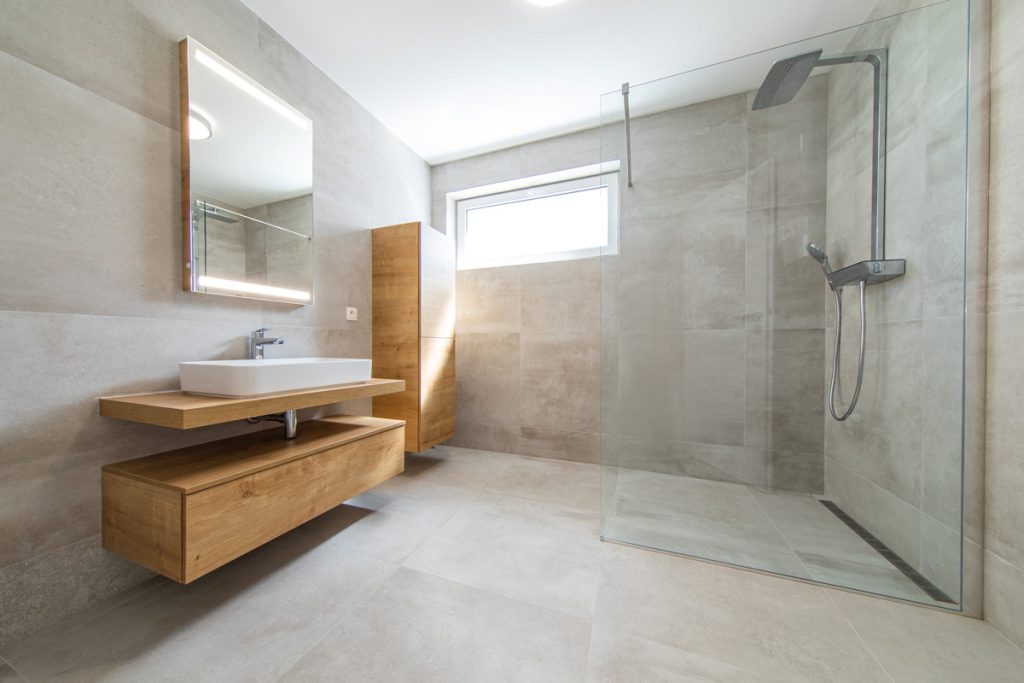
• Wet room: A bold, premium choice that delivers a sleek, accessible, spa-like result. Best when you can rework drainage and floor build-up (fall to drain) and are prepared to invest in professional tanking and ventilation. Wet rooms increase perceived space and are excellent for accessibility (no thresholds), but they cost more and require meticulous waterproofing to avoid damp issues, especially important in older 1980s constructions where floor joists and Party Wall interfaces might need inspection.

• Investment view: If resale and budget are priorities, a high-quality shower enclosure with a modern tray or a flush-fit walk-in offers the best ROI. If you want a long-term, high-end upgrade and are prepared to fund proper waterproofing and ventilation, a wet room is a standout selling point, but only if installed correctly.

Practical considerations before you start

• Check structural and services: Older 1980s houses may have timber floors, narrow joists or concealed pipe runs. Verify whether floor strengthening, new drainage runs or relocation of waste pipes are needed.

• Waterproofing & ventilation: Use a certified tanking system or liquid waterproof membrane for wet rooms; mosaic or large-format tiles must be laid over a properly prepared substrate. Install mechanical extract ventilation rated to current Building Regulations (Part F) and ensure all electrical work complies with Part P.

• Heating: Underfloor heating is highly compatible with tiled floors and is a strong selling point; it improves comfort and reduces condensation.

• Accessibility & longevity: Consider future-proofing (level access, grab rails, wider doorways) which can broaden appeal for downsizers or older buyers.

Contemporary styles that suit 1970’s / 1980s homes

• Minimal/Scandi: Clean lines, neutral palettes, matte white sanitaryware, slim black or chrome hardware, timber accents. Works well to modernise boxy 1980s layouts.

• Spa-inspired: Natural stone or stone-effect tiles, freestanding baths (if space allows), warm lighting, plants and tactile surfaces for a calm retreat.

• Industrial chic: Dark grout, concrete-effect tiles, exposed metallic finishes and bold fixtures—good for adding character to a plain room.

• Japandi/Organic modern: Soft curves, muted colours, natural timber vanities and simple fittings—balances warmth and minimalism.

• Transitional: A mix of classic and contemporary can help preserve period character while updating functionality; useful if you want broad market appeal.

Flooring choices

• Porcelain tiles: Best all-round option – durable, waterproof, frost and stain-resistant. Large-format tiles reduce grout lines and make small bathrooms feel bigger.

• Natural stone: Luxurious but needs sealing and careful installation; pairs well with underfloor heating.

• Luxury vinyl tile (LVT): Cost-effective, warm underfoot, waterproof and easier to fit on timber floors. Look for quality products designed for bathrooms.

• Mosaic tiles: Ideal for wet room drainage areas and for adding texture, but higher maintenance due to grout.

• Underfloor heating: Pairs well with tile or stone and reduces reliance on towel rails; electric systems suit retrofits, water-based systems are best with major floor work.

Colour schemes and décor

• Neutral base: Soft greys, warm off-whites and greige provide longevity and resale-friendly appeal. Layer in texture (matte tiles, timber vanities).

• High-contrast: Black fixtures or dark feature tiles against white baths and basins create contemporary drama.

• Muted colour: Sage green, dusty blue or terracotta accents add personality without dating the room.

• Metallics & fittings: Brushed brass or matte black taps and shower frames are current and add warmth or bold contrast.

• Lighting: Good task lighting (mirror lights) plus warm ambient sources; consider dimmable downlights and LED mirror units.

Final notes

Get a site survey and quotes from accredited installers (check references and examples of completed wet rooms). Prioritise correct waterproofing, ventilation and heating, because these determine whether your new bathroom will be beautiful and problem-free for years. 

With the right approach, you can convert a tired 1980s bathroom into a modern, marketable, and comfortable space that fits both lifestyle and budget.

Wet room: A bold, premium choice that delivers a sleek, accessible, spa-like result

INTERIORS: A Haven of Peace – Colouring an English Home for Calm

In a world that hums too loudly, the most radical luxury is a quiet home. 

In England, where the light can be soft and cool, calm design is less about stark minimalism and more about gentleness: hues with softened edges, natural textures, and patterns that breathe. The goal is not to impress but to exhale – rooms that slow the pulse, not steal the show.

Begin with the light. 

Northern light leans blue, so colours can read cooler than on the tester card. Choose paints with warm undertones – grey-greens with a drop of yellow, stone neutrals touched by pink or mushroom, and blues muddied with grey. 

Aim for low-contrast transitions between walls, woodwork, and ceilings; the eye rests when it isn’t jolted from shade to shade. Flat or matte finishes feel softer than high-sheen; soft sheen in kitchens and bathrooms adds practicality without glare.

The kitchen: 

Grounded freshness Kitchens work best as serene workshops – ordered, tactile, and quietly cheerful. Sage and olive greens anchor the room to nature; they pair beautifully with pale, warm neutrals on walls and ceilings.

 Think: mid-sage cabinetry, linen-white walls, and warm oak or honeyed beech accents. If you love blue, choose a greyed, smoky blue for islands or lower units, balanced with creamy off-whites rather than bright whites.

For wallpaper, use it sparingly: a small breakfast nook clad in a delicate botanical or block-printed sprig pattern can soften the hum of appliances. 

Tile with soft, handmade character – chalky zellige in warm white, celadon, or pale eucalyptus – adds depth without noise. Brass or aged bronze hardware warms the palette; keep worktops quiet (oatmeal quartz, honed marble, or wood with a matte oil). Under-cabinet lighting and warm bulbs (around 2700K) keep the space cosy through grey afternoons.

The main bedroom –  cocooning serenity: 

Bedrooms should feel like dusk. Choose enveloping colours – moss, muted teal, warm taupe, or a tender plaster pink – that wrap the room, skirting to ceiling. A mid-tone on walls with a shade deeper on woodwork lends softness and quiet structure. Alternatively, go tone-on-tone: a gentle greige across walls and ceiling, curtains in a slightly darker sibling, bed linen in chalky white and mushroom.

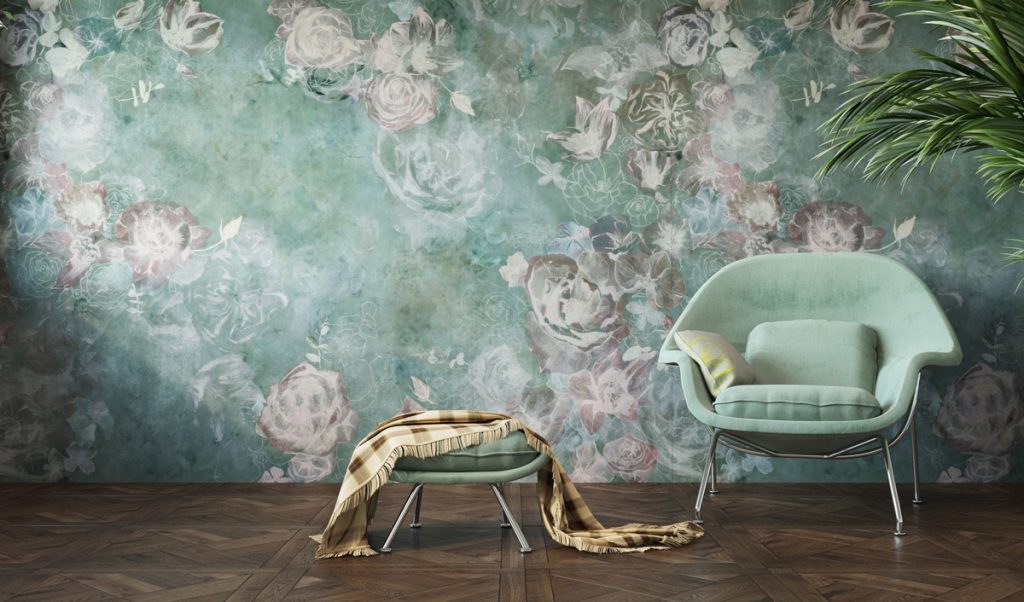
Wallpaper is at its best here. Look for small-scale, hand-drawn florals, willow fronds, or simple stripes in faded tones – patterns that suggest nature without shouting it. If you want to be brave go for a large scale nature inspired wallpaper.

If you prefer plain walls, panel the headboard wall and paint it a few shades deeper than the others for a restful focal point.

Layer textures that whisper: linen, brushed cotton, wool throws, a tufted rug underfoot. Keep metallics subdued – antique brass over chrome and limit contrast.

Night lighting should be low, warm, and directional; a pendant on a dimmer plus bedside lamps with fabric shades will do more for peace than any colour alone.

The bathroom: 

Bathrooms thrive on clarity and softness. Start with a warm white or pale stone on walls, then introduce colour through tiles or a half-height panel in sea-glass green, soft aqua, or clay. 

Avoid icy whites; look for creamy bases and honed finishes to diffuse light. A single gentle hue, pistachio, pale sage, or a whisper-blue across walls and bath panel feels cohesive and fresh.

For pattern, think water and meadow: fine reed stripes, lily pads, or a minimal Japanese wave motif. A small wallpapered cloakroom can carry bolder pattern, but in the main bathroom keep it airy. 

Natural materials – oiled oak shelves, wicker baskets, pebble or terrazzo-style floors add warmth and touch. 

Pulling it together

• Keep a connected palette: three families repeated throughout – grey-green, warm neutral, and softened blue or blush.

• Blur edges: paint ceilings a half-tone of the walls; echo cabinet colours in textiles.

• Prioritise matte, tactile finishes and warm lighting.

• Let pattern be small-scale, nature-led, and slightly faded.

Peace is cumulative: it’s the sum of kind colours, hushed textures, and gentle light. In an English home, where the sky often lends its own soft filter, these choices don’t just decorate; they restore.

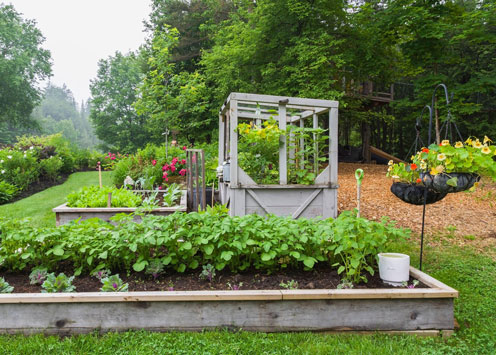
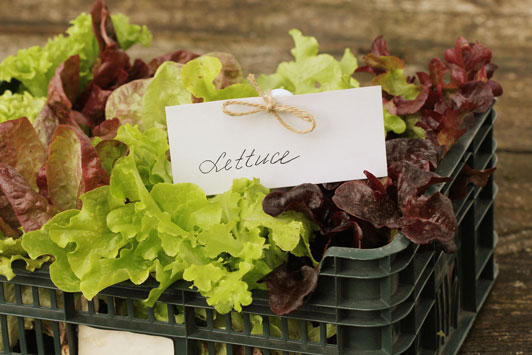
Save money by planting your own summer salad box

How to grow your own summer salads. By Sam Wylie-Harris.

If the idea of foraging for fresh food fills you with joy, how about going one step further and building a salad with ingredients you’ve grown yourself?

“Growing your own fruit and vegetables is becoming increasingly popular, with more people discovering the many benefits of producing your own food,” says Daniel Carruthers, of Cultivar Greenhouses.

Not only can growing from seed be cost-effective, you’ll hopefully end up with an abundance of fresh food – even when shops are low on stock.

Want to try and grow your own salads? Here’s how to get started…

What to plant

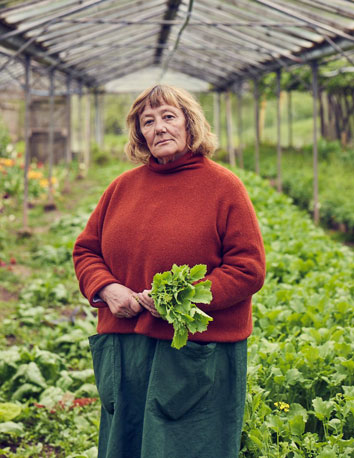
“If I had to name one crop I could always grow, eat, and sell, it would have to be salad crops,” says Jane Scotter, a Herefordshire biodynamic farmer (fernverrow.com), who grows seasonal vegetables, fruit and herbs for some of London’s top restaurants.

“A high-value crop, much sought-after by restaurant customers and individuals alike,” notes Scotter, who has also just launched her first online gardening course with Create Academy.

She says the flavour of the leaves, picked just before eating, is far superior to anything one can buy. “Eaten fresh captures the zest and essence of flavour, and texture of the tender leaves.”

Varieties of salad leaves

There are lots of varieties of salad leaves you can grow. “For spring, I like the hot zing of the mustards, such as mizuna, mibuna, purple frills and golden frills,” says Scotter.

These are all from the brassica family, and are quick to germinate and fast to grow.

“I find rocket to be rather overrated as a salad leaf, except when grown in the spring and autumn, while the days are warmer, but nights are still cool,” she adds.

Scotter says the flavour is much fuller, the leaves more robust and altogether quite different from summer-grown rocket, which she finds thin in both flavour and substance.

Fruits of the vine

“Tomatoes are a firm favourite in most salads and, with shortages in many supermarkets at the moment, it’s a great time to start growing your own,” suggests Carruthers.

With so many varieties to choose from, he suggests popular types such as Brandywine tomatoes, known for their large, beefsteak-shaped fruit and delicious taste, and Tigerella – “an old faithful, which has a beautiful red and orange striped skin”.

Carruthers continues: “Cucumbers are a perfect summer fruit, adding a refreshing crunch to salads. There are almost 100 different varieties, so choosing which ones to grow can be a minefield.”

Picolino and Cucumber Goblin are smaller than more popular varieties, but they provide higher yields throughout the season – ideal for keeping your salads going over the summer, he adds.

How to plant salad seeds

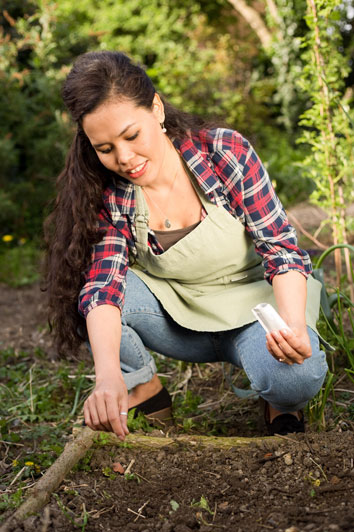
Direct sow the seeds into clean, weed-free soil, says Scotter.

“They’re not hungry feeders, so lots of fertility is not a big issue. If you don’t have a garden, fill a container or wooden box (with holes in the bottom for drainage) with organic compost. Fill the box at least 20cm deep with the fine soil. Pat down firmly and evenly.

“Then make a small trench, about 2cm deep and 4cm wide, using your finger or a round-ended tool, the thickness of a marker pen,” she adds. “Aim to have seeds about 1-2cm apart. Don’t worry about being too exact, but try not over sow, as plants will grow small and not as healthily.”

Cover with soil carefully and pat down firmly. She says to water with a watering can rose at first, otherwise seeds will not be evenly moistened, plus they may float away if water is added in a heavy-handed way.

“If these are started early to mid-March, you should see germination within 10 days. Sow at least four lines. Keep the soil moist but not soggy, and in a sunny spot outside. Your salad leaves should be ready for their first harvest within three weeks,” says Scotter.

“The varieties I’ve mentioned are cut-and-come-again crops – meaning you can cut at least four times from the same plant, before the leaves begin to get tough and lose flavour.”

How much to plant

“As a rough guide, a metre-length strip of mustard leaves will produce about 500g over three weeks. So, if you sowed four different varieties that would be two kilos,” says Scotter.

“I would expect to serve two people about 150g a serving. And when you consider the shop-bought mixes are around £30 kilo, you’re not only eating the best – but at a good price, too.”

Craig Phillips: ‘DIY can be Really Therapeutic’

DIY may be his trade – but as original Big Brother winner Craig Phillips tells Gabrielle Fagan, it brings a host of wellbeing benefits too.

Being trapped at home during lockdown certainly wasn’t unfamiliar to Craig Phillips.

As the winner of TV’s first ever Big Brother – which marks its 20th anniversary this year – he experienced weeks of housebound isolation, along with the pressure of being under constant surveillance.

“It certainly gave me an early taste of lockdown all those years ago,” says the 48-year-old, as he recalls being part of what was arguably the first proper reality TV show back in 2000.

“We were completely isolated from the outside world, with no phones, internet, newspapers – social media wasn’t even born then – and the house didn’t even have windows. The garden was walled, with floodlights and live TV cameras beaming down on us. We were basically imprisoned,” he remembers. “By comparison, being in my house and garden with my family throughout lockdown definitely felt far easier!”

Now a regular on DIY shows – like 60 Minute Makeover, Housecall and Craig’s Trade Trips – Liverpudlian Phillips was just 28 when he won over viewers on Big Brother, as the straight-talking builder with a passion for body-building. Cheeky and charming, he touched the nation’s hearts with his selfless aim to give the prize money to family friend Joanne Harris, who had Down’s syndrome and needed a heart and lung transplant (Harris sadly passed away in 2008).

“I had no idea how big the show would be and just thought it was worth a try,” he says. “I thought, ‘Well, I don’t suppose anyone will watch the show, and really how hard can it be to live with 10 other people?’ Actually, it was really tough – you could never switch off with all those cameras on you, and it was hard to deal with all the different personalities,” he reflects.

Big Brother didn’t just propel Phillips to nationwide stardom, but changed the TV landscape and helped spawn the ‘fame game’, where ‘ordinary’ people could suddenly become celebrities overnight.

“My life exploded after I came out, and at times I found the reaction overwhelming,” Phillips admits. “I went into the house very naive, not expecting anything to come from it, as we all did. I don’t think anyone was [expecting anything], because reality TV wasn’t born until then,” he adds. “I think people got so excited about it, because it was the first time the public got an opportunity to vote and keep people in or kick them out.”

Re-entering the real world was “really, really crazy” he says. “I don’t think I went home for 97 days. I changed hotel every night and I had bodyguards chaperoning me around. It was life-changing overnight, and I was the last person to realise it.”

Phillips, who is talking from his home on the outskirts of Liverpool – which he shares with his wife Laura Sherriff, 33, and their 18-month-old daughter, Nelly (they’re currently expecting their second child) – doesn’t believe he’d even have been considered for the show in its later years, let alone won it.

“I think I’m a bit too normal, boring, and not extreme enough compared to the characters that were there as it went on,” he says with a grin. “As the years went on, increasingly scenarios were concocted to deliberately make people clash and cause friction, and get people conniving and calculating. That wouldn’t have been for me.”

Phillips’ story is an inspiring one. Just 13 when his father was killed by a drink-driver, by age 15, he was working to help support his mother and sister. Despite leaving school with no qualifications (he had un-diagnosed dyslexia), by his early-20s, he’d built a successful building company, with a turnover of more than £1 million and a team of 30.

While many fall by the wayside after five minutes of fame, Phillips thinks his down-to-earth background and business and building skills allowed him to capitalise on his success after Big Brother, rather than be derailed by it.

“In my book, being famous isn’t a job. I’ve never regarded myself as famous, although I am well recognised. I think the secret to surviving a reality show is to stay true to yourself and not believe the hype,” he says.

“The show was a spring-board for me, giving me so many opportunities to work on TV. I’ve appeared on thousands of DIY and makeover shows over the years. I’ve also been able to help raise millions for charities, which makes me feel really proud.”

Marriage and becoming a father has given him personal contentment. He and Laura work together as ‘Mr & Mrs DIY’ on TV and YouTube. They also have a property portfolio and recently built their “dream” home, complete with eight bedrooms, a gym and film studio.

“I knew Laura was ‘the one’ the first time I met her, at a TV studio,” Phillips confides. “Although there is a 14-year age difference – Laura jokes she was still at school when I won Big Brother – we never notice it. We’ve so much in common, and being able to work and live together 24/7 so happily, to me means it’s a really special relationship.

“It was wonderful teaching Laura DIY skills and discovering she was a complete natural,” he adds, happily. “We make such a good team.

“Being parents together is brilliant, and we’re looking forward to welcoming our son soon. I treasure my time with Nelly and I’m perhaps even more aware of the responsibility of caring and providing for her, because I lost my own father so young.”

He’s open-minded about whether he’d allow his daughter to take part in reality TV when she’s older. “It would be hard to say no, wouldn’t it, after my experience?” he reflects. “If her heart was set on it, I’d support her, but just hope to guide her a little and help her keep her feet on the ground.

“Nelly actually already loves her painting play sessions, so I reckon we could give her a little brush in a few years and get her on our team,” he adds, laughing. “It would be nice to say, ‘Mr & Mrs DIY and Daughter!’”

He believes DIY can be far more beneficial than simply home improvements, as it can be beneficial to people’s mental wellbeing too.

“We were overwhelmed by the huge and positive reaction to our online DIY videos during lockdown,” says Phillips. “It’s really therapeutic for people, if they can learn to work on their own homes and improve them, because that can really give a feeling of satisfaction and achievement. Also, there’s so much loneliness around, but we really noticed people loved being able to connect by sharing their DIY experiences and tips.”

He downs tools to look after his own wellbeing: “This is a stressful time business-wise, as it is for everybody, but I try not to panic and just keep the faith that things will bounce back.

“Chilling out with Nelly is a wonderful way of de-stressing,” he adds. “Laura and I share parenting 50/50, and I’ll take Nelly off for a couple of hours to play and that time literally flies by.

“I’m a bit of a workaholic, but it’s the ultimate switch off from work and any problems. I feel like a different man by the end of it.”

Craig Phillips is a celebrity builder and mental health speaker. To find out more, see craigphillips.co.uk

×
Find a Property
M
Country & Equestrian
By submitting this form, you agree to McCarthy Holden using your personal data in accordance with our Privacy Notice.