






This Autumn Budget was like no other, because the leaky lead up to it had a negative impact on the property market and the wider economy. So much uncertainty was generated in recent months and many people simply shut down and did nothing. So the Budget day is over and people can now plan their property moves and investments with the knowledge of what’s to come as a result if this Budget.
There were no rabbits pulled out of the hat and the only surprise was that the government’s financial position is nowhere near as bad as had been suggested in the run-up.
Landlords were further impacted if their investment property is held by them as an individual as opposed to a limited company.
From April 2027, property income (e.g. rents), as well as savings and dividend income, will be taxed 2 percentage points higher than today. That brings property income tax bands to 22%, 42% and 47%.
The Budget stops short of replacing or abolishing Stamp Duty Land Tax (SDLT). Stamp duty remains in place for now, despite earlier speculation.
The so called “mansion tax” has now arrived and it’s worth remembering that Labour previously voiced this intent back in 2019 and in part it impacted on them losing that General Election. In early 2025 rumours abounded about a forthcoming “mansion tax” and for the remainder of this year the top end of the market has been on hold.
Now we know that for owners of high-value homes, a new “mansion tax” — formally a high-value council tax surcharge — was confirmed. From April 2028, properties valued at £2 million and above will face an annual surcharge.
The tax will differ depending on the value of a property and will be determined by the following four bands.
£2 million to £2.5 million– You will pay £2,500.
£2.5 million to £3.5 million– You will pay £3,500.
£3.5 million to £5 million – You will pay £5,000.
More than £5 million – You will pay £7,500.
This will be an annual tax and the charge will be imposed on top of the existing council tax. The money will go to the Treasury rather than the local authority.
The decision not to scrap stamp duty means there is no relief for home buyers and no increased incentives to move or buy.
For landlords, higher taxation on rental income (from 2027) will erode net returns. But one thing is for certain, this added cost will be passed on to Tenants so this move alongside the Renters Right Act earlier this year will cost Tenants more for their rented homes.
There is much speculation about the new “mansion tax” suppressing demand at the very top end of the market, but we don’t believe this will be the outcome.
The buyer demand will now return because the level of the “mansion tax” is known and whilst it might keep a lid on prices in this sector, at least transaction numbers will return.
The tax isn’t coming in until 2028 and by then another General Election will be on the horizon so disgruntled home owners wary of property taxes in general will take their discontent out at the ballot box.
From a property perspective across all price sectors, the Budget has little or no impact and any “bounce back” is likely to be moderate, not a dramatic boom. The weight of new taxes and limited reforms means we’re more likely to see steady growth and cautious investor re-entry rather than a surge in building or housing-led economic growth.
In other word, a steady business as normal outlook for the short to medium term.
Overall, expect steady demand property sales and rentals, modest rental growth in strong micro-markets, and continued importance of quality and location.
A good place to start your 2026 house move could be to check out out latest property magazine, which came out today.
This 122 page property & lifestyle magazine is full for properties for sale from £295,000 to £2.0m., a selection of properties to rent and some engaging editorial such as cookery tips for Christmas from Rick Stein and Dr Clare Mosley.
.
To enjoy a full read of our digital magazine In The Country & Town just click the image below.

McCarthy Holden will of course comment on the facts when known post Budget this week, but as a starter we’ve pulled together some of the wide-ranging options the Chancellor could be considering in order to extract tax revenue from property owners and aspiring home owners alike.
As the Chancellor prepares to unveil the Autumn Budget, the residential property sector could take centre-stage because of the wide ranging economic benefits of a market that is on the move and as unfettered as possible. House-price falls, a fragile recovery in buyer confidence and continued political pressure to raise revenue from wealthier homeowners mean property taxes and landlord measures are likely to feature heavily. Below we pull together the realistic options facing the Treasury, explain how each would work in practice, and outline the most probable effects on buyers, sellers, landlords and the overall housing market
Recent market data show static asking prices. There is also caution among sellers and buyers ahead of the Budget in some market sectors mostly above £2.0m., driven in part by speculation over new property taxes and broader cost of living uncertainty. In addition, whilst mortgage rates have eased from their recent peaks, the cost of borrowing remains an important constraint on affordability
1) Reform or replace Stamp Duty Land Tax (SDLT)
Options:
Likely market effect:
2) Higher or more targeted rates for second homes / buy-to-let investors
Options:
Likely market effect:
3) Capital Gains Tax (CGT) changes on property
Options:
Likely market effect:
4) Measures aimed directly at landlords’ tax treatment and rental incomes
Options:
Likely market effect:
5) Council tax / local property taxation reform
Options:
Likely market effect:
Likely short-term market responses
Political and administrative constraints
The Treasury faces a classic policy trade-off: raising revenue and addressing perceived unfairness in the property tax system versus maintaining transactional fluidity and rental supply.
Over many years Government / Tax interventions in the house market have cause problems for ordinary people. Stamp duty cliff edges for larger properties and even first time buyer properties simply result in a distorted market and reduced mobility. As for an annual tax on properties valued at over £2.0m., well how does the Government think people are going to pay this out of already taxed income! Surely tax should mostly relate to salary / income and purchases in the wider economy. There has also been talk of doubling council tax on properties worth more than £750,000. All of these considerations would mean people spend less on their properties and this would have a massive negative impact on the wider economy.
If your gardening wardrobe is looking tired, all bobbly fleeces and leaky wellies, perhaps it’s time to kit yourself out with some clothes and accessories which will wrap you up warm – and look stylish at the same time.
So ditch those gloves with holes, the tired jumpers and the water-holding jeans for some gardening garb which should help keep you dry, warm and comfortable while you are doing those outdoor jobs in the winter months.
Here are a few items to consider:

1. Norber flat cap (Glencroft, £44.95)
Calling all male gardeners: if you aspire to the likes of David Beckham or Vinnie Jones, a well-made flat cap may be for you. This Norber Yorkshire Tweed cotton-lined flat cap is as practical on the allotment as it is elegant in the potting shed.
Made in the north of England from British wool tweed woven in Yorkshire woollen mills, it is lined with Global Organic Textile Standard (GOTS) certified 100% cotton for enhanced breathability and is fully quilted for added comfort.

2. Waterproof garden apron (RHS, £32.99)
When the autumn rains fall, you can at least keep your gardening clothes dry, clean and protected if you’re wearing this gardening apron made from khaki waterproof canvas.
With two pockets to hold gloves, seeds and other ephemera so you can keep your hands free for gardening tasks, you can also tie the long waist straps around at the front for a more snug fit.
Just remember to hand wash only with a mild detergent in warm water.

3. Sure & Soft leather gloves (Kent & Stowe and good garden centres, £24.99)
When you’re doing hard tasks like digging, raking and weeding, it makes all the difference to have a pair of comfortable gardening gloves while you work.
These leather gloves are crafted from high-quality super-soft leather and feature a keystone thumb for maximum comfort, reinforced extra stitching for strength and durability and improved dexterity. They should withstand punctures and tears, making them ideal pruning gloves.
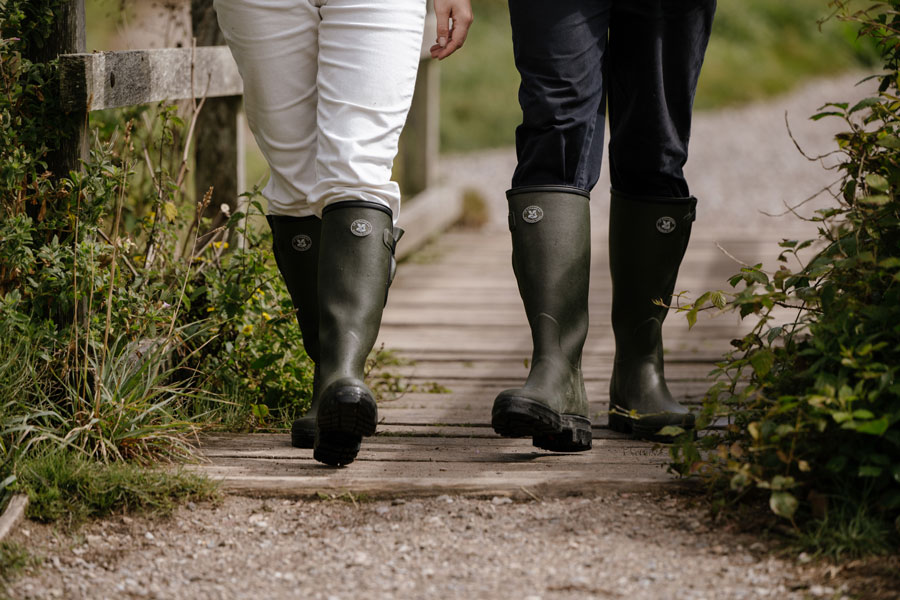
4. Women’s National Trust Vierzon Jersey Lined Wellington Boots (Le Chameau and the National Trust, £220)
We’ve all had cheap wellies which end up leaking and cracking, so it might be worth investing in these sublime limited edition boots, created through a collaboration between master bootmaker Le Chameau and the National Trust.
Each pair sold supports the National Trust sites, gardens and coastlines and the boots are inspired by the spaces in the care of the NT.
Made from high-quality Chamolux rubber, with a bespoke print jersey lining made from organic cotton and recycled polyester, a removable antibacterial insole and adjustable straps made from post-consumer recycled bottles, they are their most sustainable boots yet.
The unique Le Chameau/National Trust logo and bespoke lining print, inspired by Buckland Abbey, honours Britain’s natural and cultural heritage.
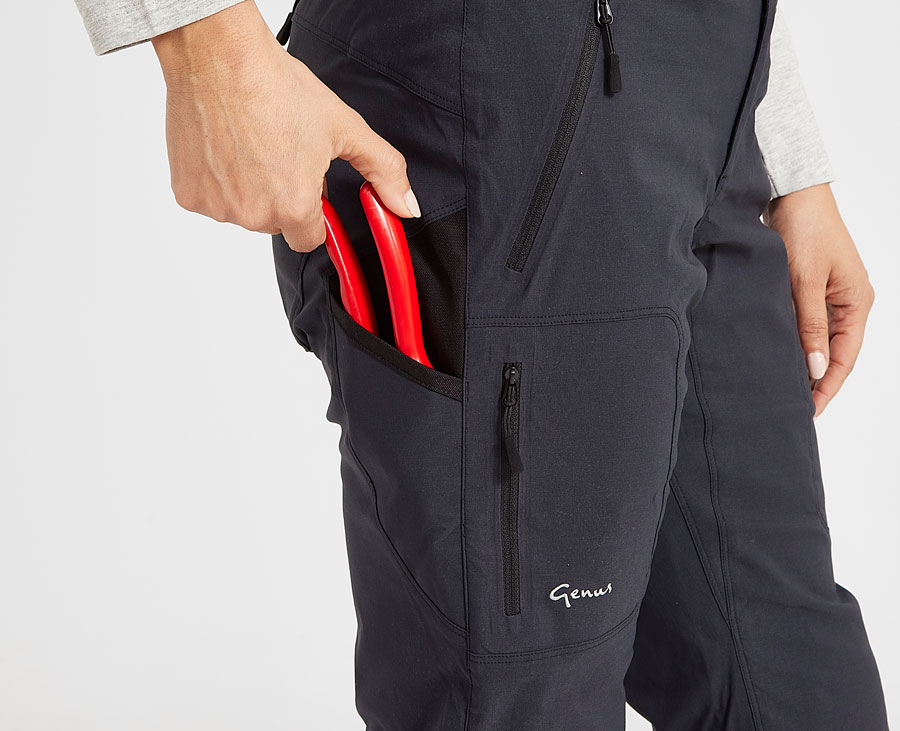
5. Women’s waterproof gardening trousers (Genus, £169)
Designed for gardening, these Genus waterproof trousers (which are not overtrousers) have a showerproof fabric on the outside and are fully waterproof-lined on the inside so people can still make the most of a very wet day in the garden.
They have handy stab-resistant pockets for secateurs and knives, a breathable padded knee and raised waist for back protection. The quick-drying stretch fabric means you won’t have to put them on the airer for long after a hard day’s digging, planting and composting.
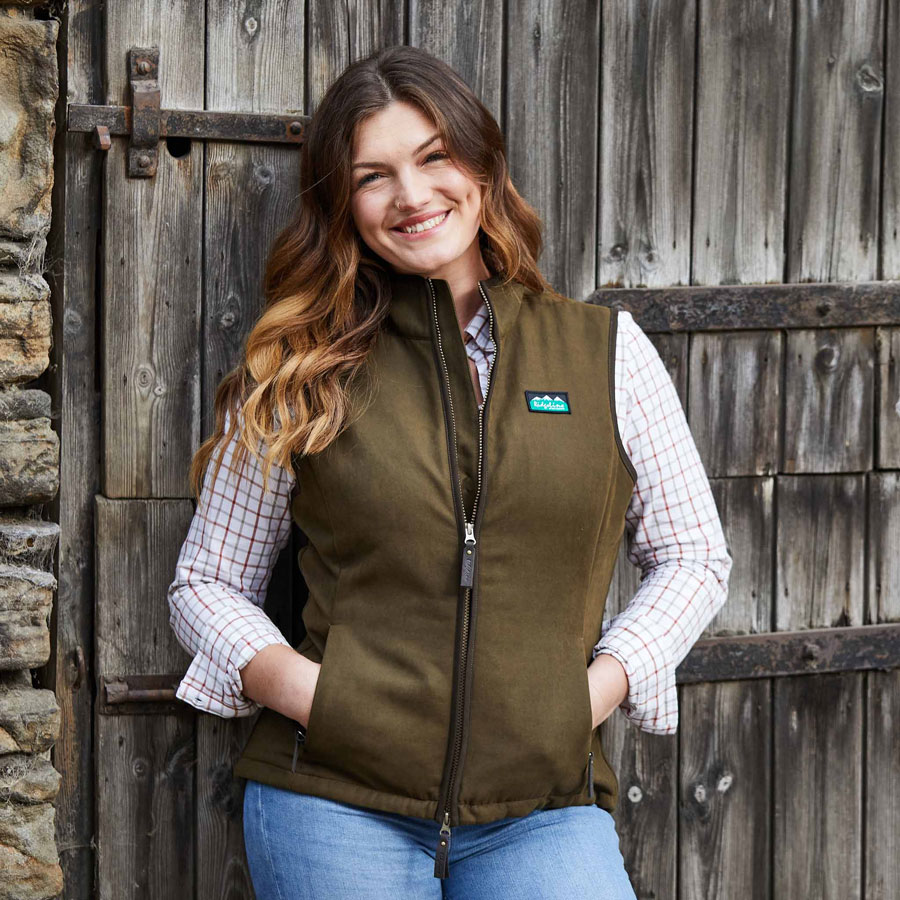
6. Ridgeline Monarch Women’s Gilet (ArdMoor, £79.94)
This snug gilet is ideal for gardening and other outdoor pursuits, with a moleskin finish and durable water-repellent treatment to help keep stains and dirt at bay.
It has practical hand pockets with zips, a secure inner zipped security pocket for personal belongings, and a two-way front-opening zip, adjustable hem and high collar, which adds extra protection against the wind.
On warm autumn days you could wear it as an outer layer on top of a base thermal, while when the weather gets really cold it can be worn under a winter jacket. Available in three garden-friendly tones: Moody Teak, Deep Forest and Navy.

7. Hoggs of Fife Men’s Glenesk Quilted Jacket (Cherry Tree Country Clothing, £76.50)
Any gardener who wants to add style and comfort to his gardening attire should look no further than this snug padded quilted jacket which is crafted from windproof and insulating fabric, with a Teflon finish for durability.
It also has a full-length zip with studded placket cover and two large front pockets which will hold smaller gardening items. Ideal not only for the garden but for autumn walks in the countryside.
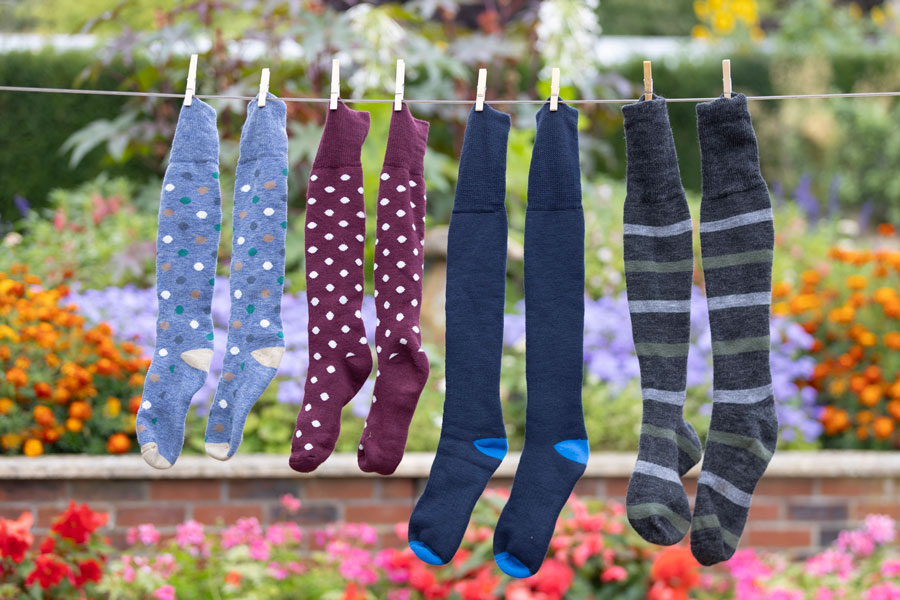
8. Chunky Wellington Boot Socks (Town & Country, £9.99)
Keep your toes toasty in these chunky Wellington boot socks in a range of colours, made with Merino wool to offer natural warmth, breathability, and comfort. This natural moisture management helps to keep feet dry and comfortable, and are ideal in colder and wet weather.

Growing berry-bearing shrubs and trees is an almost guaranteed way to help birds in the garden stock up ready for winter.
Yet there are some berries that seem to be taken in preference to others, or which certain species of birds prefer, says Adrian Thomas, RSPB wildlife gardening expert.
“In particular, birds seem to prefer red berries, but that doesn’t mean that more unusual colours are to be avoided,” he observes.
“Those which ripen to pink, white or yellow may often be those that remain into the middle of winter when birds such as waxwings can be desperate for them.
“Of course there is even a British bird that is named because of its association with berries – the mistle thrush, which adores mistletoe.
“I wouldn’t be without lots of berry-bearing plants in the garden. To see flocks of birds descend on them in a feeding frenzy is always exciting, and if any of the feast lasts until winter, the chance of attracting redwings, fieldfares or even the rare waxwing is a winter treat for us, too.”
Different berries ripen at different times, which means that with a bit of careful planning you can provide a staggered feast over many months, starting with juneberry (Amelanchier lamarckii) and going through until spring with ivy berries.
You can plant berry-bearing shrubs in borders or pots, and some can be trained up trellises, walls and fences.
Five berry-bearing climbers, shrubs and trees that Thomas thinks are indispensable in the garden are:
The berries have a very high fat content. They also ripen sequentially over a long period right through until spring. You do need to allow ivy to get its ‘head into the light’ for it to flower well and hence set fruit.
Growing tips: Ivy is about the easiest plant to grow – it’s not fussy about soil (although common ivy does better in alkaline soils) and will grow in sun or shade, quickly covering difficult areas such as dry spots and stabilising the soil. Just don’t put it in an area that is permanently waterlogged.

The red ‘haws’ are a staple in the countryside for all the common members of the thrush family – blackbird, song thrush, mistle thrush, redwing and fieldfare. Peak consumption is October to December. Their autumn flowers also provide late nectar for insects.
Growing tips: You can grow it as a specimen tree or a hedge in any garden soil in sun or partial shade. Avoid ground which is permanently waterlogged, which could rot the roots. If you are creating a new hedge, plant bare root hedging plants between October and February.

Remember holly bushes are either male or female, and you’ll need a female variety to be sure of winter berries. You may have to plant a male as well for pollination if there isn’t one close by. The red berries are again staples for the thrush family, plus wood pigeons.
Growing tips: Hollies are not fussy about their soil type or situation. All hollies tolerate shade although variegated varieties do better in sun. If you have limited space, go for a self-fertile one which doesn’t need a mate to produce berries, such as ‘J.C. Van Tol’.
As well as the native rowan, many of the other garden varieties and cultivars are excellent for berries including the pink-berried Sorbus vilmorinii. For the native rowan, peak consumption is in August, ahead of the arrival of the winter-visiting redwings and fieldfares.
Growing tips: Again, it is not fussy, thriving in sun or partial shade, but try to grow it in moderately fertile, humus-rich soil. Pruning isn’t necessary, although you can remove dead branches in winter. While some rowans such as mountain ash can grow to around 6m, you can get smaller ones, such as the yellow-berried ‘Joseph Rock’, which makes an ideal specimen tree, reaching 4m in 10 years.
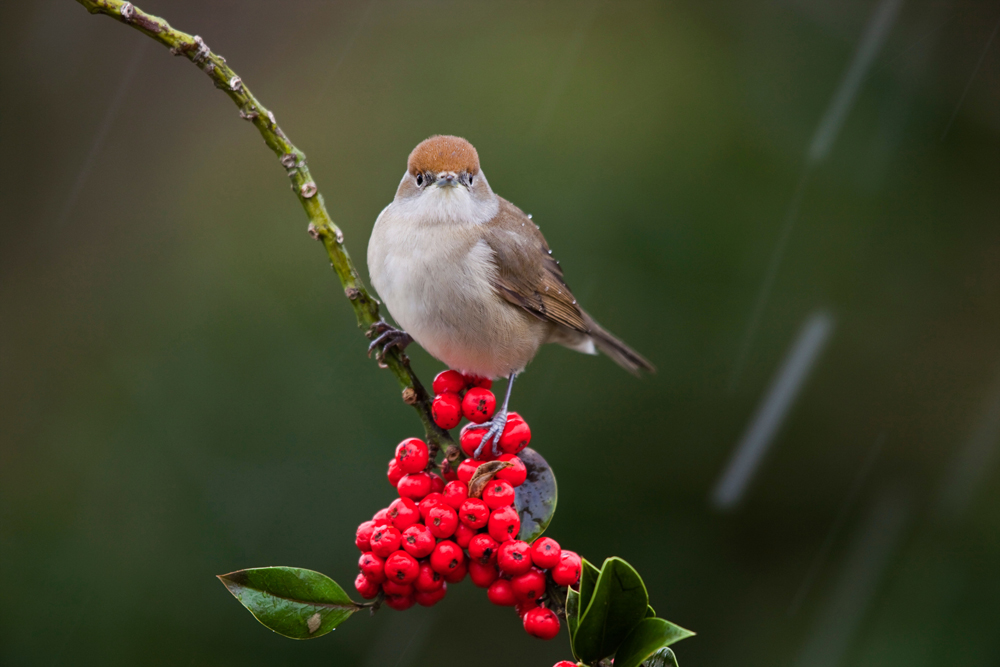
A native tree of the northern half of the UK, the deep red berries of Prunus padus which ripen to shiny black are small which means that smaller birds such as blackcaps and robins can eat them as well as the thrushes.
Growing tips: Ideally plant this deciduous tree in autumn in moderately fertile soil in full sun. It can grow to 15m tall and almost the same in width, so you’ll need a big garden, although you can get more compact varieties such as Prunus padus ‘Albertii’.

By Hannah Stephenson, PA

Suzanne Mulholland once declared she ‘hated’ Christmas Day – she was the person who ended up organising the entire event, from presents, to decorations and, of course, the food.
“When the kids were little, I actually didn’t like Christmas. I didn’t feel it was my day. I felt like it was everybody else’s day,” the 49-year-old says. “I look back on it now and think I really did miss some key moments where I would have loved being the one sitting just helping build Lego, or whatever it was, but I felt tied to the kitchen.”
To make a busy life with children easier Mulholland started batch cooking, and after sharing videos on YouTube and Instagram, ‘The Batch Lady’ Instagram account was born. With it, the mum-of-two was able to transform Christmas so she wasn’t cooking all day.
“I started to change gradually. I would make sure my roast potatoes were done, but I always felt like there was quite a lot that maybe I couldn’t do in advance. And then over the years, I’ve actually managed to do it all in advance. Everything.
“If you happen to have a Friday morning or a Tuesday evening in November where you’re not doing anything, you can think, actually, I might get four recipes done for Christmas.”

November is the perfect time to start, she says, and buying a lot of your Christmas food in November can help spread the cost.
“You can do it all in November, when you don’t have every other activity going on, like the Christmas fete at school, your kids Carol concert and your work night out. December becomes really busy for us.”
So, getting ahead for the festive period isn’t just about prepping the Christmas Day meal, Mulholland also batch cooks plenty of one-pot meals to freeze and reheat during December.
Mulholland has two types of recipes – “Either you ‘cook ahead’ – which means cooking it and putting it in the freezer, or ‘grab and cook’ which means you’re making it up raw, and then you’re putting it in the freezer,” she explains.
Here’s how to make it work for you this Christmas…
‘Cook ahead’: What to cook, freeze and reheat on the day
Mulholland says accompaniments like bread sauce and cranberry sauce, as well as sides like roast potatoes and Brussel sprouts, can be fully cooked and frozen – far in advance. “I do a lovely shredded Brussels sprout with pancetta, and you actually make that in advance, because it shreds, it lasts.”
Homemade Yorkshire puddings make well in advance to freeze, or try Mulholland’s recipe for mulled wine red cabbage. While the method works well for starters too, think parsnip and apple soup, or desserts like panettone bread and butter pudding.
“The whole point of freezer cooking is that you use recipes that are meant to be frozen. Those recipes are specifically created to make sure that they’re going to be delicious.”
And freezing doesn’t take away from the flavour. “People would be so surprised to know that in the absolute top-end restaurants [chefs] prep in advance. A lot of that will come out of freezers and fridges that have been prepped in advance. A lot of things actually taste better if you’ve cooked them in advance.”
‘Grab and cook’: What to prepare ahead, freeze but cook on the day
While some parts of Christmas can be completely made and frozen, her methods aren’t about doing that for the entire meal. “We’re still cooking Christmas dinner. We’re just not prepping everything from scratch,” explains Mulholland.
“Prepping ahead is really that you’re getting it ready, but you’re not necessarily cooking it. You’re just getting all the ingredients ready together,” she says, for example, mixing the stuffing ingredients and putting into balls, before freezing uncooked, or wrapping the bacon around sausages for pigs in blankets.
“In November, I will make the herby butter [to use under the turkey skin] and wrap it up. I’ll get the pack of streaky bacon and put it beside the herby butter. I’ll make my stuffing mix. Then I’ll get my frozen turkey from the shops and I’ll put it next to it. So I’ve really created this meal prep kit that when I bring it out, it’s defrosting, and I know that everything’s there.
“Roast veg – you parboil them, cover them in oil, put your lovely seasoning over it, and then you flash freeze it [putting it in the freezer for two hours]. You’ve part cooked them. You haven’t cooked [them] to the end and then re-cooked. It’s about prepping everything so it’s ready to come out and be cooked from frozen, but it is being cooked on the day.”
Do this for starters and nibbles too, like pork and stilton sausage rolls, and cheese and chutney straws.
Cold starters, such as chicken liver pate or mushroom and tarragon pate, make easy freezer items too.
Batch cook some additional ‘December dinners’
Make December extra easy by making and freezing some nutritious meals you can take out of the freezer whenever life gets a bit busy. Think pork, parsnip and mustard traybake, Cajun-spiced chicken, or coconut and butternut squash curry.
“[If you know] ‘I’ve got a fish pie in the freezer, and I’m going to put it in the oven tonight’ – that is the easiest thing ever, because you can make a fish pie in three minutes. But if you haven’t done that, your headspace is ‘I don’t know what I’ve got in the house, I don’t know who’s in or who wants to eat. I’ll stop at the shops, I’ll grab whatever, or I’ll grab a takeaway’
“It’s automatically going to cost you more money – and that’s a normal work day. So you take that tenfold into the busiest December, and you are racking up a lot of money and a lot of stress.”
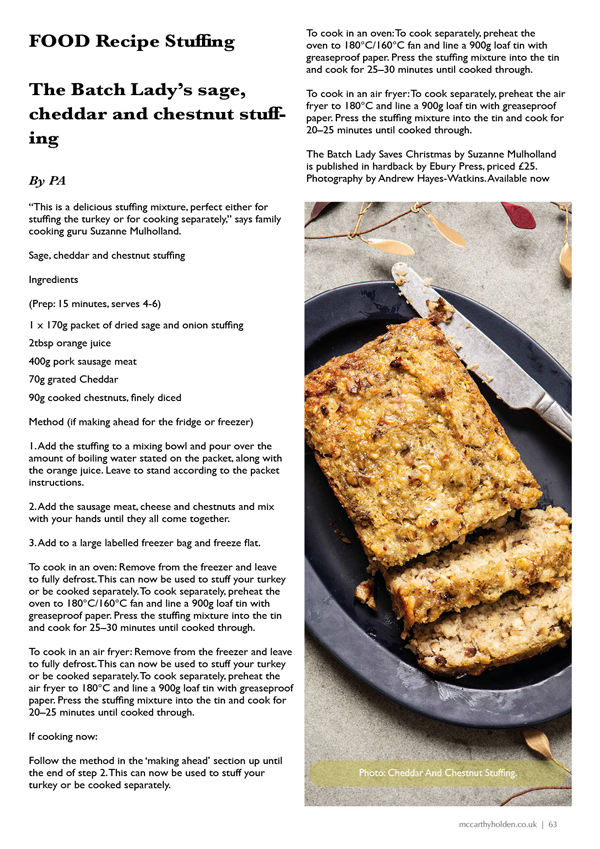
The Batch Lady Saves Christmas by Suzanne Mulholland is published by Ebury Press, priced £25. Photography by Andrew Hayes-Watkins, available now