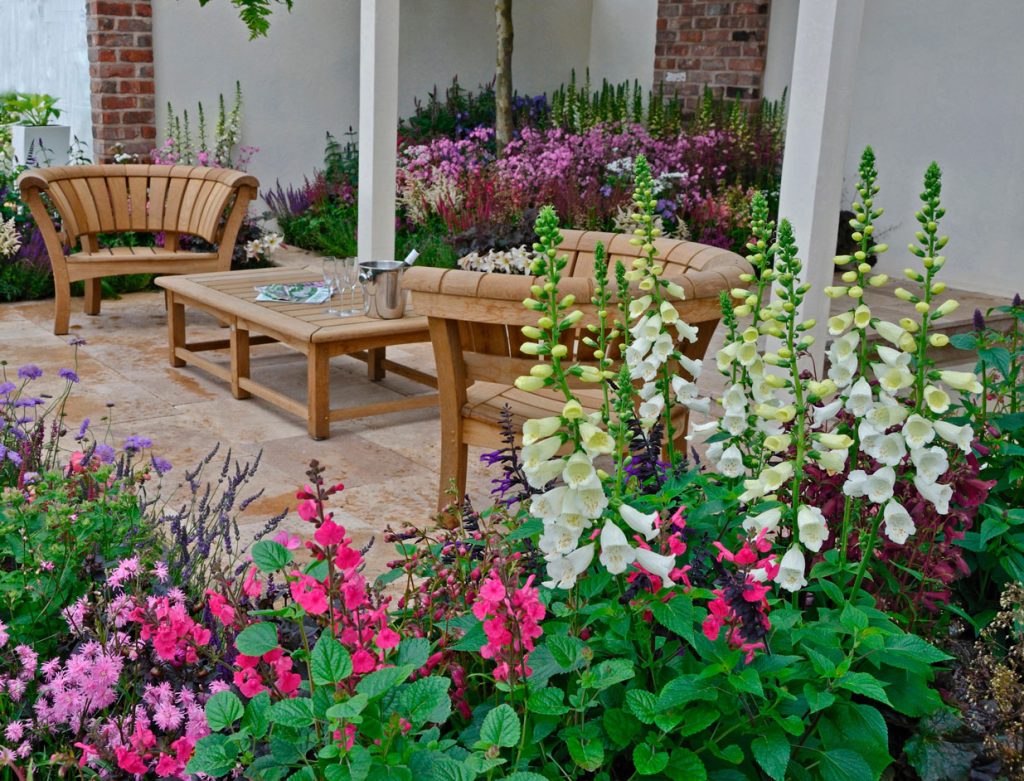
How to get your garden spring-ready

Gardening McCarthy Holden

The weather may still be cold and cloudy, but buds are already starting to appear so it’s time to get your garden ready for spring before the growth spurt begins.

You could make time for a quick tidy-up, washing furniture and ornaments, turning your compost heap and cleaning patio pots.

“It’s a great time to tidy, clean and repair, whether it be tools, pots, furniture or even plant labels,” says Emma O’Neill, head gardener of horticultural charity Garden Organic.

Follow these tips on jobs to do in the garden to give you a head start on spring.

(By: Hannah Stephenson, PA)

Prune fruit

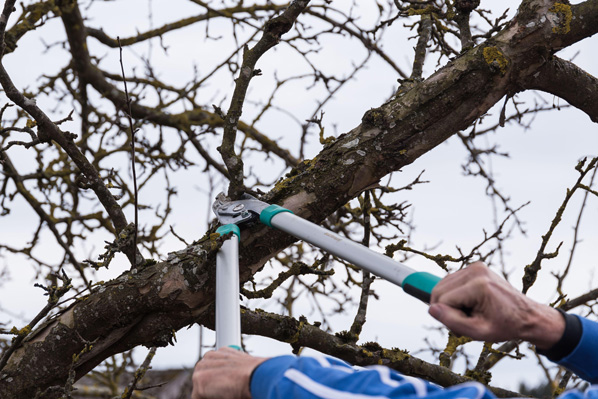
“Prune apple and pear trees. Don’t cut too much off, as you don’t want to put the tree under stress and you don’t want them to produce a load of top growth. Ideally you’re looking for an open goblet shape, with a hand span between each branch. The easiest way to think about it is that the pruning allows a bird to be able to fly through the branches.

“We always start on the laterals on the outside, taking them back to one to two buds. Go for the rule of dead, diseased, damaged and anything that’s crossing. Go back, look at your shape, see what you think, and do it with care,” O’Neill advises.

Beginners should look at a pruning guide to ensure they don’t cut too much off, she adds.

Only prune currants and gooseberries once they are over two years old, she advises.

“Blackcurrants fruit on new growth, while red and whitecurrants fruit on old growth. Again, you’re just taking them back.”
Gardening McCarthy Holden

Use green manure

If you’ve grown green manure such as red clover or winter tares, make sure you dig that in to the bed three to four weeks before use. Green manure is any kind of crop which covers and protects the soil, improving soil structure and nutrition.

“If you are going to direct-sow (crops) in March, make sure you’ve dug in your green manure in February,” O’Neill suggests.

If you’ve used rye grass as a green manure, it can inhibit seed germination so wait a month after digging it in before you start sowing, she adds.

Gardening McCarthy Holden
Photo: Green Manure Crop

Mulch your soil

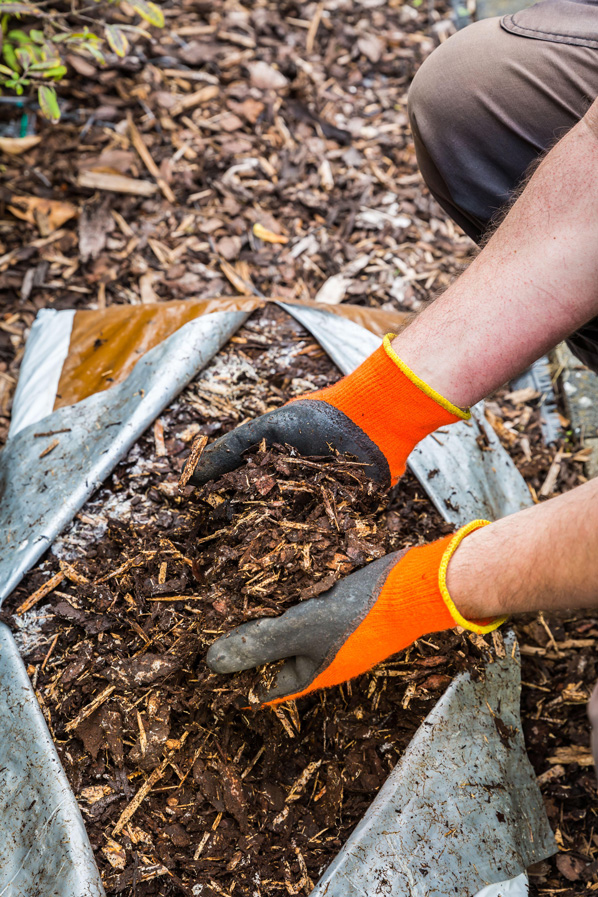
“It’s always a good idea to regularly mulch your soil to protect it,” O’Neill advises. “If you have your own compost, use that, or alternatively you can get green compost from local authorities.”

Clear your pond

If your pond has been netted over winter, remove the netting and clear any debris including leaves, and cut back pond plants which have died off.

Plant tender perennials in pots for summer blooms

February is an ideal time to get a head start and plant tender perennials like dahlias and begonias in pots, says Hannah Rowson, garden centre manager at bulbs and perennials specialist J. Parker’s.

“By starting these indoors, you can encourage new growth while waiting for warmer weather to transplant them outdoors in spring,” explains Rowson.

She advises: “Make sure to place your tender perennials somewhere safe from frost and with a bit of natural light, such as in a warm, light greenhouse, to promote the growth of new shoots.”
Gardening McCarthy Holden

Divide snowdrops

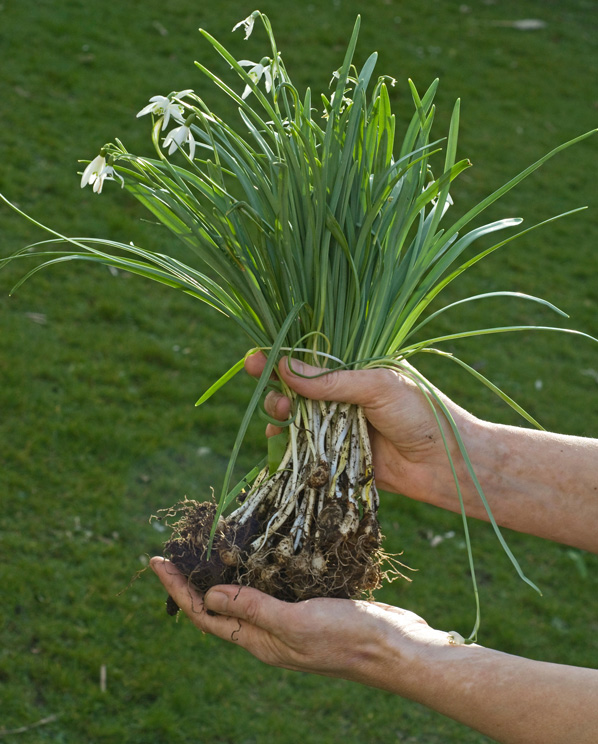
“It is best to divide snowdrops now to help them naturalise over time, leading to more flowers the following year,” Rowson advises.

“You can use a shovel or trowel to lift the flowers out of the ground with their roots, then split through the roots to create two clusters. Plant these halves in your chosen location and watch as they form new colonies in new patches of your garden, creating a beautiful perennial display for years to come.”
Gardening McCarthy Holden

Cut back group 2 and 3 clematis

Group 2 clematis flower on old wood in late spring or early summer and again in late summer. They include large flowered types including ‘Nelly Moser’ and ‘The President’. Cut them back in late winter or early spring to a pair of strong healthy buds, leaving around 1m on the plant (or around 30cm if it is a newly planted clematis).

Group 3 clematis including ‘Perle d’Azur’ and ‘Jackmanii’ bloom from summer to autumn and should be cut back in February or March to a pair of strong, healthy buds around 30cm (12in) above soil level.

Tidy deciduous plants

After leaving stems on herbaceous perennials such as veronicastrum, echinaceas and rudbeckias to provide habitat for overwintering insects and seeds for birds, you can now cut them down, as new shoots may already be appearing at the base, O’Neill advises. Climbing roses can also be pruned in February.

Finish planting bare-root trees and shrubs

It’s the last chance to plant bare-root trees, roses and shrubs which you’ve bought in their dormant state, unless the ground is frozen, O’Neill advises.

.

Carry out repairs

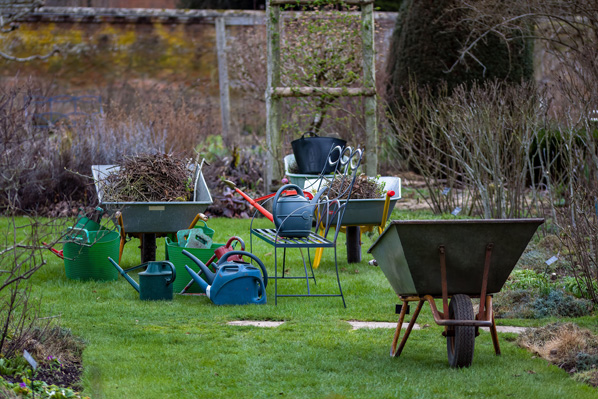
Tidy your shed, repair your tools and make good any structures such as trellis and fencing, which may have come loose or been damaged in the winter, O’Neill suggests. Climbers such as clematis and honeysuckle will particularly benefit from this, so you can tie them in as they grow in the spring.
Gardening McCarthy Holden

Stake your plants

“Get all your staking done now if you know what plants are going to need support, particularly in the ornamental garden. We have a plant called baptisia which goes absolutely crazy and it’s much better to stake it now that to try to do it in the growing season.”

Clean the greenhouse

Wash the glass and hose down any crevices because lots of pests may be sheltering there, where it’s warmer. Pick a sunny day, so if you are housing plants you can put them out for a couple of hours while you clean, and dispose of dead plants, which you can put on the compost heap, O’Neill advises. Wash down staging and clean dirty pots.

Tend to containers

Dispose of dead container plants, but if you have permanent specimens which were planted in fresh compost last year, take off the top layer of compost and top dress them with a new layer, O’Neill suggests. If you liquid feed through the growing season, your plants should be fine. Make sure your pots are still on pot feet so the moisture can seep through easily.

Cut back herbaceous perennials in pots, but leave evergreen pruning until spring, she adds.

Gardening McCarthy Holden

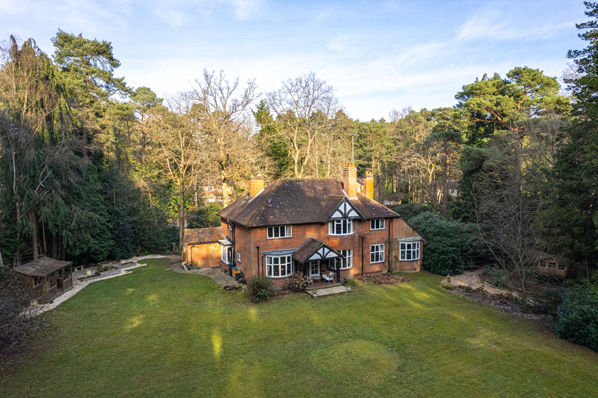
Looking for a Home With A Fine Garden?

Check out this four bedroom detached family home, crafted by the esteemed Pool and Son builders, set within the prestigious Blue Triangle area of Fleet and with a generous plot measuring in excess of 0.5 of an acre
Gardening Feature Property
Blue Triangle area of Fleet - Grounds estimated just over half an acre

Easy design tips to help you create a beautiful garden

Light, soil and what you want from your outdoor space are all important, says an expert.
As we look outside, urging winter to turn into spring, now is a good time to plan your garden, whether you just want a few changes or a complete makeover.

Garden design doesn’t need to be super complicated, because with some simple guidelines you could soon be relishing your outdoor space, says award-winning garden designer Pollyanna Wilkinson, author of How To Design A Garden, who has 400,000 Instagram followers and is host of The Ins & Outs podcast.

“One of the biggest mistakes people make is not spending enough time getting to know the garden,” she says. The light, border depth, soil and shape will all make a difference.

Here, she offers some design tips to help you get the most from your outdoor space.

Make your garden look wider

“If you have a long narrow garden, the worst thing you can do is run narrow borders down the side next to a strip of lawn because it’s going to turn it into a runway and highlight that it’s long and thin,” says Wilkinson.

Instead, feature your highlights across the garden by planting into it and a deep border at the back which brings your depth of field forward. If you have paving immediately outside the house, bring plants up to that paving across the garden, she suggests. You could then create a gap through to a lawn, or position a path and planting in the middle of the garden as a focal point.

“We’re trying to get you to move your eyes left and right, not down to the end. The trick is to bring the plants in.”

Plant deep borders

Make your flower borders as deep as possible because if they are under 60cm, you’ll only get one row of plants, which can feel accidental, she advises.

“Ensure you can get at least two or three rows of plants, in which will give you a much more interesting garden in terms of seasonality, but will also give you more depth even in a smaller space.”

Use large pots

“In courtyards or small gardens, get rid of your small pots because anything small in a small space feels like clutter. You’re much better off going with one or three really generous pots, I’m talking waist-high,” she suggests. “They can be narrow but if they are waist-high they feel intentional.

“And don’t shy away from putting small trees into small spaces. For urban gardens we use a lot of cornus, crab apples and Amelanchier lamarckii.”

Check the light

“Look at the light in the garden, which is something people can forget,” she advises.

“Focus on where the light falls at different times of day, because that is going to tell you what you can plant, as plants have different light needs.”

The light will also have a bearing on where you will want to sit, she notes.

“Some people like to sit out in the sun in the middle of the day. A lot of people might prefer to sit in the shade. Also think about it at different times of the day. We may want to have somewhere for a morning coffee that’s east-facing and a more comfortable area, like a sofa or bench, that is west-facing for evening sun or cocktails.”

Consider how you want to use your space

“How do you want to use your space and what’s realistic for your lifestyle?

“It depends on where you are in life. If you’ve got young kids or pets, you’re going to use your garden in quite a different way to if you’re older or don’t have kids yet, and you’re using it to entertain or to actually garden,” she observes.

Make a list about what you want and what you can realistically do with the time available, Wilkinson suggests.

In small spaces…

“Be strict with yourself, because if you’ve got a small space, it’s more limited as to what you can do.

“Do one or two things really well. Maybe don’t have a dining table outside. If you’ve got your kitchen right next to the house, you can still eat inside with the doors open.

“Instead, have something comfier, like a sofa or chairs out there, so that you’ve got more versatile space.”

Look at landscaping

“A mistake a lot of people make is to put the patio right by the house and nothing else, so you’ve got this hardscape by the house. We try to find at least one extra place in the garden which is a destination away from the house.

“We can all be guilty of sitting near the house, looking at the garden, rather than being in the garden. You could have a seating area at the end of the garden.

“It might just be on gravel, a few slabs or even on grass, but you could be on a bench in the garden that enjoys sun at a different time of day, or tucked away under a really beautiful tree.”

Repeat-plant

Repeat plant and cluster, always with perennials and also with shrubs, she suggests.

Repeat plants such as clumps of salvias at intervals down a border, spaced between one and two metres apart depending on the size of your border, in clusters of odd numbers (such as three or five), using fewer species but repeating at intervals, to create a fluid scheme.

Hide your shed

If you can’t move your shed to a spot where it is out of the eyeline of your main windows, put it to the back of the garden and plant hedging in front of it, which creates a fake boundary. You may want to also plant other things in front of the hedge.

Remember the seasons

Create a spreadsheet or list of plants you like which will suit each season. Don’t forget winter structure or autumn colours, she says. You want the garden to be interesting year-round, not just in summer.

How To Design A Garden by Pollyanna Wilkinson is published by DK on February 6, priced £22.

Landlords Love…..

We think Landlords will love our lettings services, because in addition to great property marketing and competitive fess we also have a great team of experienced personnel looking after their rental properties.

A Landlord Focused Agency

At McCarthy Holden our landlords are regarded as one in a million, perhaps unlike in the very large corporate agents where a Landlord could easily become just one in a million.

Because our Landlords are looked after by real people who live and work locally, people who you can speak to on the phone and people who are taking the responsibility of looking after your property, our Landlords experience the difference and benefits.

Our professional team are always available by phone or email and guess what, there are no online bots or automated telephone systems to get in the way of good communication.

So if you are a Landlord who wants one to one reliable service, telephone 01252 622550 for a free property valuation and advice about renting property.

×
Find a Property
M
Country & Equestrian
By submitting this form, you agree to McCarthy Holden using your personal data in accordance with our Privacy Notice.