7 of the best ways to adapt your home for multigenerational living

Multigenerational living is on the rise – Lisa Salmon asks experts about the best way to adapt a home so all family members can live happily together.

Multigenerational living is on the rise – although by how much depends on which research you choose.

A new study by homelifts specialist Uplifts found 49% of 2,000 UK adults questioned lived in households spanning multiple generations, and more than a third (34%) of these households had made changes to better accommodate all the generations of their family.

However, the Centre for Ageing Better points out that in the most recent Census, in 2021, just 2.1% of households in England and Wales were multigenerational, an increase from 1.8% in 2011.

But whatever the true figure, academics believe households that span multiple generations are definitely an increasing trend. Prabash Edirisingha, a consumer researcher at Northumbria University who studies family consumption patterns across generations, says: “My research into multi-generational households reveals they are now the fastest-growing household type in England and Wales.

“While the emotional and economic advantages are undeniable, families must remain realistic about the challenges. Different generations often bring diverse expectations, lifestyles and values into shared spaces – differences that can lead to tension if not thoughtfully managed.”

While the increase in multigenerational living is, in part, due to financial necessity, with many young people unable to afford to buy their own homes and their grandparents not wanting to spend their savings on care home costs, the Uplifts research found there are other reasons for the increase too.

Although saving money was a key advantage for 39% of those questioned, more than half (55%) cited stronger family bonds as the primary benefit.

Kate Sheehan, an occupational therapist specialising in housing adaptations, stresses that the key to successful multigenerational living is not only taking what each member of the family wants and needs into consideration, but also being aware of how those needs might change over time.

“Achieving positive and harmonious multigenerational living begins with understanding the unique needs of each family member, anticipating future changes, and responding with both functional and attractive design solutions,” she says. “It’s essential that everyone in the household can access all areas of the property, ensuring it truly feels like home for all.”

Millie Brown, deputy director for homes at the Centre for Ageing Better, explains that only one in eight homes in this country currently has all four key accessibility features for elderly family members: namely a ground-floor toilet, sufficiently wide doorways, circulation space for a wheelchair, and no steps at the front door.

“Multigenerational living, and supporting older people to age in place, can be hugely beneficial to families and can help to reduce pressures on social care,” she says.

“But many families will find a key barrier to establishing these arrangements is the unsuitability of their own home for older people.”

She also points out that financial support for homeowners who want to adapt their homes for multigenerational living has declined substantially in recent years.

“The other barrier many people are likely to find in creating a multigenerational home is the support on offer to make improvements and adaptations,” she says. “Grants for home improvement support have shrunk by more than £2 billion over the last decade, and the range of support available to people is variable from one place to another.

“We need a network of good home hubs – local one-stop shops offering comprehensive advice and support on all aspects of home improvement.”

Finances permitting, Sheehan says the most common and most necessary adaptations for a multigenerational home are…

1. Wider doorways

If a family member needs a wheelchair, widening doorways will make life at home much easier.

“Installing wider doorways markedly improves movement throughout the house, not only for accessibility, but also for practical tasks like moving furniture,” says Sheehan. “Such thoughtful choices enhance comfort and convenience for everyone.”

2. Good lighting

While younger members of the family might prefer more subdued lighting, particularly when they’re entertaining friends, brighter lighting is a necessity for older relatives whose eyesight may be failing, so bright lights with a dimmer switch, or plenty of lamps that can make a room brighter, may work for everyone.

“Proper lighting is crucial, especially in spaces like staircases and bathrooms, where slips and trips are common hazards for both young and old,” points out Sheehan.

3. Downstairs bedrooms

The Uplifts research found 28% of families questioned had added ground-floor bedrooms to their home for an elderly relative. But such a modification goes hand-in-hand with adding a downstairs toilet if the home doesn’t already have one.

4. Separate living rooms

Nearly a third (32%) of the multigenerational householders surveyed had created separate living areas in their homes – modifications that provide privacy and independence for both young and old, if space allows it.

“In a multigenerational household, personal space is crucial for individual comfort and overall harmony,” Sheehan explains. “Even when space is limited, providing a dedicated area, such as a chair in a bedroom, can greatly enhance the household’s ability to coexist successfully.”

5. New bathroom/bathroom adjustments

The Uplifts research found one of the most common adaptations was a new bathroom, which was added by 32% of multigenerational households. But if a whole new bathroom is too expensive, Sheehan suggests installing a wetroom-style shower in your existing bathroom, and reinforcing walls to enable future fitting of grab rails (which 22% of the survey respondents said they’d installed), or a wall-mounted shower seat.

She says: “Whenever possible, fit the bathroom door to open outwards – this small adjustment can make a significant difference in an emergency, providing swift access if assistance is needed.”

6. Adding a lift

Because elderly family members may struggle with stairs, adding either a stairlift or a home lift is the ultimate accessibility feature, added by 15% of the multigenerational homeowners surveyed.

“Stairs can become challenging with age, whether due to physical limitations or simply fatigue from an active daily routine,” comments Sheehan. “Installing a homelift or stairlift can greatly ease movement between floors. And these solutions aren’t just for older adults – a lift can be invaluable for gently transporting a sleeping child upstairs without disturbance, demonstrating how inclusive design supports the needs of every generation.”

7. Kitchen modifications

Older people with mobility/balance issues may struggle to stand while cooking, so consider installing a lower worktop to allow them to sit and help with food preparation, says Sheehan, who also suggests fitting an instant hot tap. “This will reduce the need to lift and carry hot water – not only is it quicker, it’s more energy-efficient.”

Due To The Rental Market Soon

Rental preview Hill Front view

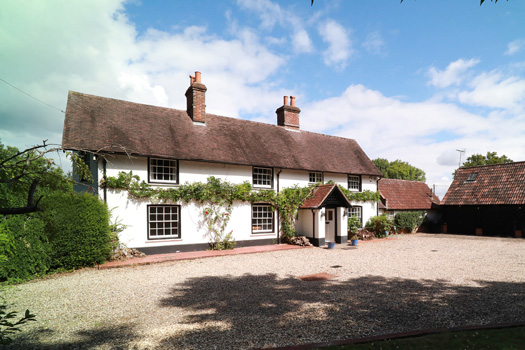
This is a preview of a wonderful country house on the outskirts of Hartley Wintney.

The property is due to the market soon at an anticipated guide of £4,000 p.c.m. rental (plus additional fees).

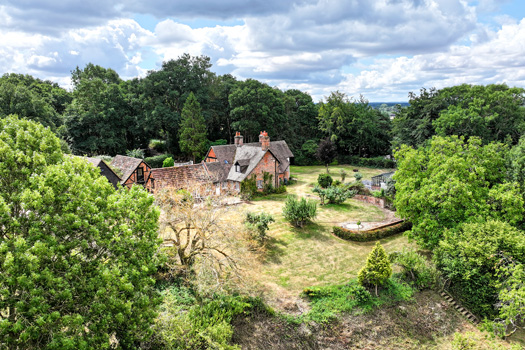
The views from the rear of the property are fantastic as you can see from our preview video.

The location is highly sought after and we recommend an early viewing, so please telephone out lettings team on 01252 622550.

Estimated rental guide £4,000 p.c.m. and additional fees will apply including holding deposit £923 and 
security deposit £4615

This is a substantial detached period home with a wealth of character offering flexible accommodation and far reaching views of surrounding countryside

The gated entrance leads to a gravelled driveway offering ample parking and access to 2 garages (please note the 3rd garage and annexe above are not included in any tenancy)

The entry hall offers a good size coat/boot cupboard and leads into a formal entry area/sitting room with wood burning stove. This leads to a further sitting room with feature fire and French doors overlooking the gardens.

There are wooden steps leading to a study area and the eat in country style kitchen is found beyond and offers an oil fuelled range stove, gas hob, electric oven and under counter fridge.  There is also access to a cellar.

To the rear of the kitchen there is a utility room with space for a washing machine, tumble dryer and fridge/freezer. Beyond this there is a shower room and good size family room with door to the rear patio and gardens.

Upstairs the property benefits from 4 good sized bedrooms and has been re-carpeted. Bedroom 2 benefits from an en-suite shower room, fitted wardrobes and access to the main bedroom. There is also a family bathroom with shower over the bath.

Outside there are formal gardens to the side and rear, offering views as they slope down towards adjacent fields. 

McCarthy Holden rental preview

The property is unfurnished and available now. 

Energy Efficiency rating –  E  /Council tax Band –  G  / Tenancy Length – 12 months

ADDITIONAL CHARGES

Security deposit – £4,615.00 (5 weeks rent), Holding deposit – £923.00 (equivalent to 1 weeks rent – Holding deposit deducted from 1st months’ rent due on successful completion of a tenancy, but non-refundable should a Tenant withhold/provide misleading information that may affect their application, or if they withdraw)

Further Tenant fee information available on; mccarthyholden.co.uk/wp-content/uploads/2024/07/Tenant-fees-new-tenancies.pdf

McCarthy Holden is a member of the Propertymark client money protection scheme, and also a member of The Property Ombudsman which is a redress scheme.


TELEPHONE 01252 622550 TO ARRANGE A VIEWING.

The rise of soft elegance and how to update your bathroom scheme

Made to relax and unwind in… think mini spa treatments with indulgent body ranges and a place to pamper, our bathrooms have become a haven for wellbeing.

Especially with our desire to escape the stresses of everyday life, investing in a little self-care, and creating the most calming environment with a luxe aesthetic is very of the moment.

And this is where the allure of soft elegance comes in, bringing your bathroom bang-up-to-date, and more characterful and charming than a minimalist approach which can sometimes feel clinical and harsh.

“Soft elegance focuses on creating spaces that feel inviting yet sophisticated, offering a softer lens through which to view minimalism,” explains Emma Freeman, brand and communications manager for Hansgrohe UK.

“It’s not about being showy or ornate, but rather subtle, luxurious, and warm – an ideal ambience for a bathroom that will help you end your day in a calmer way.”

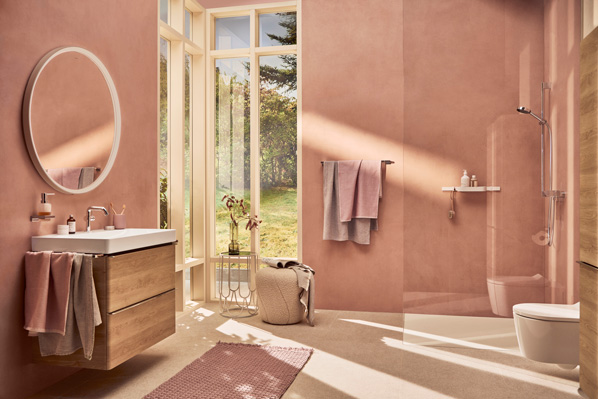
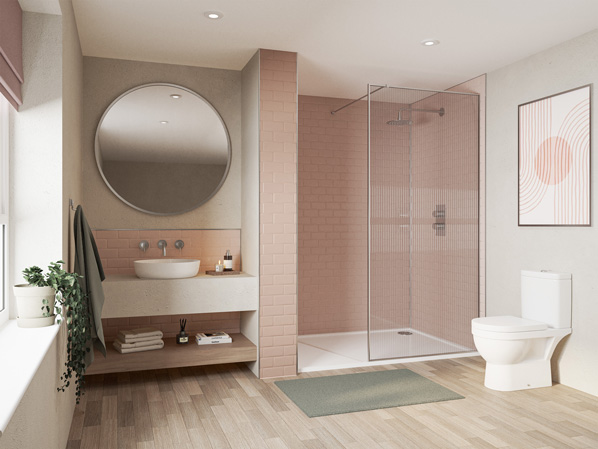
Header photo: Blush Pink Bathroom. Visit Hansgrohe to find your nearest showroom partner. Hansgrohe/PA.

The Fine Cotton Company/PA.

Start with colour

Soft elegance bathrooms are about serenity over statement, highlights Freeman. “They’re designed to make you feel relaxed and refreshed, using tactile materials, subdued colour schemes, and quietly luxurious finishes.

“This is where spa meets minimalism… soft elegance creates an aura that’s calm and space-enhancing, ideal when you want a bathroom that embraces overall wellness.”

What’s great about this trend is it can work just as well in large bathrooms, as it can in cloakrooms and en suites, says Freeman.

“The cornerstone of soft elegance is a calming colour palette. Muted tones like soft whites, creams, pale greys, blush pinks, and gentle blues all create a serene backdrop that promotes relaxation.”

She continues: “Avoid harsh, bright colours that can feel jarring. Soft colours create a more spacious feel and provide a backdrop for soft textures and shapes.”

Tone-on-tone layering with subtle shade contrast can also add depth without being too overstated, suggests Freeman. “To incorporate a little more personality, you could also use muted pastels as accents, such as lavender or a dusty blue.”

Lighting is important here too, she says. “Choose warm-toned LED bulbs that mimic natural light to create that cosy atmosphere, which is so key to the soft elegance trend.”

Wet-wall Tile Collection in Blush - Bathroom Wall Panels - Wetwall/PA.

Thoughtful design choices

Under-consumption has been creeping into our vocabulary for some time now, notes Freeman, and says the ‘less is more’ philosophy is central to the soft elegance aesthetic.

She encourages a thoughtful approach to incorporating different elements that support a sense of wellness and quiet sophistication.

“Minimalism is key to this trend, but it has to be done in a softer, more organic way rather than traditional minimalism which is more sterile.”

Think about tapping into minimalism by clearing away countertop clutter and opting for hidden storage, suggests Freeman. She also advises keeping the floor space uncluttered: “Floating vanity units and ceramics that are wall-hung are a great way to lean into soft elegance.”

You want every element to feel intentional, but never excessive, she explains. “For example, bathroom furniture with a handless design, as well as soft colours in matt finishes like sandy beige and natural oak fit well into this trend.

“Internal drawer separators for your bathroom furniture keep countertops clutter free and organised. While frosted or fluted glass screens, used to zone off a shower or toilet, add just enough privacy while enhancing the room’s overall sense of calm,” she adds.

To embrace soft elegance, she says to think about incorporating natural materials that will add to the serenity. “Natural stone or marble with gentle veining, will create a timeless, organic feel,” suggests Freeman.

“You can add warmth with wood accents in light oak or walnut, and opt for matt finishes on tiles and taps to create a grounded, understated aesthetic.

“Soft textiles, such as waffle-weave towels, linen shower curtains and plush bathmats will complete the look, adding layers of comfort and texture.”

Good-Home Kentia Bathroom Furni-ture - GoodHome/PA.

Sustainably sculpted

Other elements to consider are the smaller, finer details, such as accessories, showers and taps…

“Incorporating brassware with gentle curves and smooth, rounded edges brings a sense of grace and flow to your space,” suggests Freeman. “Every detail matters, from the shower head to the drain, to create a cohesive and thoughtful design that feels as good as it looks.”

She advises opting for fixtures in finishes like brushed bronze or nickel, polished gold, and chrome, to complement muted colour palettes and soft textiles.

“When it comes to taps, steer clear of harsh, boxy designs,” underlines Freeman. “Instead, choose cylindrical taps with flowing spouts and tactile handles that exude quiet luxury.”

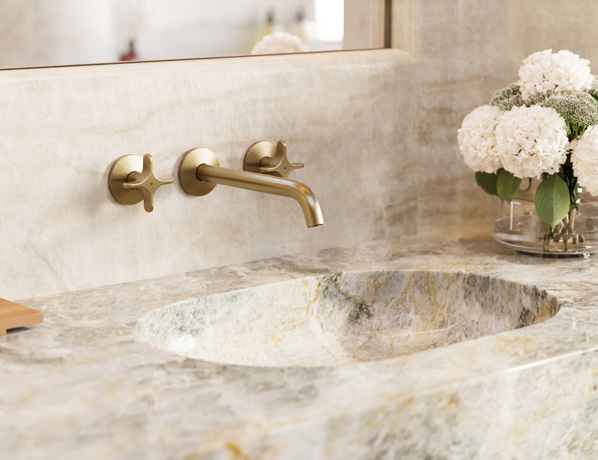
She says this approach isn’t just about aesthetics; it’s about creating a space that nurtures long-term wellness for both the environment and those who inhabit it. “Think wall-mounted taps above oval basins, or mirrored shapes that echo across the room, creating a harmonious balance.

“For the shower, subtlety is key… select designs where nozzles are discreet, allowing water to cascade as if emerging from a cloud. A matt spray disc adds an understated sophistication, perfectly embodying this trend’s ethos of refined simplicity.”

AXOR One 3-Hole Basin Mixer Tap - AXOR/PA.

A wellness space

“The soft elegance trend transcends fleeting fashion,” highlights Freeman. “It’s a lifestyle choice that celebrates sensual shapes, sustainable materials, and the enduring beauty of thoughtful design.”

“Aligning with the broader movement toward wellness and sustainability, soft elegance certainly has longevity – and likely to evolve towards the use of eco-friendly materials and modular furniture in years to come,” adds Freeman.

Editorial By Sam Wylie-Harris, PA

Emma Freeman - Hansgrohe/PA.

How to fast-track your home extension

If you’re in your forever home, planning your dream extension for indoor outdoor living, or considering a loft conversion, this could be the perfect time to make it happen.

Thanks to recent changes to planning rules, many homeowners can now extend their homes more quickly – often without needing full planning permission at all.

These updates to permitted development rights (or PD rights) make it simpler to carry out common improvements, says Simon Rix, planning expert for the Homebuilding & Renovation Show and director of Planix.UK Planning Consultants, provided you follow a few key rules.

To put you on the front foot, Rix explains what you need to know – and how to avoid common pitfalls which can slow things down…

What’s changed in the planning system?

In recent years, the government has gradually expanded what’s allowed under permitted development, outlines Rix. “This means you can carry out certain types of building work without needing full planning permission – cutting down on paperwork, delays, and thus costs.”

Key recent changes include…

“More generous size limits for single-storey rear extensions – up to six metres for a semi-detached home or eight metres for detached, under the neighbour consultation scheme,” explains Rix.

“Loft conversions with rear dormers are now allowed in most cases, up to 40 cubic metres for terraced houses or 50 cubic metres for detached/semi-detached homes.

“Outbuildings and garden rooms, such as offices or gyms, can be built without planning if they meet height and use restrictions.”

He says side extensions are also allowed in many cases, as long as they’re single-storey and modest in scale.

However, not every home qualifies. “If your property is listed, in a conservation area, or subject to past restrictions, permitted development may not apply,” Rix warns.

What you can do without full permission

If your home benefits from permitted development rights, you may be able to do the following…

“Build a single-storey rear extension of up to three metres deep (four metres for detached homes) under standard PD, or up to six to eight metres under the larger extension scheme,” he explains.

“Convert your loft into a bedroom or home office, including dormer windows to the rear roof slope.

“Add a garden room or office, as long as it’s single-storey, used for incidental purposes (not a separate residence), and doesn’t take up more than half your garden.”

Rix continues: “Create a side extension that’s single-storey and no more than half the width of the original house.”

As he points out, all of this must be done within certain height, volume, and boundary rules. “So it’s still important to double-check the technical details before you start building.”


How to fast-track your project

Even though you may not need full planning permission, it’s still essential to follow the correct process to keep things smooth…

Confirm your PD rights: “Check whether any previous planning permissions or local restrictions remove your rights to extend under PD,” advises Rix. “This can be done via your local council’s planning portal or with professional help.”

Submit a lawful development certificate (LDC): “This isn’t mandatory, but it’s strongly recommended,” underlines Rix. “It’s a formal confirmation that your plans meet PD rules, and it’s useful when selling your home or dealing with mortgage lenders.”

Use the neighbour consultation scheme: “For rear extensions that exceed three metres (terraced/semi) or four metres (detached), you’ll need to notify neighbours and submit basic plans for prior approval,” says Rix. “This is quicker than full planning, and handled by the council in 42 days if there are no objections.”

Get the measurements right: “A few centimetres over the limit can mean your build doesn’t qualify,” he warns. “Work from accurate plans and, if possible, get a professional to check everything before you begin.”

Consider the build itself: “Even if planning is easier, you’ll still need to comply with building regulations,” explains Rix. “That means proper insulation, fire safety, structural checks, and potentially drainage and ventilation considerations.”

Less red tape, but still rules

The recent changes to PD rights make home extensions more accessible than ever, highlights Rix, but says that doesn’t mean anything goes…

“You still need to work within clear rules, and mistakes can be costly.

“The good news? With a bit of planning upfront, you can avoid unnecessary delays and unlock valuable new space at home,” says Rix. Whether that’s for family life, working from home, or just more room to breathe.”

For more info visit homebuildingshow.co.uk

Simon Rix Planix.UK Planning Consultants Ltd/PA.

Talk To An Estate Agent

If you are planning an extension and your purchased your property form McCarthy Holden, why not talk to them about your extension / improvement ideas and they will give you insights into what works and any potential enhanced property value.

10 ways to elevate your outdoor entertaining

Perfect your patio, terrace or garden with fashionable furnishings and serveware, says Sam Wylie-Harris.

With gorgeous weather putting the spotlight on indoor-outdoor living, throwing open the doors and prepping for summer soirées has lasting appeal, thanks to this slew of sun-kissed days.

So much so, if you’re spending a good chunk of your time in the garden, chilling out in the sunshine, barbecuing and entertaining family or friends, there’s always room for some stylish upgrades when you enjoy dining in the open air…

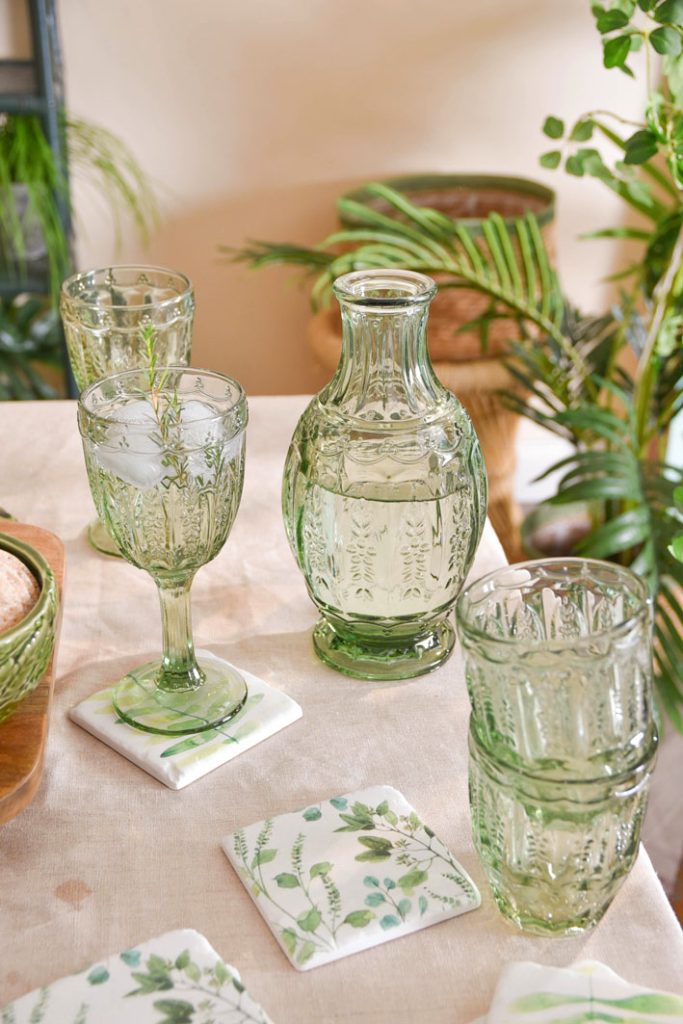
1. Wine Glasses – Green Pressed Goblets, £7.99 each, Glass Carafe – Green Pressed, £24.99, rest of items from a selection, Gisela Graham

We all love to drink with our eyes, and these cool green glasses will make your white wine spritzer taste even fresher.

2. VonShef 16-Piece Leaf Print Melamine Dinner Set, £22.99, VonHaus

With a pretty palm leaf print, this melamine dinner set has green leafy salads, exotic fruit plates and smoothies written all over it. Includes four dinner plates, side plates, bowls, and tumblers.

3. Mesh 4 Seat Outdoor Dining Set with Parasol, £249.50 (was £499), Dobbies Garden Centres

With summer parasols at a premium, this outdoor dining set should be snapped up. Featuring a round table and four chairs, the canopy will shade you from the sun and is tailor-made for a patio or big balcony.

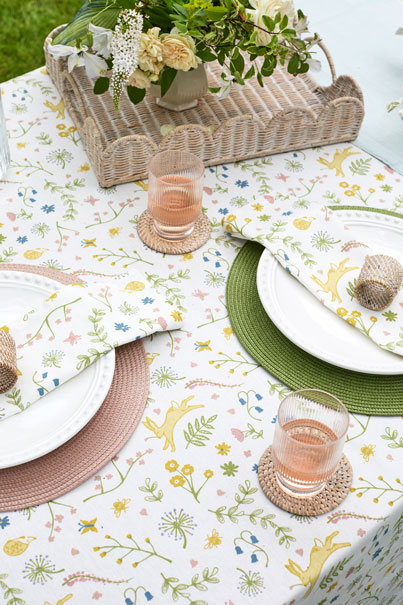
4. Meadow Tablecloth, (100cm x 100cm), from £21, Walton & Co

If you’re setting the stage for a summery cottagecore tablescape or complimenting a cottage-style garden, this cotton tablecloth with whimsy illustrations ticks all the right boxes.

5. Morso Grill 71 Table Outdoor Barbecue, £249, Direct Stoves

Depending on the size of your space, this portable grill makes a great centrepiece for chicken, veggie or seafood skewers – choose wood or charcoal. Made from enamelled cast iron to distribute and retain heat, it’s quick and easy to clean too.

6. Walnut Wood Fork And Spoon Set, £14; Walnut Wood Rectangle Trays, from £14 (Small), Bohemia Design Ltd

Rustic table settings with love this eco-friendly cutlery; crafted in Morocco from sustainable walnut wood, the trays compliment the range – and right on point for serving stuffed peppers or antipasti.

7. GoodHome Powell Black 4 Burner Gas BBQ, £200, Diy.com

If the thrill of the grill has passed you by, or your existing BBQ needs replacing, this keenly priced model should encourage the sizzling sound of burgers. Well-suited to smaller patio spaces, it’s easy to wheel around and electronic ignition system means no faffing around with lighters.

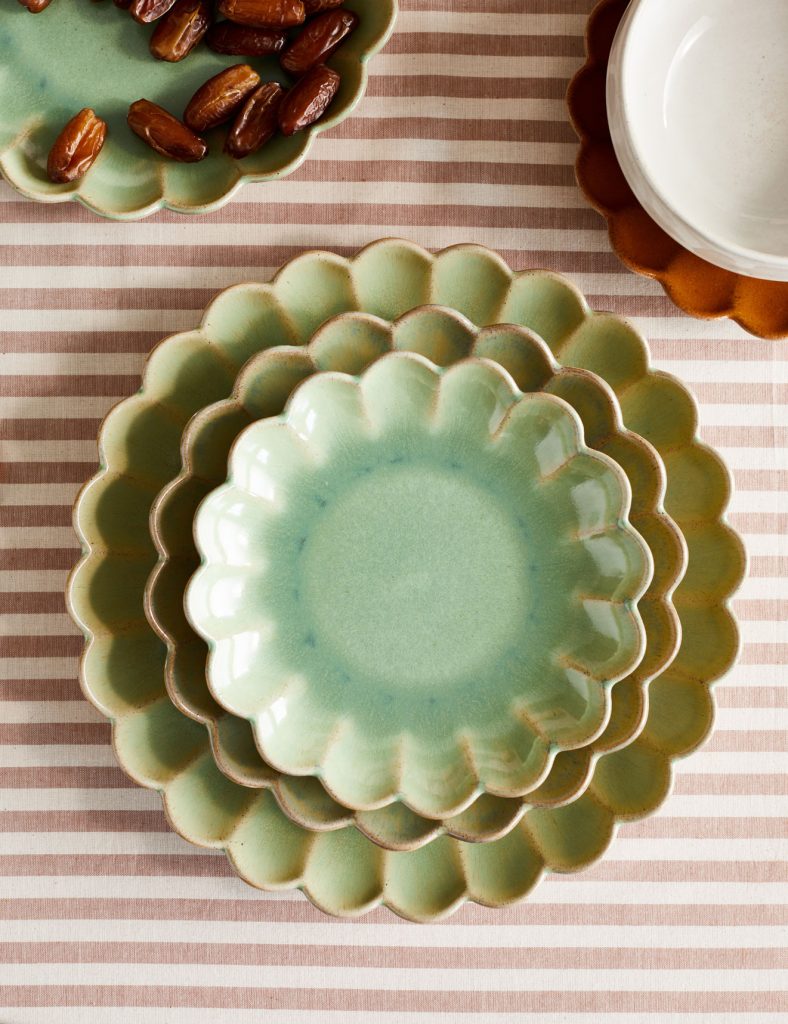
8. Marrakesh Olive Collection: Olive Green Side Plate, £14; Olive Green Dinner Plate, £19.50; rest of items from a selection, Rose & Grey

These pretty, floral plates have a boho vibe and can be mixed with old and new. Perfectly placed for avocado salads, houmous or dips… and terracotta tablescape.

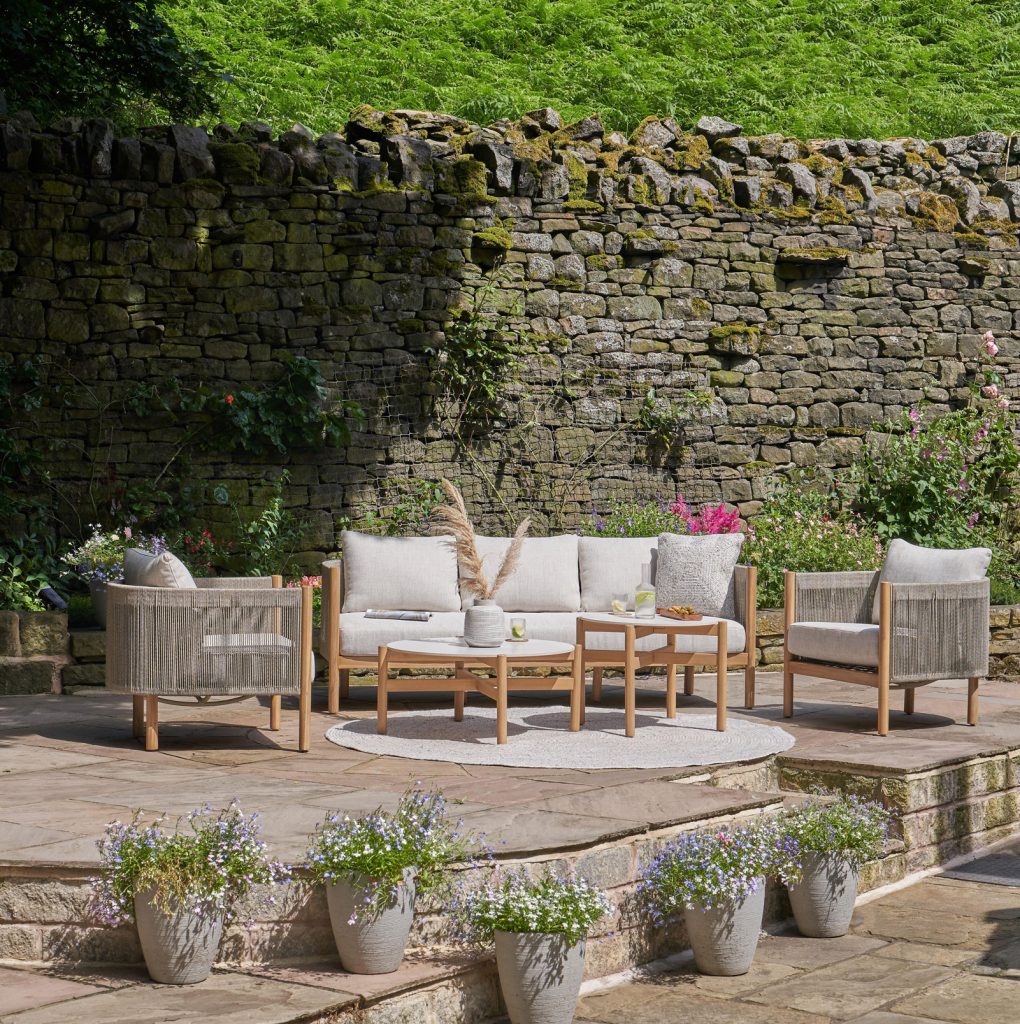
9. Leros Woven Outdoor Seating Set, £2,345, Ruma

For the look and feel of luxe, stylish outdoor sofas with comfy cushions and co-ordinating armchairs set the scene for garden parties or resting and reading… depending on your social calendar. With rope weave detailing and modern design, this set includes a sofa, two armchairs, season-proof cushions, small and large coffee tables.

10. Porto Lantern Duo with TruGlow Candles, £59.99 (Set of 2), rest of items from a selection, Lights4fun

When dusk falls, lighting can be make or break for an ambient scheme. With a matte black metal frame and flickering ivory flame, these LEDs will brighten those forgotten corners or cosy, conversation areas.

×
Find a Property
M
Country & Equestrian
By submitting this form, you agree to McCarthy Holden using your personal data in accordance with our Privacy Notice.