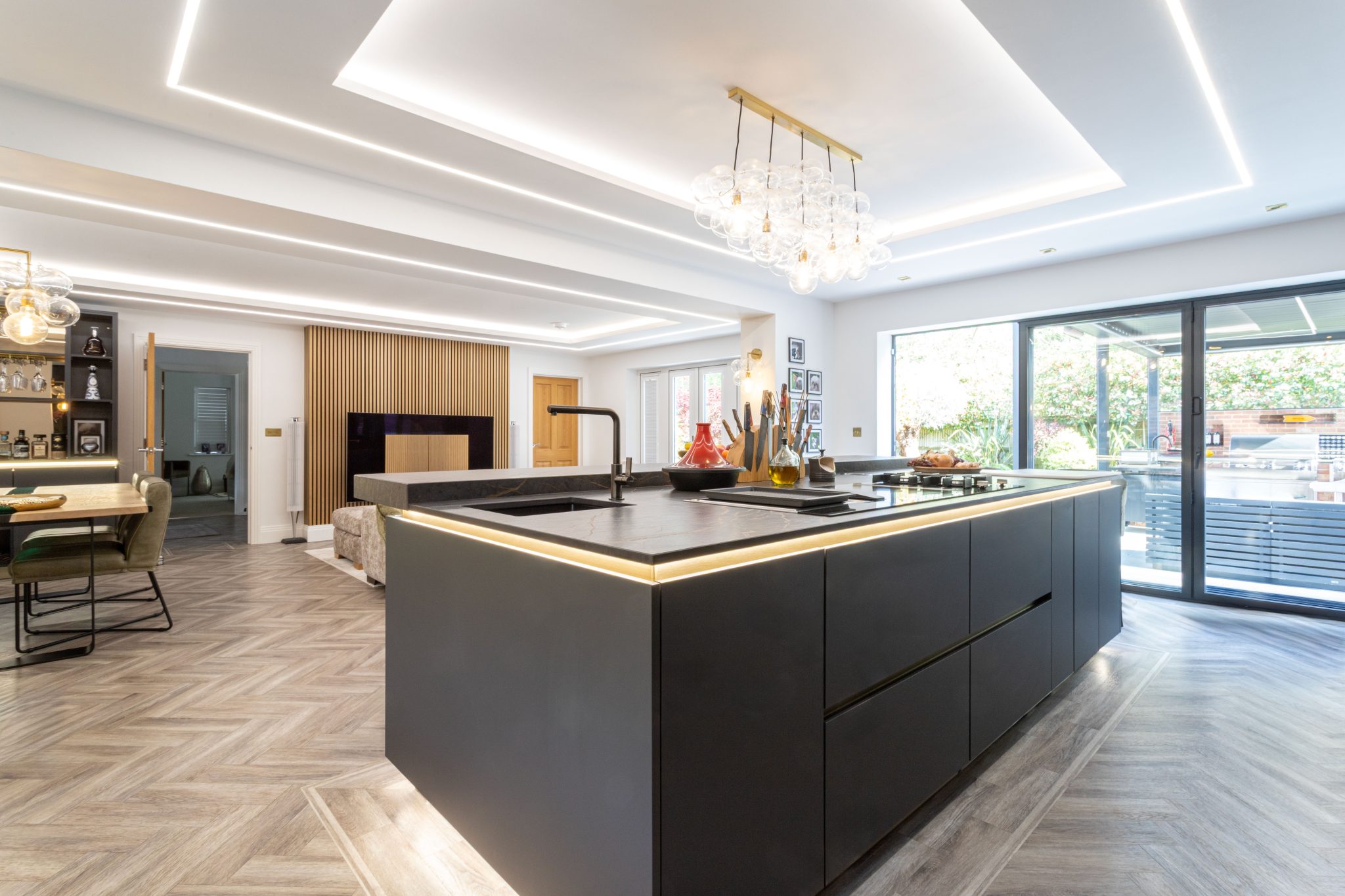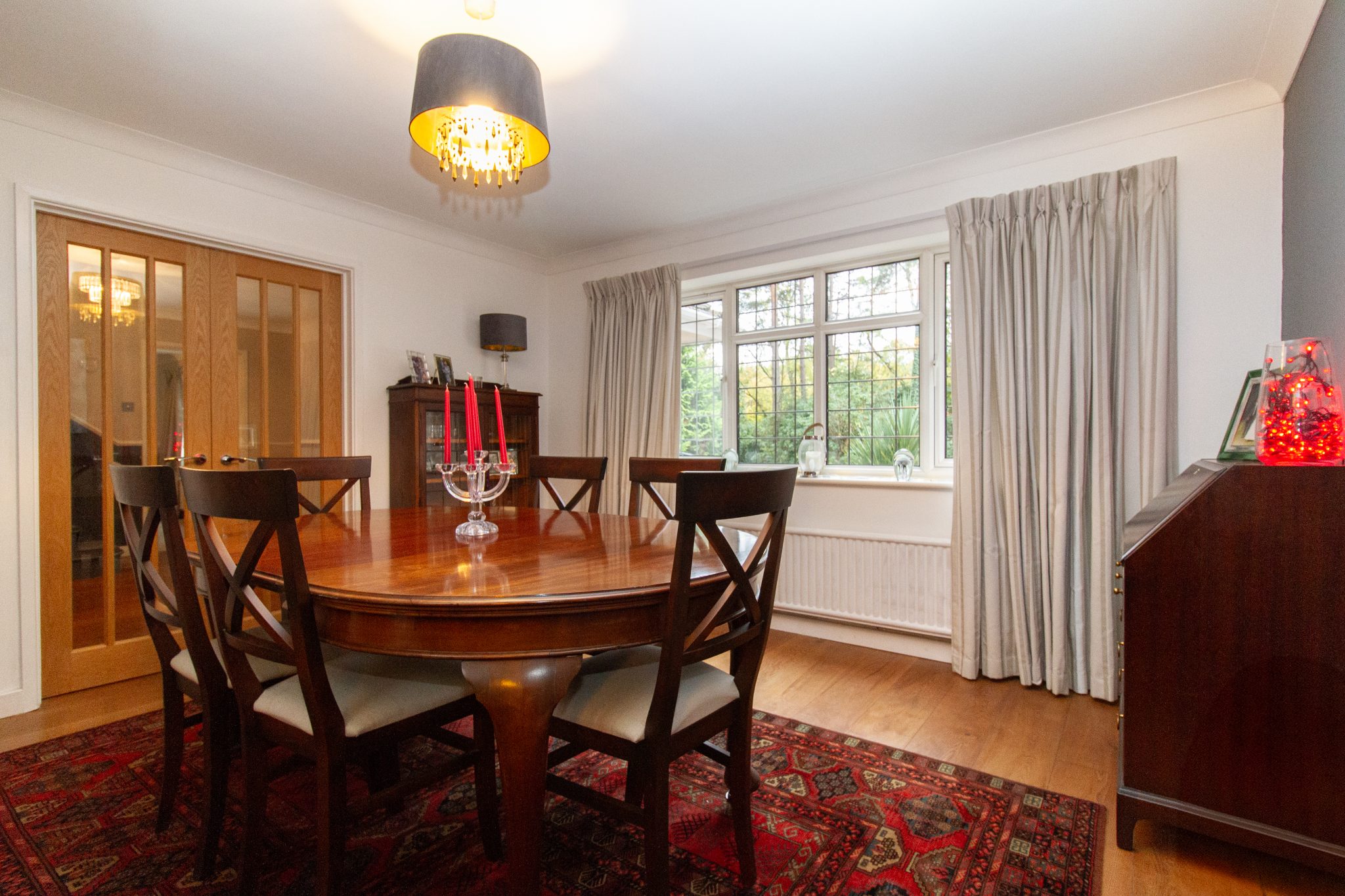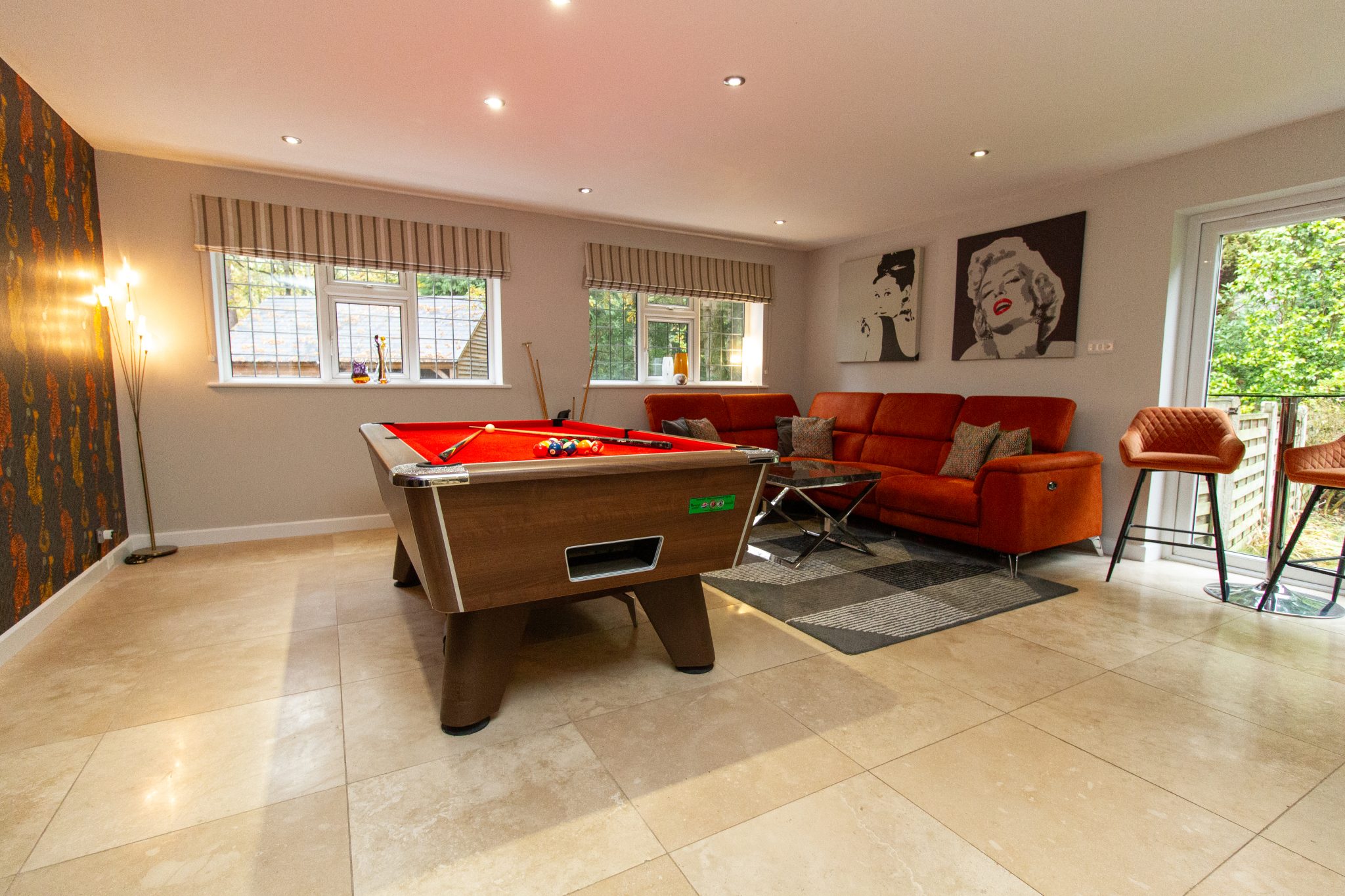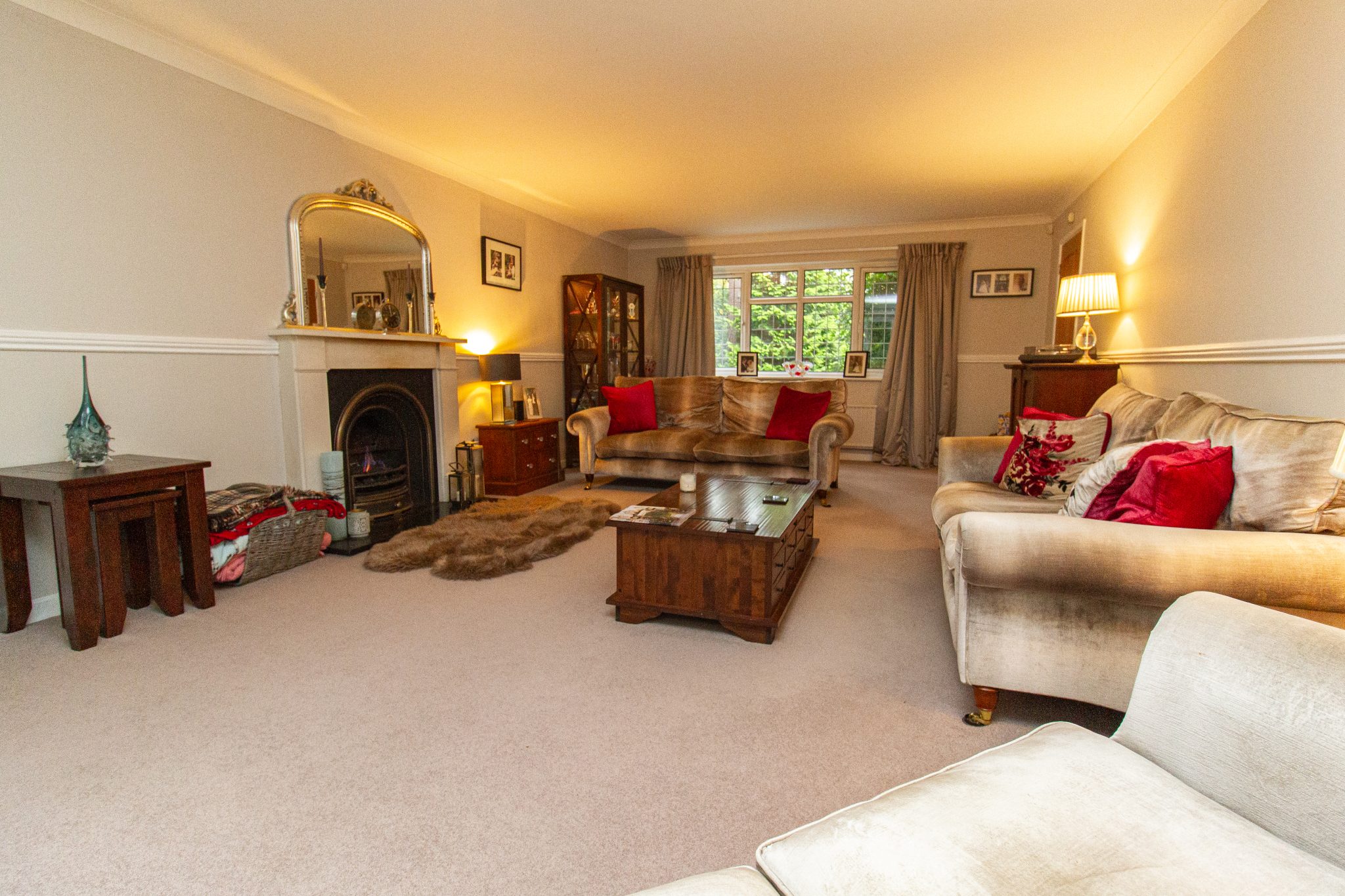
How the Colour Palette in Your Home Can Affect Your Mood

The colours you surround yourself with every day quietly influence how you think, feel, and behave. While furniture and layout shape function, colour shapes emotion. From calming blues to energising yellows, your home’s palette can either support your wellbeing — or subtly work against it.

Understanding how colour affects mood allows you to design spaces that feel intentional, balanced, and aligned with how you want to live.

Blue: Calm, Focus, and Emotional Ease

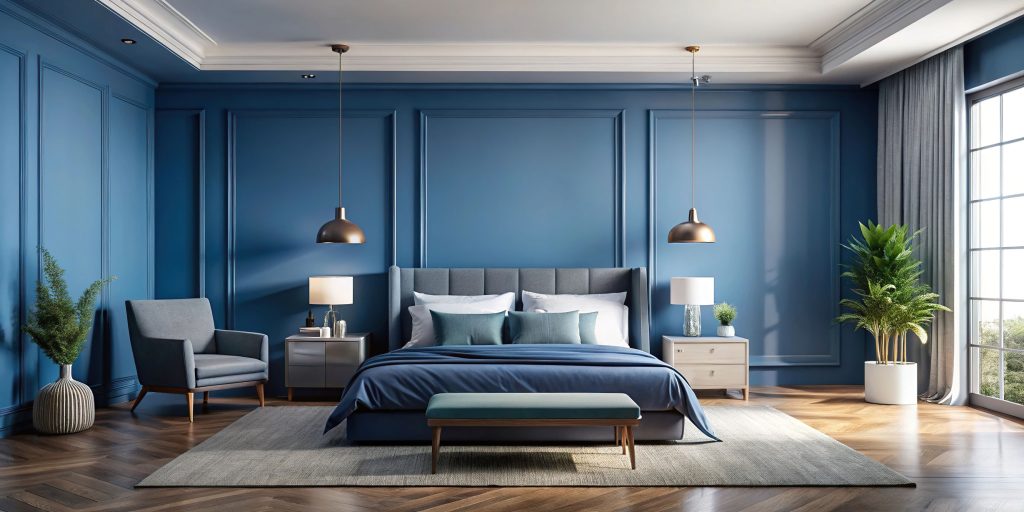
Blue is widely associated with tranquillity and stability. Lighter shades create an airy, open feeling, while deeper tones like navy feel grounded and secure. Psychologically, blue can slow the heart rate and encourage relaxation, which is why it works so well in bedrooms and bathrooms.

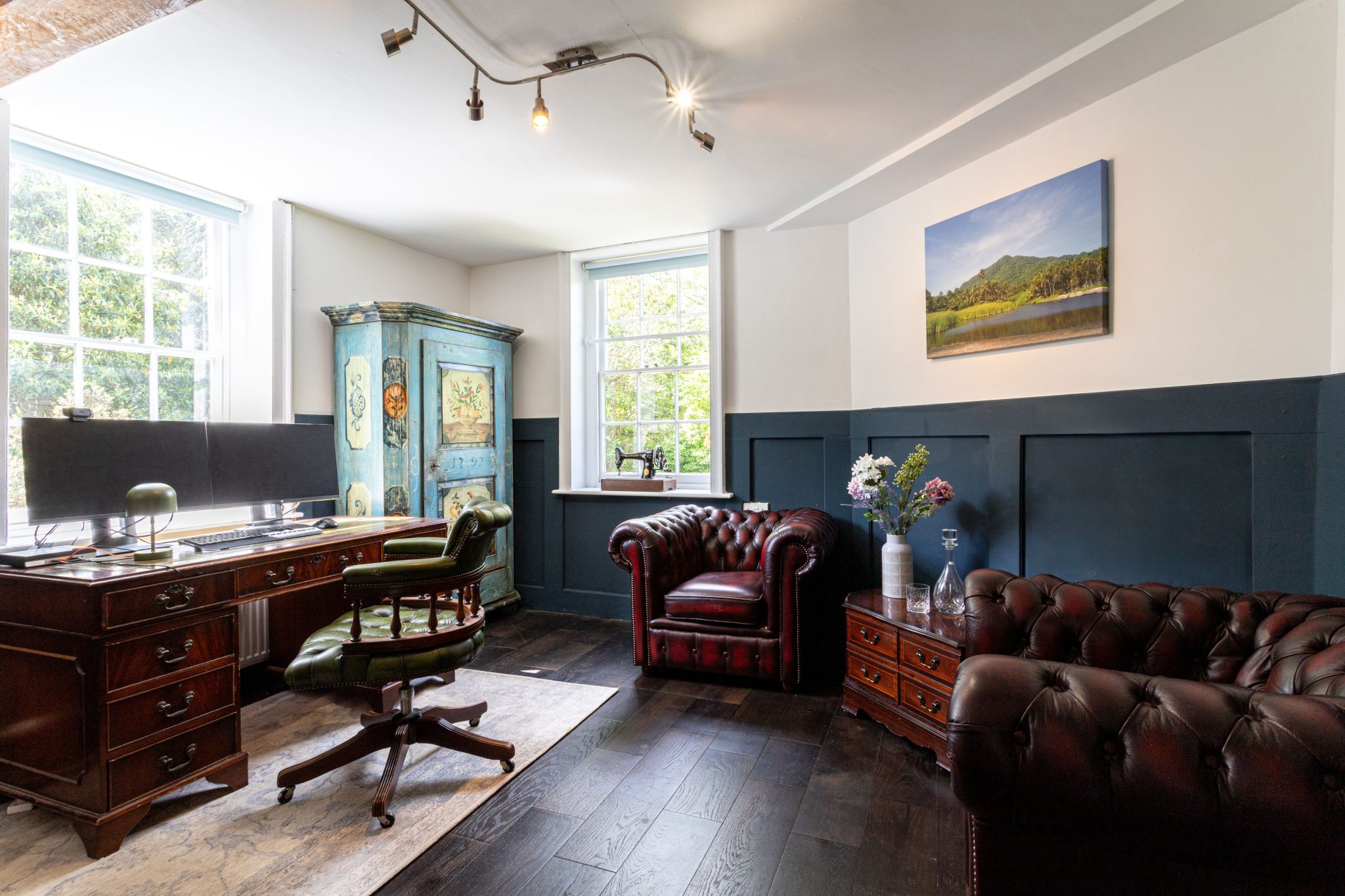
In workspaces, softer blues can also improve concentration and mental clarity. However, very dark or cool-toned blues may feel distant if not balanced with warm lighting or natural textures.

Yellow: Warmth, Optimism, and Energy

Yellow carries the warmth of sunlight and tends to evoke positivity and energy. In kitchens and dining areas, it can create a welcoming, sociable atmosphere. In creative spaces, it may spark inspiration and mental stimulation.

That said, intensity matters. Soft buttery tones feel uplifting and gentle, while overly bright yellows can become overwhelming over time. The key is moderation and thoughtful placement.

Green: Balance and Restoration

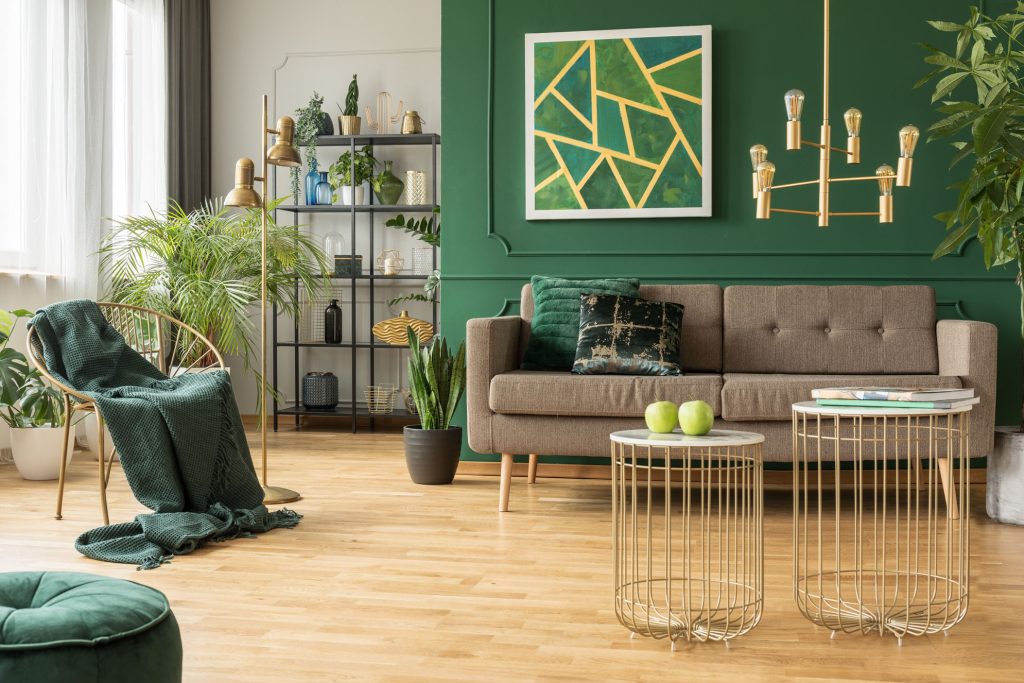
Green sits at the centre of the colour spectrum and is one of the most restful shades for the human eye. Because it is strongly linked to nature, it often promotes a sense of renewal and harmony.

Soft greens such as sage or eucalyptus can make a bedroom feel calm and restorative. Richer shades like emerald introduce depth and sophistication while still maintaining a sense of balance. Green is particularly effective in living spaces where relaxation and connection are priorities.

Red: Passion and Stimulation

Red is emotionally intense and physically stimulating. It can increase energy levels and encourage

conversation, which makes it well suited to dining rooms and social spaces.

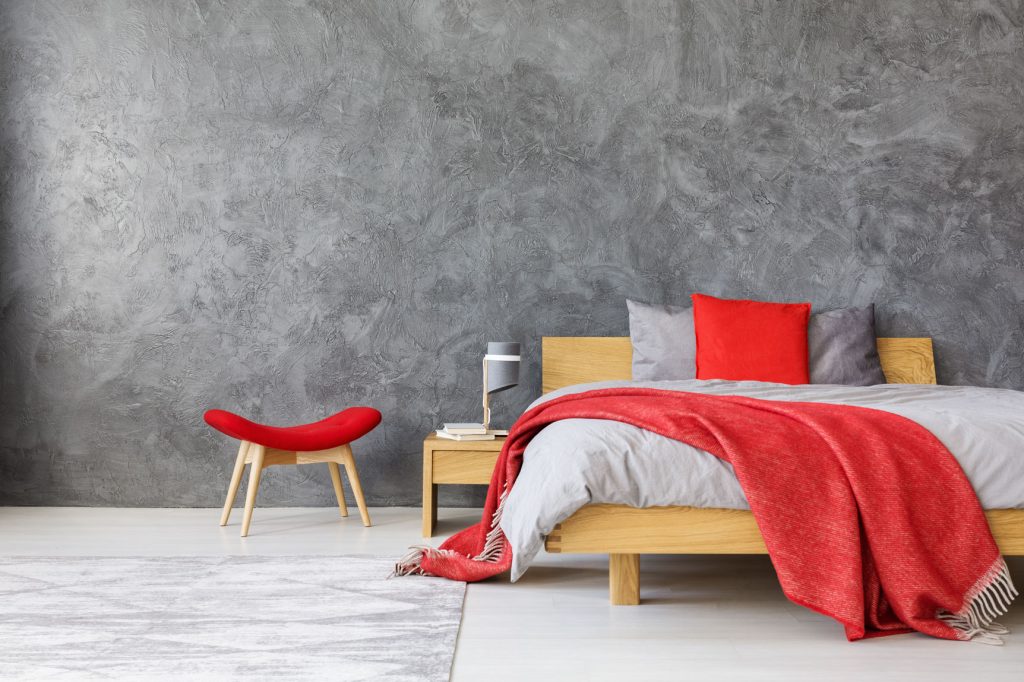
Because red is so powerful, it is often most effective as an accent colour. Used thoughtfully — perhaps on a feature wall or in décor elements — it adds warmth and vibrancy without overwhelming the room.

Neutrals: Space to Breathe

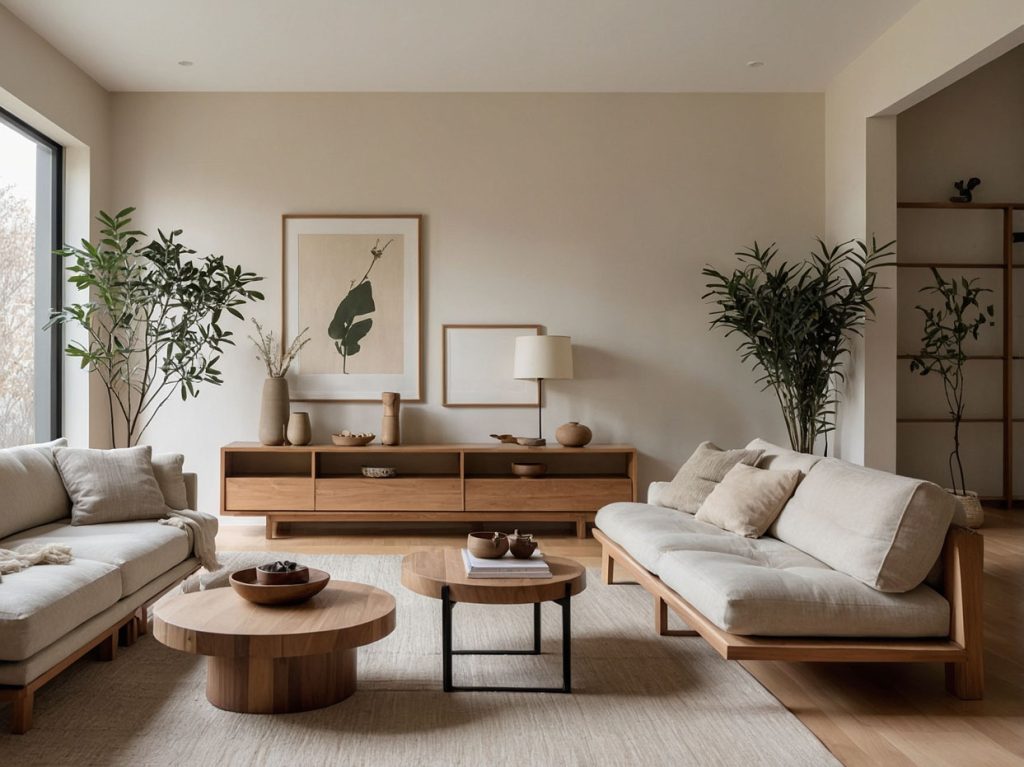
Neutral tones such as white, beige, taupe, and soft grey create a sense of simplicity and calm. They allow a room to feel open and uncluttered, offering visual rest in a busy world.

However, neutrals are not automatically soothing. Cool, stark whites can feel clinical, while overly flat greys may appear dull. Texture, layered lighting, and natural materials are essential to bring warmth and dimension into a neutral space.

The Power of the Overall Palette

Individual colours matter, but the overall composition of your palette shapes the emotional atmosphere of a home. Cool-toned schemes tend to feel restful and serene. Warmer combinations create energy and sociability. High contrast adds drama and stimulation, while monochromatic layering produces cohesion and calm.

Lighting also plays a significant role. Natural daylight softens and clarifies colour, while artificial lighting can dramatically shift undertones. Testing samples at different times of day is always wise.

Designing with Intention

Choosing a colour palette should begin with a simple question: how do you want to feel in this space? A bedroom might prioritise calm and comfort, while a dining room might benefit from warmth and vibrancy. A home office may require clarity and focus.

When colour choices align with the purpose of a room, your home becomes more than visually appealing — it becomes emotionally supportive. Thoughtful use of colour can improve rest, boost creativity, enhance sociability, and create an atmosphere that feels authentically yours.

Ultimately, colour is not just decoration. It is a powerful tool that shapes your everyday experience in subtle but meaningful ways.

I’m a parent, how worried should I be about AI?

There is cause for concern, say the experts, but don’t panic.

Managing your child’s screen time and keeping the dinner table phone-free can feel like more than enough digital-related stress. AI though? That brings with it all new potential terrors that lots of parents would, understandably, rather ignore. But if we’re to protect our children and help them navigate AI, we must get to grips with it, say the experts.

“There is a fear of the unknown because AI is moving so quickly, potentially moving faster than childhood itself,” says Jake Moore, global cybersecurity advisor at software company ESET. “We’ve got parents who don’t necessarily understand AI, and then we’ve got children growing up with it.”

This leaves a gap, and parents can end up being “pushed further and further” away from the new technology. “We don’t want a world of technophobe parents,” says Moore. “We want parents to understand what their kids are going through.”

“Parents do need to be alert, but not alarmed [by AI],” says Yasmin London, child digital safety and wellbeing lead at digital safeguarding firm Qoria. “They need to develop their own AI literacy on what their kids might be exposed to.”

Four key concerns

With AI regulation from the Government lagging, parents need an idea of the risks their kids might face…

1. AI companions

Big tech used to be interested in the ‘attention economy’, but now it’s moving into the ‘attachment economy’, which is where AI companions come in. Sites like Nomi are being used by kids to “create any avatar they want and use that avatar as a friend,” explains London. “Kids perhaps who are vulnerable, feeling lonely, struggling with self-esteem or real-world relationships, might find themselves attracted to a chatbot like that because they constantly reiterate positive comments to them and mirror and validate them,” she continues. “While that can seem nice for them in the beginning, it can isolate kids further, and cause concerns around their critical thinking ability and relationship skills.”

2. Deepfakes

Parents might have heard about Grok, but kids have been using AI for some time to create images, “whether for fun or more malicious purposes, and sometimes those are sexual in nature, which could lead them down a very problematic route with legalities,” says London. “They’re not always intended to harm, but the outcome for a victim, if there’s a deepfake created of them in an embarrassing position, something that might perhaps even be defamatory, that can be a really big problem.”

3. Unrealistic beauty standards

“AI definitely disproportionately impacts young girls,” flags London. “A lot of them follow Instagram accounts that are just an AI avatar, but they look so hyper-realistic, girls still compare themselves to these unrealistic beauty standards.” This can “impact their worldview, their wellbeing”.

4. Misinformation

For boys, there’s fears around them being “sucked into a manosphere, radicalisation and incel culture”. “AI can certainly be used to scale harm in those ways, as well as to share fake information,” says London. “If a young person starts to search for that content over and over again, like any other AI, it will learn what they like, and start to share whatever information is fed into it, which may or may not be very accurate.”

How to protect your kids

The first thing to do, says Moore, is: “Download every app your kids are using, whether you like it or not. Start with things like Snapchat.” It might feel like you’re awkwardly trying to get down with the kids, but “if you adapt and communicate with your kids on the apps they are using, they will actually have more respect for you. And then, if you go through the settings, you might just be able to offer them a few tips on their privacy and security, which, if you’ve got the app, it’s much easier to talk about because you’re talking in their language and saying the right things”.

From there, you can move into trickier areas like AI. “Let’s all learn together, regardless of what generation you are,” says Moore.

London also recommends parents apply the ‘ABC model’. “A stands for managing access. So for kids, if they’re using an AI, firstly, let’s make sure it’s age-appropriate, so young kids certainly shouldn’t be using chatbots, ChatGPT and companion apps if we can avoid it,” she notes. “B stands for boundaries, and this is the difficult thing for all parents, but it’s about implementing and staying consistent with rules around technology use, whether it be AI, gaming or messaging.

“C is for communication,” she continues. “Having safe, trusted adults they can speak to is the number one protective factor when it comes to the online world.”

Try to be open to AI too. “Your children are likely going to have jobs that incorporate AI, so by learning it now, when they need your help, you’ll be able to understand what their troubles might be, or how to make their life more efficient,” encourages Moore.

And London warns against demonising new tech, as banning it can push your kids away from you, not AI. “We know that we thrive as humans when we’re active, out in nature, having a real life laugh with our friends,” she says. “It’s all about balance.”

How to bag the best mortgage deal in the current market

Mortgage experts tell Lisa Salmon what the best deals are currently, and what borrowers should bear in mind.

If you’re looking for a new mortgage deal, some attractive offers are available right now. But experts warn that the ‘cheapest’ rate is rarely the most suitable.

Financial experts say that following the Bank of England’s base rate cut to 3.75% in December 2025, there’s been a significant price war among high-street lenders for the start of 2026.

But getting the lowest interest rate doesn’t necessarily mean you’re getting the best overall deal.

“For those searching for mortgages independently, it’s easy to be drawn in by the headline interest rate,” says Rachel Geddes, strategic lender relationship director at the Mortgage Advice Bureau. “However, the ‘cheapest’ rate is rarely the most suitable deal.

“The most common pitfall for DIY searchers is the fee-to-rate ratio. A lender might offer a highly competitive rate, but if it comes with a costly arrangement fee, you could end up paying more over the fixed term than you would with a slightly higher rate and no fee.”

And Hannah McEwen, Money Saving Expert’s money editor, says: “Major lenders have kicked off 2026 by cutting fixed mortgage rates. That’ll come as welcome news for many of the 1.8 million people whose fixes are due to end this year, especially if they locked in at a higher rate over the past few years.”

She says overall, mortgage deals have been edging down recently. In mid-January, the cheapest two-year and five-year fixed rates on the open market were around 3.5% and 3.7% respectively – lower than at any point in 2025.

“This time last year, both were closer to 4.2%,” she says. “But when choosing a mortgage deal, it’s about finding the right balance between three key factors: the interest rate, any arrangement fees, and how long you want to fix for.

“It’s crucial to use a whole-of-market comparison tool, ideally one that shows deals available both direct from lenders and via mortgage brokers, so you’re not missing out on some of the best options.”

Don’t try to time it perfectly

Although there’s been a consistent downward trend over the last six months, and this is expected to continue throughout 2026, shifts in the global market can impact pricing at any time, says Geddes, and the best time to get a mortgage is simply down to a borrower’s circumstances and when they’re ready to move.

“Early January has seen lenders aggressively reducing rates to capture new business,” she says. “While analysts predict another two rate cuts this year, I’d caution against trying to time the market perfectly.

“Mortgage pricing is influenced by swap rates [which reflect where lenders think the base rate is heading over the next two to five years] and geopolitical factors that can fluctuate overnight, so if you find a rate that makes your move affordable, securing it now is far wiser than gambling on a further 0.1% drop that may never materialise.”

Be sure your finances are in order

Geddes warns borrowers they need to be aware that underwriting has become far more complex, and explains: “Lenders aren’t just looking at your salary, they’re auditing your lifestyle.

“Closer attention is being paid to discretionary spending, such as recurring subscriptions and high-frequency small transactions, which can impact your affordability. Before you start searching for a property, make sure to tidy up your bank statements for at least three months to demonstrate you can handle future repayments with ease.”

Check the flexibility of the mortgage

Geddes says another critical factor often overlooked is the flexibility of the product.

“In an environment where rates are falling, you don’t want to be locked into a deal that restricts your future options,” she says. “Check the early repayment charges (ERCs) – if your circumstances change, those exit fees can run into the thousands, wiping out any initial savings from a low rate.

“Ultimately, while searching for a deal yourself may give you a top-level overview, it doesn’t show you what you’re eligible for. This is where professional advice is invaluable. A broker doesn’t just find the rate – they’ll help secure you the most suitable deal for your individual circumstances.

“In this market, the most competitive deal isn’t just about the lowest monthly repayment, it’s about a strategy that fits your long-term financial health.”

How long to fix for

McEwen says at the moment, rates on many five-year fixes aren’t much higher than two- or three-year deals, so there’s no one-size-fits-all answer to how long to fix your mortgage for.

“Shorter fixes give you flexibility to switch your deal again sooner, while longer fixes offer payment certainty,” she points out. “Just make sure the term fits your plans – for example, a 10-year fix can be poor value if you expect to move, as early-repayment charges can be eye-watering.”

Always take fees into account

Fees matter too, stresses McEwen. “Some of the cheapest headline rates come with hefty arrangement fees, which can wipe out savings – especially if you regularly remortgage every two or three years.”

Beware falling onto the Standard Variable Rate

If your current fixed deal is ending, McEwen stresses it’s important to avoid falling on to your lender’s Standard Variable Rate (SVR), which is usually far more expensive.

She says most lenders let you secure a new deal three to six months before your fix ends, and you can either take a product transfer with your existing lender or remortgage to a new lender.

“Product transfers are often quicker and involve less paperwork, as lenders might not need to do a full affordability assessment if your circumstances are the same. However, they don’t always offer the best rates, so it’s worth comparing them against the wider market. If you remortgage elsewhere, you’ll usually get access to more deals, but it can involve more checks and admin.

“This is where a good mortgage broker can be useful – particularly if your situation isn’t straightforward, you’re self-employed, or you’re buying an unusual property. Some brokers are fee-free, though always check how they’re paid.”

Consider a tracker mortgage

If you’re nearing the end of a fixed mortgage and don’t want to lock into another one straight away, a tracker mortgage can be a reasonable stop-gap, says McEwen.

“Trackers move in line with the base rate, and while they’re not as cheap as the best fixes, they’re often far better than a lender’s SVR. Many are also free of early repayment charges, giving you flexibility to switch to a fix later if rates fall further.”

How to Buy a House in England as a First-Time Buyer

Purchasing your first home in England is a significant financial and legal undertaking.

Purchasing your first home in England is a significant financial and legal undertaking.

While the process follows a broadly structured path, it is important to understand the specific stages involved, particularly the legal position prior to exchange of contracts and the rules surrounding Stamp Duty Land Tax (SDLT).

The following guide explains the process in a clear and formal manner.

Preparing Financially

Before beginning your property search, you should assess your financial position carefully. Most lenders require a deposit of at least 5% of the purchase price, although a deposit of 10–20% often secures more favourable mortgage rates. In addition to the deposit, buyers must budget for associated costs such as legal fees, survey fees, mortgage arrangement charges and removal expenses.

It is prudent to retain a financial buffer after completion to cover unforeseen repairs or adjustments in living costs. First-time buyers frequently underestimate these additional expenses.

Viewing and Selecting a Property

When viewing properties, attention should be given not only to presentation but also to structural condition, heating systems, insulation standards and evidence of damp or movement. If purchasing a flat, particular care must be taken to review the lease term, service charges and ground rent provisions, as these can significantly affect long-term affordability and resale value.

You should also establish whether the seller is involved in a property chain, as this may influence the timeline of the transaction.


Making an Offer

In England, offers are submitted through the estate agent. Once accepted, the property is typically marked “Sold Subject to Contract.” At this stage, the agreement is not legally binding. Either party may withdraw prior to exchange of contracts without legal penalty, which distinguishes the English system from that of Scotland.

First-time buyers are often viewed favourably by sellers because they are chain-free and therefore reduce transactional complexity.

Instructing a Conveyancer

Once an offer is accepted, you should instruct a conveyancer or solicitor to manage the legal process. The conveyancer will conduct local authority searches, environmental checks and title investigations, raise enquiries with the seller’s solicitor, and liaise with your mortgage lender.

This stage typically lasts between eight and twelve weeks, although transactions involving chains or complex leasehold arrangements may take longer.

Formal Mortgage Application and Survey

Following acceptance of your offer, you will submit a full mortgage application. The lender will conduct a valuation of the property to ensure it represents suitable security for the loan. This valuation is for the lender’s benefit and should not be relied upon as a detailed inspection.

It is therefore strongly recommended that buyers commission an independent survey. A RICS Level 2 (HomeBuyer Report) is appropriate for most standard properties, whereas older or altered buildings may require a more comprehensive RICS Level 3 (Building Survey). If significant issues arise, you may seek to renegotiate the purchase price or reconsider proceeding.

Following acceptance of your offer, you will submit a full mortgage application. The lender will conduct a valuation of the property to ensure it represents suitable security for the loan. This valuation is for the lender’s benefit and should not be relied upon as a detailed inspection.

It is therefore strongly recommended that buyers commission an independent survey. A RICS Level 2 (HomeBuyer Report) is appropriate for most standard properties, whereas older or altered buildings may require a more comprehensive RICS Level 3 (Building Survey). If significant issues arise, you may seek to renegotiate the purchase price or reconsider proceeding.

Exchange of Contracts

Exchange of contracts is the pivotal legal moment in the English conveyancing process. Upon exchange, the agreement becomes legally binding and a completion date is fixed. The buyer usually transfers a deposit, commonly 10% of the purchase price.

Prior to exchange, there is no binding commitment. After exchange, withdrawal would normally result in severe financial penalties.

Completion

On the agreed completion date, mortgage funds are transferred to the seller’s solicitor and ownership passes to you. You receive the keys and may take possession of the property. Your solicitor will then arrange payment of any Stamp Duty due and register your ownership with HM Land Registry.

Stamp Duty Land Tax for First-Time Buyers

First-time buyers in England may qualify for SDLT relief on properties valued at £500,000 or less. Under current rules, no SDLT is payable on the first £300,000 of the purchase price, with 5% payable on the portion between £300,001 and £500,000. Properties exceeding £500,000 do not qualify for first-time buyer relief.

As tax rules are subject to change, buyers should verify current thresholds at the time of purchase.

Government Support Schemes

Eligible first-time buyers may also benefit from the Lifetime ISA scheme, which provides a 25% government bonus on qualifying savings used towards a first home (subject to conditions, including a £450,000 property value cap and a minimum account duration of 12 months). Shared Ownership schemes are also available in England, allowing buyers to purchase a percentage of a property and pay rent on the remaining share.

Typical Timeline

From offer acceptance to completion, the process generally takes between ten and fourteen weeks, though delays may occur where multiple transactions are linked in a chain.

Heart-shaped flowers and foliage to mark the season of romance

As Valentines Day approaches, who needs roses when there are so many other plants of the heart to choose from?

The season of romance is here, but if you’re yawning at the thought – and cost – of red roses, there’s a mass of other plants which spell love for both outdoor gardeners and houseplant lovers.

Take a look at some of the plants with heart-shaped leaves and flowers which can last a lot longer than a dozen red roses.

Bleeding heart

This beautiful, dainty-looking heart-filled perennial, also known as Lamprocapnos spectabilis (reclassified from dicentra), produces arching stems hung with heart-shaped flowers in late spring and early summer. Growing to around 90cm, they look beautiful in semi shade as each stem produces lines of these little romantic blooms. For those who aren’t fans of pink or red, there are also white varieties (‘Alba’), all of which look beautiful with low-lying plants such as saxifrages and hellebores.

Growing tips: They like cool, moist, sheltered situations, but will also do well in a sunny border. However, keeping them out of the heat of the day and making sure the soil is moist are likely to extend their flowering period. They will form clumps which will last for years and don’t like to be moved.

Hoya kerrii

Also known as the sweetheart plant, thanks to its heart-shaped fleshy succulent leaves, you can pick up this this popular houseplant in all its romantic glory at most garden centres, where a single heart-shaped leaf cutting will form the stand-alone attraction.

A native of Thailand and south China, it can, given the right conditions, fill pots with its thick, leathery love heart leaves. However, be aware that if you buy one which is just a heart-shaped leaf planted in a pot, most won’t grow into a full plant because they are not true stem cuttings. If you want one that’s going to grow properly you’ll need to find a plant with a properly rooted stem and visible other leaves. Mature plants can produce star-shaped cream and red flowers.

Growing tips: Never over-water this succulent. Only water it when the soil feels really dry and don’t water the leaves, only the soil. Keep it in a light position out of direct sunlight and don’t put it near radiators or in draughty spots. And if you want to have more chance of it lasting, buy a more mature plant.

String of hearts (Ceropegia woodii)

Native to South Africa and Zimbabwe, this trailing succulent houseplant produces thin wiry stems carrying heart-shaped grey leaves with pinkish undersides. It’s ideal for trailing down off shelving or a hanging pot, maybe alongside other trailers, such as string of pearls and string of dolphins.

Growing tips: Allow the soil to dry out completely between waterings and never let the roots sit in water or you’ll kill the plant. If the leaves start to yellow, cut off the damaged foliage and don’t water until the soil is really dry. Feed with a houseplant fertiliser twice a year and keep the plant in a light, bright spot out of direct sunlight, turning it from time to time so all the stems get sufficient light.

Anthurium andraeanum

Native to South America and the Caribbean, and also known as the flamingo flower, this tropical-looking houseplant’s heart-shaped red waxy flowers (also known as spathes) and central yellow or cream spikes are instantly recognisable and add a huge splash of colour to any indoor area. You can also find pink, orange and white varieties.

Growing tips: They come from warm, humid parts of the world so try to imitate those conditions. Place them in a warm, bright spot out of direct sunlight in fast-draining peat-free acidic soil and water them with rainwater, preferably at room temperature, allowing the top third of the soil to dry out between waterings. Don’t water them with cold tap water or you will shock them. To maintain humidity, they may be best off in a bathroom, or alternatively mist the leaves regularly.

Indoor cyclamen

A great alternative to a Valentines bouquet, the dainty flowers – in shades of red, pink and white – atop pretty green and grey heart-shaped leaves should last longer than many other floral gifts, maybe even up to six weeks.

Growing tips: Keep it cool if you want it to survive. It won’t thank you being put near a radiator. If frost isn’t forecast, you could even put it in its pot on a covered porch or in an unheated conservatory or greenhouse. Again, don’t overwater, waiting until the pot has partially dried out, and water from below, putting the pot into a shallow bowl of water and letting the soil absorb the water, but make sure you drain the pot thoroughly after watering.

4 simple styling tricks to put a stamp on your space

From ambient lighting to shelving and rug rules, pro tips to enhance your decor. By Sam Wylie-Harris.

Flick through any glossy interiors magazine and it’s easy to get carried away with what’s trending; especially with a string of decorative ideas to spur your creativity.

But it can be a bit of a reality check, and you end up asking yourself: How can I express myself so it’s about me… as much as it is the decor?

Given all this – and depending on your design ethos – Lara Clarke of Lara Clarke Interiors says it’s about taking a personal approach with clients: “It’s a collaborative process – instead of putting our style on you, we pull your style out.

“We work with you to try and create something that’s essentially yours and unique, and not a carbon copy of everything else.”

From how you live, to a fabric you love, to where you’re going to be sitting with a cup of tea in the morning, the Surrey-based designer says those sorts of things are really important.

“We get into the nitty gritty detail… how this home is going to work for you as a family, and how it’s going to work best for you – and not for anyone else.”

An advocate of how simple styling tricks make a room feel more expressive, Clarke shares her top tips to inspire creatives and interior enthusiasts…

1. Layered lighting

One of the key things is lighting. “A lot of people might just have downlights; but if you layer your lighting, it makes a huge difference.”

Clarke suggests using a rechargeable wall lighting – flexible and cordless, simply mount a bracket or use strong adhesive – think brass sconce and decorative shade.

“You just put it on your wall, and instantly you’ll have some wall lights… it’s a great way to layer lighting in your home.”

“Table lamps are another one,” suggests Clarke. “On a table, go for a different lampshade.”

So if you buy a table lamp from John Lewis for example, she suggests choosing your own designer lampshade. “It elevates that lamp in a way an ordinary, plain white shade wouldn’t.”

She also prefers to add colour. If you’re not painting the walls and want to refresh your space by influencing the mood, Clarke says it’s another tool to add colour and pattern.

“I like using coloured lampshades in my designs, I kind of link with the scheme… a plain white one can be boring; but a patterned lampshade makes a big difference.”

2. Shelving & placement

To style your shelves and place accessories just so, the designer says it’s good to have a mixture of taller things, think photos, books, and suggests including some flowers within the scheme.

“Sometimes people tend to stuff it full when actually less is more.”

And if you’re torn between symmetry and scale, it’s an equilibrium. “So if you’re looking at a shelf or bookcase as a hole, there will be some elements of symmetry.

“But you don’t want everything to be symmetrical, because then it will feel too staged, there needs to be a balance between both.”

Clarke likes to do a mixture. “I put a lot of books flat, and then it’s nice to have something on top of them.

“If you have some books you want to balance, and they’re stacked on top of one another, then balance that with an object, vase or candle on top.”

3. The secret to scatter cushions

“I think cushions is one of those massive areas where it can completely change the look of your room,” highlights Clarke.

“The key is to get a quality cushion with a good plump; you can buy cushions from the high street, but they won’t have a nice feather insert.”

Therefore, if you’re buying a cushion cover, she says to buy a feather insert one size bigger. “So you stuff it, and then your cushion looks fuller than if you were to buy the corresponding insert which normally looks a bit flat.

“It makes the cushion look more expensive, I like a very plump cushion, it’s more luxurious rather than something limp on the sofa,” she quips.

Moreover, Clarke says you can never have too many cushions. “It’s a really good way to add colour and interest to potentially a plain sofa.”

4. Rug rules

When it comes to do’s and don’ts, the designer says a lot of people always buy a rug too small for the space. “And actually, it makes the space look a bit smaller if anything.

“So you want to oversize your rug… you don’t want it to look like a doormat under your coffee table.”

Ideally, she says to have most of the furniture sitting on it. “So that would be your sofa, your side tables, your accent chairs, if possible – but if in doubt, bigger is better.”

“You want to zone the space by including the furniture within that,” she says confidently.

Why 2026 kitchens are all about warmth and comfort

If you’re looking at your kitchen in a whole new light, and thinking about a different theme or concept, there’s a growing movement towards spaces that prioritise comfort and warmth.

“Think muted tones, soft furnishings, and a modern take on traditional design,” says Looeeze Grossman, founder of The Used Kitchen Company.

“Homeowners are looking for kitchens they actually enjoy being in, not just ones that look good on social media.”

Think relaxed, casual and harmonious blend of traditional and modern. Here’s how to create a space which feels congenial and bang up-to-date…

Painted kitchens

“The days of high gloss finishes are behind us for now,” says Grossman. “Painted kitchens have made a huge comeback thanks to their adaptability and timeless quality, whether solid wood or MDF.

“Painted doors in warm, comforting tones set the foundation for this new aesthetic,” explains Grossman.

Look for shaker-style details, vintage or reclaimed handles and warm tones to “create kitchens that look effortlessly chic and packed with warmth”.

Painted kitchens also open up your tile and worktop choices, highlights Grossman. “From wood to striking quartz, composite or porcelain worktops – all pair beautifully.

“Vintage mirrored splashbacks can add a modern twist, as can tiles laid in an intricate herringbone pattern, over the metro tiles [aka subway tiles] we’ve often seen in kitchens in recent years.”

Muted tones

It’s also time to switch out bright white and stark grey worktops. Grossman says she’s seeing a move towards warmer neutral tones.

“The beauty of a cosy kitchen is that everything should work within one colour palette.

“Nothing has to fight for attention, it all blends seamlessly, creating a natural warmth with a combo of paint colours and worktops.”

Moreover, she says bringing in living colours such as greens and beiges gives the space life, especially when used tonally in different shades.

“If you’re opting for a bold splashback or door colour, you can soften the look with blankets and seating cushions in lighter tones,” Grossman suggests.

Lighting is another key aspect, and extends to choosing softer lighting over the brightness of spotlights.

“Think vintage pendants over an island, and lamps on the walls. If you do opt for some spotlights, make sure they’re dimmable to create a warm, inviting atmosphere,” she advises.

Storage

When it comes to cosy storage, Grossman says it’s all about natural materials which complement each other.

“Natural wicker baskets instantly add warmth and texture over harsh plastic or metals.

“Glass jars with cork lids and simple ceramics look extremely attractive for storage on an open shelf; or creating a tidier larder.”

She continues: “Wicker works well for napkins, cutlery, and vegetables that don’t need to be refrigerated; glass and ceramics are ideal for dry ingredients.”

Open shelves

As Grossman points out, cosiness is as much about emotion as it is about design.

“Open shelving lets you display the things that matter… your favourite mugs, or tea set you spent ages finding.

“These are the things that give your kitchen personality and memories that define the cosy trend.”

To get the look, she suggests displaying your vases, showcasing your mug selection, and having stemware on show.

“But don’t mistake this as a time to over-clutter,” she warns. “Cosy kitchens still have style – pick your favourite pieces, add them to your shelves, and enjoy the display.”

Seating should be comfortable

Uncomfortable stools, plastic chairs, or benches without a back don’t belong in a cosy kitchen, underlines Grossman.

If replacing them isn’t an option, she says to soften what you have. “Add upholstered bench pads in soft muted shades that bring warmth and country cottage-style elegance.”

Team with throws and cushions to create a relaxed, welcoming feel. “If you have bar stools, opt for a cushioned topper so people will actually want to sit down.

“And if your kitchen opens onto your garden, match your indoor soft furnishings to your outdoor cushions to create a sense of continuity.”

As Grossman puts it: “A cosy kitchen is a kitchen you’ll want to spend time in – it won’t feel cold or stark.

“You’ll want to light a candle and snuggle up in the corner with a cup of coffee and a good book; or sit chatting for hours over a glass of wine with friends.”

She continues: “It’s about creating an emotional connection to the space that goes beyond just cooking… it’s a space that you want to live and be in.”

Spruce up your gardening wardrobe for winter

If your gardening wardrobe is looking tired, all bobbly fleeces and leaky wellies, perhaps it’s time to kit yourself out with some clothes and accessories which will wrap you up warm – and look stylish at the same time.

So ditch those gloves with holes, the tired jumpers and the water-holding jeans for some gardening garb which should help keep you dry, warm and comfortable while you are doing those outdoor jobs in the winter months.

Here are a few items to consider:

1. Norber flat cap (Glencroft, £44.95)

Calling all male gardeners: if you aspire to the likes of David Beckham or Vinnie Jones, a well-made flat cap may be for you. This Norber Yorkshire Tweed cotton-lined flat cap is as practical on the allotment as it is elegant in the potting shed.

Made in the north of England from British wool tweed woven in Yorkshire woollen mills, it is lined with Global Organic Textile Standard (GOTS) certified 100% cotton for enhanced breathability and is fully quilted for added comfort.

2. Waterproof garden apron (RHS, £32.99)

When the autumn rains fall, you can at least keep your gardening clothes dry, clean and protected if you’re wearing this gardening apron made from khaki waterproof canvas.

With two pockets to hold gloves, seeds and other ephemera so you can keep your hands free for gardening tasks, you can also tie the long waist straps around at the front for a more snug fit.

Just remember to hand wash only with a mild detergent in warm water.

3. Sure & Soft leather gloves (Kent & Stowe and good garden centres, £24.99)

When you’re doing hard tasks like digging, raking and weeding, it makes all the difference to have a pair of comfortable gardening gloves while you work.

These leather gloves are crafted from high-quality super-soft leather and feature a keystone thumb for maximum comfort, reinforced extra stitching for strength and durability and improved dexterity. They should withstand punctures and tears, making them ideal pruning gloves.

4. Women’s National Trust Vierzon Jersey Lined Wellington Boots (Le Chameau and the National Trust, £220)

We’ve all had cheap wellies which end up leaking and cracking, so it might be worth investing in these sublime limited edition boots, created through a collaboration between master bootmaker Le Chameau and the National Trust.

Each pair sold supports the National Trust sites, gardens and coastlines and the boots are inspired by the spaces in the care of the NT.

Made from high-quality Chamolux rubber, with a bespoke print jersey lining made from organic cotton and recycled polyester, a removable antibacterial insole and adjustable straps made from post-consumer recycled bottles, they are their most sustainable boots yet.

The unique Le Chameau/National Trust logo and bespoke lining print, inspired by Buckland Abbey, honours Britain’s natural and cultural heritage.

5. Women’s waterproof gardening trousers (Genus, £169)

Designed for gardening, these Genus waterproof trousers (which are not overtrousers) have a showerproof fabric on the outside and are fully waterproof-lined on the inside so people can still make the most of a very wet day in the garden.

They have handy stab-resistant pockets for secateurs and knives, a breathable padded knee and raised waist for back protection. The quick-drying stretch fabric means you won’t have to put them on the airer for long after a hard day’s digging, planting and composting.

6. Ridgeline Monarch Women’s Gilet (ArdMoor, £79.94)

This snug gilet is ideal for gardening and other outdoor pursuits, with a moleskin finish and durable water-repellent treatment to help keep stains and dirt at bay.

It has practical hand pockets with zips, a secure inner zipped security pocket for personal belongings, and a two-way front-opening zip, adjustable hem and high collar, which adds extra protection against the wind.

On warm autumn days you could wear it as an outer layer on top of a base thermal, while when the weather gets really cold it can be worn under a winter jacket. Available in three garden-friendly tones: Moody Teak, Deep Forest and Navy.

7. Hoggs of Fife Men’s Glenesk Quilted Jacket (Cherry Tree Country Clothing, £76.50)

Any gardener who wants to add style and comfort to his gardening attire should look no further than this snug padded quilted jacket which is crafted from windproof and insulating fabric, with a Teflon finish for durability.

It also has a full-length zip with studded placket cover and two large front pockets which will hold smaller gardening items. Ideal not only for the garden but for autumn walks in the countryside.

8. Chunky Wellington Boot Socks (Town & Country, £9.99)

Keep your toes toasty in these chunky Wellington boot socks in a range of colours, made with Merino wool to offer natural warmth, breathability, and comfort. This natural moisture management helps to keep feet dry and comfortable, and are ideal in colder and wet weather.

7 things to consider when downsizing later in life

Don’t rush into a decision and make sure you do your research. As we get older, it’s common to start rethinking where and how we live – and for many, that means considering a move to a smaller, more manageable home.

Age UK’s recent Late Movers report highlights some of the challenges older adults face when it comes to housing. A survey carried out by Opinium on behalf of Age UK in January 2025 of 2,500 people aged 66 and over, found that 36% worried about affordability, 42% about accessibility, and 35% about the condition of their home.

In addition, 72% of respondents aged between 66 and 74 said moving after the age of 75 would be difficult.

The charity warns that unsuitable housing in later life can place extra pressure on health and social care services – making early planning all the more important.

If you’re starting to think about your last big move, here are seven key things to consider when downsizing or relocating later in life…

1. Proximity to friends and family

“I often see couples moving down to Cornwall and becoming very isolated because they don’t really consider how far they are going to be from everyone,” says Cornwall-based estate agent Michael Kleinman. “They are often used to seeing their grandchildren every weekend and when they move to Cornwall, they only see them for a couple of weeks in the school holidays.

“So, it tends to be a much easier move if you stay local and have that familiarity and social network around you.”

However, if you are still keen to relocate, the estate agent highly recommends looking into the transport links of your potential new area.

“Think about transport links to and from where your family and your network are,” advises Kleinman. “If you move to a rural area, you might be 20 miles from a railway station and driving might be no longer an option.”

2. Emotional impact

Paperwork might seem like the hardest part about relocating, but many people underestimate the emotional toll downsizing can have.

“I think a lot of people don’t really consider the emotional side of moving from the family home where they have brought up all the kids,” says Kleinman. “Going from a four/five bedroom house down to a bungalow means all those years of accumulating stuff has to be condensed down and a lot of people don’t really think about the ramifications of the emotional side and the logistical difficulties of what goes and what stays.

“You have to be very brutal and ruthless about it and that’s often easier said than done. A lot of downsizers start the process and then give up and stay where they are for another year or two because they didn’t realise how hard it was going to be mentally and emotionally.”

3. Logistics

“Another thing that many people don’t consider is how different moving house is now, compared to 40/50 years ago with things like EPCs (Energy Performance Certificates) and online ID checks,” says Kleinman. “The process can be very overwhelming if you aren’t overly tech savvy. People often start the process and get a few weeks or months into it and then find it overwhelming, so take their house off the market and have a rethink.”

Finding a good real estate agent who has the time to sit, listen and guide you through this can help make it less daunting.

“Work with an independent local estate agent and someone who can actually come around to your house and go through it with you,” advises Kleinman.

4. Location

Make sure you do your research before making a commitment to a new location.

“If you are thinking about moving to a different area, talk to local people in person or on social media groups to really get an understanding of that area,” recommends Kleinman. “I am often dealing with clients who are moving to an area where they don’t know anyone, have never been there before or have only been there once or twice on holiday.

“Cornwall, for example, is very different in the winter compared to the summer. If you have been on holiday there in July or August, you will get a very different experience in January. So, it’s important to do your research to see what it’s actually like to live there all-year round.”

5. Convenience of health services and local amenities

Think carefully about what type of amenities and local services are going to be crucial to you as you grow older.

“Think realistically about how far away the nearest inpatient hospital facilities are, how near the local GP and NHS dentists are and find out if they are taking on any new patients,” advises Kleinman. “Also, think about how easy or difficult it is to get to those services, as well as the normal town-centre facilities that you might need.”

6. Accessibility

Make sure your new home is going to be adaptable and functional for future you.

“Bungalows and apartments are the normal go-to and I think it’s particularly good to look for very new bungalows,” says Kleinman. “The reason being is that building regulations now have to follow rules set out by the Disability Discrimination Act, so many new bungalows have to have things like wheelchair access, wider doorways and plug sockets higher up the wall – features you won’t get in most Seventies bungalows.”

7. Maintenance

“None of us knows what’s around the corner and how long we’re going to be mobile for, so you really need to think about practical living,” says Kleinman. “Do you want a large garden? Is it going to be practical and manageable? When does the boiler need replacing? Will the house need frequent external painting?

“I would always guide clients towards a more modern property that is low maintenance. Lots of people think about how they are today, rather than what it is going to be like for them in 10/20 years’ time.”

9 ways to deck out your haunted house

After-dark decor to crown fright night celebrations and spooky soirées. By Sam Wylie-Harris.

It’s one of the most anticipated dates in the fancy dress diary, and if you’re into dressing up, Halloween celebrations (October 31) are a real scream.

And for a dose of devilish decorative drama, a flurry of eerie furnishings, thrilling tablescapes and themed feature walls make frighteningly good backdrops for a howling Halloween.

Here’s how to set the scene for a scary aesthetic….

1. Pre Lit Black Glitter Halloween Wreath & Garland, £44.99, Lights4fun

For a web of intrigue, a spectral wreath is your secret weapon for doorscaping… and putting the fear into a fireplace mantel. With 40cm wreath, 1.5 garland and 64 warm white LEDs topped with black glitter for ghoulish settings.

2. Snake Taper Candle Holder, £3.50; Ghost Stories Scented Reed Diffuser, £5, B&M Stores, in-store

This metallic serpent styled with a ghostly candle and diffuser makes a spirited statement.

3. Lights4fun 90cm Skeleton LED Halloween Decoration, £29.99, (was £54.99), Lights4fun

A spine-chilling scene-setter, this larger than life skeleton boasts 300 micro LEDs for macabre room sets and fancy dress parties.

4. Yankee Candle Mystical Tarot Card Candle, £29.99, Yankee Candle

Cast a spell with captivating aromas of cherry leather, cinnamon bark and black liquorice to imbibe ancient rituals… with purple signifying magic and mystery.

5. Diablo Gothic Occult Wallpaper, £79 per roll, Bobbi Beck

Fusing drama with mysticism, for a showstopping display you can’t beat an accent wall with supernatural symbols for an ode to Halloween – it makes a striking backdrop for entertaining trick-or-treaters, and tablescape of witches brew and blood-red punches.

6. Bats by the Building Poster, from £5.24, (was £17.45), 30 x 40cm, Poster Store

A mysterious prop such as this bat poster calls for vampire costumes and sinister settings.

7. 70s French Style Wine Glasses In Black, £14 each; Wednesday-Inspired Decorations, £25 each; 12-Piece Black & Off-White Edge Bon Apetit Dinner Set, £120, Rockett St George

For gothic glam tableware, these black plates teamed with black stemmed wine glasses; styled with Wednesday Addams-inspired decos makes a frightening focal point… and cries out for devilish dishes and wicked wines. An added bonus, the stoneware plates have ‘bon appetit’ inscripted in the centre.

8. Kingdom Keepers – Ravens Lampshade, from £65, Mountain & Molehill

For a striking lampshade, this monochrome design with gold crown and pair of ravens casts a haunting glow – setting the tone for atmospheric soirées.

9. Skeleton Shaped Cushion, £12; Black Web Embellished Cushion, £15; Black Dancing Skeleton Cushion, £10, (far right); Black & White Shaped Pumpkin Cushion, £12, Matalan

These creepy scatter cushions with skeletons and embellished spider web deserve a place on your sofa… style with a black and white pumpkin cushion for maximum impact.

×
Find a Property
M
Country & Equestrian
By submitting this form, you agree to McCarthy Holden using your personal data in accordance with our Privacy Notice.