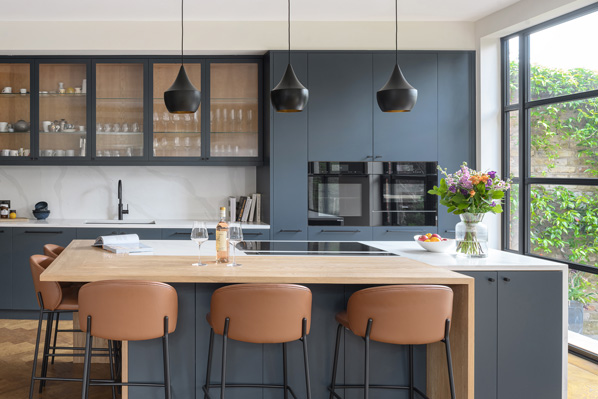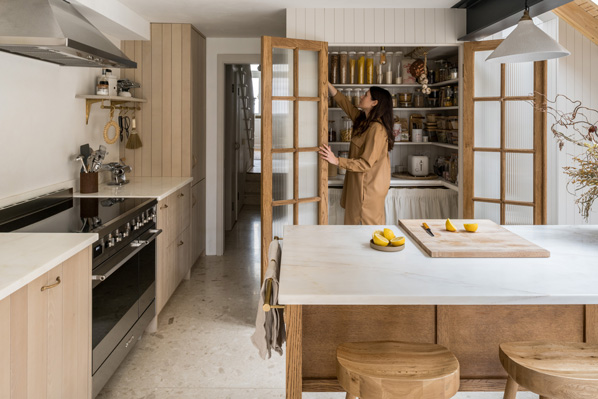

Landlords Love…..

We think Landlords will love our lettings services, because in addition to great property marketing and competitive fess we also have a great team of experienced personnel looking after their rental properties.

A Landlord Focused Agency

At McCarthy Holden our landlords are regarded as one in a million, perhaps unlike in the very large corporate agents where a Landlord could easily become just one in a million.

Because our Landlords are looked after by real people who live and work locally, people who you can speak to on the phone and people who are taking the responsibility of looking after your property, our Landlords experience the difference and benefits.

Our professional team are always available by phone or email and guess what, there are no online bots or automated telephone systems to get in the way of good communication.

So if you are a Landlord who wants one to one reliable service, telephone 01252 622550 for a free property valuation and advice about renting property.


How to make the most of your living space as the nights draw in

GEORGE CLARKE ARCHITECT WINTER INTERIORS MCCARTHY HOLDEN

With winter just around the corner and everyone gravitating indoors, our living rooms are about to see most of this season’s action.

Whether it’s cinema nights with the kids, socialising with friends or simply curling up with a good book, your communal space will undoubtedly become the centre point of everyday living.

So how to bring the feel-good factor to your downtime?

Here, architect and TV presenter George Clarke, highlights a few ways to accommodate the needs of multiple generations… whilst catering to the demands of awkward spaces in a smart and stylish way.
Create intimate zones

The layout of our living rooms has changed markedly over the years, as we all aim to create multi-functional spaces to serve many needs, notes Clarke.

Practical as well as aesthetically pleasing, think elements to help us relax, entertain and possibly work from home, alongside other activities.

“Creating intimate zones, however small, is key in designing a space that delivers on multiple briefs,” explains Clarke.

“And although many rooms don’t offer symmetrical proportions – many being long and narrow with special considerations, such as doors in awkward places – there are a few ways to achieve breakaway zones.”

The key when working to the quirks of your layout, especially when rearranging furniture, is to consider comfort, ease of movement and flow, highlights Clarke.

GEORGE CLARKE ARCHITECT WINTER INTERIORS MCCARTHY HOLDEN
PHOTO: Sofa.com / PA

“Avoid placing everything around a room’s edges, which can result in too much empty space at the centre.” He continues. “Instead, opt to delineate your scheme, pulling furniture into more intimate arrangements.”

The back of a sofa can work well as a room divider, but be sure to choose furniture that looks appealing from all angles, as sides and backs will be on display as well as fronts, notes Clarke.

“And remember, it’s not just sofas that create convivial family zones. Beautifully crafted armchairs are also having a moment.”

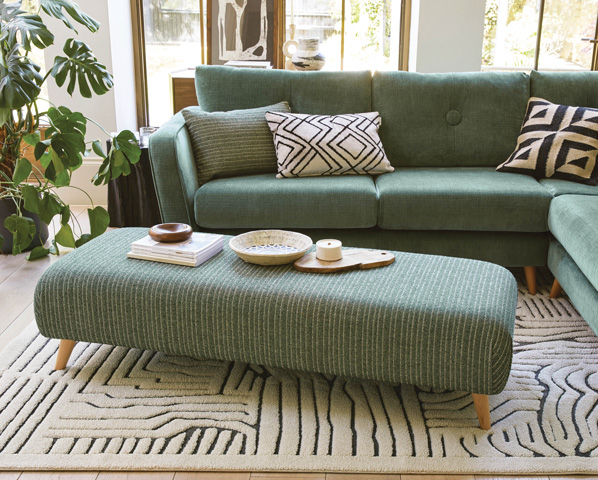
“Think about pieces that complement each other rather than match, and try out informal circular groupings anchored by a generous footstool to encourage lingering.”

Large rugs stretched across rooms are a simple and effective way to create a natural divide for seating, eating and working, suggests Clarke.

“And bespoke bookshelves as room dividers and cabinetry that contain pull-out desks are a useful design solution.”

GEORGE CLARKE ARCHITECT WINTER INTERIORS MCCARTHY HOLDEN
PHOTO: Sofology / PA

Put comfort first

“Comfort is king when it comes to the ideal living room,” underlines Clarke. “In fact, it was voted as the number one requirement by a long way in Sofology’s How We Live Now report which included independent consumer research, with the TV coming in as a not-so-close second.

“Whether you go for modernist-shaped seating, scrolled arms, button tuck detailing or tapered legs, it turns out the style of our seating is a matter of personal taste, but the feeling of wellbeing it elicits is non-negotiable.”

Modular sofas with flexible configurations work well, as does a selection of moveable furniture, including lightweight side tables that can be pulled into place for a spot of home-working, advises Clark.

“Task lighting that can be directed with ease, deep ottomans and plenty of plugs and USB ports,” he adds.

GEORGE CLARKE ARCHITECT WINTER INTERIORS MCCARTHY HOLDEN
PHOTO: DSF / PA

Entertain a seasonal cinemascape

If the TV promises to be central to enjoying your living room over the winter, Clarke recommends switching things up with a more cinematic experience, depending on your budget.

“Although screening rooms are often found in basement spaces and middle rooms of period homes benefitting from reduced natural light, they can also work within a regular living space,” suggests Clarke.

If a cinema-style sofa isn’t on the cards this Christmas, he says to consider layering the seating you have – and surround it with sumptuous textures and rich colours to create a cosseting escape.

“There’ll be some classic movies showing at this time of year, and a comfortable set up will make long winter nights all the more enjoyable.”

GEORGE CLARKE ARCHITECT WINTER INTERIORS MCCARTHY HOLDEN
PHOTO; Sofology / PA

Get colour happy

As Clarke points out, incorporating bright colours and bold patterns adds depth and vibrancy that can help bring a welcome lightness to winter months.

Most people opt for white or neutral walls to help make a room appear larger, notes Clarke, but a single colour wash wall or brightly painted shelving can help brighten things up.

“Stylists I’ve worked with in the past have said when it comes to colour and pattern, breaking the rules rather than following specific trends often produces the best results.”

“I love this idea, especially as one in five of us updates our living spaces on a yearly basis. Changing the colour of a living room doesn’t have to cost the earth or represent a long-standing commitment – and the results can be surprising.”

GEORGE CLARKE ARCHITECT WINTER INTERIORS MCCARTHY HOLDEN
PHOTO: Annie Sloan / PA

Think social

It’s the season for socialising and where better than in the comfort of your own home…

“Open plan kitchens-cum-living rooms are perfect for enjoying a more relaxed approach to hosting,” says Clarke. “We know people migrate to the living room in winter, so rethinking the space slightly to cater for this can really help take the stress out of having people over.

“Sitting rooms with alcoves offer a wealth of opportunity when it comes to socialising, so switch out books for something more appetising and useful,” suggests Clarke.

“Built-in bars might not be to everybody’s taste, but temporary pieces like a retro drinks trolley can help create a zone within a living room – offering much-needed storage and help bring the fun to an evening with friends.”

GEORGE CLARKE ARCHITECT WINTER INTERIORS MCCARTHY HOLDEN
PHOTO: Annabelle James / PA
GEORGE CLARKE ARCHITECT WINTER INTERIORS MCCARTHY HOLDEN
PHOTO: Melody Maison / Pa

Saturday Kitchen’s Matt Tebbutt: TV bloopers and three great recipes

Saturday Kitchen’s Matt Tebbutt editorial at McCarthy Holden

BBC Saturday Kitchen star Matt Tebbutt says one of his biggest challenges is not swearing because “you forget you’re on TV” – and over eight years he’s made a few blunders.

“You have to remember you’re on telly, and you can get very comfortable and act and say things you would in your own kitchen with your friends – you could easily swear, because I’m quite sweary” says the 50 year old, who replaced James Martin as presenter in 2016.

“I called Peter Gordon [a New Zealand chef] an f****** genius, under my breath. I had to apologise, I was mortified.”

Funnily enough, Tebbutt says he later received an email from Gordon’s PA thanking him for the mention on Saturday Kitchen in 2017. “[They said], ‘Our website has crashed, would you like to come for lunch?’

“I was told off quite rightly, but since then, I always try to have a little word myself before [going live].”

Tebbutt says that while the guests do wine tastings alongside tucking into the dishes cooked up on the show, he’s careful with alcohol while on air.

“What I’ve realised very quickly is that if I drink half a glass of wine, suddenly the autocue moves around, you’re not very good at linking words together. So if I drink like a centimetre of wine in the whole show, I’d be surprised.

“We taste a lot in rehearsals,” he adds.

Saturday Kitchen’s Matt Tebbutt editorial at McCarthy Holden
Matt Tebutt

Tebbutt has just released his latest cookbook, Pub Food, a collection of elevated pub dishes – think mussels cooked in beer with crispy monkfish cheeks, and rump of Welsh lamb with spiced aubergine, mint and yoghurt – as well as a celebration of British pubs in general.

They are “one of the last melting pots there are in life”, says the chef, who also presents Food Unwrapped on Channel 4. “I will disappear on a Friday and go and do Saturday Kitchen. And then I’ll meet some quite famous faces sometimes, get back to the pub [near his home in Monmouthshire], and nobody gives a monkey’s! They really don’t care, and it’s great.

“You can be in the same place with very wealthy people and farmers, and the guy who empties the bins, all on the same level, and you’re all having a chat- there’s very few places you can do that anymore.

“Then if you throw good beer and conversation in the mix, and good food, I think they’re really special places.”

But local pubs are “having a really s*** time at the moment”, Tebbutt says. “They are struggling, the prices are going through the roof, energy costs, food costs, staffing. It’s all hindering the growth – they’re shutting by stupid numbers per week. I think it’s a real shame and it’s something worth trying to save.

“People need to remember that they’re not going to always be there. And if you’ve got a good one then go and support it.”

Tebbutt and his wife Lisa ran the Foxhunter Inn, Monmouthshire, for 14 years, where they championed sustainable, local fare – something that’s still his M.O. “In the mid Nineties [when working in London] seasonal and local weren’t really such a big thing. Then I moved out, set up my own place, and it seemed obvious because A, it’s going to be cheaper, and B, it’s going to be at its best.”

People are “much more in tune” with sustainable eating now, he notes.

Many of the recipes in the new book are influenced by the local produce of Monmouthshire and what he used to be on the pub menu. “Obviously, [there’s] a lot of lamb, a lot of mushrooms through foraging, crayfish dishes – because we get crayfish in the rivers – wild samphire, eel, black pudding,” Tebbutt says.

Eventually, he burned out running his own pub. “It was a very different sort of relentless business. We didn’t take a break – we did it for 14 years. I was juggling TV and the restaurant for quite some time, and then reached a point where I didn’t think it was sustainable, because I was knackered.

“Little country pubs, as lovely as they are, and everyone wants them on their doorstep, they’ve got to be supported because they’re bloody hard work to keep going.”

Tebbutt originally learned his trade in Michelin star kitchens in London, training under Marco Pierre White and Sally Clarke. And despite having to get up at 5am to film Saturday Kitchen, the hours are “a walk in the park” compared to life in a professional kitchen.

“When I first got into TV and you do 10-hour days or something, and you’d have people saying, ‘Are you OK?’, ‘Do you need to sit down?’, ‘Do you need a drink?’ – no, I’m fine! When you’re used to working 18-hour days in sometimes horrible conditions, everything [else] is a breeze.”

Tebbutt was first attracted to life in the kitchen after reading White Heat by Marco Pierre White when he was 16. “It just made chefs look really cool and sexy and really, really rock and roll. It was the first cookbook that had this dirty-looking, kind of rugged chef producing the most beautiful place of food.

“That juxtaposition between the sweat and the blood and tears at the back of house and the control at the front – I just kind of fell in love with it.

“Kitchens, they’re a bit like joining the army. You go in at the bottom, you keep your head down, you find your way and you slowly build yourself up. It’s brutal but you learn a lot.”

But some head chefs do take it too far. He remembers going to eat in one restaurant when he was working in London by a very famous chef at the time; “They had an open door and we saw this chef absolutely, continually tearing his kitchen staff apart. To the point where it was all heads down, they looked broken.

“And then you get the food, it looks beautiful, but you don’t want to eat it because of the misery that’s gone into it.

So now, “I don’t like the chef, I won’t eat their food.”

Matt Tebbutt’s Pub Food by Matt Tebbutt is published in hardback by Quadrille on August 29, priced £26. Photography by Chris Terry.

Saturday Kitchen’s Matt Tebbutt editorial at McCarthy Holden

And Now Some Recipes From Matt

Matt Tebbutt’s chocolate pudding and mascarpone ice cream recipe

By Lauren Taylor

“This is quite a light, delicate chocolate cake, with a deliciously molten interior. The star anise is optional if you’re not a fan,” says TV chef Matt Tebbutt.

Chocolate pudding and mascarpone ice cream

Ingredients

(Makes 10-12 little puddings)

For the mascarpone:

350ml water

150g caster sugar

Finely grated zest and juice (about 75ml) of 2 unwaxed lemons

400g mascarpone cheese

For the chocolate puddings:

250g dark chocolate, broken into pieces

250g unsalted butter

125g caster sugar

1 tsp freshly ground star anise, sieved (remove the seeds from the pod, and crush in a pestle and mortar), optional

5 medium free-range eggs

5 medium free-range egg yolks

50g plain flour

a pinch of salt

Good-quality cocoa powder, to serve (optional)

Method

1. Start both the ice cream and cake the day before. For the ice cream, simply boil the water, sugar and lemon zest in a saucepan. Once the sugar has dissolved, remove from the heat and stir in the mascarpone with the lemon juice. Cool and chill in an ice-cream maker (be careful not to over-churn). Freeze in a suitable container.

2. For the chocolate pudding, melt the chocolate and butter in a bowl over a saucepan of hot water. In a bowl, whisk the sugar, powdered anise, whole eggs and egg yolks until light and pale. Slowly add the melted chocolate to the egg and sugar mixture. Carefully fold in the flour and salt. Pour the mixture into little 200ml non-stick moulds, filling them halfway. Chill in the fridge overnight.

3. Next day, preheat the oven to 180°C/350°F/Gas 4.

4. Remove the pudding batter from the fridge, bring to room temperature and bake in the preheated oven for 10 minutes, no longer. The outside of the cake mix should be set firm yet the middle will remain molten.

5. Serve the cake hot with the mascarpone ice cream and a dusting of cocoa powder, if liked.

Saturday Kitchen’s Matt Tebbutt editorial at McCarthy Holden

Matt Tebbutt’s smoked haddock souffle tart

By Lauren Taylor

“Lighter than a traditional quiche, but just as satisfying. Always source naturally smoked haddock,” says TV chef Matt Tebbutt.

Smoked haddock souffle tart

Ingredients

(Serves 4)

2 smoked haddock fillets

1.5 litres whole milk

1 bunch fresh dill, chopped

60g unsalted butter, melted

50g strong Cheddar, grated

1 tbsp crème fraîche or double cream

3 free-range eggs, separated

1 ready-made 22cm round shortcrust pastry case

Salt and pepper

To serve:

Mixed green salad dressed with olive oil and lemon juice

Lemon wedges

Method

1. Preheat the oven to 200°C/400°F/Gas 6.

2. Place the haddock and milk in a large saucepan and poach for 8–10 minutes or until cooked through.

3. Remove the fish, leave to cool and break the haddock into flakes. Place the haddock in a bowl and stir in the dill, melted butter, cheese and crème fraîche and season with salt and pepper. Add the egg yolks and mix to combine.

4. In a separate bowl, whisk the whites until stiff peaks form. Fold the egg whites gently through the haddock mixture.

5. Spoon the haddock mixture into the tart shell and bake for 35 minutes or until the filling has risen and the pastry is golden.

6. Serve the tart in slices with a green salad, and a lemon wedge for squeezing over.

Saturday Kitchen’s Matt Tebbutt editorial at McCarthy Holden

Matt Tebbutt’s rack of lamb recipe

By Lauren Taylor, PA

“I don’t really need to comment much on this one – it’s heavenly, early summer on a plate!” says TV chef Matt Tebbutt.

Rack of lamb with baby gem lettuce, peas, mint and bacon.

Ingredients

(Serves 4)

Olive oil

2 x 8-bone racks of lamb

Salt and pepper

4 sprigs fresh thyme, leaves picked

75g unsalted butter

4 medium baby gem lettuces, halved

200g pancetta or bacon, diced

4 garlic cloves, peeled and thinly sliced

100g fresh shelled peas, blanched and refreshed

800ml lamb stock

4 sprigs fresh mint, leaves picked and torn, plus extra to garnish

Method

1. Preheat the oven to 200°C/400°F/Gas 6.

2. Heat 1 tablespoon of olive oil in a large frying pan. Season the lamb fat with salt and pepper, then fry fat side down for a few minutes over a high heat until browned.

3. Turn over, put into a roasting tin and sprinkle with some of the fresh thyme. Roast in the preheated oven for 15–20 minutes or to your liking. Leave to rest for 10 minutes before serving.

4. In another frying pan, add 15g of the butter and colour off the baby gem lettuces, cut side down, in the foaming butter. Throw in the diced pancetta, the garlic and remaining thyme, and sauté for a few minutes until coloured. Add the peas and pour in the lamb stock. Bring to the boil and simmer for 2–3 minutes to warm everything through.

5. Cut the lamb into chops and place on a large serving dish. Throw the mint into the simmering stock along with the remaining butter. Stir in to enrich the sauce and give it a good sheen. Season carefully, as the pancetta may already have seasoned the stock sufficiently. Spoon around the lamb racks and serve garnished with the extra mint.

Saturday Kitchen’s Matt Tebbutt editorial at McCarthy Holden

5 DIY jobs to mark the switch in season and spruce up your space

From upcycling a piece of furniture to painting the front door, these jobs can be done in a day or two, says Sam Wylie-Harris.

As we transition from summer to autumn, chances are you’re weighing up whether you’ve invested enough time in home improvements – and is there something you could be tackling over the weekend.

To help strengthen your curb appeal and give your interiors a lift, Jimmy Englezos, senior brand manager at Ronseal, has shared some easy projects to put you on the front foot…

1. Change the colour of your fence

A white picket fence may be the stuff of dreams, but even standard garden fencing can change the aesthetic of your home, creating boundaries and offering privacy.

However, fencing can often be overlooked when it comes to redecorating, says Englezos, with many homeowners often just sticking with its original colour.

And when it comes to maintenance, highlighting the grain of wood and ensuring its longevity, a fresh lick of paint can make the world of difference.

“There are two primary colour choices homeowners can go for, dark tones or light tones,” highlights Englezos.

“Darker tones absorb light to create a cosier atmosphere by making a garden space feel smaller and more intimate.

“Meanwhile, lighter tones reflect light, making the garden appear bigger by blurring the outer boundaries.”

And to point you in the right direction, green is trending big time, think forest green or sage; otherwise charcoal and black fencing creates a chic, contemporary vibe.

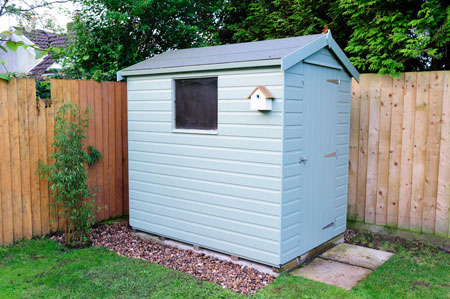
2. Spruce up the shed

“Garden sheds can also be neglected, and in many cases, they often house valuable garden tools and equipment – and so should be maintained to prevent any damp or mould taking hold,” underlines Englezos.

Make sure to give the shed a good clean using a hard wire scrubber to remove any excess debris, cobwebs, mud, mould or anything else that’s been attracted to your shed over the years, advises Englezos. “And make sure any holes are filled in using wood filler.”

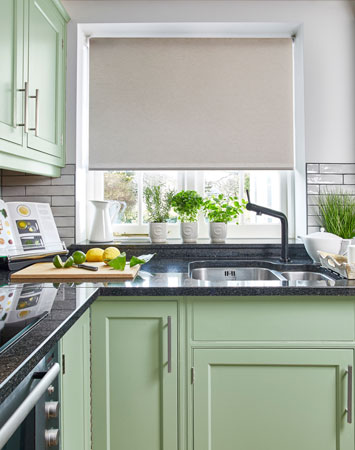
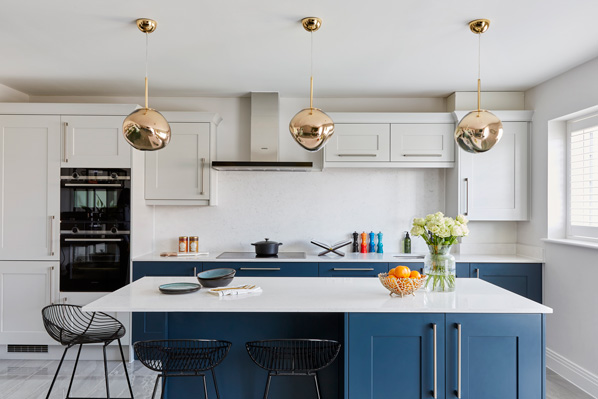
3. Paint kitchen cabinets

This is a great way to freshen up the appearance of a kitchen on a budget, suggests Englezos.

“Painting works best on wooden cabinets, but laminate ones can also be painted providing the laminate is in good condition – and not peeling.”

For best results, he says to use a paint roller to apply the paint to the surface as this will help create a smooth, even finish.

Again, green is super popular and a great choice to improve your indoor-outdoor flow for a seamless transition from the kitchen to the garden… and sense of harmony by connecting your indoor-outdoor living areas.

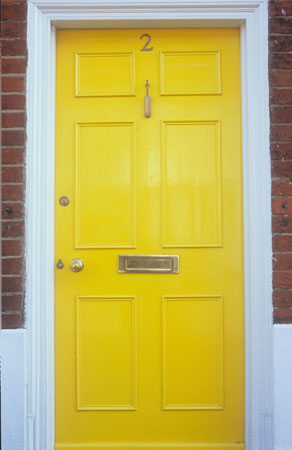
4. Paint the front door

“This is often the first thing people see when they come round to your home, so you want to keep it looking its best,” notes Englezos. “This can easily be achieved with a fresh coat of paint.”

Both wooden and composite doors can be painted, but he says to make sure to use the correct paint. Also make certain to thoroughly clean down the surface of the door beforehand using a household cleaner and warm soapy water.

“Apply the paint in the direction of the grain pattern with a synthetic brush and leave the first coat to dry for four hours.” He continues. “Apply the second coat before leaving to dry and then reattach the door hardware.”

5. Upcycle a piece of furniture

“Got an old bookcase or desk which doesn’t fit into the overall appearance of a room?

“A simple lick of paint can breathe a new lease of life into an old piece of furniture, and cover any scuff marks or stains to make it appear brand new.”

Moreover, it won’t test your DIY experience, promotes sustainability and comes with the satisfaction of completing a lovely project yourself.

“Simply lightly sand the surface using some sandpaper before giving it a wipe down with a damp cloth,” guides Englezos.

“Apply two coats of paint using a synthetic brush, making sure to paint in the direction of the woodgrain.” And there you have it.

3 of the hottest interior design trends for the coming year

McCarthy Holden Interior Design

If you’re looking for inspiration to immerse yourself in the world of interiors, these style notes from one of the major events in the design calendar, 3 Days of Design, showcase some of the biggest influences.

The theme of this year’s event, Dare to Dream, attracted tastemakers and interior aficionados from around the globe who flocked to Copenhagen to ‘celebrate creativity’.

Daniela Venturini, Wayfair’s resident art director and trend forecaster, says: “As an interior enthusiast, I love to delve deep into the world of contemporary aesthetics and visionary craftsmanship.”

“3 Days of Design was not just an exploration of current trends, but an immersive experience that encouraged us all to dare to dream, push boundaries and see the future of design with endless possibilities.”

McCarthy Holden Interior Design
Daniela Venturini, Wayfair’s resident art director

She says the city, the creativity and the collective spirit of the event left an indelible mark, urging us all to dream bigger and design bolder.

“Incorporate these key trends into your home, even on a budget, and you too can embrace the cutting-edge of design – and make it your own.”

So, which trends can you take away to up your interior styling?

Sculptural Futuristic

“Metals sit centre stage with mesmerising, statement-making finishes,” highlights Venturini.

“Think high-shine, mirror-polish and textured surfaces, from burnt and oxidised to patinated and brushed.”

“The tactile finish of these pieces adds an unexpected warmth to traditionally industrial elements.” She continues. “Metals like brass, bronze and copper are mainstays, while cool silver tones are also angling for the spotlight.”

Venturini’s top tips…

“Keep an eye out for budget-friendly metallic accessories. Look for vases, candle holders or picture frames with oxidised or brushed finishes, effortlessly incorporating tactile richness into any space, without breaking the bank.”

If you love a DIY project, she says to consider adding a patina finish to inexpensive metal furnishings. “Online tutorials can guide you on how to achieve a burnt or oxidised effect on bulkier items like chairs and side tables.”

McCarthy Holden Interior Design

Luxury Nostalgia

As consumers seek more meaningful items with a genuine narrative, handcrafted details and heritage-driven designs are gaining popularity, notes Venturini.

“What we see, not only in Copenhagen, but also in trend-led hotels and on Pinterest, is a smorgasbord of retro and vintage-inspired pieces that shine a light on nostalgia, while maintaining current-day individuality,” she underlines.

“Rich materials from corduroy, boucle and walnut to burled wood, smoked glass, steel and leather graced numerous installations, blending traditional and modern effortlessly.”

Venturini’s top tips…

For vintage-inspired, retro pieces, she says to search for tactile fabrics, richly upholstered furniture, walnut-finish tables or rustic wood décor.

“Don’t underestimate the power of second-hand… find pre-loved pieces that can be upcycled with simple DIY projects, such as reupholstering a chair or refinishing a coffee table.”

.

McCarthy Holden Interior Design

Fun Fusion Digitopia

“Digitopia saw the meticulous merging of technology and creativity, creating surreal, transformative designs that challenged convention,” explains Venturini.

“Picture brightly coloured yet monochrome products, and geometric offerings presented in unconventional forms – and you get the idea.”

“These imaginative products were truly expressive, embodying idealised escapism, fun and abundance, promoting optimism, creativity and self-expression.

“Who wouldn’t want a bit of that?”

Venturini’s top tips…

She suggests introducing playful, vibrant accessories such as accent pillows, rugs or wall art, along with bold patterns and colours to lift the mood of any room.

“Incorporate smart home products that blend style and technology, such as stylish smart light fixtures or interactive décor pieces.” And there you have it.

McCarthy Holden Interior Design

How to stop the financial details stored on your mobile phone becoming a goldmine for thieves

MOBILE PHONE DATA RISK

Being deprived of your mobile phone when thieves strike may be bad enough, but victims sometimes lose much more than just their device.

A quarter (26%) of mobile theft victims also experienced fraudulent transactions, according to a new survey, with the average loss put at £2,711.

Around one in nine (11%) people say they have been targeted by thieves for their mobile phones in the past five years, research from money insights provider Intuit Credit Karma found.

With mobile phones often being the main way people carry out their routine financial admin, some devices could be a treasure trove for thieves.

By Vicky Shaw, PA Personal Finance Correspondent

MOBILE PHONE DATA RISK
Akansha Nath, general manager (international) at Intuit Credit Karma

More than four-fifths (82%) of smartphone users surveyed have at least one banking or financial app on their phone.

Nearly two-fifths (38%) admit to storing sensitive information on their device, such as passwords and pin codes.

In other phone security “faux pas”, a fifth (20%) have passwords and pin codes stored in the contacts section of their mobile phone, according to the survey by Opinium of 2,000 adults across the UK in March.

Despite crucial information being stored on phones, over a fifth (22%) of people claim that if they lost access to their phone, they wouldn’t know their online banking logins.

Akansha Nath, general manager (international) at Intuit Credit Karma, says: “Experiencing mobile phone theft is a distressing situation which can be exacerbated if the perpetrator then uses the phone to access sensitive financial information.

“Therefore, safeguarding any banking information stored on your phone is crucial. While preventing phone theft isn’t always possible, there are measures you can implement to secure your sensitive banking information in these unfortunate situations.”

.

MOBILE PHONE DATA RISK

Here are Nath’s tips on how to keep financial information safe on your phone and stopping personal details becoming a goldmine for thieves:

1. Remember your passwords or add extra security

“It can be easy to just save your passwords to your ‘notes’ app, but it is also easy for a thief to access these notes when stealing your phone which then allows them to gain access to all of your online accounts, including your banking apps,” says Nath.

She suggests: “Try your best to remember your passwords and don’t keep them stored on your phone. If you struggle to remember these passwords consider using a reputable password manager application to securely store and manage your passwords.”

She adds: “Choose a password manager with features like two-factor authentication and strong encryption to enhance security further.”

2. Take care when using Wi-Fi and Bluetooth

Nath warns that hackers can exploit unsecured connections.

She suggests: “Stick to trusted networks and devices or use a virtual private network (VPN) when accessing sensitive information over public networks.”

3. Set up passcodes and biometric locks

“Always lock your phone with a passcode, pattern, or biometric authentication like fingerprint or facial recognition,” says Nath.

“This prevents unauthorised access to your device, reducing the risk of someone accessing your sensitive information if your phone is lost or stolen.”

4. Be mindful of your surroundings

Being aware of the physical situation you’re in – and the potential threats from your immediate location – can be as important as being mindful of the technology you’re using.

Nath says: “When using your phone in public, be aware of your surroundings and avoid displaying it unnecessarily.

“Keep your phone securely in your pocket, bag, or hand, and refrain from leaving it unattended on tables or countertops. Being vigilant can deter opportunistic thieves and reduce the risk of your phone being snatched or grabbed by someone passing by.

“If you need to use your phone in a crowded area, try to find a safe and secluded spot away from prying eyes to minimise the chance of theft or unwanted access to your device.”

5. Monitor your credit

Keeping up-to-date with your credit reports can help you to spot if someone has tried to use your financial details fraudulently, perhaps by taking out a loan in your name.

Credit monitoring tools will send you notifications if there are any changes in how you have used your credit.

If you think your details have been compromised, or you spot a transaction on your account that doesn’t look right, tell your bank immediately, as well as the police.

In addition to Nath’s tips, it’s worth bearing in mind that many banks have also signed up to an anti-fraud phone call service.

If someone believes another person is trying to trick them into handing over money or personal details, they can hang up and call 159 to speak directly to their bank.

Those taking part in the 159 scheme include Bank of Scotland, Barclays, Co-operative Bank, First Direct, Halifax, HSBC, Lloyds Bank, Metro Bank, Monzo, Nationwide Building Society, NatWest, Royal Bank of Scotland, Santander, Starling Bank, Tide, TSB and Ulster Bank.

To help keep your mobile safe, consumer group Which? also suggests making sure that devices are kept up-to-date with security patches for new vulnerabilities, and steering clear of out-of-date, unsupported mobiles.

Which? also suggests adding a unique pin to your sim card, registering for Google’s Find My Device or Apple’s Find My iPhone, and disabling preview notifications. These flash up messages even when your phone is locked.

Another simple tip from the consumer group is to try to keep bank cards separate from your phone – as the two combined could make it much easier for a thief to pass security checks. Many banks have options to immediately freeze cards in their apps.

Finally, don’t forget to check your social media as personal details on online profiles could also give thieves clues to your passwords or answers to security questions.

.

How to renovate your kitchen sustainably

McCarthy Holden kitchen editorial

When looking to transform your home, one of the first things that comes to mind is the kitchen – after all, it’s the hardest-working room in the house.

And with sustainability high on the agenda, chances are eco-friendly choices are right up there.

Indeed, according to the latest kitchen trends survey by home renovation and design platform, Houzz, it’s overwhelmingly a priority for homeowners, with the vast majority incorporating sustainable features during their renovation (93%).

Interestingly, the majority do so because of the long-term cost-effectiveness (75%). So how do you tackle your kitchen renovation in the most sustainable way?

By Sam Wylie-Harris, PA

McCarthy Holden kitchen editorial

Why it’s important

“A kitchen renovation is often a big project,” says Amanda Pollard, senior editor, Houzz. “It’s likely to create significant amounts of waste and will involve choosing numerous different materials and elements, which will all have an impact on the environment.”

The kitchen industry consumes a lot of virgin raw materials to produce all of the different elements, such as wood products for cabinetry, metals for appliances and stone for worktops, explains Mark Byers, director of Oliver Green Kitchens.

“Fortunately, the industry has reacted to the high demand for raw materials by embracing recycling,” says Byers. “But consumers also have a part to play by making good material choices when replacing or updating their kitchen.”

As Felicity White, director of Felicity White Interiors, points out: “Kitchen renovations are typically the most expensive area of the home to renovate, so creating a kitchen that’s going to stand the test of time is also important financially.”

McCarthy Holden kitchen editorial
Amanda Pollard

The main things to think about

“There are three things to consider when choosing materials,” highlights Byers. “The first is whether it contains any recycled content, the second is its durability and the third is its end-of-life.”

Manufacturers play a big part in producing items that incorporate recycled elements, but we as consumers should be asking the question of how much, if any, recycled material is used in a product, advises Byers.

Secondly, considering the items’ durability means not buying products just based on price. “The cheapest products will often end up costing more over time because they simply don’t last,” says Byers.

“Sadly, the cheapest products are also the least likely to incorporate any recycled material and often cannot be easily recycled themselves,” notes Byers. “So being able to recycle, refurbish or repurpose products when you’re done with them is an important final consideration,” he adds.

One of the first questions we ask our clients is whether they can keep any elements of their old kitchen, says White. “Sometimes the cabinet carcasses are well-constructed and it’s a case of replacing the cabinet fronts and handles, or even wrapping the cabinet fronts to save throwing them away.”

However, if you’re planning a complete overhaul, and the existing kitchen is in good enough condition, she says it may also be possible to sell it through second-hand kitchen vendors, such as Rehome.”

McCarthy Holden kitchen editorial

What materials are best?

White says to aim for natural materials. “For cabinets and door fronts, FSC timber and plywood are better options than particle board or MDF options you typically find with large kitchen retailers.”

“With the right construction and treatment, natural wood can last longer as it’s stronger and can be repaired, whereas engineered wood can’t. Engineered wood can also contain high levels of formaldehyde, which can be nasty if it gets into the air, she adds.”

One material to use less of, or not at all, is MDF, warns Byers. “As it’s difficult to recycle, most MDF products at the end of their life are used for fuel, which releases carbon and other [unpleasant] chemicals into the atmosphere.”

“Laminate worktops are also not great,” he notes. “Not surprisingly, both these products are heavily used in the kitchen industry because they’re cheap. As a broad guide, the best products to use are those that can be recycled and used in new products or can be refurbished or repurposed.”

When choosing materials for your new kitchen, experts on Houzz advise researching where the item is coming from, how it has been made and what is in it, says Pollard. “It’s also best to source items as locally as possible and keep chemicals to a minimum.”

McCarthy Holden kitchen editorial

Caroline Quentin: Being an actor and a gardener is not a happy combination

Caroline Quentin Gardening McCarthy Holden

The Men Behaving Badly and Life Begins star, who recently appeared in Sky sci-fi series The Lazarus Project, also offers a wealth of advice and tips to her 150k followers on Instagram (@cqgardens).

Her husband, Sam, does much of the filming when she invites followers into her home near Tiverton in Devon, where she makes all sorts of dishes from ingredients she has grown, and shows us what she’s up to in her two-acre garden – which features an orchard, pond, greenhouse, raised vegetable beds and a flower garden, where the magic takes place..

Caroline Quentin Gardening McCarthy Holden

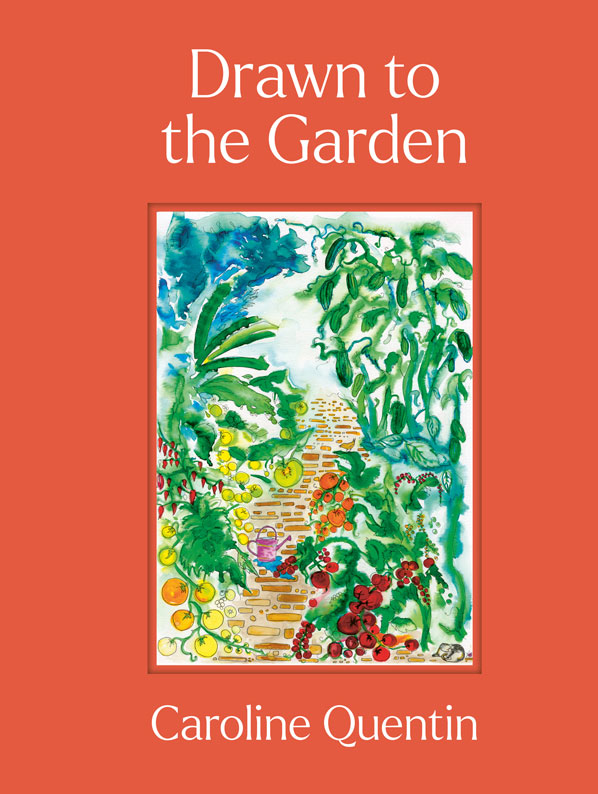
Now, Quentin has written – and illustrated – a new book, Drawn To The Garden. It’s part memoir, part guide, with chapters on seeds, salads, fruit and veg, water, herbs, pets and pests, memories and anecdotes meandering through each section.

Her garden, she says, is “not immaculate”. Weeds haven’t taken over, but she allows some buttercups and daisies to encourage bees.

“By my nature, I’m quite a chaotic person, so I don’t need things to be immaculate, but my vegetables are in a rotational system. I’ll mow a path through the grass rather than cut all the grass. I garden organically.”

The book also features a chapter on wellbeing, an important element to Quentin, whose mother suffered from bipolar disorder and spent periods in a psychiatric hospital, she recalls in the book.

When she was allowed to visit, she’d spend time in the hospital gardens, surrounded by marguerites, which she still loves.

“I genuinely believe that growing things, watching the birds, smelling the roses, eating the green stuff and drawing and painting, all help keep me this side of sanity and one step away from the big dark house on the hill,” she writes.

Here, she tells us more…

Caroline Quentin Gardening McCarthy Holden

How much has gardening benefited your mental health?

“I consider it responsible for my wellbeing. I am by nature someone who goes up and down. I have mood swings, I get low. And if I do feel low, the first thing I turn to is my garden, or if I can’t be near my garden, the nearest open space or natural environment.”

Did you always have access to a garden?

“As a little girl, we had a long strip of suburban terraced house lawn. It was not really a gardening space. Nobody in my house was particularly interested in gardening.

“I wouldn’t say I was a gardener when I was young but at primary school, I’d put a seed on a bit of blotting paper or a bulb in a jam jar with water underneath and it was fascinating. The whole optimism about growing things is always a good thing.”

What was your garden in Devon like when you first moved there?

“It was a derelict property, with just a field and a trickle of stream at the bottom. There was no garden. That was about 17 years ago.

“I put the pond in first because I knew when you put water into a garden, nature comes, and that was what I was most interested in. It was one of the most exciting things I’ve ever done with a garden. I swim in it too.”

How do you juggle your acting career with looking after the garden?

“You tend to film in the summer months, and gardening obviously happens a lot in the summer months as well. So I tend to be in the greenhouse in January, February and March, getting everything ready, sowing my seeds, getting the garden ready, and then suddenly the phone will ring and I’ll need to be away from the garden when everything needs to go in and be planted out. Being an actor and a gardener is not really a happy combination. The time balance is somehow wrong.

“I’m filming two dramas this year. I do get homesick. I’m really bad at being away from home, which is weird given that I do it for 90% of my life. But it’s a small price to pay for what has been a very enjoyable career.”

Do you have help?

“Sam will water for me, but he’s not a gardener. Anthony (her gardener) has helped me over the years. He comes in for a morning a week.”

Caroline Quentin Gardening McCarthy Holden

How do you maintain your wellbeing in the garden?

“I hug trees, I talk to trees, I spend as much time as I can in woodland. They call it forest bathing. It’s a deeply rooted human thing to want to be in the shade or dappled light of a tree on a summer’s day.

“I don’t formally meditate, but I do have a process where I try to breathe well when I’m outside if I’m feeling stressed or trying to learn some lines and they’re not going in, or there’s too much to do. I do a little bit of yoga every day. In the summer, I can do that outside and get my breathing organised to just slow my heart rate down and breathe in some good air.”

What’s next?

“I’m planning to downsize and start a new garden (in Devon). My children (Will and Rose) have left home and we have a big house and big plot of land. I’m getting older and maybe it’s time for me to start thinking about a garden for someone in their 60s. I want to make my next garden as well, I don’t want to inherit one. At the moment I’m fixated on having bees. So I’m thinking of an orchard with bees in it, and possibly some wildflowers.”

What will you take from your old garden to your new garden?

“Probably water. What’s brought me the most joy is watching swallows over the pond on a summer’s evening. I would definitely grow apples again and I would have maybe three or four raised beds, and a greenhouse or potting shed.”

Drawn To The Garden by Caroline Quentin is published by Frances Lincoln on February 15, priced £20.

Caroline Quentin Gardening McCarthy Holden

Latest Property Magazine & Market Insights

Magazine Icon McCarthy Holden

We are please to create our latest edition of In The Country & Town, providing an opportunity to provide our readers with market insights and also showcase some great properties to buy or to rent for those starting their 2024 property search this month.

In January and early February 2024 the house market has moved quickly with positive buyer activity turning into a healthy amount of new property sales, confirming in our view that house buyers believe that the best in house buying opportunities will be during the first six months of 2024.

For market insight and our advice to buyers and sellers, just click on the image below.

There are many fine properties to see within the pages of our magazine and you will see the wonderful interiors of some of the finest properties on the Berkshire / Hampshire borders, including a preview of the property shown below which is not yet on the open market. If you click on the image you will see more details and a video tour embedded in the magazine.

And here is another magazine preview exclusive, Situated within the sought after village of Herriard.

This exquisite three bedroom detached family home built in 2020 by Forays Homes, is located within an exclusive development of just three detached properties.

Benefits to this property include a detached double garage with ample driveway parking, air source heat pump, dressing room, underfloor heating, and wonderful countryside views.

Click on them image below for more details. 

Why not indulge in looking at our 90 pages magazine and see the wonderful interiors of some of the finest properties on the Berkshire / Hampshire borders.

We also hope you will enjoy reading some of the editorial features, including recipes from new chef Big Zuu, Caroline Quentin on her gardening experience, Paloma Faith: Becoming a mum, why going plant-based could transform your health, Michael Sheen on why he hopes The Way ‘gives voice’ to Port Talbot, TV & Film on One Love star Kingsley, how to renovate your kitchen sustainably, and motoring. 

Click image below for a full read.

Ella Mills’ creamy black bean and harissa stew

Ella Mills Deliciously Ella McCarthy Holden news item

“The best thing about batch cooking is that the flavours of the dish tend to get better the longer they marinate, so the leftovers are always a real treat, and this is certainly the case in this recipe,” says Ella Mills, the brains behind Deliciously Ella.

“It’s hearty and cosy, with lovely spices from the harissa, sweetness from the coconut and maple syrup, and a delicious nutty flavour from the almonds. The aubergine gives it great texture, while the beans ensure it really fills you up. It’s great on its own for a light supper, or for something a bit more substantial serve it with jasmine rice, jacket potatoes or crispy roast cauliflower.”

Creamy black bean, harissa and almond butter stew

Ingredients:

(Serves 4)

1tbsp olive oil

2 shallots, halved and finely sliced

1 aubergine, finely diced into 1cm cubes

4 garlic cloves, crushed

1 × 400g tin of black beans, drained and rinsed

3tbsp harissa, plus extra to serve

1 × 400ml tin of coconut milk

400ml hot vegetable stock

2 heaped tbsp smooth almond butter

2tsp maple syrup

Grated zest and juice of 2 juicy limes

Sea salt and black pepper

Method:

1. Put the olive oil into a large frying pan over a medium heat, add the shallot and aubergine and a pinch of salt and fry for five minutes, until soft. Add the garlic, black beans and harissa and fry for two minutes, until fragrant.

2. Pour in the coconut milk, stock, almond butter and maple syrup. Bring to a boil, then put the lid on the pan and turn the heat down to a simmer. Cook for 15 minutes, until the sauce has thickened.

3. Stir in the lime zest and juice and season with salt and pepper to taste. Swirl an extra tablespoon of harissa through the stew to serve (if you’d like a little extra spice).

Note: To make crispy roast cauliflower, simply chop your cauliflower into small florets, place them on a baking tray with a tablespoon or so of olive oil and a sprinkling of salt and roast in an oven preheated to 200ºC fan for about 20–25 minutes, until golden and crispy.

My girls love this recipe too, so when I’m cooking it for the family I hold off on the harissa and stir it into the adult portions once I’ve served the little ones.

Ella Mills Deliciously Ella McCarthy Holden news item
Ella Mills’ creamy black bean and harissa stew

Deliciously Ella: Healthy Made Simple by Ella Mills is published by Yellow Kite, priced £22. Photography by Clare Winfield. Available now.

Ella Mills Deliciously Ella McCarthy Holden news item
×
Find a Property
M
Country & Equestrian
By submitting this form, you agree to McCarthy Holden using your personal data in accordance with our Privacy Notice.