



A beautiful bouquet is one of life’s pleasures… and embellishing your home with florals, botanicals and ditsy prints is an imaginary way to reinvent your existing scheme.
Whether it’s through soft furnishings, romantic accents or pretty pottery, think a timeless, mood-enhancing aesthetic inspired by a secret garden… without the need for a patch of green grass.
To get the look, these hand-picked bouquets are ready to mix and match…
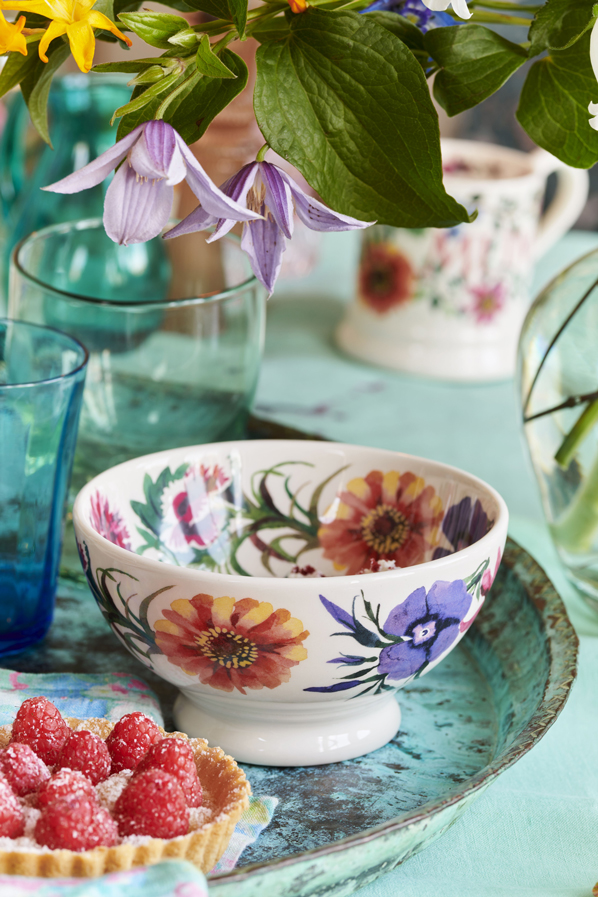
1. Emma Bridgewater Garden Flowers French Bowl, £24; Garden Flowers Half Pint Mug, £25, Emma Bridgewater
With a country cottage vibe, these brilliant blooms will bring colour, texture and panache to tea parties.
2. Laura Ashley 2.8L Stovetop Kettle China Rose, £59.99, Boots
With a delightful whistling sound and designer print finish, this stovetop kettle combines function with flair.
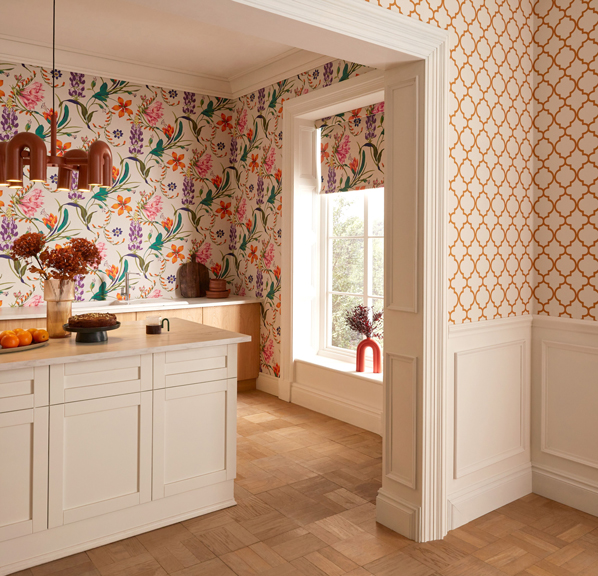
3. Botanist’s Scroll Vivant Wallpaper, £95 per roll; Trellia Orange Wallpaper, £95 per roll, Graham & Brown
A flowery feature wall in vibrant shades of pink, purple, fuchsia and orange has dopamine décor written all over it – and is an appealing vista with character and charm. For a cohesive scheme, pair with this co-ordinating Trellia print for a grand display.
4. Ditsy Floral Seat Pad – Dusky Pink, £19.99, Rucomfybeanbags
This sweet seat pad will style up a spindle chair, or garden seating.
5. Wimbledon in Bloom Tea Towel, £14; Wimbledon in Bloom Large Mug, £19; Wimbledon in Bloom Drinks Tray, £24; Wimbledon in Bloom Apron, £26, rest of items from a selection, Shop.Wimbledon
An exciting new homeware collection themed to ‘tennis in an English Garden,’ this floral range features iconic Wimbledon motifs such as strawberries, tennis rackets and winner’s trophies, strewn with pretty petals and greenery.
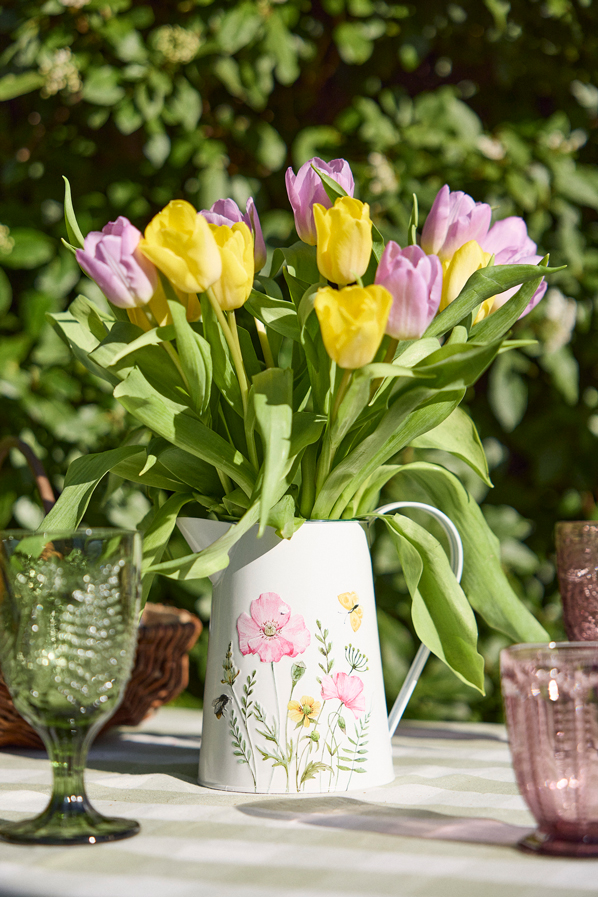
6. Cornflower Pitcher Jug Vase, £16, Dibor
With peony season coming into swing and tulips teasing us with their rich hues, this vintage style vase will enhance your petal power.
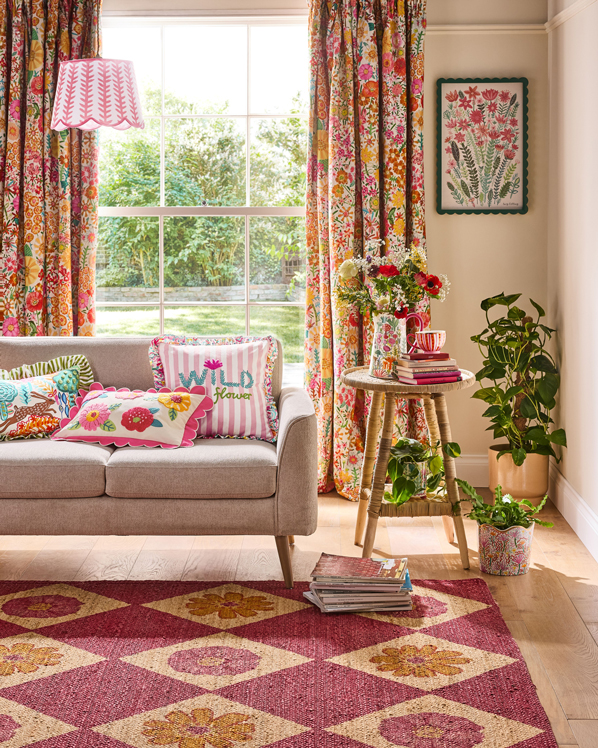
7. Lucy Tiffney Floral Pencil Pleat Campion Blackout Lined Curtains, from £50 to £145; Lucy Tiffney Pink Wildflower Embroidered Cotton Cushion, £24; Lucy Tiffney Pink Floral Diamond Jute Rug, from £60 to £280, rest of items from a selection, Next
A fantastic way to make everything feel fresher is with a new set of curtains… especially a playful floral print you can have lots of fun with. Set against a neutral background, these pops of colour can be picked up with statement scatter cushions, whimsy accessories, and a colourful throw rug to spice things up.
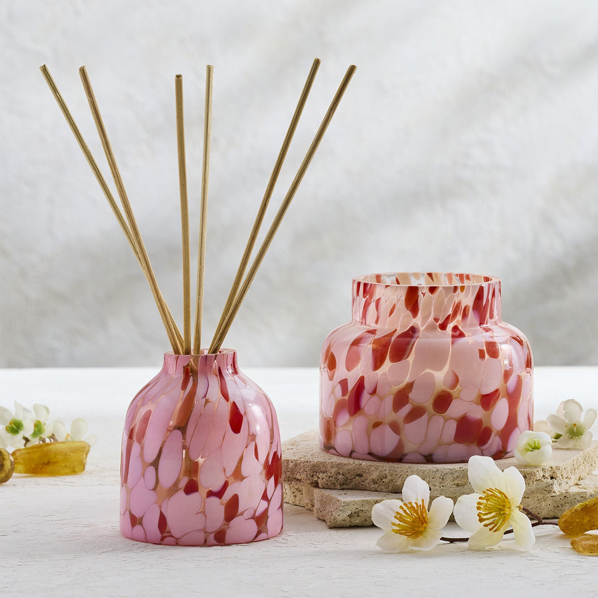
8. Habitat Confetti Glass Reed Diffuser – Pink Jasmine & Amber, £11, Habitat
The easiest way to scent the home for summer… a decorative diffuser. Think sweetish aromas of pink jasmine with woody hints of amber, to mirror those blossom patterns and cute collections.
.

Most of us have experience with annoying neighbours. Whether it’s inexplicably always living next door to someone who loves listening to drum and bass at 11 o’clock at night or dealing with quibbles over whose responsibility it is to fix a broken fence panel after an unruly storm, dealing with residential annoyances is part of daily life.
However, new drama The Feud explores what happens when neighbourly disputes get kicked up a notch. The 5 drama, which stars Waterloo Road and The Cuckoo’s Jill Halfpenny and Spooks’ Rupert Penry-Jones as Emma and John Barnett, follows a couple living in peaceful suburbia as plans for a kitchen extension have disastrous consequences.
(By Rachael Davis, PA Assistant Lifestyle Editor)
As objections to the Barnett’s building plans are raised, unexpected and life-threatening secrets are unearthed and Emma’s dreams of upgrading her home twist into obsessive paranoia, fear, and danger – resulting in incalculable consequences for the couple and other residents of Shelbury Drive.
Before the drama unfolds, let’s hear more from stars Halfpenny, 49, and Penry-Jones, 54, about the twists and turns of the not-so-neighbourly disputes.

JH: The Feud is a tense thriller. No one is being honest about what they’re doing or how they’re feeling, which makes for exciting television. Even my character Emma, who feels she’s deeply honest, still lies.
It’s a scenario we can all relate to, most people have WhatsApp groups, and most people have experienced neighbours having work done to their house. But where The Feud takes us is the stuff of nightmares.
RPJ: The Feud follows a microcosm of neighbours who live in a cul-de-sac and has elements everybody will connect with. In fact, when we were discussing the series, everyone had a story to tell about battles with neighbours or building disruption. Everyone will be able to relate to a street of people which can implode.
This takes situations to extremes by taking all the worst stories you might hear and combining them into one story.
JH: With suburban life, and a street like Shelbury Drive, we all like each other until someone does something to interfere with our lives. We like each other because we’re not getting in each other’s way but the minute you play your music, park over a driveway, or your teenager brings all their friends over, there’s a problem.
In suburbia we’re all fine with each other as long as we’re leaving each other alone – that’s not friendship. If you say you love your neighbours because they don’t do anything to p*** you off, that’s a pretty low bar.
In the first episode you see how quickly the neighbours react defensively – they all profess to like each other and yet within the first episode they all become obstructive.
.
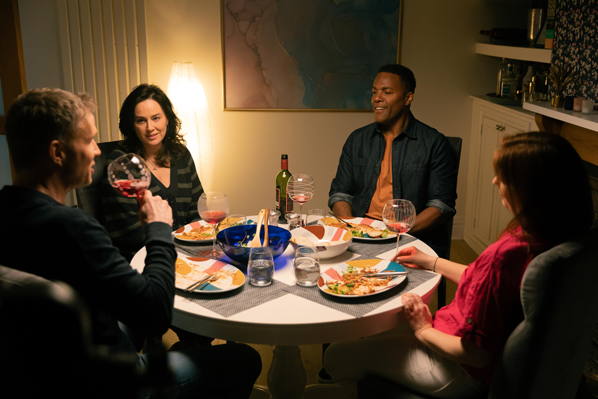
JH: I do have a WhatsApp group and ours mainly consists of bin talk. We live in a flat in a Victorian house and the bins are regularly blown over. There are six bins per house so there’s a debate about who puts the rubbish back in the bins.
The comments by the neighbours in The Feud are very passive aggressive and it doesn’t take long to become out and out aggressive. The gloves are off and there’s no time for WhatsApps anymore.
Another fun aspect of playing Emma is she thought everyone was cool with one another – never believe the WhatsApp group, Emma!
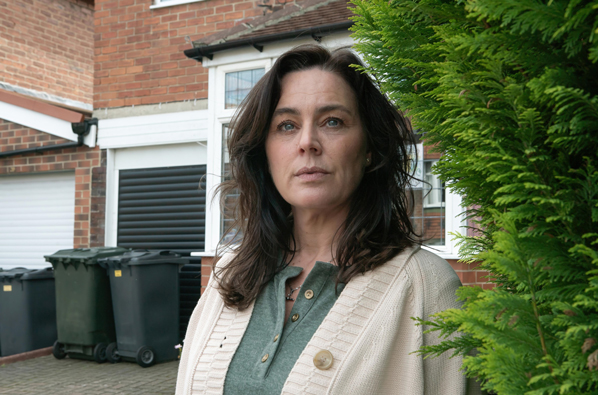
RPJ: Emma and John are trying to fix a fault in their relationship and had planned to move home, but Emma decides it would be better to stay and do up the house. Many people, especially at the moment, would understand it’s cheaper to do up your kitchen or build an extension compared to moving and the cost of stamp duty.
However, John’s reasons for wanting to move are not as honest as he pretends. He finds himself in deeper water than intended and he’s trying to run away, so when Emma says they’re going to stay he has to go along with the decision. This compounds all the pressure he’s already feeling.
RPJ: You know immediately something terrible has happened and all is not as it seems, because the series opens with the house covered in blood. That’s quite fun, and you don’t know how the story reaches that situation.
Emma, Jill’s character, is under constant pressure – as she tries to deal with one person, her phone pings with a message from her dad, and then there’s another message from the builder. The heat’s slowly being turned up underneath her.
There’s a lovely sequence in episode three where our neighbours Derek and Barbara are so angry with us, they start playing modern freeform jazz at full volume through the walls. The scene is like what’s going on inside John and Emma – they’re trying to live normally with a terrible noise in their heads…
In a way the scene reflects the whole series – they’re trying to keep in control, bottling everything up, until they just explode.
JH: I didn’t predict how it would end. I never imagined it would turn quite so gruesome, and I never expected it would go as far as it goes when it starts out in such a domestic setting.
The Feud starts on Monday, April 14 at 9pm on 5


Alan Carr’s signature sense of humour has made him something of a national treasure. Outside of the comedy circuit, he’s been getting stuck into all things interior design in shows like Amanda & Alan’s Italian Job and Spanish Job, which he presented alongside Amanda Holden, and Interior Design Masters, which is soon to return for its sixth series on BBC One.
By Rachael Davis, PA Assistant Lifestyle Editor

Once again Carr, 48, is welcoming 10 interior designers on the ultimate crash course, tasking them with transforming a range of spaces for discerning clients across the country, with their design creations being judged by guru Michelle Ogundehin and a bunch of celebrity guest judges.
Ahead of the show’s return, let’s find out more from the hilarious host.
ALAN, THIS IS THE SIXTH SERIES OF INTERIOR DESIGN MASTERS – WHAT KEEPS YOU COMING BACK?
I think the way they push the envelope, just keeps me excited in it. Because it is the sixth series now, and I think they need to excite me, they need to excite the designers, and I think they need to excite the audience. So that’s why I keep coming back. It’s a laugh, and it’s a giggle, you know?

YOU CAN TELL YOU’RE HAVING FUN! TELL ME ABOUT SOME OF THE PROJECTS IN THIS SERIES.
We’re doing youth hostels, and then we also do a dog’s transition room at Battersea Dogs & Cats Home. We do comedy clubs up in Edinburgh. We do quirky cottages up in Portmeirion for the final, which is so surreal, so fabulous, so fantastic.
(Battersea Dogs & Cats Home) was heart-wrenching for me, because, you know, you’re trying to be on your game, and then you’ve got these dogs!
But this was really interesting though, because it wasn’t just a kennel. What they designed was (for) the dog that was transitioning from being in Battersea Dogs & Cats Home to having its new home, so they had to create a room that looked simulated like a normal room to bring them gently into: ‘You’re going to have your forever home now’. So you can imagine how emotional that was…
You’ve got a charity, a fantastic charity like Battersea Dogs & Cats Home, they’ve got what they want, but what does the dog want? And how do you stop a dog that’s nervous or angry, calming it down, ready for its new home? I mean, that is such a curveball, isn’t it, for any designer.
SOME BIG PROJECTS, THEN… HAS THE STANDARD GONE UP?
The standard has gone up, which makes it hard for me, because I do like the weird and wonderful ones, just from a comedian’s angle, where we like to go in there and someone’s gone, what the hell’s gone on here? But you find as you get people who love to do it so much, and who have clearly watched the show and want to win, the standard does go up, and you can’t really take the mick so much because they’re bloody good. Damn!
DO YOU HAVE TO BITE YOUR TONGUE SOMETIMES IF YOU SEE SOMETHING YOU FIND FUNNY OR UGLY?
Yes, I do have to bite my tongue! I do have to bite my tongue, and they don’t warn me, I go in there and what you see is what you get. I mean, you know my poker face is not the best.
I think the reason I got the job was (because) they said: ‘Alan, you are the people at home’… I’ve got no filter. It’s got me into so much trouble before. But like I said, I go in there and, you know, if they’ve painted it the colour of baby poo, then it’s baby poo! If it looks like the inside of a nappy, what can I say?
But, yeah, I try not to be too cruel… But, I mean, sometimes I can’t help myself. You know, there’s so many WTF moments and you’re going ‘really?’ But I think that’s the joy of the show.
You get people who inspire you, you go: ‘Wow, I’m going to do that in my house’, to people like: ‘Oh my God, do not come anywhere near my house!’

DO THE ELIMINATIONS GET EASIER AS TIME HAS GONE ON?
Every series I say: ‘Can we just have a trap door put in?’ It’s just quicker, swifter, you know, one pull and they’re gone, and you don’t have any awkward goodbyes. Or gunging?
I just hate confrontation anyway, and it’s the worst bit when someone has to go home. And I do sit there sometimes like a child in a divorce proceedings. I just sit there with my hands between my knees looking awkward. I just hate people going home.
And of course, the longer you’re there, you know them. You know them so well, because we spend all day, whether it’s in Bristol, Glasgow, Edinburgh, we’re there. So, yeah, I mean, it never gets any easier, even though it is six series in. I mean, my toes are so curled up, I can’t bear it!
AS YOU SAY, THIS SHOW HAS YOU TRAVELLING ALL AROUND THE UK, MEETING ALL SORTS OF PEOPLE – WHAT DO YOU LOVE ABOUT THAT?
Yes, you do get to spend (time in) some lovely places, like Rye, I’d never been to before, and because it was streets, everyone in Rye came out to see the transformation, and they did something with the front of the shop. You’ll see it on the show, as the camera pans round, I think the whole of Rye was there and just gave a massive round of applause because they approved of what they’d done. So that was a real emotional moment for me, Michelle and the people, you know, you can’t get a better endorsement than that!
And then Edinburgh, went to comedy clubs, and they were actually doing up some comedy clubs that I had performed in when I was back in the Fringe, back in 2003 and 2004, so that was really, really emotional for me.
And then in the final I spent three days in Portmeirion, which is just so surreal and fabulous and everything, right on the outskirts there in Wales.
See, I’m so lucky. I get to spend time in these lovely places.
Obviously the industrial estate in Bristol with the containers – you know, it wasn’t Vegas, but you saw a different side of Bristol!
Interior Design Masters with Alan Carr returns to BBC One on Thursday, April 10 at 8pm
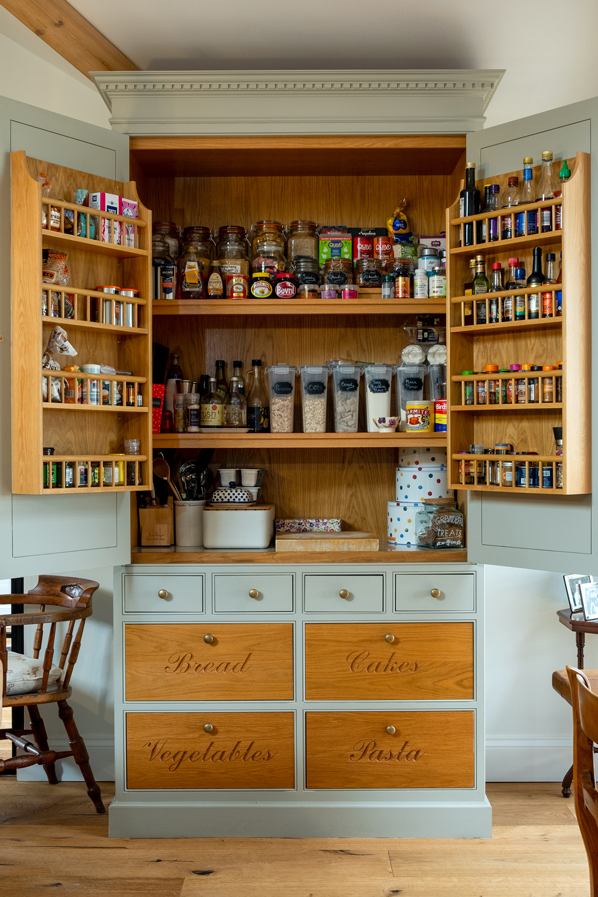
Beyond the layout, smart technology, integrated appliances and sociable aspect for family and friends to mingle, storage is key to a modern kitchen.
Moreover, when placing your products – from dry foods to tins, to spices and food processors – a dedicated space is key to making your daily routine stress-free.
And with the trend for open-plan schemes and clutter-free surfaces, a pantry is right on point when planning an upgrade, or making every space count.
(by Sam Wylie-Harris PA)
Commonly associated with large farmhouse kitchens in spacious homes, Looeeze Grossman, founder of The Used Kitchen Company, says that couldn’t be further from the truth.
“A well-designed pantry is an asset in any kitchen, regardless of its size,” opines Grossman.
Here, the design expert shares her top tips for pantry planning…
If you have a large kitchen, it’s all about smart storage
If you have a large kitchen, but no pantry, adding one is a worthwhile investment, advises Grossman. “You may see it as sacrificing valuable kitchen space, but the benefits you’ll get in return are hugely worth it.”
Not only could it add more value to your home, but buyers often add a kitchen with a pantry to their wish list, says Grossman.
Moreover, she says you’ll actually gain more space by decluttering your worktops. “Small appliances, bread bins and storage items can be neatly tucked away, allowing your kitchen to maintain a sleek, showroom-worthy look.”
A pantry also makes it easier to stay organised. “With clearly labelled shelves and a well-thought-out layout, you can quickly locate ingredients and kitchen essentials.
“Seasonal cookware, rarely used gadgets, and holiday-specific items can be stored here,” suggests Grossman. “Freeing up your everyday cupboards for items you use on a daily basis.”
If you have a small kitchen, you can still create a pantry space
Even in the smallest of kitchens, a well-planned pantry space can make all the difference, highlights Grossman.
“Wall-mounted solutions like spice racks and plate racks offer an effective way to maximise vertical storage, freeing up valuable cupboard space for dry goods and bulk ingredients.
“Open shelving can also be a stylish and practical option, allowing you to keep essentials like jars of pasta, rice, and cereals within easy reach while adding character to your kitchen,” suggests Grossman.
If you prefer a more streamlined appearance, she says to use wicker baskets or containers inside your cupboards – making it easier to find what you need without rummaging through cluttered shelves.
Grossman continues: “For those who prefer a more concealed storage approach, slim pull-out pantry units or stackable organisers can transform even the narrowest cupboard into a functional space for food storage.”
“Clever additions like over-the-door racks for spices or small tins can create extra storage without taking up valuable worktop space,” she adds.
Whether tucked away or showcased as part of your kitchen’s design, Grossman says a thoughtfully arranged pantry ensures even the most compact kitchens remain both stylish and highly functional.
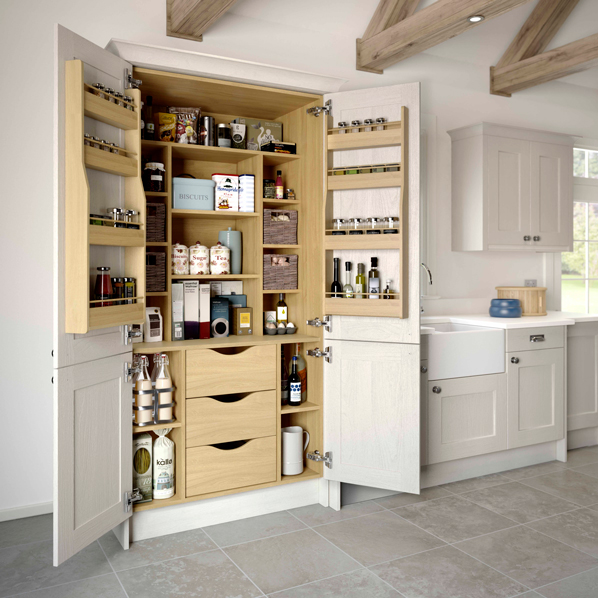
It doesn’t have to cost a fortune
Designing a functional and stylish pantry doesn’t have to come with a high price tag, she underlines. “While many assume adding a pantry requires a significant investment, it can be achieved cost-effectively with the right approach.”
Think second-hand or ex-display, that can be used as a standalone unit or part of a larger kitchen redesign. In addition, most pantry layouts follow a simple, formulaic approach, notes Grossman.
“Shelves for dry goods, designated spaces for jars and tins, and clever use of vertical storage – instead of splurging on high-end organisers, everyday household items can be repurposed to create a tidy and efficient space.”
She says basic baskets, repurposed jars, and stackable containers work just as well as premium alternatives, helping to keep everything in order without unnecessary expense.
Even more budget friendly, Grossman suggests checking out car boot sales, online marketplaces and discount stores for baskets, jars, and organisers… a fraction of the price of high-end homeware shops.
“With a little creativity and resourcefulness, you can design a well-organised, stylish pantry that maximises space and functionality, all without overspending.”
Organisation is key
A well-organised pantry isn’t just about storage, it’s about creating a space where everything has its place…
Thoughtful layout planning is essential, and by ensuring everyday essentials are easily accessible, and surplus items neatly tucked away, even the smallest pantry can feel spacious and efficient, says Grossman.
Beyond practicality, a well-arranged pantry can be a design feature in its own right, she enthuses. “There’s a certain satisfaction in opening the pantry doors to a beautifully arranged space.
“In fact, a thoughtfully planned pantry often becomes a talking point, with friends unable to resist taking a peek at what’s inside.”
With the right balance of organisation and creativity, Grossman says a stylish and efficient pantry is well within budget for every home.
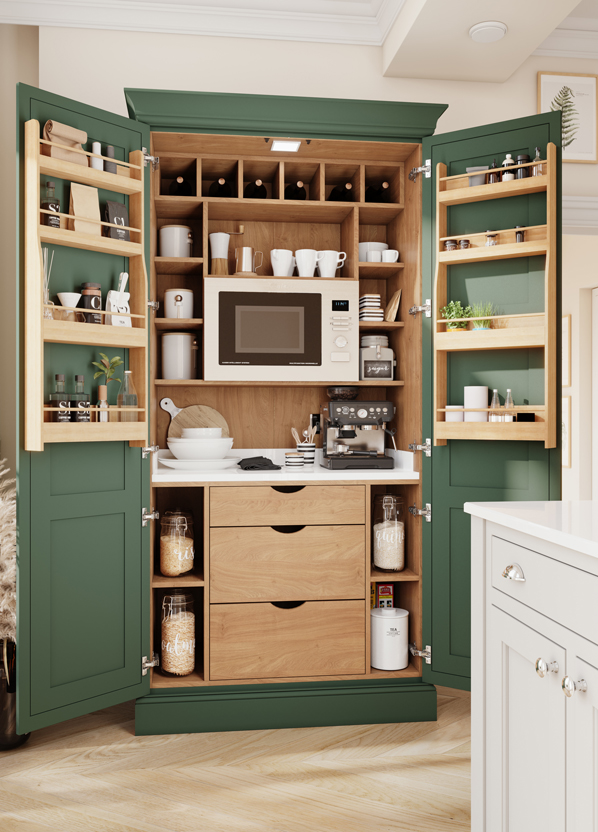

By Yolanthe Fawehinmi, PA…
Matt Baker’s dream farm looks like the traditional hill farm he grew up on in the Durham Dales.
But when the 47-year-old British TV presenter thinks about the 600-acre farm in Eryri, (formerly Snowdonia), North Wales, that tenant farmers (people who rent land from a landlord and work the land) compete for in the second season of Channel 4’s National Trust: Our Dream Farm With Matt Baker, it’s a close second.
“I’m very fortunate to have grown up on a very traditional hill farm in Durham Dales. That’s the farm that I love. I love a mixture of landscapes as well. Welsh farms are very similar to the kind of farms that we have in the Durham Dales, but thankfully, my dream farm is the farm I grew up on,” says Baker, a former presenter on children’s television show Blue Peter from 1999 until 2006.
“It’s the world I know and love. It’s where I feel comfortable in that kind of landscape with lots of dry stone walls and older buildings, but also more modern buildings that you can drive tractors in and get all of your stock in if needs be. I love a hardy, rugged farm with a good yard and some modern barns.”
In the documentary-style series, seven shortlisted candidates are put under the watchful eye of the National Trust as they complete real-life farming tasks in the hope of becoming the new tenants of a unique hill farm in the national park, with a four-bedroom farmhouse at its heart, for the next 15 years.

The National Trust have a lot more applicants for their farms than they have to give.
So in National Trust: Our Dream Farm With Matt Baker, contestants will be judged on how well they maximise the opportunities that the farm has to offer.
This can be anything from tourism, how innovative or business savvy they are to how they prioritise environmental sustainability.
Across eight episodes, prospective tenants will be eliminated one by one until only two hopefuls are left and invited to have a final meeting with the National Trust. But only one person can win and become the proud owner of the farm.
“For me, any show that puts our agricultural world front and centre is absolutely vital, as far as I’m concerned. Not a lot of people know of the world of tenant farming, and the fact that a third of British farmers are tenant farmers. I think you only have to go out into the countryside and be so thankful that it looks the way that it does because of our farmers,” says Baker, who shares two teenage children, Luke and Molly, with his wife, physiotherapist Nicola Mooney.
“Not only are they producing our food, but they’re looking after our environment. I think we should shed light and can gather as much support as possible for the farming community, and show people what goes on and how challenging it is.
“Our farmers have to be jacks of all trades, you got to be so independent, and they’re providing all of the time. People need to be more grateful to our British farmers for producing our food and looking after our environment. In my eyes, it’s our farmers that make Britain what it is.”
From 2009, Baker looked into people, places and stories making news in the British countryside, whilst he co-presented BBC One’s Countryfile.
The following year, he stood in for English comedian and presenter Jason Manford, 43, as a guest presenter on BBC One’s magazine programme The One Show.
But when Manford resigned in November 2010, Baker was promoted to a more permanent position as a co-host with Welsh TV presenter Alex Jones, 47 – the same year he came second place on the eighth series of Strictly Come Dancing with Russian-Kazakh ballroom dancer Aliona Vilani, 40.
In the first episode of the new Channel 4 series, Baker says that if he were the winning tenant of the farm, he would be bursting with ideas and know exactly where to start.

“What is unbelievable is that the lake [on the farm] is where the legend of the red dragon from Wales comes from, which is incredible. There’s a legend that’s told actually in the series where the white dragon and the red dragon had a battle, and basically, the white dragon leaves and the red dragon remains. And that’s why the Welsh dragon is on the Welsh flag, it comes from that lake, which is just unbelievable,” he says.
“So I would certainly feature that heavily, I would key into that because a farm like this is so hard to come by. It’s one of the most nature-rich farms the National Trust have in Wales.
“I’ll certainly keep up with all of the grazings they do up on the mountain pasture, honestly, the nature there is everything. I love that side of things as well.
“But I’d be welcoming people from all over to come and immerse themselves in that kind of world. I would certainly lean into all of the heritage that’s there, including the walling. There are a lot of foundations around the 600 acres that reflect the things that have gone by over the years and the way that the shepherds used to work the land. So I’d look at reinstating some of those.
“I’d also keep on with those heritage animals, the stock that’s there, the Welsh Black cattle and the mountain sheep. I would run it very traditionally, but I’d invite people to come and experience that world.”
So what misconceptions does Baker think people have about countryside life and farming?
“It’s maybe a bit rose-tinted,” Baker admits. “It’s not as bucolic as people imagine. Our countryside goes on in winter. The tougher months are really challenging. People think things only happen in springtime, when the birds are tweeting and the flowers are out, the lambs are bouncing around.
“But let me tell you, it’s very hard work, it’s a tough life, and it’s not a job, it’s a lifestyle. Families are wrapped up in this constantly, and they work together. I think the togetherness and the community are very strong in the rural community.
“I think the biggest misconception is that people don’t understand where our food comes from or how it’s produced and the effort level. You only have to try and grow cress (an edible herb) on the window, think about a bit of food production, and then ask yourself the question, are you still doing it?
“And if you’re not still growing cress on the window, why not? A lot of people can’t be bothered, so be thankful to the people that are producing your food.”
National Trust: Our Dream Farm With Matt Baker cames to Channel 4 on Saturday, March 15

Indeed, with 2025 coming into full swing, now is the time to refresh your home for spring, highlights Alysha Alli, group interior designer at Redrow.
“This season is all about embracing new materials, bold designs and sustainable innovations that enhance both style and functionality,” says Alli.
“Whether you’re looking to introduce eco-friendly elements, experiment with vibrant colours, or create a seamless indoor-outdoor flow, these key trends will help you transform your space.”
Here are her style notes to put you on the front foot…

Embracing alternative materials
Sustainability is shaping the future of home design, with a rise in untreated natural materials such as wood, cork, and bamboo, underlines Alli.
“Zero-waste production is also gaining traction, as designers transform leftover materials into beautiful, eco-friendly furniture.”
To bring this approach into your home, she says to opt for statement pieces that contrast beautifully with their surroundings. “Think a reclaimed wood table in a sleek modern space, or recycled metal light fixture adding edge to a cosy, rustic setting.”
And while sustainably crafted pieces may come with a higher price tag, they offer “superior quality, longevity, and one-of-a-kind character that mass-produced items simply cannot match,” notes Alli.
“Plus, you will be making an eco-friendly choice while supporting independent artisans and small businesses.”
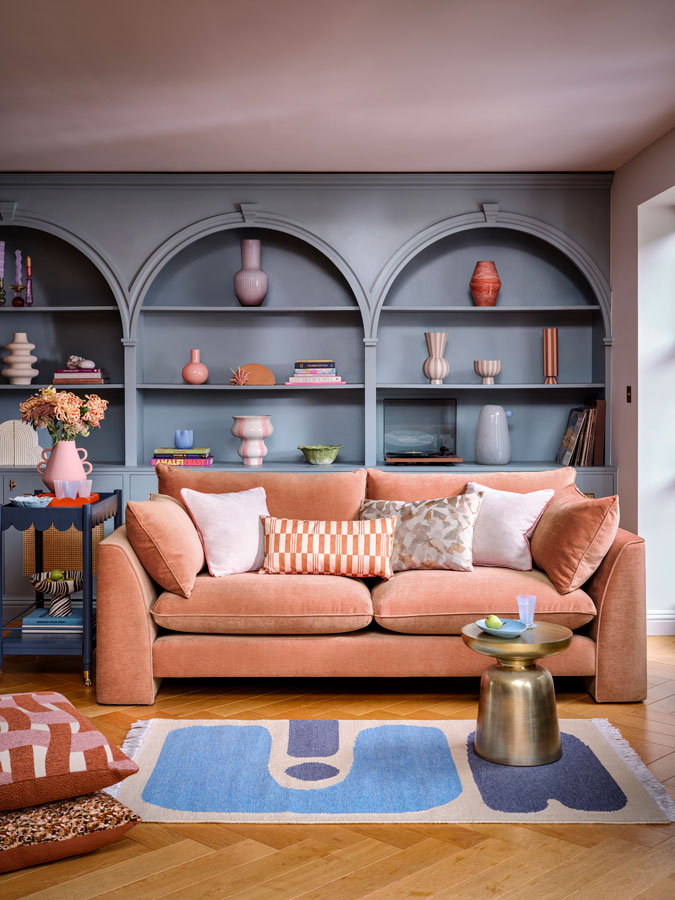
A playful approach to the basics
Everyday essentials are given a vibrant refresh with bold colours and adaptable designs…
Alli says modular seating, adjustable shelving and stools with built-in storage combine practicality with personality, making them perfect for busy households.
“Want to maximise a family space? Consider multifunctional furniture like extendable dining tables for gatherings, or foldaway desks for homework and crafts.”
“Creating dedicated zones such as a cosy reading nook, playful activity area or flexible workspace can make your home more adaptable, while maintaining a fun and inviting aesthetic,” she says.
Playing with perceptions
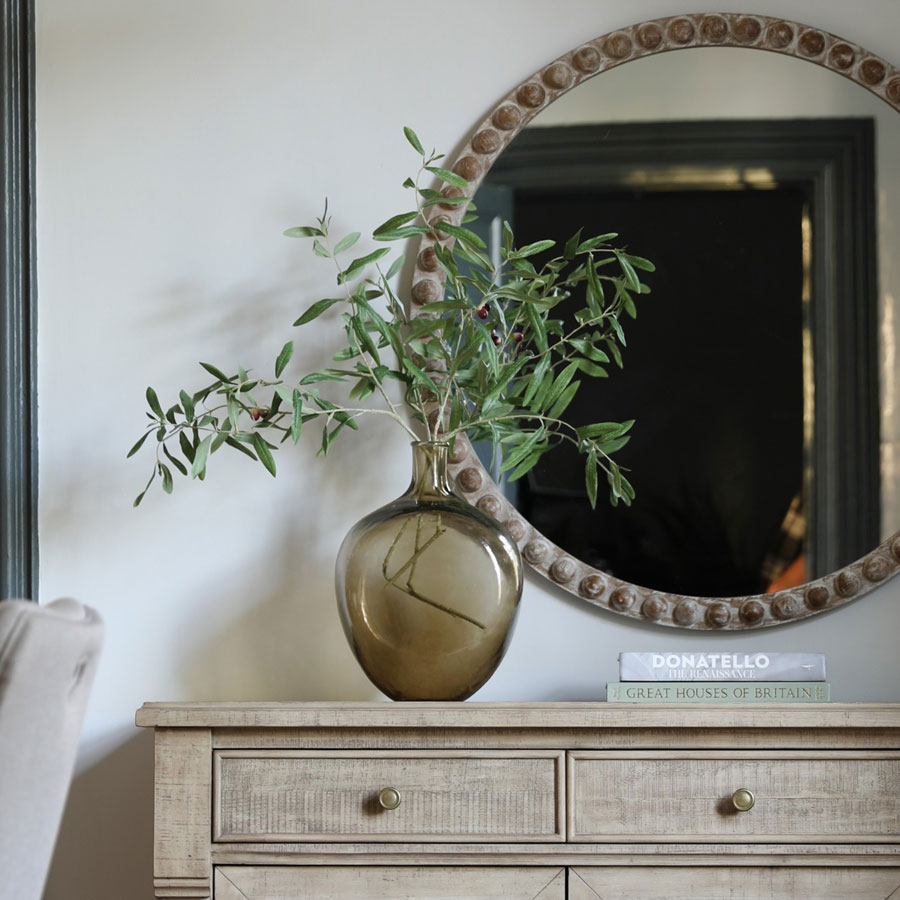
This year, expect to see more transparency, reflection, and futuristic finishes used to create sleek, modern spaces, outlines Alli.
Moreover, she says mirrored surfaces, glass furniture, and responsibly sourced acrylic add depth and sophistication without overwhelming a room.
“A well-placed mirror can instantly open a space and amplify natural light, while translucent décor – such as vases, pendant lights, and glistening finishes – add subtle visual interest.
“For a contemporary edge, pair these elements with high-shine metals like chrome or brushed gold,” suggests the interiors expert.
“Prefer a softer touch? Balance modern accents with plush fabrics, warm wood tones, or natural stone for a chic, yet inviting, look.”
She continues: “For an extra pop, introduce ombre hues, glowing accents, or bold statement pieces featuring graphic grains.”
Whether you fully embrace the trend or just add a few key pieces, it’s an effortless way to make your home feel fresh, airy, and stylish, suggests Alli.

Colour shifts… 2025 is all about colour confidence
Rich, mood-boosting hues bring joy and energy into your space…
Say goodbye to muted tones and welcome in tropical brights such as zesty oranges, hyper-greens, and electric blues, enthuses Alli.
Not ready for a full-colour transformation? She says start small with vibrant cushions, a statement rug or accent wall.
“Layer in colour-blocked furniture or bold accessories to make an impact without overwhelming your space,” advises Alli. “For a playful twist, glow-in-the-dark details, like neon signs or LED strips, add a sense of fun after dark.”
The key to getting it right? Alli says to balance bright tones with natural textures to keep things lively yet inviting.
Seamless indoor-outdoor living
“As the seasons change, it’s time to break down barriers between indoor and outdoor spaces, creating a home that feels light, airy and connected to nature,” advises Alli.
“Open-plan layouts with large sliding or bi-fold doors allow for effortless flow, making it easier than ever to enjoy brighter days and warmer evenings.”
Not patio weather yet? She suggests bringing the outdoors in with rattan furniture, linen textiles and botanical prints that echo your garden.
Once the temperature finally rises, she says don’t be afraid of taking interior comforts outside. “Cosy throws, soft lighting, and weather-resistant rugs can transform a patio or balcony into an inviting retreat.”
The secret to seamless indoor-outdoor living? “A cohesive colour palette and natural textures that tie both spaces together,” says Alli, “creating a relaxed, harmonious vibe all year round.”

Garden design doesn’t need to be super complicated, because with some simple guidelines you could soon be relishing your outdoor space, says award-winning garden designer Pollyanna Wilkinson, author of How To Design A Garden, who has 400,000 Instagram followers and is host of The Ins & Outs podcast.
“One of the biggest mistakes people make is not spending enough time getting to know the garden,” she says. The light, border depth, soil and shape will all make a difference.
Here, she offers some design tips to help you get the most from your outdoor space.

Make your garden look wider
“If you have a long narrow garden, the worst thing you can do is run narrow borders down the side next to a strip of lawn because it’s going to turn it into a runway and highlight that it’s long and thin,” says Wilkinson.
Instead, feature your highlights across the garden by planting into it and a deep border at the back which brings your depth of field forward. If you have paving immediately outside the house, bring plants up to that paving across the garden, she suggests. You could then create a gap through to a lawn, or position a path and planting in the middle of the garden as a focal point.
“We’re trying to get you to move your eyes left and right, not down to the end. The trick is to bring the plants in.”
Plant deep borders
Make your flower borders as deep as possible because if they are under 60cm, you’ll only get one row of plants, which can feel accidental, she advises.
“Ensure you can get at least two or three rows of plants, in which will give you a much more interesting garden in terms of seasonality, but will also give you more depth even in a smaller space.”

Use large pots
“In courtyards or small gardens, get rid of your small pots because anything small in a small space feels like clutter. You’re much better off going with one or three really generous pots, I’m talking waist-high,” she suggests. “They can be narrow but if they are waist-high they feel intentional.
“And don’t shy away from putting small trees into small spaces. For urban gardens we use a lot of cornus, crab apples and Amelanchier lamarckii.”
Check the light
“Look at the light in the garden, which is something people can forget,” she advises.
“Focus on where the light falls at different times of day, because that is going to tell you what you can plant, as plants have different light needs.”
The light will also have a bearing on where you will want to sit, she notes.
“Some people like to sit out in the sun in the middle of the day. A lot of people might prefer to sit in the shade. Also think about it at different times of the day. We may want to have somewhere for a morning coffee that’s east-facing and a more comfortable area, like a sofa or bench, that is west-facing for evening sun or cocktails.”
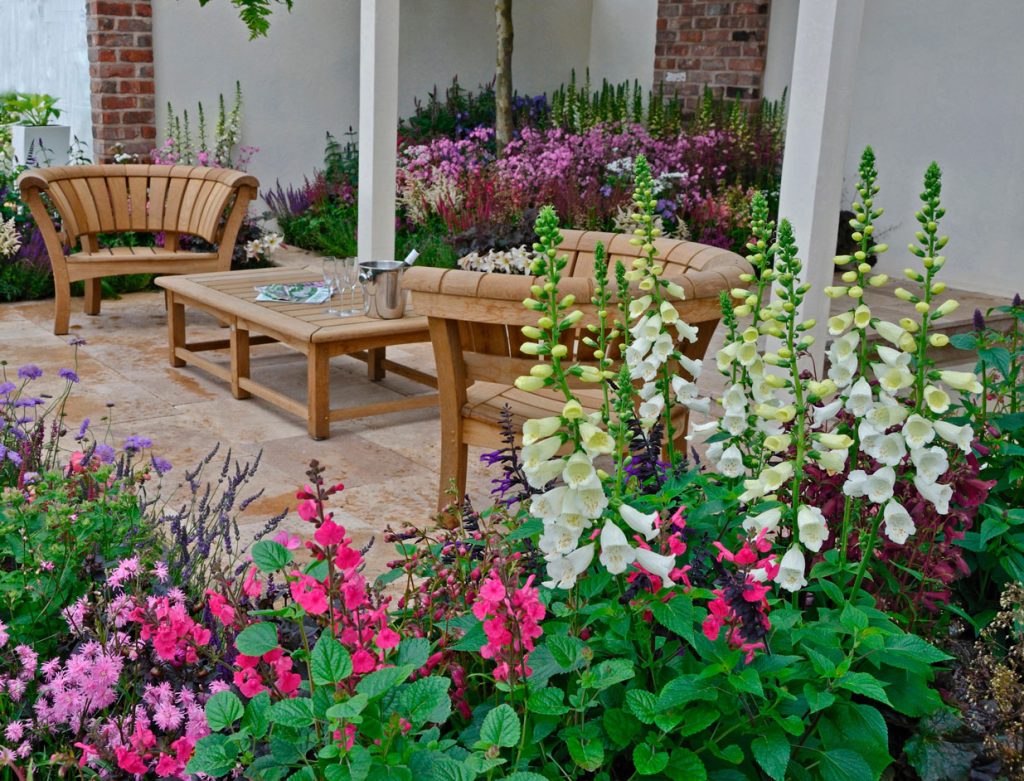
Consider how you want to use your space
“How do you want to use your space and what’s realistic for your lifestyle?
“It depends on where you are in life. If you’ve got young kids or pets, you’re going to use your garden in quite a different way to if you’re older or don’t have kids yet, and you’re using it to entertain or to actually garden,” she observes.
Make a list about what you want and what you can realistically do with the time available, Wilkinson suggests.
In small spaces…
“Be strict with yourself, because if you’ve got a small space, it’s more limited as to what you can do.
“Do one or two things really well. Maybe don’t have a dining table outside. If you’ve got your kitchen right next to the house, you can still eat inside with the doors open.
“Instead, have something comfier, like a sofa or chairs out there, so that you’ve got more versatile space.”

Look at landscaping
“A mistake a lot of people make is to put the patio right by the house and nothing else, so you’ve got this hardscape by the house. We try to find at least one extra place in the garden which is a destination away from the house.
“We can all be guilty of sitting near the house, looking at the garden, rather than being in the garden. You could have a seating area at the end of the garden.
“It might just be on gravel, a few slabs or even on grass, but you could be on a bench in the garden that enjoys sun at a different time of day, or tucked away under a really beautiful tree.”
Repeat-plant
Repeat plant and cluster, always with perennials and also with shrubs, she suggests.
Repeat plants such as clumps of salvias at intervals down a border, spaced between one and two metres apart depending on the size of your border, in clusters of odd numbers (such as three or five), using fewer species but repeating at intervals, to create a fluid scheme.

Hide your shed
If you can’t move your shed to a spot where it is out of the eyeline of your main windows, put it to the back of the garden and plant hedging in front of it, which creates a fake boundary. You may want to also plant other things in front of the hedge.
Remember the seasons
Create a spreadsheet or list of plants you like which will suit each season. Don’t forget winter structure or autumn colours, she says. You want the garden to be interesting year-round, not just in summer.
How To Design A Garden by Pollyanna Wilkinson is published by DK on February 6, priced £22.


We think Landlords will love our lettings services, because in addition to great property marketing and competitive fess we also have a great team of experienced personnel looking after their rental properties.
At McCarthy Holden our landlords are regarded as one in a million, perhaps unlike in the very large corporate agents where a Landlord could easily become just one in a million.
Because our Landlords are looked after by real people who live and work locally, people who you can speak to on the phone and people who are taking the responsibility of looking after your property, our Landlords experience the difference and benefits.
Our professional team are always available by phone or email and guess what, there are no online bots or automated telephone systems to get in the way of good communication.
So if you are a Landlord who wants one to one reliable service, telephone 01252 622550 for a free property valuation and advice about renting property.

With winter just around the corner and everyone gravitating indoors, our living rooms are about to see most of this season’s action.
Whether it’s cinema nights with the kids, socialising with friends or simply curling up with a good book, your communal space will undoubtedly become the centre point of everyday living.
So how to bring the feel-good factor to your downtime?
Here, architect and TV presenter George Clarke, highlights a few ways to accommodate the needs of multiple generations… whilst catering to the demands of awkward spaces in a smart and stylish way.
The layout of our living rooms has changed markedly over the years, as we all aim to create multi-functional spaces to serve many needs, notes Clarke.
Practical as well as aesthetically pleasing, think elements to help us relax, entertain and possibly work from home, alongside other activities.
“Creating intimate zones, however small, is key in designing a space that delivers on multiple briefs,” explains Clarke.
“And although many rooms don’t offer symmetrical proportions – many being long and narrow with special considerations, such as doors in awkward places – there are a few ways to achieve breakaway zones.”
The key when working to the quirks of your layout, especially when rearranging furniture, is to consider comfort, ease of movement and flow, highlights Clarke.
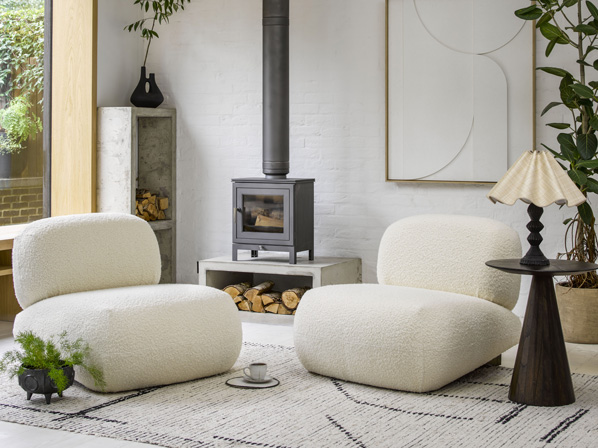
“Avoid placing everything around a room’s edges, which can result in too much empty space at the centre.” He continues. “Instead, opt to delineate your scheme, pulling furniture into more intimate arrangements.”
The back of a sofa can work well as a room divider, but be sure to choose furniture that looks appealing from all angles, as sides and backs will be on display as well as fronts, notes Clarke.
“And remember, it’s not just sofas that create convivial family zones. Beautifully crafted armchairs are also having a moment.”
“Think about pieces that complement each other rather than match, and try out informal circular groupings anchored by a generous footstool to encourage lingering.”
Large rugs stretched across rooms are a simple and effective way to create a natural divide for seating, eating and working, suggests Clarke.
“And bespoke bookshelves as room dividers and cabinetry that contain pull-out desks are a useful design solution.”

“Comfort is king when it comes to the ideal living room,” underlines Clarke. “In fact, it was voted as the number one requirement by a long way in Sofology’s How We Live Now report which included independent consumer research, with the TV coming in as a not-so-close second.
“Whether you go for modernist-shaped seating, scrolled arms, button tuck detailing or tapered legs, it turns out the style of our seating is a matter of personal taste, but the feeling of wellbeing it elicits is non-negotiable.”
Modular sofas with flexible configurations work well, as does a selection of moveable furniture, including lightweight side tables that can be pulled into place for a spot of home-working, advises Clark.
“Task lighting that can be directed with ease, deep ottomans and plenty of plugs and USB ports,” he adds.
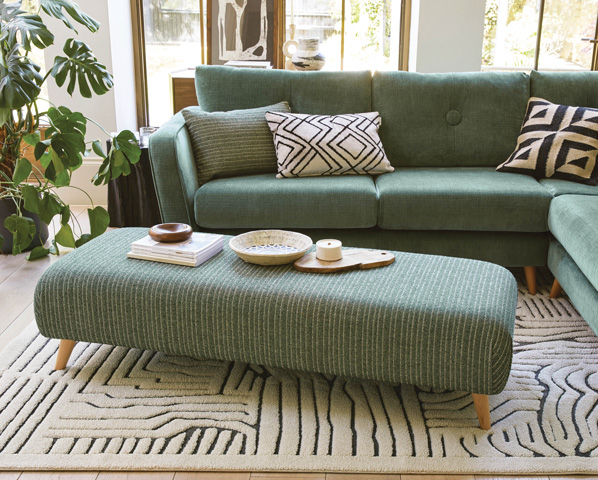
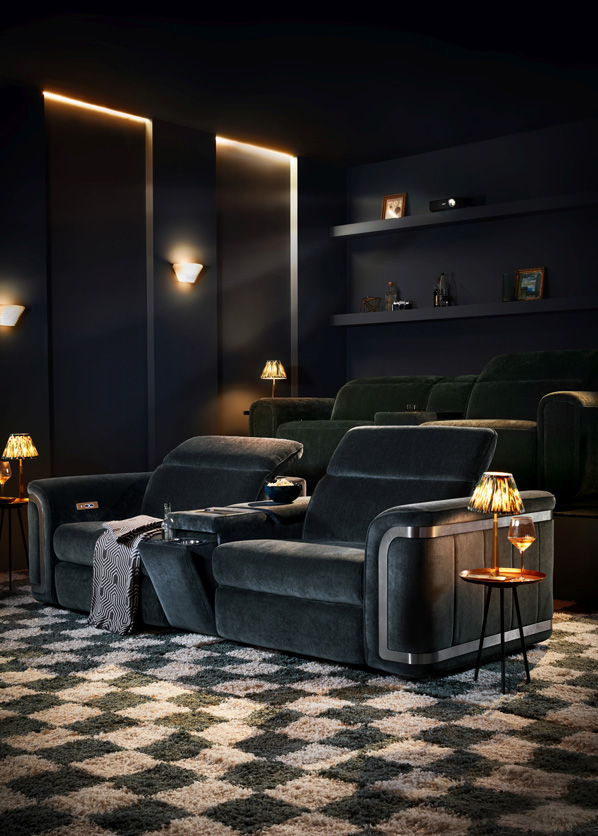
If the TV promises to be central to enjoying your living room over the winter, Clarke recommends switching things up with a more cinematic experience, depending on your budget.
“Although screening rooms are often found in basement spaces and middle rooms of period homes benefitting from reduced natural light, they can also work within a regular living space,” suggests Clarke.
If a cinema-style sofa isn’t on the cards this Christmas, he says to consider layering the seating you have – and surround it with sumptuous textures and rich colours to create a cosseting escape.
“There’ll be some classic movies showing at this time of year, and a comfortable set up will make long winter nights all the more enjoyable.”
As Clarke points out, incorporating bright colours and bold patterns adds depth and vibrancy that can help bring a welcome lightness to winter months.
Most people opt for white or neutral walls to help make a room appear larger, notes Clarke, but a single colour wash wall or brightly painted shelving can help brighten things up.
“Stylists I’ve worked with in the past have said when it comes to colour and pattern, breaking the rules rather than following specific trends often produces the best results.”
“I love this idea, especially as one in five of us updates our living spaces on a yearly basis. Changing the colour of a living room doesn’t have to cost the earth or represent a long-standing commitment – and the results can be surprising.”

It’s the season for socialising and where better than in the comfort of your own home…
“Open plan kitchens-cum-living rooms are perfect for enjoying a more relaxed approach to hosting,” says Clarke. “We know people migrate to the living room in winter, so rethinking the space slightly to cater for this can really help take the stress out of having people over.
“Sitting rooms with alcoves offer a wealth of opportunity when it comes to socialising, so switch out books for something more appetising and useful,” suggests Clarke.
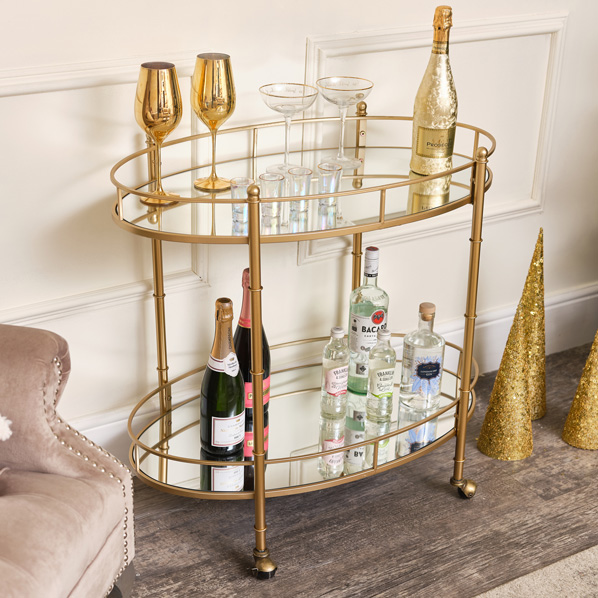
“Built-in bars might not be to everybody’s taste, but temporary pieces like a retro drinks trolley can help create a zone within a living room – offering much-needed storage and help bring the fun to an evening with friends.”


BBC Saturday Kitchen star Matt Tebbutt says one of his biggest challenges is not swearing because “you forget you’re on TV” – and over eight years he’s made a few blunders.
“You have to remember you’re on telly, and you can get very comfortable and act and say things you would in your own kitchen with your friends – you could easily swear, because I’m quite sweary” says the 50 year old, who replaced James Martin as presenter in 2016.
“I called Peter Gordon [a New Zealand chef] an f****** genius, under my breath. I had to apologise, I was mortified.”
Funnily enough, Tebbutt says he later received an email from Gordon’s PA thanking him for the mention on Saturday Kitchen in 2017. “[They said], ‘Our website has crashed, would you like to come for lunch?’
“I was told off quite rightly, but since then, I always try to have a little word myself before [going live].”
Tebbutt says that while the guests do wine tastings alongside tucking into the dishes cooked up on the show, he’s careful with alcohol while on air.
“What I’ve realised very quickly is that if I drink half a glass of wine, suddenly the autocue moves around, you’re not very good at linking words together. So if I drink like a centimetre of wine in the whole show, I’d be surprised.
“We taste a lot in rehearsals,” he adds.

Tebbutt has just released his latest cookbook, Pub Food, a collection of elevated pub dishes – think mussels cooked in beer with crispy monkfish cheeks, and rump of Welsh lamb with spiced aubergine, mint and yoghurt – as well as a celebration of British pubs in general.
They are “one of the last melting pots there are in life”, says the chef, who also presents Food Unwrapped on Channel 4. “I will disappear on a Friday and go and do Saturday Kitchen. And then I’ll meet some quite famous faces sometimes, get back to the pub [near his home in Monmouthshire], and nobody gives a monkey’s! They really don’t care, and it’s great.
“You can be in the same place with very wealthy people and farmers, and the guy who empties the bins, all on the same level, and you’re all having a chat- there’s very few places you can do that anymore.
“Then if you throw good beer and conversation in the mix, and good food, I think they’re really special places.”
But local pubs are “having a really s*** time at the moment”, Tebbutt says. “They are struggling, the prices are going through the roof, energy costs, food costs, staffing. It’s all hindering the growth – they’re shutting by stupid numbers per week. I think it’s a real shame and it’s something worth trying to save.
“People need to remember that they’re not going to always be there. And if you’ve got a good one then go and support it.”
Tebbutt and his wife Lisa ran the Foxhunter Inn, Monmouthshire, for 14 years, where they championed sustainable, local fare – something that’s still his M.O. “In the mid Nineties [when working in London] seasonal and local weren’t really such a big thing. Then I moved out, set up my own place, and it seemed obvious because A, it’s going to be cheaper, and B, it’s going to be at its best.”
People are “much more in tune” with sustainable eating now, he notes.
Many of the recipes in the new book are influenced by the local produce of Monmouthshire and what he used to be on the pub menu. “Obviously, [there’s] a lot of lamb, a lot of mushrooms through foraging, crayfish dishes – because we get crayfish in the rivers – wild samphire, eel, black pudding,” Tebbutt says.
Eventually, he burned out running his own pub. “It was a very different sort of relentless business. We didn’t take a break – we did it for 14 years. I was juggling TV and the restaurant for quite some time, and then reached a point where I didn’t think it was sustainable, because I was knackered.
“Little country pubs, as lovely as they are, and everyone wants them on their doorstep, they’ve got to be supported because they’re bloody hard work to keep going.”
Tebbutt originally learned his trade in Michelin star kitchens in London, training under Marco Pierre White and Sally Clarke. And despite having to get up at 5am to film Saturday Kitchen, the hours are “a walk in the park” compared to life in a professional kitchen.
“When I first got into TV and you do 10-hour days or something, and you’d have people saying, ‘Are you OK?’, ‘Do you need to sit down?’, ‘Do you need a drink?’ – no, I’m fine! When you’re used to working 18-hour days in sometimes horrible conditions, everything [else] is a breeze.”
Tebbutt was first attracted to life in the kitchen after reading White Heat by Marco Pierre White when he was 16. “It just made chefs look really cool and sexy and really, really rock and roll. It was the first cookbook that had this dirty-looking, kind of rugged chef producing the most beautiful place of food.
“That juxtaposition between the sweat and the blood and tears at the back of house and the control at the front – I just kind of fell in love with it.
“Kitchens, they’re a bit like joining the army. You go in at the bottom, you keep your head down, you find your way and you slowly build yourself up. It’s brutal but you learn a lot.”
But some head chefs do take it too far. He remembers going to eat in one restaurant when he was working in London by a very famous chef at the time; “They had an open door and we saw this chef absolutely, continually tearing his kitchen staff apart. To the point where it was all heads down, they looked broken.
“And then you get the food, it looks beautiful, but you don’t want to eat it because of the misery that’s gone into it.
So now, “I don’t like the chef, I won’t eat their food.”
Matt Tebbutt’s Pub Food by Matt Tebbutt is published in hardback by Quadrille on August 29, priced £26. Photography by Chris Terry.

Matt Tebbutt’s chocolate pudding and mascarpone ice cream recipe
By Lauren Taylor
“This is quite a light, delicate chocolate cake, with a deliciously molten interior. The star anise is optional if you’re not a fan,” says TV chef Matt Tebbutt.
Chocolate pudding and mascarpone ice cream
Ingredients
(Makes 10-12 little puddings)
For the mascarpone:
350ml water
150g caster sugar
Finely grated zest and juice (about 75ml) of 2 unwaxed lemons
400g mascarpone cheese
For the chocolate puddings:
250g dark chocolate, broken into pieces
250g unsalted butter
125g caster sugar
1 tsp freshly ground star anise, sieved (remove the seeds from the pod, and crush in a pestle and mortar), optional
5 medium free-range eggs
5 medium free-range egg yolks
50g plain flour
a pinch of salt
Good-quality cocoa powder, to serve (optional)
Method
1. Start both the ice cream and cake the day before. For the ice cream, simply boil the water, sugar and lemon zest in a saucepan. Once the sugar has dissolved, remove from the heat and stir in the mascarpone with the lemon juice. Cool and chill in an ice-cream maker (be careful not to over-churn). Freeze in a suitable container.
2. For the chocolate pudding, melt the chocolate and butter in a bowl over a saucepan of hot water. In a bowl, whisk the sugar, powdered anise, whole eggs and egg yolks until light and pale. Slowly add the melted chocolate to the egg and sugar mixture. Carefully fold in the flour and salt. Pour the mixture into little 200ml non-stick moulds, filling them halfway. Chill in the fridge overnight.
3. Next day, preheat the oven to 180°C/350°F/Gas 4.
4. Remove the pudding batter from the fridge, bring to room temperature and bake in the preheated oven for 10 minutes, no longer. The outside of the cake mix should be set firm yet the middle will remain molten.
5. Serve the cake hot with the mascarpone ice cream and a dusting of cocoa powder, if liked.

Matt Tebbutt’s smoked haddock souffle tart
By Lauren Taylor
“Lighter than a traditional quiche, but just as satisfying. Always source naturally smoked haddock,” says TV chef Matt Tebbutt.
Smoked haddock souffle tart
Ingredients
(Serves 4)
2 smoked haddock fillets
1.5 litres whole milk
1 bunch fresh dill, chopped
60g unsalted butter, melted
50g strong Cheddar, grated
1 tbsp crème fraîche or double cream
3 free-range eggs, separated
1 ready-made 22cm round shortcrust pastry case
Salt and pepper
To serve:
Mixed green salad dressed with olive oil and lemon juice
Lemon wedges
Method
1. Preheat the oven to 200°C/400°F/Gas 6.
2. Place the haddock and milk in a large saucepan and poach for 8–10 minutes or until cooked through.
3. Remove the fish, leave to cool and break the haddock into flakes. Place the haddock in a bowl and stir in the dill, melted butter, cheese and crème fraîche and season with salt and pepper. Add the egg yolks and mix to combine.
4. In a separate bowl, whisk the whites until stiff peaks form. Fold the egg whites gently through the haddock mixture.
5. Spoon the haddock mixture into the tart shell and bake for 35 minutes or until the filling has risen and the pastry is golden.
6. Serve the tart in slices with a green salad, and a lemon wedge for squeezing over.

Matt Tebbutt’s rack of lamb recipe
By Lauren Taylor, PA
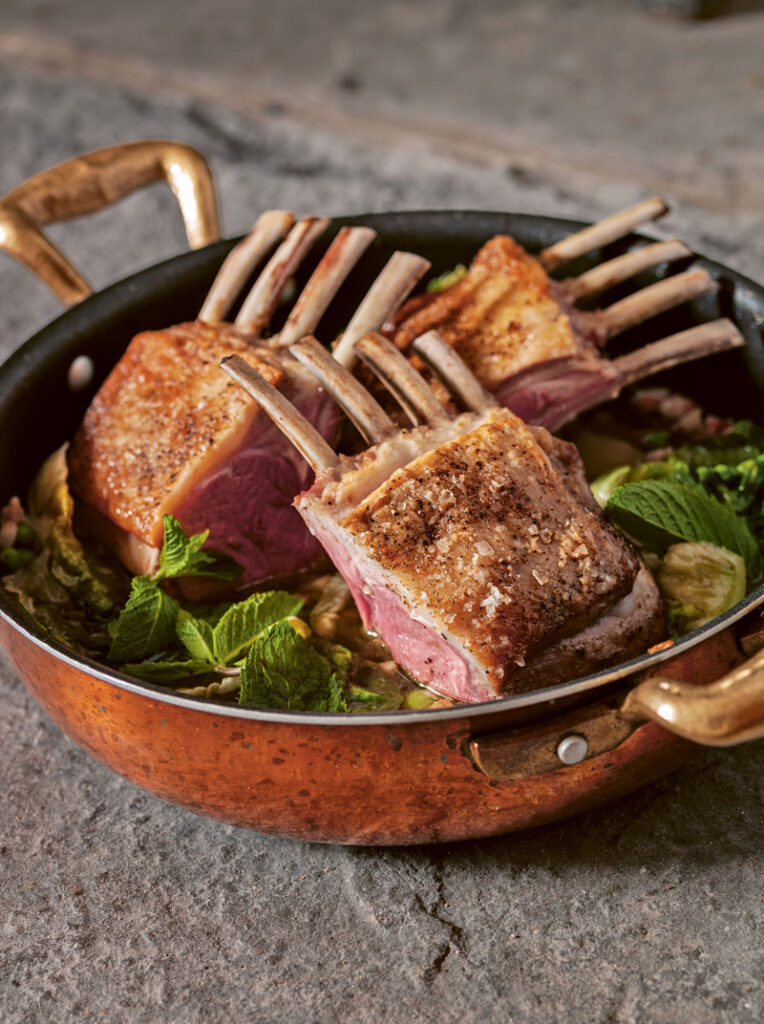
“I don’t really need to comment much on this one – it’s heavenly, early summer on a plate!” says TV chef Matt Tebbutt.
Rack of lamb with baby gem lettuce, peas, mint and bacon.
Ingredients
(Serves 4)
Olive oil
2 x 8-bone racks of lamb
Salt and pepper
4 sprigs fresh thyme, leaves picked
75g unsalted butter
4 medium baby gem lettuces, halved
200g pancetta or bacon, diced
4 garlic cloves, peeled and thinly sliced
100g fresh shelled peas, blanched and refreshed
800ml lamb stock
4 sprigs fresh mint, leaves picked and torn, plus extra to garnish
Method
1. Preheat the oven to 200°C/400°F/Gas 6.
2. Heat 1 tablespoon of olive oil in a large frying pan. Season the lamb fat with salt and pepper, then fry fat side down for a few minutes over a high heat until browned.
3. Turn over, put into a roasting tin and sprinkle with some of the fresh thyme. Roast in the preheated oven for 15–20 minutes or to your liking. Leave to rest for 10 minutes before serving.
4. In another frying pan, add 15g of the butter and colour off the baby gem lettuces, cut side down, in the foaming butter. Throw in the diced pancetta, the garlic and remaining thyme, and sauté for a few minutes until coloured. Add the peas and pour in the lamb stock. Bring to the boil and simmer for 2–3 minutes to warm everything through.
5. Cut the lamb into chops and place on a large serving dish. Throw the mint into the simmering stock along with the remaining butter. Stir in to enrich the sauce and give it a good sheen. Season carefully, as the pancetta may already have seasoned the stock sufficiently. Spoon around the lamb racks and serve garnished with the extra mint.