Is The House Market In Trouble?

MARKET COMMENT IMAGE

The UK media headlines are full of alarming headlines with predications about house prices falling on 2023, so how has the market shaped up in early January on the Hampshire / Surrey / Berkshire borders

There can be no doubt  that the upward movement in house prices has stopped and flattened out, however, that doesn’t mean the market has slowed. House sale transactions are at a good level and there is currently a remarkable resilience in the house market.

We should also remember that when intuitions such as the Halifax  or the BBC make statements such as UK house prices will drop by 8%, they are suggesting this for the UK as a whole and not specifically Hampshire / Surrey / Berkshire borders. Also, if you look back on house price predictions in the past they are typically found to be wrong.

There can be no doubt however that the days of constant upward movements in house prices are gone for the short to medium term, despite buyers still being in a competitive environment because there is so little property for sale on the supply side. The cost of living will make buyers more cautious so price sensitivity will be a factor, but the house market will remain in good shape.

Some Facts About January 2023 House Sales

To demonstrate how resilient the market is and how the buyer demand remains very high, just take a look at the following properties that have exchanged contracts in the last five days. This wouldn’t happen in a flaky market because fewer buyers would remain committed to their house purchase.

The following is a selection of properties that have proceed to exchange in the last five days, despite the backdrop of media commentary. The price range is as impressive as the amount of buyers that have remained committed to their individual purchase plans.

The Blue Triangle Fleet – Exchanged c. £1.6m.
Hazeley Lea – Exchanged c. £1.6m
Hartley Wintney – Exchanged c. £900,000
North Warnborough – Exchanged c. £1.3m.
Odiham – Exchanged c. £875,000
Hartley Wintney – Exchanged c. £695,000
Odiham – Exchanged c. £800,000
Odiham – Exchanged c. £600,000
Fleet – Exchanged c. £800,000
Fleet – Exchanged c. £700,000

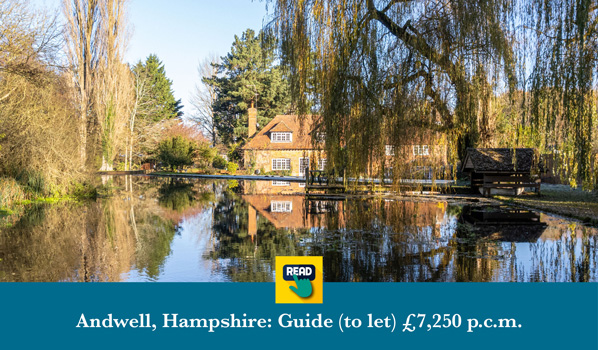
Fleet, Hampshire – Exchanged This Week (guide c. £1.6m.)

Hazeley Lea, Hartley Wintney, Hampshire – Exchanged This Week (guide c. £1.6m.)

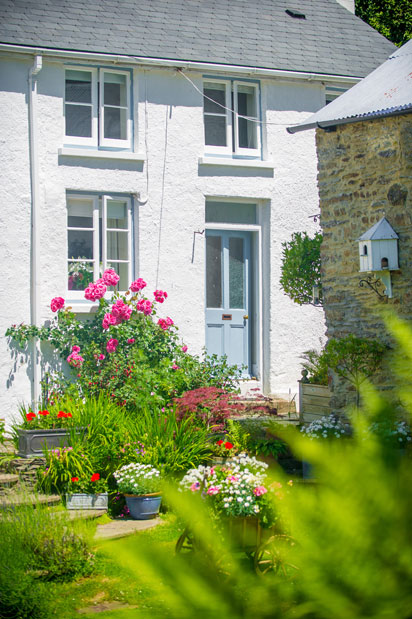
Hartley Wintney, Hampshire – Exchanged This Week (guide £900,000)

North Warnborough, Hampshire – Exchanged / Completes This Week (guide c. £1.3m.)

Odiham, Hampshire – Exchanged This Week (guide c. £875,000)

Hartley Wintney, Hampshire – Exchanged This Week (guide c. £695,000)

Odiham, Hampshire – Exchanged This Week (guide c. £800,000)

Odiham, Hampshire – Exchanged This Week (guide c. £600,000)

Fleet, Hampshire – Exchanged This Week (guide c. £800,000)

Fleet, Hampshire – Exchanged This Week (guide c. £700,000)

By any standards most would agree that this is an impressive performance demonstrating the strength of buyer demand.

We believe the house prices we are experiencing in December 2022 will be around the same level by December 2023, if the current supply side levels remain in place and the cost of borrowing doesn’t increase significantly.

If you need market insight at any time in 2023, just go to our web site and ask your nearest branch for a free no obligation house price appraisal.

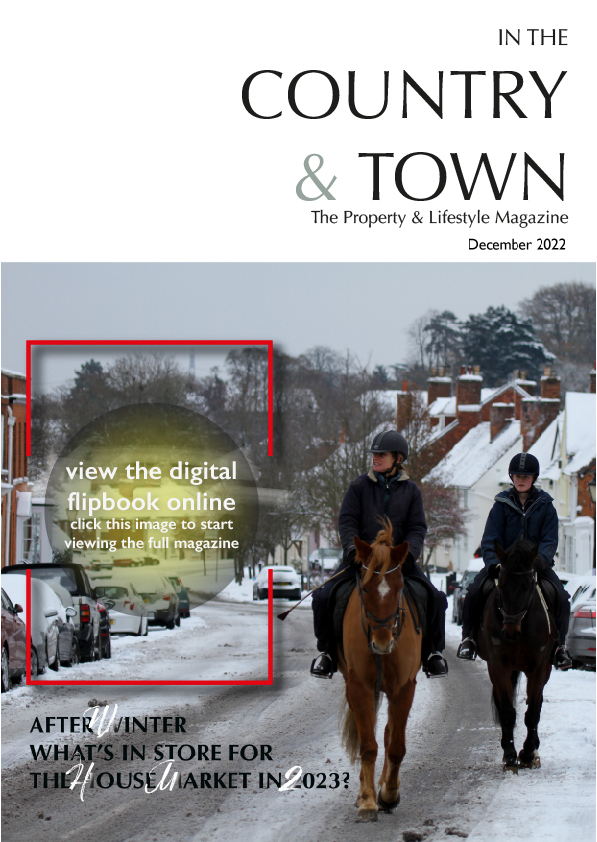
December Magazine With Market Insight

Magazine photo image McCarthy Holden

What an extraordinary year, defined on a global level with Mr Putin’s destruction and misery when he decided to invade Ukraine in February, introducing unimaginable suffering to the Ukrainian people and also introducing a backdrop of uncertainty across economic activities from stock markets to property markets around the world.

In the first few months the prospect of a stock market and property market downturn had to be considered, but this didn’t happen in the UK and………. You can read the 2022 review by clicking the image below which will take you through to our online digital Magazine In The Country & Town.

Browsing through our property and lifestyle magazine you will be able to see some of the finest property in the area, available to buy or rent as well as read some engaging editorial content.

Some articles are shown below and a click will take you through.

We wish all of our clients / customers / suppliers and magazine readers a very happy Christmas and an uplifting 2023

Own a holiday let property? 4 ways to boost staycation bookings

As 2021 looks set for a staycation boom, here’s how to make the most of opportunities to let your holiday property out. By Vicky Shaw.

With staycations likely to prove popular in 2021, holiday lets could become more appealing to those with the money to invest.

And mortgage lenders have boosted their ranges to cater for demand from holiday let investors, according to Moneyfacts.co.uk.

The website recently found the choice of mortgage options for borrowers looking at holiday lets has doubled since August 2020. In early April 2021, Moneyfacts found 149 mortgage options available for holiday lets – a figure which was nearly back to levels seen in March 2020, when there were 162 deals on the market. Back in August 2020, there were just 74 deals recorded.

If you’re getting a holiday let property ready for bookings, here are some tips from Bev Dumbleton, chief operating officer at Sykes Holiday Cottages, to help maximise the potential of the property…

1. Prioritise easy DIY jobs

Now could be the perfect time to get stuck into some DIY. People often underestimate how effective simple DIY jobs can be to spruce up a property. And when it comes to a holiday let, you need to ensure that the space is always looking its best for your guests.

If your property has been empty for a few months, it might just need a bit of love. A fresh coat of paint on the walls can really brighten the space and you could also bring your painting skills into the garden to repaint any garden furniture and fences, to make it feel smarter and more luxurious.

Prioritise easy repairs that are going to make the experience better for the customer. For example, a bathroom can be instantly revitalised by resealing around sinks and the shower, replacing an old shower curtain or fixing any leaky taps.

Remember, it’s not just about making it look better, but fixing any small issues that will help secure you top reviews – and ultimately more bookings.

2. Give your property images a facelift

When marketing your holiday let, ensure you’re using top quality images. No matter how stunning your property is, images are going to be what really grabs people’s attention.

You only have one chance to make a first impression, so make sure you are using the most up-to-date photos. If you have made renovations or interior changes during the lockdowns, now is the time to show them off.

The first image makes the biggest impact, so use it to showcase the best parts of your holiday home. Try and capture pictures that show off amenities that will be great for all times of year too – from cosy fireplaces all the way to beautiful balconies and sun terraces.

Finally, you should also consider including some of the local area to show off what there is to do around the property come rain or shine.

3. Ensure year-round appeal

Looking to the years ahead, to help secure bookings across the seasons, think about what will drive opportunities during those sometimes-quieter autumn and winter months. Certain amenities draw more bookings in colder months than others, so if it’s something you can afford to add, it could be a worthwhile investment.

For example, Sykes’ bookings data has previously shown that properties with hot tubs, on average, earn 50% more than lets that don’t, and woodburning stoves and open fires also attract guests all-year-round. Believe it or not, dishwashers are also an attractive feature to holidaymakers when booking.

If you’re worried about cost, then there are smaller but still effective changes you could still make, like providing blankets or putting rugs down on wooden floors to add warmth. The key is to ensure the space is cosy to drive bookings in those colder months.

4. Allow shorter bookings

Often during the low season, guests don’t want to book a week-long holiday, opting instead for a shorter mid-week or weekend break. Allowing bookings for two or three-night stays will may well encourage more people to book.

This is especially true after the past year, with short breaks becoming increasingly popular as people have been working from home and having long-weekend ‘workcations’. Recent research from Sykes found half of people plan to take more weekend trips and shorter breaks this year, rather than longer ones.


8 clever tips to save you money when shopping online

From leaving items in your basket to going incognito on your web browser, Vicky Shaw looks at some dos and don’ts of online shopping.

Online shopping is a trend that appears firmly here to stay, even as more of the high street begins to open up again, as lockdown restrictions ease.

A third (33%) of people think they will continue to shop online more often for non-grocery items, even after the immediate threat of the pandemic has subsided, recent research from the Office of National Statistics (ONS) found. And one in five (21%) will continue to shop more often online for groceries in the long-term.

However, with online shopping having become so firmly ingrained in everyday life, it’s a good idea to stay on top of the latest advice for getting the best deals and avoiding any online shopping scams.

Here are some ‘dos and don’ts’ from Andy Barr, retail expert and co-founder of online price tracking website Alertr.co.uk…

1. Do go incognito or use a different browser

Got your eye on something? Do you keep going back to the same website to check if it’s still there or gone down in price? Well, doing this could actually bump up the prices. This can sometimes happen when browsing for holidays.

To avoid the price hikes, try going incognito on your web browser. Incognito basically means it won’t track your browser history, meaning your browser won’t remember which websites you have visited previously.

2. Do use discount websites

While you are shopping online, it’s worth signing up to discount and cashback websites, to make the most of any discounts you can get while looking for your online purchases.

Depending on who you bank with, you may even be able to get cashback with particular retailers by using certain payment cards, so make sure you check. You might not get a deal on every purchase you make, but at least you’re signed up to ensure the possibility.

3. Do leave items in your basket

If you’re signed up to a website you’re buying from and you decide to leave the items in your basket for long enough, you might get lucky and be sent a discount code via email from the retailer. This is a technique that retailers use to ensure that any products added to customer baskets are then purchased.

4. Do track your desired items

Price tracking websites such as Alertr will allow you to spot patterns in pricing and get notifications when a desired item you are following goes on sale.

5. Don’t end up paying for multiple deliveries

Make sure you have everything you may want or need from a particular online retailer before shelling out for those pesky delivery costs. There is nothing worse than having already paid and realising you’ve missed something out, therefore having to pay double for delivery. Some retailers also offer free delivery if if the total number of purchases adds up to a certain amount.

If you’re only slightly below the free delivery threshold, it may be worth looking on the website for something that only costs a few pounds but takes you up to the free delivery threshold. The additional item may be cheaper than the delivery charge would have been – and you’ve got a little something extra for your money.

6. Don’t necessarily buy on the first website you find the item on

Make sure you shop around first. Another retailer may sell the same product for a cheaper price, or there may be a similar product which does the same thing for less money.

7. Don’t forget that how you pay can give you added protections if something goes wrong with the purchase

Paying for items by credit card can give you added protections under Section 75 of the Consumer Credit Act, if anything goes wrong with the purchase. Payment options such as PayPal can also offer added protections if you don’t receive the goods you were expecting.

8. Don’t be fooled by copycats

Remember, there are a lot of scam websites, which may look legitimate but are designed to trick you into handing over your money. They may be selling fake goods, or the website might be trying to copy a well-known brand and the goods may never arrive at all. Information you put into bogus websites may be used to steal your identity.

If you’re buying from an unfamiliar website, it’s worth doing extra checks to make sure it’s genuine. Check the website URL and search for independent reviews to see if anyone has had problems with it before. Spelling mistakes on a website are also a red flag that it could be fake. There have also been fake missed delivery messages purporting to be delivery firms doing the rounds, so be on your guard.

10 Ways to Have a Cheaper and Greener Christmas

Vicky Shaw reveals how you can help your wallet and the planet when celebrating this year.

Overspending is a big concern for households as Christmas approaches.

This has been a huge year of change and, as part of that, people have been thinking about their impact on the planet.

So, if you’re looking to spend more mindfully this festive season, whether it’s for budgeting or environmental reasons – or a combination of both – here are some tips from Shaunagh Duncan, sustainability lead at green energy company Bulb…

1. Cut the waste

It’s common to overspend when buying ingredients for Christmas lunch, resulting in large amounts of waste.

If you follow a recipe, it might state how many people the dish serves and you can shop accordingly, so you’re less likely to overspend and create unnecessary waste – particularly if you’re cooking for a smaller group than usual.

For any food waste you do generate, try to make use of the food compost and green waste bins. You can even use some waste to grow your own plants – try planting an avocado stone or growing tomatoes from the seeds of supermarket veg.

2. Avoid plastic wrapping

Go for loose fruit and vegetables, which are often cheaper than packaged ones. Many high street and independent supermarkets also offer ‘wonky’ fruit and veg, which are cheaper than regular items, but just as delicious and nutritious.

3. Try buying local

This can be more cost effective and helps to support local businesses, while reducing transport emissions.

If your Christmas is going to be very different this year, you could also try eating something different.

By swapping red meat for more vegetarian recipes on Christmas Day, you could reduce your carbon footprint and also save money. Or if you can’t give up the turkey and pigs in blankets, try cutting down on red meat in the run-up to the big day instead.

4. Cover your pots with lids when cooking

And only boil the amount of water you actually need – these little hacks go a long way, and can help reduce your energy bills.

5. Rent a Christmas tree

Rather than buying a tree that could end up out with the bins in January, you could consider renting a Christmas tree. That way, you can enjoy it over the festive season, then the tree gets picked up after the holidays and returned to a farm.

If you have a garden, another option is to plant your Christmas tree in between seasons and use it again each Christmas – which will save you buying a tree every year.

6. Consider eco gift wrapping and e-cards

Reusing gift wrap from last Christmas can cut costs and waste. You can also get creative with your wrapping, using old magazines and spare fabric.

Try sending e-cards this year, too, or make your own using paper and materials lying around the house.

If you do opt for shop-bought wrapping paper or cards, then try to avoid ones with glitter made from plastic.

7. Use energy-saving Christmas lights

Energy-saving LED lights are available from many online stores or garden centres. You could also switch to solar-powered outdoor lights, which can be operated on a timer. If the average household replaced all of their bulbs with LEDs, they could potentially save £40 a year on bills.

8. Shop mindfully

Whether it’s online or in person, try to be mindful of how, when and where you shop. There’s often a pressure to buy gifts for people unnecessarily. Although this comes with good intentions, it can lead to overspending and more waste sent to landfill. You could also try to limit the number of different online deliveries to your home, to help reduce vehicle emissions and excess packaging. It could also save you from paying multiple delivery charges, which can all add up, too.

9. Give presents that last

Examples of thoughtful and long-lasting presents could include a houseplant or a memory photo album. Buying ‘gift experience’ vouchers to be used some time in the future could also help support local businesses at a time when they need it most.

10. Consider switching energy provider

At this time of year, households’ energy consumption is particularly high. So, you could switch to a cheaper tariff or provider. You could also consider a renewable energy supplier as a way of going green.

10 Ways to be More Ethical with your Money

Keen to give your finances an ethical revamp? Vicky Shaw finds out how to get started.

The pandemic is prompting people to consider more ethical places to keep their money, according to research.

Triodos Bank found over a fifth (22%) of investors say they now feel motivated to explore investing in ethical funds, rising to 35% of under-35s.

Investing is just one of the ways you can use your hard-earned money to support good causes, as well as the environment. There could be plenty of other options for giving your finances an ethical makeover – and it may not be as hard as you think to get started.

Charlene Cranny, campaigns and communications director at Good Money Week (Oct 24-30), which aims to help grow and raise awareness of sustainable, responsible and ethical finance, says: “It’s easy to get bogged down with where to start when planning to give your finances a green overhaul, but there’s no need to be overwhelmed. There are so many easy ways to make greener, cleaner and kinder decisions with our money.

“People who are making steps to reduce their personal impact on the environment might already be reusing coffee cups, bags and bottles, cycling rather than driving, but might not have even thought about where their money is being invested, spent and banked, which can have a huge impact on the environment.”

Here are 10 suggestions from Good Money Week to give your finances an ethical overhaul…

1. Switch current account

Banks use the deposits in the accounts held with them to fund their other banking activities, from loans to investments. This means your money could be funding all sorts of projects that you don’t agree with. Thanks to the Current Account Switch Service, it’s easy to move to an ethical current account.

2. Change energy provider

The number of providers supplying renewable energy in the UK has increased in recent years – and did you know you can compare green energy suppliers? With the Big Clean Switch (bigcleanswitch.org), you can quickly search for planet-friendly gas and electricity suppliers.

3. Shop local

We should all be shopping mindfully and avoiding wasteful purchasing, but when you do need to shop, try going local. Plus, when you shop at the local butcher’s, baker’s, farm shop and greengrocer, a good bulk of the produce has had a relatively short ‘field to fork’ journey. As well as supporting local farmers, this means the food could be wrapped in less single-use plastic packaging.

4. Invest your pension ethically

Your pension can have a huge impact on people and the planet. Pension scheme Nest, for example, recently announced a new climate change policy. Ask your boss or your financial adviser about how ethical your provider is.

5. Move your savings

Although it may feel like sometimes the returns are very low, remember your savings are being put somewhere, working for a company or business somewhere else, so if you aren’t happy, make the move.

6. Consider investments

Abundance is an online platform which offers investments that create something good for the environment and society. Remember though that, as with other investment products, there are risks. Energy4all could also be a good place to start if you want to get involved in something at a local level.

7. Borrow rather than buy

Borrowing existing items, rather than buying new, is kinder to the planet. Some websites will also allow people to borrow items for a set period of time. And if you don’t want to borrow, there are also websites such as Freecycle, where you can get unwanted items for free.

8. Take part in Black Pound Day

Black Pound Day supports and raises awareness of businesses owned by black people. More than simply one day per year, Black Pound Day is a monthly campaign that encourages consumers to switch up their usual shopping destinations to local and online businesses.

9. Lend a small amount of money

If you are fortunate to be able to, you may want to consider lending a little money to someone in the developing world, who is trying to lift themselves out of poverty by running their own business. Lendwithcare.org allows people to lend relatively small sums to people and the money is later repaid. The website cautions though that due to the pandemic, there is a higher risk than normal that repayments will be late or deferred, and in some ‘rare cases’ loans may be written off.

10. Donate to foodbanks

If you are able, buying supplies for your local food bank can be a real help to people in need in your local area, or you could donate monthly through their website.

7 Tips for First-time Buyers Hoping to get on the Property Ladder Right Now

The economy is in a tough place – but there are still lots of things first-time buyers can do to boost their prospects. By Vicky Shaw.

While parts of the UK’s housing market have undergone a mini boom lately, there have also been signs that life is getting tougher for first-time buyers.

The choice of low deposit mortgages has shrunk in recent months, as concerns about ‘riskier’ lending have grown. According to NAEA (National Association of Estate Agents) Propertymark, first-time buyers made up 23% of home sales in August, a fall from 25% in July.

However, while the Covid-19 crisis has brought big financial challenges, it also appears to have made some aspiring first-time buyers more determined than ever.

Just over a third (35%) say the pandemic has had no impact on their plans to buy, according to research from Legal & General Mortgage Club.

With many people spending more time indoors than they normally would this year, more than half (54%) of first-time buyers say lockdown conditions have made it easier to save money. A small group of buyers (8%) have even brought forward their plans to buy.

To find out more about how first-time buyers can make the jump onto the property ladder in tough conditions, we asked Kevin Roberts, director at Legal & General Mortgage Club, to share some top tips…

1. Consider getting advice

Get an adviser on your side and get them to do the work for you. They’re going to know the market. Bear in mind that the mortgage market is busy at the moment and applications could take longer than usual. An adviser will work on your behalf to get your application through as quickly as possible.

2. Be prepared

If there is going to be a ‘flash sale’, which some lenders are doing now, you really want to work with your adviser and have everything ready – your payslips, your identification, everything that you need. Be really on the front foot and know what you can afford. Think about your spending habits – you need your credit score to be as good as possible.

3. Can you save a bigger deposit?

A bigger deposit could give you more choice. For example, if you can stretch from putting down a 10% deposit to a 15% deposit, there are more lenders at this level.

Legal & General Mortgage Club’s research has suggested that some people have been able to save more during lockdown, whether that’s from saving on rail fares or fewer coffees, people have been able to save some money.

4. Do you have a family member who can help?

Perhaps a parent or grandparent may be able to help you to top up your deposit. There are also ‘family assist’ mortgages out there, such as Barclays’ family springboard mortgage, where a helper transfers money into a linked savings account for a fixed period.

5. Could other schemes give you a helping hand?

The government schemes available, such as Help to Buy and shared ownership initiatives, may vary depending on what part of the UK you live in.

There are a broad range of lending opportunities around shared ownership. Some options may allow borrowers to ‘staircase’ out of shared ownership, where they purchase chunks of equity back over time.

There is also the Lifetime Isa, which is available across the UK and comes with a Government bonus. Someone must be aged 18 or under 40 to open a Lifetime Isa.

6. Have your priorities changed?

Lockdown has changed where some buyers intend to purchase and the types of property they are seeking. Think about how your needs may have changed over lockdown and if you do plan to buy a bigger property, don’t overstretch yourself.

7. Finally, remember all is not lost if you can’t buy right now

Borrowers need to get their housing plans moving if they want to take advantage of the temporary stamp duty holiday currently in place. Stamp duty applies in England and Northern Ireland, but similar holidays are also in place in Scotland and Wales. But if you’re not in a position to buy right now, you may still find good opportunities in the months ahead.

There have been some signs recently that rising demand may have potentially increased house prices in some areas. While no one can say for certain what will happen in the future, for some people, it may potentially be a good time to buy next year, when things may be a bit more settled and buyers may possibly find they are in a better position to negotiate.

So don’t give up hope, as by really thinking about your outgoings, trying to save and talking to family members, you could really boost your ability to get onto the property ladder.

How to Avoid a Staycation Scam

Nearly a third of us are planning a UK-based staycation before the end of the year – but watch out for bogus breaks, writes Vicky Shaw.

With many people’s 2020 holiday plans in disarray due to the pandemic, a significant number of us are planning to take a break much closer to home, instead of jetting overseas this year.

Nearly a third (32%) are planning a UK-based staycation this year, according to Nationwide Building Society, as travelling abroad to our usual holiday hotspots has become so much trickier.

But while this should help give some local economies a much-needed boost, those planning to sample what the UK holiday scene has to offer should beware of ‘staycation scammers’.

So what do you need to know about staycation scams? Here are some important points to keep in mind…

What staycation scams should you watch out for?

Among the many coronavirus-related frauds which have emerged, Action Fraud has been urging consumers to be on the lookout for fake caravan and motorhome listings.

These may be advertised on auction websites and the prices are often low to attracted people in. Criminals will come up with excuses for why the vehicles cannot be viewed in person. The goods don’t exist, or will never arrive.

And if you’re looking for a holiday cottage or apartment, beware of bogus websites offering places for rent, often at discounted prices. These websites may appear professional and convincing, using images of properties that are not really available. Scammers may require a deposit, which is never returned.

Even if you think you are on a trusted website, check the URL for subtle changes, which can indicate it is imitating a genuine firm.

How to avoid staycation scams

Action Fraud says people should always follow the advice of the ‘Take Five to Stop Fraud’ campaign, and take a moment to stop and think before parting with their money or personal information, in case what appears to be a bargain getaway turns out to be a scam. If something is advertised at a rock bottom price, ask yourself is it really a bargain, or could it be a scam?

If you’re considering buying a motorhome or caravan, do some research, and if you’re dealing with someone online, ask if they can send you a video of the vehicle.

Don’t let online sellers persuade you to pay by bank transfer, as you may never see your cash again. Also, read online reviews to see what other people say about sellers.

How you pay could also give you added protections

You could consider using payment methods such as PayPal, which has added buyer protections, or pay by credit card.

Under Section 75 of the Consumer Credit Act, credit card purchases of goods costing between £100 and £30,000 have added protections if something goes wrong and items or services purchased never materialise.

Under Section 75, the credit card company is held jointly liable with the trader or retailer, so you can put in a claim to them.

Stamp Duty Changes To Boost House Market

Prior to today’s announcement the market was doing rather well post lockdown, so the new stamp duty announcements will boost house sales further.

Nearly nine in 10 people getting on or moving up the property ladder where stamp duty applies will not need to pay the tax at all while a temporary holiday applies.

From July 15 until March 31 2021, buyers will pay no stamp duty on the first £500,000 of their purchase when they move home.

The measure, which temporarily increases the “nil rate” band of stamp duty from £125,000 to £500,000, will reduce the average stamp duty bill for a main home from £4,500 to zero. Buyers can potentially save up to £15,000.

Announcing the move, Chancellor Rishi Sunak said: “Nearly nine out of 10 people buying a main home this year will pay no stamp duty at all.”

Stamp duty applies in England and Northern Ireland and people usually pay the tax on homes priced above £125,000. Some stamp duty discounts were already in place for first-time buyers.

There are already signs that the stamp duty holiday is helping to reboot the property market.

In the first half hour after the announcement was made on Wednesday, traffic to property website Rightmove jumped by 22%.

See this range of recommended properties for purchasers looking up to around £500,000

Start your property search here.

stamp duty changes estate agents Hampshire

Now that wasn’t Expected!

Unexpected-property-activity

The first week of Estate Agents being allowed to conduct house viewings has been a real eye opener, with the level of buyer activity much higher than anticipated which hopefully bodes well for a quick bounce back in the house market.

No doubt there will be some readers who will think, well you would say that wouldn’t you, in the hope of pepping up the market, but I can counter any such thought with some hard facts and examples, so here are a few case notes from the first week back.

New House Eversley – Under offer in three days

This fine new home by Aspire was placed on the open market on Monday 18th May at a guide £1,125,000.

By Thursday 20th May a sale was agreed to a proceedable purchaser.

Country House Eversley – Emerging Buyer Interest around £2.0m. guide

We took this property to the market a few weeks before lockdown, so viewings went on hold during the lockdown period.

Yesterday we had multiple viewings at the house and two offers have already been submitted. This home is typical of the kind of property that will be sought after in the emerging market of house buyers leaving London and other major towns and cities for rural living.

Do you have a country house for sale? We have a waiting list of buyers looking right now.

Right now the short to medium term outlook is positive and the biggest demand is for rural / semi-rural properties in all price ranges, but especially in the £1.5m. to £6.0m. sector.

So if you live in a country house and are looking to sell, this summer could be the best time to go to market. If you would like a free and confidential market appraisal contact your nearest McCarthy Holden branch.

Fleet – On £750,000 guide

With marketing help by way of a vendor inspired video tour during lockdown, this stunning detached house has gone under offer.

Blue Triangle, Fleet – Exchanged on guide £1.5m.

In just over one acre in one of the most desirable roads in Fleet, this imposing property was built by the renowned local builder Pool & Son in the 1930’s.

Fitzroy-Road-sold-fleet McCarthy Holden estate agents

As we said in last week’s market update, the prospect of house sales in the short to medium term is relatively easy to judge, because we are working with house buyers and sellers alike every day, so their motivations and the drivers of the market conditions are there for us to interpret.

House Viewing Protocols Working Well

The new way of conducting house viewings is going well, with strict social distancing protocols and excellent co-operation from vendors and purchasers alike.

Some of the social distancing protocols include the following.

• Only one viewer can be present at a time, no children will be allowed in a property (this is because avoiding the touching of surfaces is difficult with young children).
• The owner/tenant will leave property for the viewing.
• We will supply the viewer with disposable gloves and mask, subject to our supply allowing for this.
• The viewers will be allowed to walk around and asked not to touch anything.
• In order to maintain social distancing, the agent will not be able to enter every room with the viewer.
• When the viewing is completed, the agent will lock up the property and leave, then dispose of gloves and use hand sanitiser.

The House Market / Buyer Attitudes

We are impressed with the resilience of house buyers, who continue to remain upbeat about their moving plans. Furthermore, 95% of the sales arranged we had in place at the start of lockdown, continue to remain in place and in the past week many of those have moved forward to exchange and simultaneous completions..

Emerging Markets

In the last week there has been increasing signs of the biggest emerging market being driven by people wanting to leave London and other large cities or towns, to find a new home in a rural or village setting, yet remain within reasonable distance of London etc. That is a positive for the home owners we act for on the Hampshire / Surrey / Berkshire borders, especially those who live in property worth between £1.5m. and £6.0m. in our area of operation.

If you are selling a rural property, contact your nearest McCarthy Holden branch for a free and confidential property appraisal.

EMERGING MARKET PHOTO

The Weeks Ahead

Simply making hay whilst the sun shines!


John Holden – Chairman

×
Find a Property
M
Country & Equestrian
By submitting this form, you agree to McCarthy Holden using your personal data in accordance with our Privacy Notice.