From play areas to bedtime bliss, check out these cute ideas for children’s rooms, says Sam Wylie-Harris.
Everyone loves a summer refresh, especially tots and tweenies with playtime high on the agenda.
To capture their hearts and set the scene for after-school projects, reading hour, bedtime stories and imaginary beings, here’s what’s on our kiddies’ wish list…
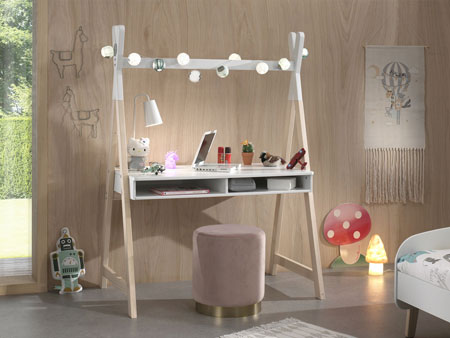
1. Vipack Kiddy Tipi Desk, £209, Cuckooland
A centrepiece and workstation with a sense of wonder, think how much fun your littlun will have laying out their favourite things. With two open compartments for consoles, colouring pens and books.
2. Habitat Kids Mermaid Bookends, £18, Habitat
Ideal for kids of all ages – and child-like adults – this sweet mermaid has found a place in our hearts. Beyond the bookshelf, she’d look just as enchanting bookending dolls and soft toys.
3. Kids Prehistoric Dinosaurs and Friends Reversible Duvet Cover and Pillowcase Set, from £24, Next
When they know their brontosaurus from their T-Rex, and want to learn more, this larger-than-life bedding is just the thing.
Teddy Bear Rattan Easy Fit Shade, £57, Next
This teddy shade loves the spotlight – and will add charm to any ceiling.
5. Habitat Kids Grey Stars Bean Bag, £32, Habitat
We all love stars and this brilliant bean bag is perfect for cosying up with in front of their screen.
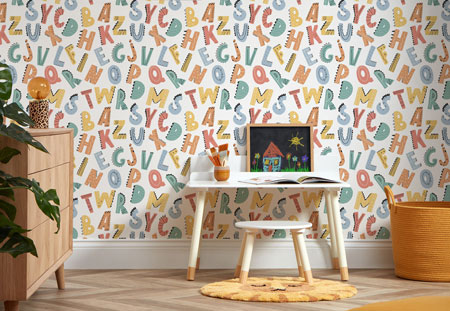
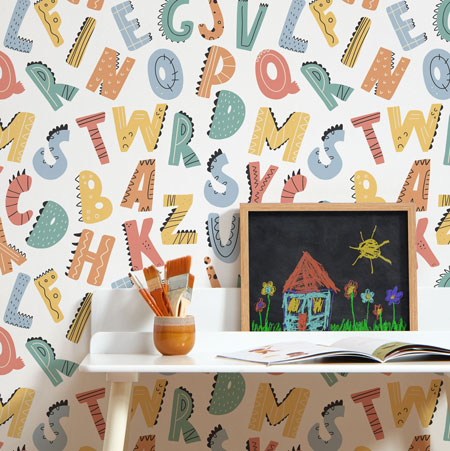
6. Dino Alphabet Wallpaper in Multicoloured, £12 per roll, I Love Wallpaper
A feature wall full of wonder, look a little closer and this alphabet wallpaper is a riot of fun with teeth, scales and claws to up their learning skills.
7. Children’s Rocket Night Light, £16.99, Lights4fun
The only light to launch, every spaceman dreams of a rocket.
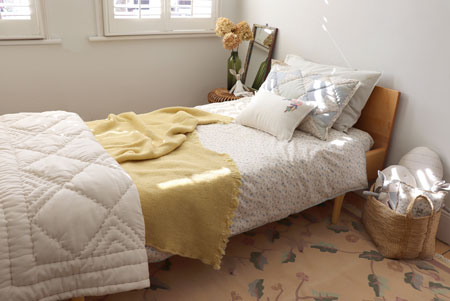
8. Bella Floral Pillowcase, £25; Bella Floral Fitted Sheet, £50.50 (Single); Bella Floral Duvet Cover, £75 (Single); Bella Floral Kantha Quilt, £149; rest of items from a selection, Camomile London
A little bit special, this cottagecore-inspired vintage rose print imbibes thoughts of Little House On The Prairie. With sprigs of pastel blue and green flowers, it can be mixed and matched with other favourite finds.
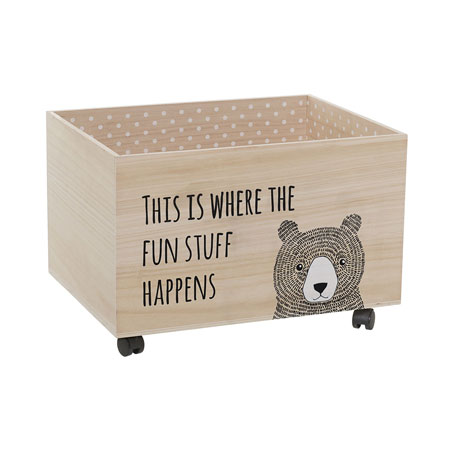
A best-loved bear basket deserves their hero toys.
10. Kids Concept Neo Mammoth Animal Head Wall Decoration, currently £29.95 (was £44.95), rest of items part of room set, Cuckooland
This handsome fellow with curved tusks brings wall art to life – and who wouldn’t want to stroke his soft fur if you can reach? One to stand the test of time, you’re never too old for a furry friend.
Fire up the grill, because BBQ season is upon us, says Prudence Wade.
Few things are more satisfying than cooking up a storm on the BBQ.
Whether you’re catering for a crowd or firing up for a quick midweek dinner – as the weather starts to warm up, so do our grills.
BBQing used to have a somewhat basic reputation for chucking unseasoned steaks on the grill and calling it a day. However, there are worlds of possibilities when it comes to cooking over fire – for example, did you know you could even whip up a batch of chocolate chip cookies outside?
New BBQ cookbooks released in preparation for summer take us all over the world with their recipes, and could even convince to you to build your own grill from scratch…
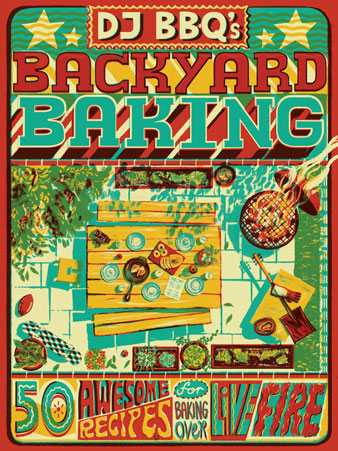
1. DJ BBQ’s Backyard Baking: 50 Awesome Recipes For Baking Over Live Fire by David Wright, Chris Taylor and Christian Stevenson
Think BBQs are just for hunks of meat? Think again.
DJ BBQ’s Backyard Baking proves baking doesn’t have to be an indoor, rainy day pursuit – and can be just as delicious and as much fun over the open fire outside.
This book is a collaboration from three foodies – Christian Stevenson (better known as DJ BBQ), his regular co-author Chris Taylor and baker David Wright.
The trio argue both cooking over fire and baking are often seen as overly complicated pursuits that are easy to get wrong – but in this book, they set out to prove this misconception wrong.
The book starts with the basics – the equipment and set-ups you’ll need, with a baking focus – and then launches into a host of technicolour recipes.
Dishes range from simple crowdpleasers, such as campfire bread and chocolate chip cookies (which yes, you can bake on a BBQ, you’ll discover) to the more adventurous, including lamb kofta sausage rolls and a full Moroccan-inspired chicken dinner.
There’s even a recipe for charcoal ice cream – which isn’t black like you might see on Instagram, but is full of those beautiful, smokey flavours.
With DJ BBQ’s signature brand of wit and irreverence, this book will open up the worlds of possibilities within outdoor cooking.
Quadrille, £20. Photography by David Loftus. Available now.
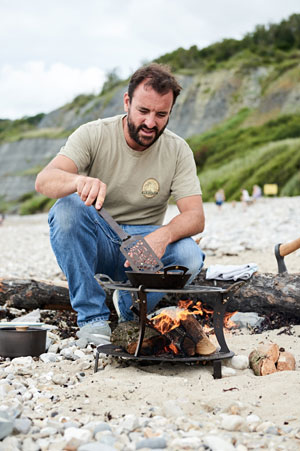
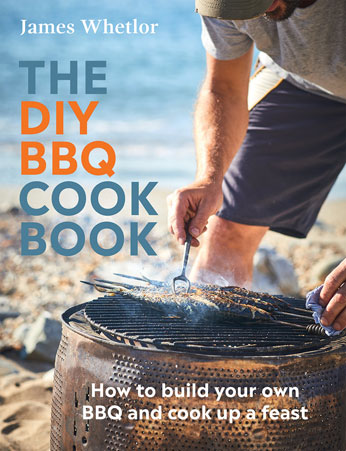
2. The DIY BBQ Cookbook: How To Build Your Own BBQ And Cook Up A Feast by James Whetlor
This is one for the DIY enthusiasts – anyone who really wants to their hands dirty when BBQing, from start to finish.
While it’s all very well and good to use a regular, shop-bought BBQ, food writer James Whetlor is a huge proponent for making your own.
Why? Because shop-bought versions are often expensive, and near-impossible to cart with you on a jaunt to the beach or a day in the park.
But Whetlor predominantly highlights how fun it is to make your own BBQ. You don’t have to be a DIY wizard or a building maestro to do so – some of the simplest set-ups will be hugely effective.
You’ll need a few basic bits of kit for a DIY BBQ – including breeze blocks, pots, planks and chains – all of which Whetlor says is available at your local DIY store. He also urges safety – wearing work gloves and goggles when building.
Whetlor gives a comprehensive guide on building your own BBQ – covering all the different options, from small versions to one that can smoke a whole pig – and there’s even an ingenious step-by-step guide for building your own tandoor oven out of a flowerpot.
If you’re tentative about building your own BBQ, Whetlor’s guide is so comprehensive he’ll put any nerves at rest – and then he follows up with the best bit: what to cook on your new creation.
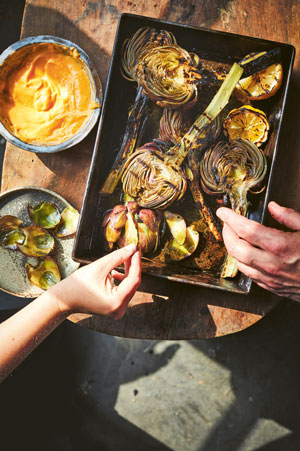
Dishes range from vibrant veggie options – mushroom tacos and miso-marinated aubergine steaks – to meaty dishes (coconut hot wings, tandoori quail, spicy pork ribs and more).
Quadrille, £20. Photography by Sam Folan. Available now.
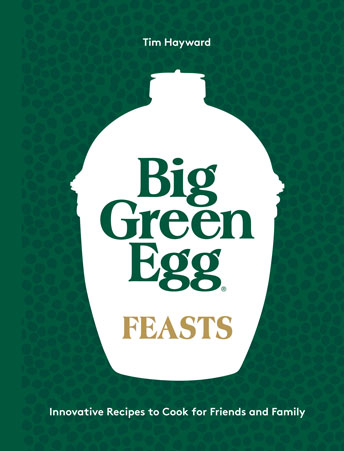
3. Big Green Egg Feasts: Innovative Recipes To Cook For Friends And Family by Tim Hayward
While this book is predominantly geared towards people with Green Eggs – a specific type of ceramic BBQ – don’t be put off, because the recipes will suit anyone, with any type of BBQ.
The beauty of a Green Egg is it covers so many different types of cooking – you can slow-roast, wok-fry and cook pizzas on there – but you’ll just as easily be able to do that without one, be it on stove or in your oven, if it’s not a recipe that specifically calls for BBQing.
If you’ve got a Green Egg, food writer Tim Hayward will take you through the best ways to use it, making sure you get the most out of this (admittedly expensive) piece of kit.
But the real strength of this cookbook lies in the sheer range of recipes included from all over the world. You’ll get step-by-step guides on how to make lobster rolls from the US, Indian chicken curry, a whole rack of spiced lamb from the Maghreb region in north-west Africa and Mexican taco recipes to feed a crowd.
Dishes are vibrant, colourful and will be everything you want to make this summer – with or without a BBQ.
Quadrille, £30. Photography by Sam Folan. Available now.
This year’s show gardens let nature do the talking, as gardening editor Hannah Stephenson discovers.
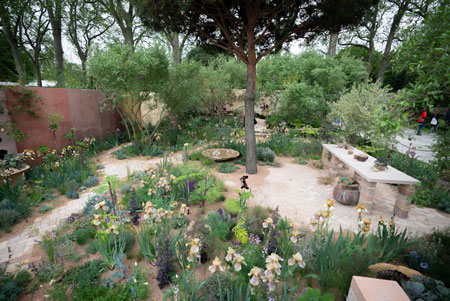
Gardens featuring more weeds and less formality have taken centre stage at this year’s RHS Chelsea Flower Show, placing more emphasis on letting nature take control.
Native plants and trees, nettles, dandelions and a predominantly green palette of planting feature in many of the 36 show gardens, along with salvaged and upcycled materials. Elsewhere, huge bursts of colour remain in the Great Pavilion, while first-time exhibitors include mushroom growers the Caley Bros.
This year’s show is likely to spark controversy, reckons garden designer Andrew Duff, co-chair of the Society of Garden Designers and managing director of the Inchbald School of Design.
“There’s a clear message about sustainability and environmental factors in an aesthetic way. There’s a loss about actually, what is a garden supposed to do?” he says. “Right across the show, the inference is that nature’s taking control… maybe that it’s OK to let weeds grow and let things get a little bit ruinous.
“But at the end of the day, people like a lawn, they like to look after a space – that’s part of being in a garden – and it’s time that we need (to address) that controversy,” Duff adds.
Reflecting on the topic, Matthew Pottage, curator of RHS Garden Wisley, says: “We are having a climate crisis. We do need to garden environmentally sensitively. Is this the place to be showing that? It’s arguably the world’s best flower show, so this is the place.”
5 highlight gardens from this year’s RHS Chelsea Flower Show
Centrepoint Garden
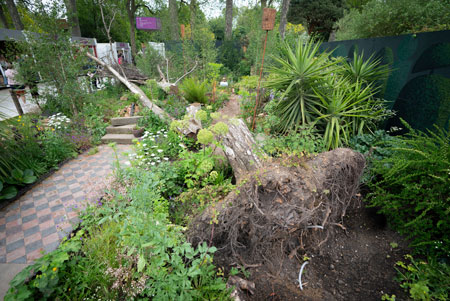
Love it or hate it, this garden is likely to cause a stir with its partly demolished house, so-called ‘weeds’ and a fallen tree. Designer Cleve West has admitted it’s a ‘Marmite garden’ – people will love it or hate it.
“There’s a sense of abandonment, which is so clever. Cleve West has done a partly demolished ruined house with the idea of nature taking over,” Duff observes. “He’s saying it’s a metaphor for what it is to be young and homeless. There are nettles and dandelion seedheads. It’s really going to question what beauty is in a plant – and I think we need to have that discussion.”
Nurture Landscapes Garden
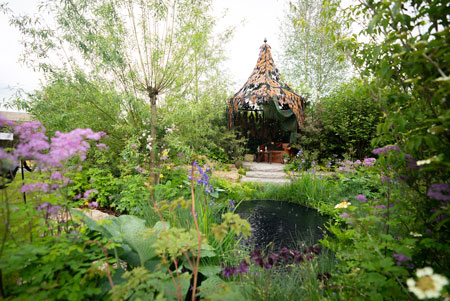
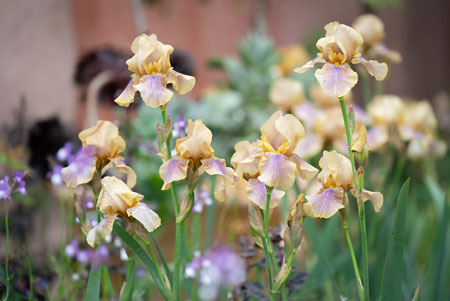
If you’re looking to take home some plants with you, be inspired by the beautiful Benton irises in rich shades of pastels and deep yellows which you’ll see in designer Sarah Price’s Nurture Landscapes show garden, inspired by the artist and plantsman Cedric Morris.
Memoria and GreenAcres Transcendence Garden
Designers Gavin McWilliam and Andrew Wilson’s garden aims to deliver an uplifting spiritual space, reflecting the emotional experience at the end of life (it’s going to a bereavement site after the show).
“Controversially, they’ve used concrete, but with the idea that this concrete is going to be around for hundreds of years,” says Duff. “It’s not a single use concrete.
“It has a simple palette of planting, is cool and calm and you immediately feel rested. The minimal use of materials and colour palette was really special and a moment of calm in the entire show. It was a relief to get to it,” Duff adds.
Myeloma UK – A Life Worth Living Garden
Top designer Chris Beardshaw’s garden has a much more traditional garden feel, with a structured order in the colourful planting against a backdrop of clipped yew, including peonies and salvias, plus inspired woodland planting.
Horatio’s Garden
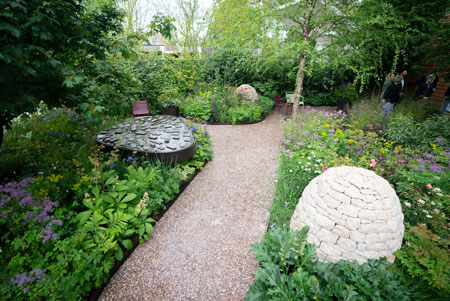
Putting wheelchair access at the forefront of their design, Charlotte Harris and Hugo Bugg (Harris Bugg Studio), have created the eighth garden for the eponymous charity, which builds gardens to improve the lives of people with spinal cord injury.
The wheelchair-accessible space, influenced by the ways of seeing from a bed or a wheelchair, features tactile stone cairn and a table water feature to encourage wildlife, while a garden pod provides a cocooning place for physical and emotional shelter. After the show it will be relocated to Sheffield’s Princess Royal Spinal Cord Injuries Centre.
“There’s an incredible depth of planting, which is mind-blowingly beautiful, and beehives of warm cut stone which kind of replace topiary – they’ve made topiary out of stone,” says Duff.
Top trends
These are some of the key gardening trends to emerge from this year’s event.
Wildlife
“Unsurprisingly, there’s going to be the awareness of wildlife-friendly planting,” says Pottage. “There’s lots of habitat in gardens, but hopefully showing that can be beautiful as well. There are lots of logpiles, lots of water, lots of native plants, but also lots of gardenesque planting.”
Reclaimed and reused
Crushed concrete, piles of rubble, bare sand, re-used bricks and other recycled material dominate many of the show gardens’ pathways and form decorative features in several gardens. There’s a message to get gardeners thinking about how they might reuse materials, which formerly headed for the skip.
“All the gardens have a destination, which is really important,” says Pottage – the show gardens are all being relocated after the show.
Award-winning designer Tom Massey, who has this year designed The Royal Entomological Society Garden, predicts: “Reuse of waste materials is going to be a big thing.”
He uses crushed construction waste in his show garden, including crushed bricks and concrete to create a textured, aesthetic backdrop for the planting along with deadwood. “These waste materials are really good habitat for insects,” he points out.
Plants
People will be encouraged to grow native plants, from hazel to cow parsley, while those seeking colour may go for irises, which are prevalent at this year’s show. There’s also a resurgence of common yew (Taxus baccata) and other familiar plants including a cloud pine, Eleagnus ‘Quicksilver’
Drought-tolerant plants are also being pushed – some 55% of perennials in the show gardens are drought-tolerant, almost double that of last year, including fennel, salvia and cistus.
Weeds
Dandelions and other weeds feature in some of the gardens. Chelsea gold medallist Cleve West notes: “People get their knickers in a twist about weeds but they are the pioneer plants that stitch everything together.
“It’s just getting people to understand that all the things we kill with herbicides and pesticides can look quite beautiful,” West adds. “Just be more tolerant, and if you have a space where you can let nature take its course, it’s got to be good for wildlife and insects.”
Massey adds: “Dandelions are an early source of pollen and nectar for bees – and insects are in mass decline, so we need to be more considerate in the way we manage and maintain our gardens.”
Sculpture
“We are seeing nature becoming the sculpture,” says Duff, citing designer Sarah Price’s Nurture Landscapes Garden Mediterranean cloud pine. There are pillows of yew in the Memoria and GreenAcres Transcendence Garden.
Nods to the Royal Family abound, from bronze bust of the King in A Garden of Royal Reflection and Celebration, which features some of the Windsor family’s favourite plants including roses and camassia, plus several crowns featuring flora and fauna.
Standing at just under 7m is the biggest driftwood sculpture ever displayed at Chelsea, a Wyvern dragon perched on a tree, the centrepiece of sculptor James Doran-Webb’s exhibit.
And paying homage to the unsung heroines of horticulture at The Monument is the ‘Women in Horticulture’ exhibit honouring the likes of Janaki Ammal, Beth Chatto and Gertrude Jekyll.
Bigging up small spaces
Guy Barter, chief horticulturist for the RHS, says people are likely to be planting bigger trees on their balconies and also using drought-tolerant species. “This year there’s a pollinator section, a wildlife bath, and drought-resistant plants.”
The sunniest of shades is back, says Sam Wylie-Harris.
If the recent spring weather has put you in a sunny mood, why not mirror those feel-good vibes at home with some sunshine-yellow decor?
The brighter days may even have reignited an urge to tackle some long overdue DIY projects, or perhaps breathe life into your space with a fresh lick of paint.
If you’d rather take the easy option however, there are plenty of sunbeam-hued homewares in the shops, energised and raring to go.
Let the happiest hue give your home a new lease of life with these top finds…
1. John Lewis ANYDAY ‘Hello Sunshine’ Cushion, £12, John Lewis
A sunny scatter cushion emblazoned with a cheery message will set the scene for an all over glow. Bound to bring a smile.
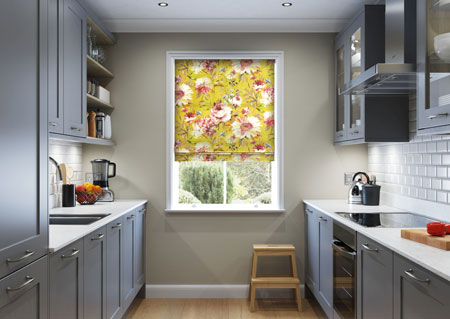
2. Capri, Yellow – Roman Blind, from £51.31, 247 Blinds
Window dressing with timeless appeal, wildflowers against a yellow background works like a dream with soft greys and neutrals. Style with a fruit bowl of bananas, lemons or yellow peaches to add vibrancy to your scheme.
These fetching tumblers will make that smoothie or fruit punch taste extra-special, without being spendy. Ideal for garden parties and al-fresco lunches once it really warms up.
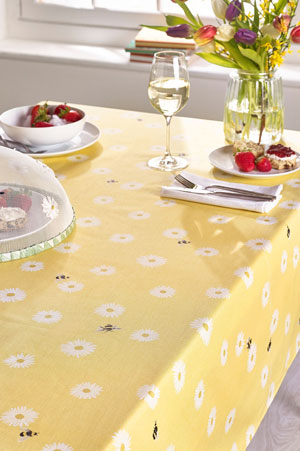
4. Daisy Bee Wipe Clean Table Cloth, from £28-£32, Next
From summer soirées to brekky or brunch, this sweet print looks and feels as fresh as a daisy.
5. Sass and Belle Yellow Round Bamboo Tray, £19.95, The Northern Line
When it’s time to proffer those Aperol Spritzes, this serving dish signals sundowners.
6. Victory Colours Sunstar No 42, Matt Emulsion, £44.95 for 2.5L, Victory Colours
A joyous celebration of colour, this bright yellow paint works for both contemporary and classic schemes. Create a feature wall full of warmth.
7. The Candy Neck Arm Wall Light in Yellow, £224, Made to Last
This industrial style retro-looking wall light makes a bright statement, before you’ve even flicked the switch.
8. Neve Linen Sofa Bed – Mustard, £199.99 (other items from a selection), The Range
A Scandi-style sofa bed in mustard will spice up a small space – and look equally good in a sun room. Think afternoon doze, sunny siesta style.
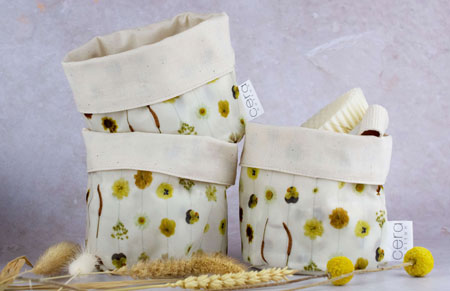
9. Plant Pouches Gift Box, from £28-£38, Cera Cotton
We love these wax coated fabric plant pouches – ideal for showing off your succulents. Available in three sizes, they can also be used for storing simple household items.
10. John Lewis + Matthew Williamson Wave Bath Towel, Mustard, £22.95, John Lewis
Looking to give your bathroom a fun beach vibe? This wavy print is a prize pick.
11. Salsa Garden Chair, Set of 2, Two Tone Yellow, £189, John Lewis
These funky rattan chairs will work a treat indoors or out. The pop of colour makes for an easy update for patio spaces and balconies.
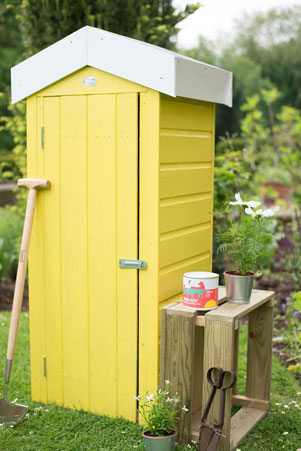
12. Golden Somer Wood Paint, from £20 for 750ml, Thorndown
It may take some work, but imagine the satisfaction of bringing a tired piece of furniture back to life. Suitable for indoor and outdoor use, this buttercup yellow will liven up a lawn or living room.
Lisa Salmon made the King and Queen Consort’s coronation quiche recipe containing spinach and broad beans – and even her teenagers ate (most of) it.
At first glance, the King and Queen Consort’s personally-chosen ‘coronation quiche’ recipe looks fairly cheap and easy to make.
Featuring spinach, broad beans, cheese and fresh tarragon in a no-faff recipe (you put everything in a pre-baked pastry case and stick it in the oven), what could possibly be the problem?
Fresh tarragon, it turns out. It may be easy to get your hands on when you’re royal, but I went to three supermarkets and even tried one online, and just could not find any.
The recipe has been shared on the royal family social media channels in celebration of Coronation Big Lunches, which aim to bring communities together to celebrate over the coronation weekend (May 6-8).
Great British Bake Off judge and Big Lunch ambassador Prue Leith was one of the first to try it, at a special Big Lunch at Westminster Abbey, and described it as “absolutely delicious”.
Leith added: “There was no soggy bottom, the custard was not overcooked and dry, and the balance of tarragon was perfect – a really good quiche.”
The royal family’s website says the dish is “a deep quiche with a crisp, light pastry case and delicate flavours of spinach, broad beans and fresh tarragon”. It does not, of course, mention the fact finding fresh tarragon is about as easy as wearing the Crown Jewels on a night out at Wetherspoons.
I resorted to using dried tarragon (£1.09 at Morrison’s), with the internet suggesting using one teaspoon of the dried variety for every one tablespoon of the fresh stuff, as dried tarragon is much stronger tasting.
The other ingredients were easy to find, and pretty affordable. A packet of frozen broad beans is about £1.50 (and you only need a handful for the recipe), you can buy a small pack of spinach for 99p, double cream costs about £1.35, and the other ingredients – like milk, eggs, cheese and butter – you might have in your fridge already.
While the recipe does give the option of using shop-bought pastry, I made my own – tweaking the recipe to make it vegetarian. Although the quiche filling is all veggie, the pastry included a mixture of butter and lard, which is most definitely not vegetarian! I used all butter for my pastry instead, which was fine.
Making pastry is easy enough, and I baked my pastry case ‘blind’ for the suggested 15 minutes. I suspect a few minutes longer would have been better though, as while I’m pleased to say the finished quiche didn’t have a soggy bottom, it wasn’t exactly ‘crisp and light’ as described.
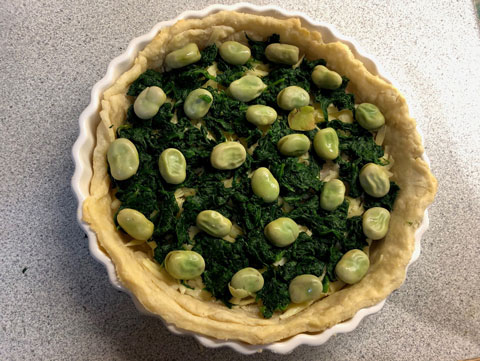
The filling couldn’t be easier. Half the cheese, cooked spinach (which I squeezed in kitchen paper to get rid of excess moisture, although the recipe doesn’t suggest this) and broad beans go in the bottom of the pre-baked case, then a mixture of the double cream, milk, eggs, tarragon and seasoning are poured on top, followed by the rest of the cheese (I added a bit more than suggested, simply because we all love cheese!).
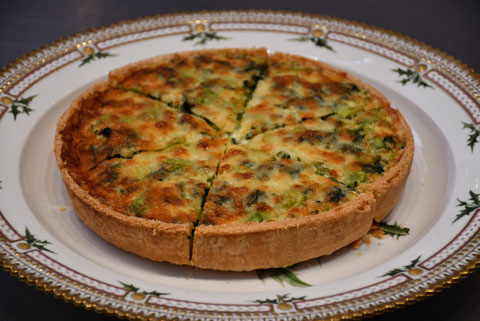
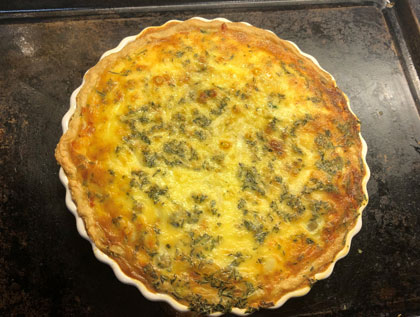
After baking for 25 minutes, the quiche looked roughly like the one in the official Palace picture (although perhaps not quite as neat). But, what did it taste like?
Creamy was my overriding impression, and the hint of tarragon was nice, but I wished I’d added a little more. And to be honest, although I like spinach and broad beans, I didn’t really notice them taste-wise – although the quiche looks very green.
Green food is not something eagerly consumed by my teenage sons, so I was expecting them to turn their noses up at this. Surprisingly, they didn’t – and, although they picked out the broad beans, they actually said they liked the rest of the quiche and ate it all. Amazing!
However, although the recipe claims to serve six, there was just about enough for four of us – six portions would be very small.
The final verdict goes to my 19-year-old son, who concisely described the coronation quiche as: “Creamy and cheesy, with a twist.”
How to make the coronation quiche
(Serves 6)
For the pastry:
125g plain flour
Pinch of salt
25g cold butter, diced
25g lard
2tbsp milk
Or 1 x 250g block of ready-made shortcrust pastry
For the filling:
125ml milk
175ml double cream
2 medium eggs
1tbsp chopped fresh tarragon
Salt and pepper
100g grated cheddar cheese,
180g cooked spinach, lightly chopped
60g cooked broad beans or soya beans
Method
1. To make the pastry: Sieve the flour and salt into a bowl; add the fats and rub the mixture together using your fingertips until you get a sandy, breadcrumb-like texture. Add the milk a little at a time and bring the ingredients together into a dough. Cover and allow to rest in the fridge for 30-45 minutes.
2. Lightly flour the work surface and roll out the pastry to a circle a little larger than the top of the tin and approximately 5mm thick.
3. Line the tin with the pastry, taking care not to have any holes or the mixture could leak. Cover and rest for a further 30 minutes in the fridge.
4. Preheat the oven to 190°C.
5. Line a 20cm flan tin with greaseproof paper, add baking beans and bake blind for 15 minutes, before removing the greaseproof paper and baking beans.
6. Reduce the oven temperature to 160°C.
7. Beat together the milk, cream, eggs, herbs and seasoning.
8. Scatter half the grated cheese in the blind-baked base, top with the chopped spinach and beans and herbs, then pour over the liquid mixture.
9. If required gently give the mixture a delicate stir to ensure the filling is evenly dispersed but be careful not to damage the pastry case.
10. Sprinkle over the remaining cheese. Place into the oven and bake for 20-25 minutes until set and lightly golden.
Claire Spreadbury rounds up special edition beers, wines and spirits to celebrate in style.
The King’s coronation will see many of us throwing street parties, getting together and enjoying the additional bank holiday.
If you’re not sure what to drink, you needn’t worry. There are oodles of royal-themed new releases hitting the shelves in time for the big day.
Here are some of our favourites…
English bubbles
Popping corks of celebratory fizz is most definitely in order to toast the King, and there’s a huge variety to choose from. Starting from the top end, you can’t go wrong with the Ridgeview Royal Coronation Trio, £117, after all – it comes with a royal seal of approval. A brand served at Charles’ first state banquet at Buckingham Palace in November, this coronation gift set contains the Ridgeview Bloomsbury NV (the official wine served for the Queen’s Diamond Jubilee), Ridgeview Cavendish NV and Ridgeview Fitzrovia Rosé NV (served to Barack Obama at the Buckingham Palace State Banquet in 2011) plus a limited edition coronation stopper. All completely delicious if you can afford to splash out.
Another bubbling British treat is Hattingley Valley‘s Kings Cuvée 2015, £85 (perfect with canapes) and Kings Cuvée Rosé 2015, £95 (serve with a scrumptious Eton Mess) – both available with a limited edition King’s coronation engraved oak case, £30, to mark the occasion.
Renowned English wine producer Chapel Down has released the Coronation Edition, £65, from their exceptional 2016 vintage, which features special edition packaging. Described by head winemaker Josh Donaghay-Spire as having aromas of ripe apple, fresh red berries and toasted brioche, he says this rich and complex sparkling wine is “perfect” for grand celebrations. Available directly from Chapel Down, this top drop will also be served by the glass at the two Michelin star The Hand And Flowers, and the Oxo Tower Restaurant. All profits from the sale of the wine will be donated to the Royal British Legion.
What could be more magnificent than celebrating the coronation with a magnum? The 1.5-litre Moët & Chandon Coronation Cuvée 2023 is dressed to impress with a specially-designed souvenir bottle, featuring the official emblem of the Coronation of His Majesty The King and Her Majesty The Queen Consort – available exclusively at Clos19 from May 1.
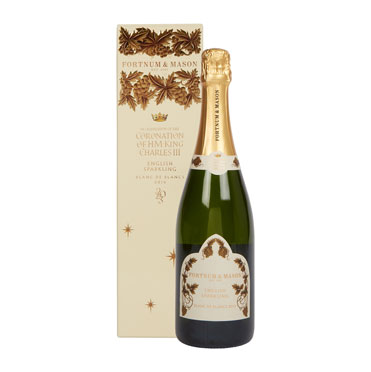
Royal Warrant holder Camel Valley has been producing award-winning English wines since 1989 and its English Sparkling Blanc de Blancs 2016, exclusive to Fortnum & Mason, contains 100% sparkling chardonnay, £42.50.
At the more affordable end of the spectrum, Aldi has done it again, releasing a Specially Selected English Sparking Rosé, £16.99. With a patriotic label and notes of raspberry and brioche, you really can’t go wrong.
Marks & Spencer‘s Balfour Coronation Cuvée, £23, is a limited edition bottle of balanced English bubbly, with some lively lemony acidity, crisp apple and even a touch of white pepper.
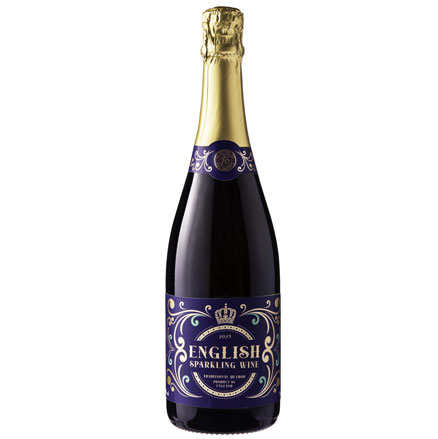
Sainsbury’s has also released an English Sparkling Wine, £22, made from grapes grown in prime vineyard sites across southern England and made using the same method as champagne. Enjoy crisp green apple aromas, toasty brioche notes and delicate citrus flavours.
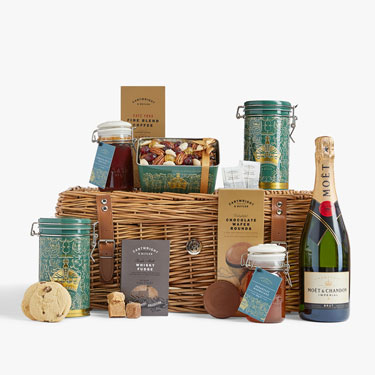
And finally on the fizz front, if you want everything in one place, Cartwright & Butler‘s Coronation Celebration Hamper, £160, comes with a bottle of Moet & Chandon Brut Imperial, special edition coronation biscuits, tea, chutney, marmalade and coffee, plus fudge, more biscuits and a delicious fruit cake. What more could you need?
Wine
Understandably, it is all about the English sparkles when it comes to coronation wines, but for those who prefer something a little richer, we couldn’t resist mentioning Long Live The King – a cabernet sauvignon with the perfect Aussie ripeness, punchy cassis and an excellent name. £12.99, Laithwaites.
Gin
Who doesn’t love an afternoon G&T on a bank holiday Monday? Adnams have released a limited run of 1,000 Coronation Gins, £50, making this one a bit of a collector’s item. Taking inspiration from the King’s love of the natural world, John McCarthy – Adnams head distiller – picked out botanicals evocative of an afternoon tea in an English herb garden. Simply serve with Indian tonic water, ice, a fresh bay leaf and a sliver of cucumber.
Another top gin distiller, Silent Pool, has created a limited edition Coronation Gin, £45, that’s exclusive to Waitrose. Containing floral layers of lavender and chamomile, notes of citrus and lime leaves, and grounded with the subtle sweetness of local Surrey honey, it’s utterly delicious.
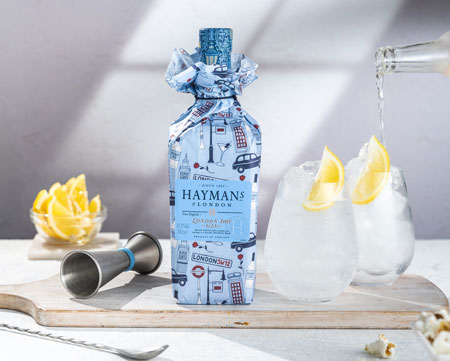
If you’re looking for a bit more bang for your buck, family gin maker Hayman’s has collaborated with up-and-coming artist Rose England to launch the limited edition London-inspired wrap for its bestselling London Dry Gin. £26 and exclusive to Waitrose, the design features iconic London landmarks, such as Big Ben, the black taxi and a red phone box.
For something a little lighter and fruitier, Sainsbury’s has also launched their Taste the Difference Orange Gin Liqueur with a hint of lemon, £8 (was £10) – wonderfully refreshing poured over ice with a dash of sparkling tonic water.
Beer
If you love a beer, you won’t feel left out amid the royal celebrations. Aldi has brought out a whole host of Coronation Craft Beers, £1.79 each. Choose from a Session IPA, Session Pale Ale, British Ale and British Lager, all in glorious limited edition prints.
Sainsbury’s has got in on the action too, with its Taste the Difference Coronation Ale, £2.50. An English ale brewed in the heart of Dorset, it’s made using crystal and chocolate malts for a toasted biscuit taste.
And Marks & Spencer is also releasing a delightful Coronation Ale, £3. Brewed with 100% English Sovereign hops from Herefordshire and pale ale malt grown organically in the UK’s finest barley-growing area of north Norfolk, it slips down like a dream.
Empower your kids to be financially savvy with these simple money-making tips. By Vicky Shaw
Enabling children to earn money is one way that parents can help them feel more empowered and independent.
With some support and guidance, the ability to start saving can start at a young age, as kids are helped to test out their money-making skills.
Louise Hill, co-founder of GoHenry, the prepaid debit card and financial education app for young people aged six to 18, says: “Children don’t have to wait until they turn 18 to start earning money.
“With the right know-how, they can equip themselves with the skills to earn some cash outside of school, and develop core financial habits that will benefit them for life.
“Kids have a wonderful sense of creativity and entrepreneurial spirit, which if harnessed at a young age, can have a profound outcome on work and later life.
“Earning money is a powerful exercise that teaches kids financial independence, prepares them for adulthood, and ultimately gives much more satisfaction rather than instant gratification.”
Here are Hill’s simple tips for parents to encourage their kids to set savings goals:
1. Could they earn from a hobby?
Hill says: “By encouraging kids to embrace hobbies such as crafting or art, they can sell their creative work and turn their passion projects into a way to make money on the side.”
2. Benefit from being an animal lover
“If your child is passionate about animals, then there are several ways they can make money,” says Hill. “From helping to clear out a rabbit hutch, to feeding a neighbour’s cat, or making pet treats, looking after furry friends is a great way for kids to make extra pocket money.”
3. Empower children to profit from their culinary skills
Hill suggests: “For youngsters who love cooking and baking, selling their goods to friends and family is an easy way to earn extra money.”
She adds: “Patient kids who enjoy being outside, growing and selling home-grown produce, such as fruit and herbs, is both a fun and fulfilling way for foodies to earn.”
4. Motivate them to clean up
“According to our research, children are earning up to £29 per month by carrying out tasks such as vacuuming, mopping and unloading the dishwasher,” says Hill.
5. Offer guidance for launching a venture
For older children, channelling their entrepreneurial spirit with jobs such as babysitting, through to selling clothes on online marketplaces, is an empowering way for them to learn how best to manage their money, Hill adds.
Some people are banking on inheritance to buy a home, or pay off their mortgage, according to Zoopla. By Vicky Shaw.
Coming into some inheritance can make all the difference when it comes to being able to achieve financial milestones, such as getting on the property ladder.
For Kirsty Hamilton, 27, inheritance left by her uncle helped her put down a 50% deposit on a flat.
The operations manager, from Paisley in Scotland, says: “Knowing I had the inheritance meant I didn’t have to worry about saving for my first home. It also allowed me to purchase a property in a nice area.
“We have recently refurbished the bathroom and it’s been nice to do this from a stable position.”
Kirsty also highlights how discussing family inheritance can be worthwhile.
“It is useful to know a ballpark figure of any inheritance you may gain,” she says. “This will help you to manage your life and plan for the future.”
High house prices and jumps in mortgage rates make getting on the property ladder an even tougher feat for some first-time buyers.
Comparing her situation to that of her parents, Kirsty says: “It is 100% harder now than it was for my mum and dad.
“They’ve spoken about how much less they had to make before being able to purchase a property, compared with young people today.”
Recent research from property website Zoopla, among 2,000 people whose parents own a property, found more than two-fifths (43%) are relying on inheritance. Despite this, only three in 10 (30%) people surveyed have asked their parents how much they are likely to inherit.
While some people told researchers they find it too awkward to discuss inheritance, others said they have checked how much their parents’ property is worth.
Zoopla has a calculator on its website, which can provide an indication of what your property inheritance might be worth.
Some of those surveyed said they had fallen out with family over discussions about inheritance, while others are concerned such talks could spark rifts in the future.
Picking the right moment may help, as could seeking financial advice.
Some people are already making plans for the expected inheritance they are yet to receive, the survey revealed.
Nearly six in 10 (58%) expect to be able to move house, upgrade their home, pay off some of their mortgage, or become mortgage-free.
Some people surveyed were renting until they inherit, while others had purchased their home on the basis that an inheritance would one day help them to pay off their mortgage.
Of course, not everyone is fortunate enough to have money passed onto them by older generations, either as wealth transferred after parents have died or while they are still alive.
Recent analysis from think-tank the Institute for Fiscal Studies (IFS) indicated that the children of university-educated home-owning parents receive around six times more in wealth transfers during their 20s and early 30s than the children of renters.
These wealth transfers between generations often happen when people are buying their first home or getting married, the IFS said.
For those trying to get on the property ladder who do not have the benefit of money being passed down to them to help, Daniel Copley, a consumer expert at Zoopla (zoopla.co.uk), suggests exploring what government schemes are available.
These may vary, depending on where in the UK you live.
He says: “There are several government-backed schemes – some of them not very well known – that can give first-time buyers a helping hand onto the property ladder.”
It may also be worth being open-minded on location and looking for “up-and-coming” places to buy a home.
Copley suggests: “Look for areas that have similar attributes or are adjacent to your preferred area – you might be surprised how much house prices change across relatively short distances.”
Lifetime ISAs can also give people saving for their first home a boost, adding a 25% government bonus onto savings, subject to certain terms and conditions.
People must be at least 18 and under 40 years old to open a Lifetime ISA.
How to grow your own summer salads. By Sam Wylie-Harris.
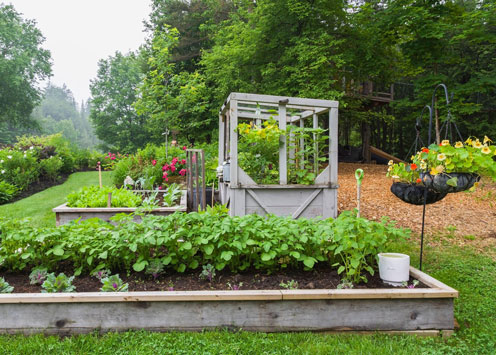
If the idea of foraging for fresh food fills you with joy, how about going one step further and building a salad with ingredients you’ve grown yourself?
“Growing your own fruit and vegetables is becoming increasingly popular, with more people discovering the many benefits of producing your own food,” says Daniel Carruthers, of Cultivar Greenhouses.
Not only can growing from seed be cost-effective, you’ll hopefully end up with an abundance of fresh food – even when shops are low on stock.
Want to try and grow your own salads? Here’s how to get started…
What to plant
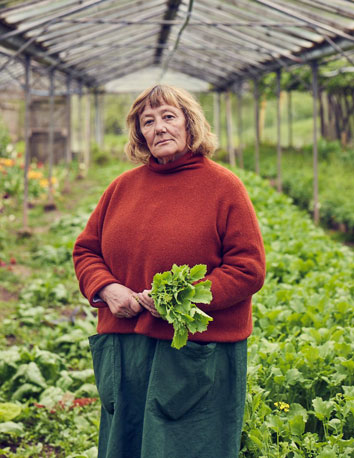
“If I had to name one crop I could always grow, eat, and sell, it would have to be salad crops,” says Jane Scotter, a Herefordshire biodynamic farmer (fernverrow.com), who grows seasonal vegetables, fruit and herbs for some of London’s top restaurants.
“A high-value crop, much sought-after by restaurant customers and individuals alike,” notes Scotter, who has also just launched her first online gardening course with Create Academy.
She says the flavour of the leaves, picked just before eating, is far superior to anything one can buy. “Eaten fresh captures the zest and essence of flavour, and texture of the tender leaves.”
Varieties of salad leaves
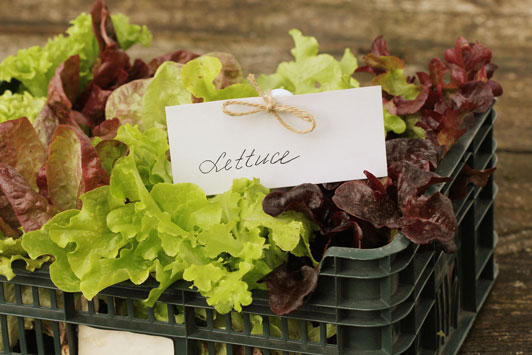
There are lots of varieties of salad leaves you can grow. “For spring, I like the hot zing of the mustards, such as mizuna, mibuna, purple frills and golden frills,” says Scotter.
These are all from the brassica family, and are quick to germinate and fast to grow.
“I find rocket to be rather overrated as a salad leaf, except when grown in the spring and autumn, while the days are warmer, but nights are still cool,” she adds.
Scotter says the flavour is much fuller, the leaves more robust and altogether quite different from summer-grown rocket, which she finds thin in both flavour and substance.
Fruits of the vine
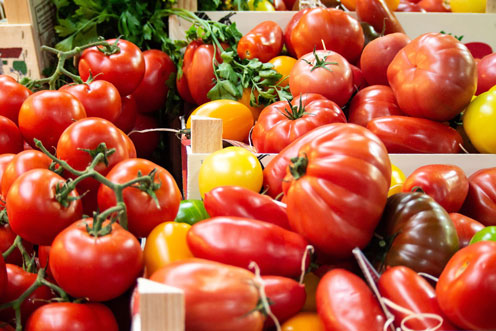
“Tomatoes are a firm favourite in most salads and, with shortages in many supermarkets at the moment, it’s a great time to start growing your own,” suggests Carruthers.
With so many varieties to choose from, he suggests popular types such as Brandywine tomatoes, known for their large, beefsteak-shaped fruit and delicious taste, and Tigerella – “an old faithful, which has a beautiful red and orange striped skin”.
Carruthers continues: “Cucumbers are a perfect summer fruit, adding a refreshing crunch to salads. There are almost 100 different varieties, so choosing which ones to grow can be a minefield.”
Picolino and Cucumber Goblin are smaller than more popular varieties, but they provide higher yields throughout the season – ideal for keeping your salads going over the summer, he adds.
How to plant salad seeds
Direct sow the seeds into clean, weed-free soil, says Scotter.
“They’re not hungry feeders, so lots of fertility is not a big issue. If you don’t have a garden, fill a container or wooden box (with holes in the bottom for drainage) with organic compost. Fill the box at least 20cm deep with the fine soil. Pat down firmly and evenly.
“Then make a small trench, about 2cm deep and 4cm wide, using your finger or a round-ended tool, the thickness of a marker pen,” she adds. “Aim to have seeds about 1-2cm apart. Don’t worry about being too exact, but try not over sow, as plants will grow small and not as healthily.”
Cover with soil carefully and pat down firmly. She says to water with a watering can rose at first, otherwise seeds will not be evenly moistened, plus they may float away if water is added in a heavy-handed way.
“If these are started early to mid-March, you should see germination within 10 days. Sow at least four lines. Keep the soil moist but not soggy, and in a sunny spot outside. Your salad leaves should be ready for their first harvest within three weeks,” says Scotter.
“The varieties I’ve mentioned are cut-and-come-again crops – meaning you can cut at least four times from the same plant, before the leaves begin to get tough and lose flavour.”
How much to plant
“As a rough guide, a metre-length strip of mustard leaves will produce about 500g over three weeks. So, if you sowed four different varieties that would be two kilos,” says Scotter.
“I would expect to serve two people about 150g a serving. And when you consider the shop-bought mixes are around £30 kilo, you’re not only eating the best – but at a good price, too.”
The ID. Buzz is probably one of the most exciting EVs of 2022, but what’s it like from behind the wheel? Jack Evans finds out.
What is it?
How do you go about channelling some of the spirit of the iconic Volkswagen bus into a modern-day EV? Well, you create something called the ID.Buzz. It’s a fully electric bus built with some of the character of the classic, though underpinned by some of the latest battery technology.
But aside from its eye-catching looks, what does the ID. Buzz have to offer and how does it separate itself from the rest of the pack in what is becoming a very crowded EV segment? We’ve been finding out.
What’s new?
You might expect the ID.Buzz to be underpinned by a platform sourced from a conventional van, but no. The platform that this retro-infused model is sitting atop is the same that you’ll find underneath other Volkswagen Group EVs like the VW ID.3, Cupra Born and Skoda Enyaq iV. The idea behind this is to make the ID. Buzz more car-like in the way it drives, yet this scalable platform means there’s plenty of space on offer too.
For now, the ID. Buzz is a strict five-seater, too, though it’s expected that a long-wheelbase version with space for seven is on the horizon – so hold out a little longer if you’re after a more people carrier-focused option.
What’s under the bonnet?
Though you can get cars like the ID.3 and Enyaq with a variety of battery and motor options, there’s just one available with the ID.Buzz. Like other Volkswagen Group EVs the Buzz is rear-wheel-drive only for now, with a 201bhp electric motor sending power to the back wheels.
This motor is hooked up to a 77kWh battery which helps to deliver a claimed range of up to 258 miles between charges. Plus, because it can be charged at speeds of up to 170kW, a five to 80 per cent top-up could take as little as half an hour if you’re hooked up to a rapid charger. Plus, the ID.Buzz has been future-proofed through bi-directional charging, which allows it to store energy and then send it back to the grid during times of high demand.
What’s it like to drive?
Sitting in the cabin will prove familiar to anyone who has driven any of Volkswagen’s recent EVs. The switchgear, steering wheel and key touchpoints are all like-for-like, so it’s easy to get accustomed pretty quickly. On the move, the ID.Buzz is quiet and refined, though at slower speeds, its weight does come to the fore, as it tends to get upset by larger potholes or more distinct bumps in the road.
However, despite its on-paper 0-60mph time of 10.2 seconds, the Buzz feels a lot sprightlier to drive. The steering is pretty light but accurate, while loads of glass and relatively slim pillars mean that visibility is good in all directions. The raised seating position gives you a good view of the road ahead, too, and does make the whole experience more ‘bus like’.
How does it look?
It’s hard to stop and park in the ID. Buzz without someone coming over to ask questions about it, which goes to show just how eye-catching this electric model is. You could park it next to pretty much any current supercar and there’s a good chance that people will naturally gravitate towards the Buzz, simply because it looks like nothing else on the road today.
The split-colour design is particularly striking, but it’s all tied together in a package which takes some cues from the past, but blends them well with current proportions.
What’s it like inside?
Volkswagen’s MEB electric platform has been used to its fullest in the ID. Buzz, as there’s loads of space inside and plenty of storage options. There’s a completely flat floor, too, which means there’s no penalty for the person sitting in the middle seat in the back. Having said that, given how exciting the exterior is, we might’ve wanted a little more flair in the cabin of the ID.Buzz. It’s far from badly made, but the interior is a little bland compared with the superb outside.
But there’s loads of space on offer, with 1,121 litres of boot room available behind the second row of seats. Fold them down and this increases to 2,205 litres. Remember too, that if outright storage capacity is what you’re after, Volkswagen offers a more van-like ID. Buzz Cargo.
What’s the spec like?
Prices for the ID. Buzz kickstart from £57,115 in entry-level Life trim, which brings 19-inch alloy wheels, 10-colour interior ambient lighting and a full navigation system with a 10-inch screen. As we’ve found in other Volkswagen models, this infotainment screen isn’t the easiest to navigate, but it’s definitely at its best in the Buzz. Other standard features include a reversing camera, heated steering wheel and heated front seats.
You could step up to the £61,915 ‘Style’ to gain 20-inch wheels, a power tailgate and upgraded matrix LED headlights, but in truth, the regular specification is more than well-equipped for most. Since there’s no change in battery size or range in the more expensive specification, there’s not too much reason to opt for it, other than some choice extras.
Verdict
The Volkswagen ID. Buzz is here to show that electric cars needn’t be sterile or boring. Sure, the interior could do with jazzing up a touch, but the way this bus combines practicality, a decent range and plenty of standard equipment is impressive.
The only real snag is the lack of a seven-seater option, which is likely to be a put-off for many would-be Buzz drivers. However, if outright people capacity isn’t what you’re after, the Buzz makes for a very exciting and well-executed option.