


Been putting off all those dreary tidying tasks?
When it comes to a fresh start, a good declutter and getting organised can make all the difference – and it certainly helps if you have the right storage solutions to hand.
From baskets with benefits to chic shelving and cute caddies, these fab finds will help you tidy up in style…
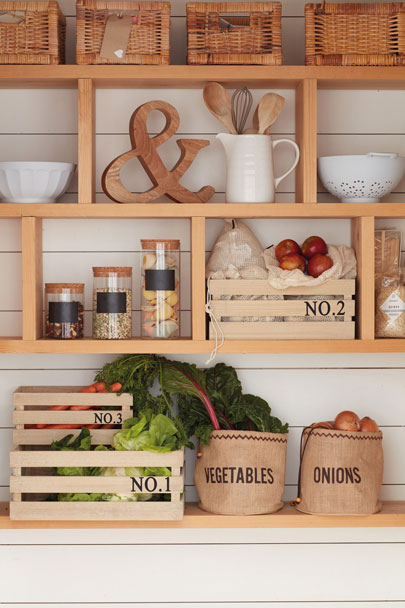
1. KitchenCraft Natural Elements Set of 3 Wooden Storage Crates, £38.99 (other items from a selection), Very
Ideal for modern rustic kitchens, who wouldn’t want to get a handle on these numbered wooden storage crates?
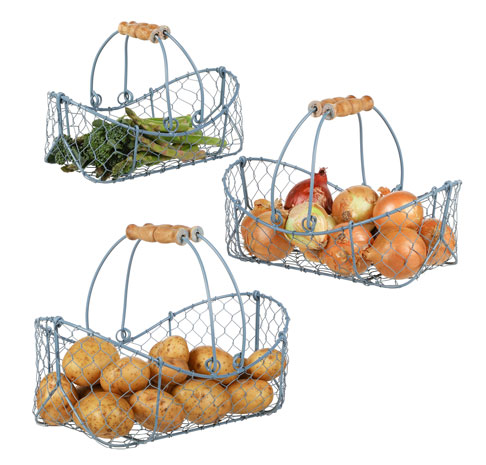
2. Set of 3 Dusk Blue Wire Kitchen Storage Baskets, currently £18.71 (were £24.95), Dibor
If you’re short on worktop space, these wire baskets will look brilliant hanging from a kitchen ceiling rack. An added bonus, they’re designed to stack inside each other when not in use.
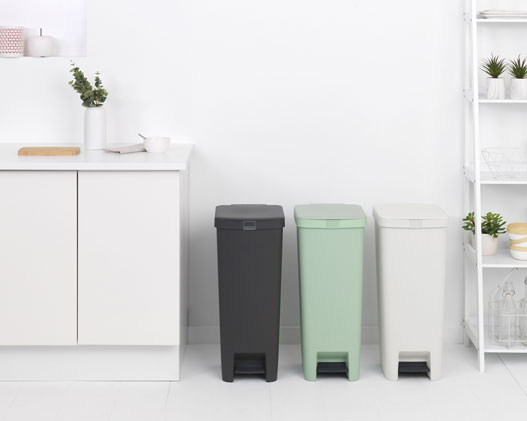
3. Brabantia Pedal Bin StepUp, £47.50 each, Brabantia
This stylish pedal bin is made from 91% recycled waste – and will do a fine job of storing 40 litres of yours. Available in three colours and slim enough for the tightest of spaces.
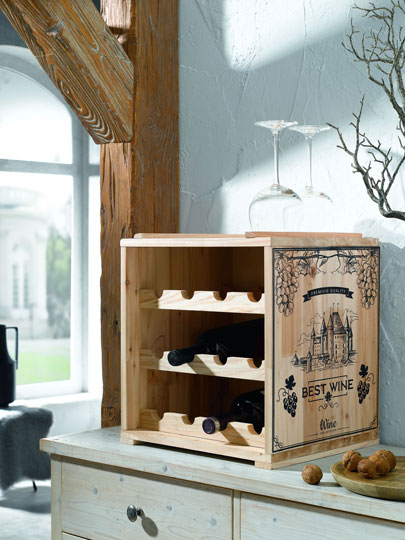
4. Wine Rack in Natural Fir Wood, £24.99, Lidl stores
Planning a dream wine tour and visit to a château? Bring the wine experience home with this wonderful 12-bottle wine rack.
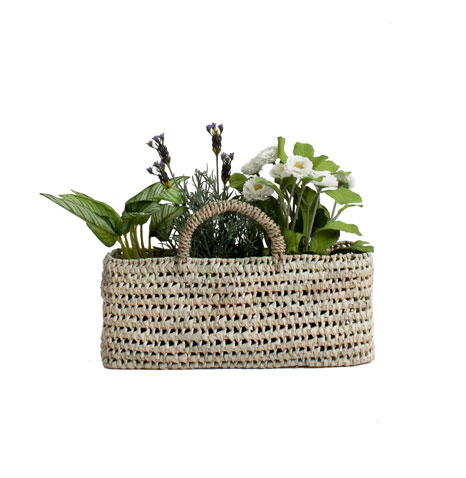
5. Long Open Weave Storage Basket, from £18, Bohemia
If your indoor oasis and precious plant life is looking more messy than ornamental, this rectangular basket makes the ideal vessel for a family of ferns.
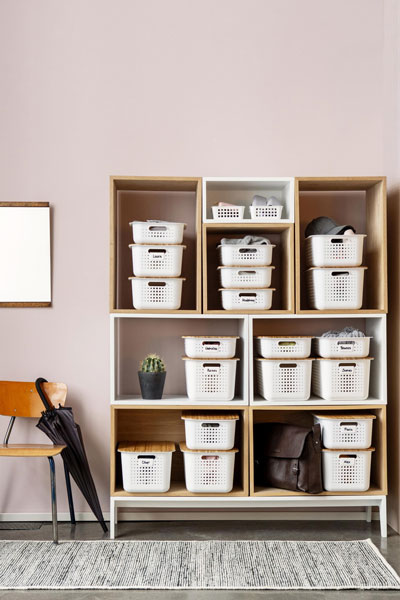
6. Orthex Smartstore Baskets, from £14 each A Place For Everything
The perfect building block for all your storage needs, these white baskets work well with pared-back designs or vibrant décor. Lightweight, versatile, ample storage for all your accessories and knick-knacks.
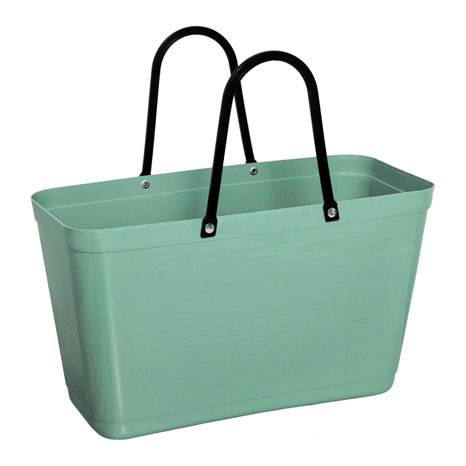
7. Hinza Bag Large Green Plastic – Olive, £29, Daisy Park
When you want to channel some retro vibes, this roomy bag looks the part and will hold anything from craft supplies to books and puzzles – or double up for the grocery run and days out.
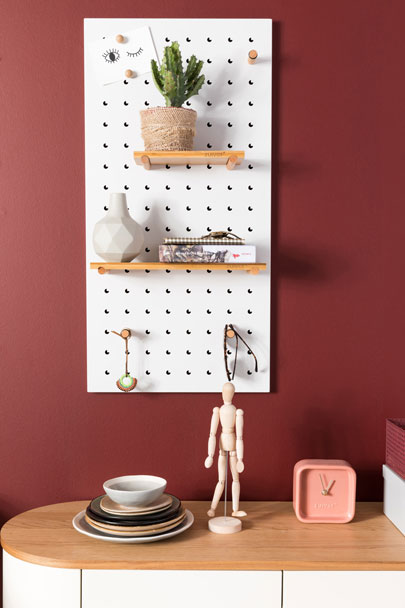
8. Zuiver Bundy Pegboard, £119, Cuckooland
Mood boards encourage creativity and can be used in practically any room in the house. With customisable storage options, this version comes with three shelves, three pegs and two magnets and can be hung horizontally or vertically.
9. Recycled Stationery Pack, currently £5 (was £10), Dunelm
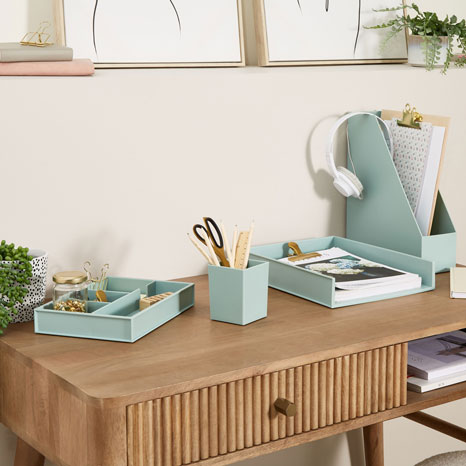
Tidy desk, tidy mind… With a magazine file, letter tray, accessory tray and pen holder, this smart set can help you strip back any unnecessary clutter.
10. Burnt Orange Cotton Knitted Round Storage Basket – large, £39.99, Homescapes
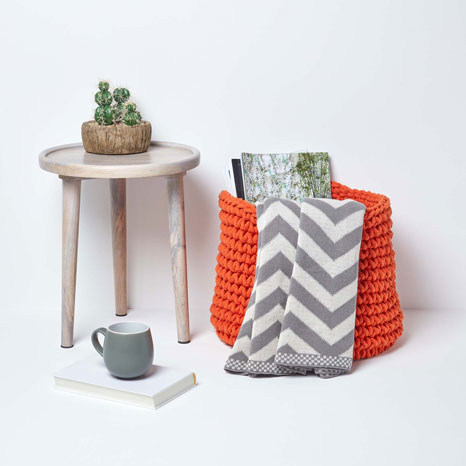
Available in a rainbow of bright hues, this chunky knitted basket is ideal for keeping lounge and bedroom corners tidy. Looks funky, too.
11. Maya Bear Wall Storage Basket, £45, Ella James
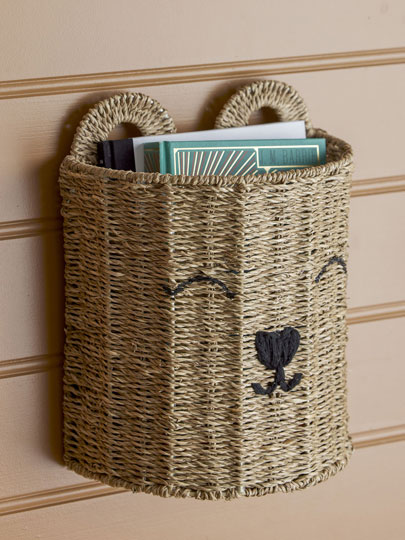
We’ve got a sweet spot for the happy face on this seagrass storage basket. A novelty find for tucking away anything you fancy.
12. Mini Folding Crate in Baby Blue, £5.50, Daisy Park
When you have to box clever, you can’t go wrong with this statement stackable crate, which folds flat and is pleasingly sturdy.
13. Natural History Museum Wall Mounted Organiser, £139, Dunelm
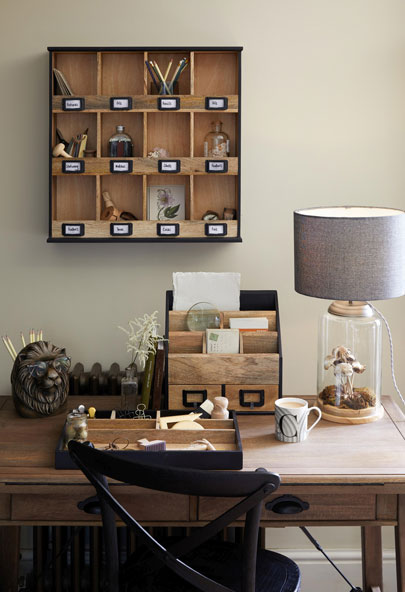
Inspired by museum exhibits and trays of curios, this vintage-look mango wood display cabinet provides a wonderful setting for any collection of salvaged trinkets or objet d’art – or household essentials and stationery. Just lovely.


Fitness might be Joe Wicks’ job, but even he’s not always ready and raring to work-out.
“I definitely have days where I feel flat and I feel stressed, or I can’t be bothered today,” admits the father-of-three. However, the difference for Wicks, 37, is that moving his body has become a non-negotiable.
“If I don’t wake up and exercise, I hold that tension and that stress in my body,” he explains. “So I always see exercise as like a stress relief valve, like a pressure cooker. So when I move my body, I know I’m going to feel so much better at the end of it.
“It’s habit and discipline, as opposed to being genuinely lit up with motivation every day. I know how much my life improves – my relationships, my friendships, my kids and everyone around me benefit when I’m keeping active.
“It’s non-negotiable. It’s a priority for me.”

If you’re at the start of your fitness journey or out of the swing of things, making exercise a priority can seem like an uphill battle. Here’s how Wicks suggests going about it…
Don’t do too much, too soon
If your New Year’s resolution is to adopt the training plan of a professional athlete, you could be setting yourself up for failure.
“Ultimately, the first and most important thing is you don’t do too much at once,” Wicks advises. “Don’t try and go to the gym five days a week from zero, or put pressure on yourself to build a certain diet, or a low-calorie restrictive diet.
“I know this is so cliché and it’s easier said than done – it’s just doing things you can actually sustain, that isn’t overwhelming, that isn’t stressful, that is enjoyable.”
Remove the friction
Does life constantly seem to be getting in the way of your exercise goals? You might want to rethink how you’re doing things.
“I’m a big fan of home workouts,” says Wicks. “Remove the friction of getting childcare, or getting to the gym and finding that hour where you commute. Imagine if your living room was your gym, and you had a pair of dumbbells and a kettlebell – you can have a great workout in 25 minutes, and actually get it done.
“You’ve got to make your life easy – set yourself up for success,” Wicks adds.

Focus on the mental benefits
Wicks knows exercise is a game-changer for his mental health – and if you start experiencing the same benefits, you might find yourself even more committed to moving your body.
“The Body Coach was originally about HIIT training, about body image and losing weight. Over the years, I’ve really shifted my belief and narrative around it, because I realised that people often start to lose weight – but what keeps them coming back really is the mental health benefits of exercise and how their life improves, their relationships improve.”
And with the cost-of-living crisis making things seem pretty bleak this January, Wicks believes movement is more important than ever.
“Last year, people were thinking about [exercise] a bit – it was optional. This year it’s essential, because life’s overwhelming, life feels really stressful,” he reflects.
“And if you don’t take care of yourself physically and you don’t lift your mood mentally, you’re going to be overwhelmed and things can really get on top of you. So see exercise as an essential part of your happiness and make it a priority.”

Prioritise sleep
Wicks is currently finding this one tricky – his youngest child, Leni, is four months old, and her tired dad says: “She’s doing this sleep regression thing, where she’s awake for like half an hour, every night, all through the night.
“Your eyes are stinging, you wake up really thirsty, you’ve got a headache – it really makes you realise how sleep is everything, it’s the foundation,” he adds. “I’m making not great food choices, I’m not really exercising – so it definitely affects me.”
When Leni isn’t waking him up throughout the night, Wicks calls sleep “the number one priority for me, over anything”. He continues: “Certain things knock you back, and I realised just how important sleep is – if there’s one message I’d like to share with people it’s this year, really prioritise sleep.
“When you’re well slept, everything else can fall into place a lot easier. I really think we’re under slept, we sleep-deprive ourselves. We sit up on our phones, we watch Netflix until 3am – we’re doing it to ourselves. So try to focus on sleep, and eating and exercise will come a lot easier.”
Find your tribe
If you have the time and resources, training with a group of like-minded people might be the extra boost of motivation you need.
“I started as a personal trainer and I used to do boot camps, and I always got much more of a buzz from group fitness,” explains Wicks. “Training with people and as a group, it’s more of an energy and you push a bit harder. You feel like you’re not on your own when you’re struggling and people are cheering you on – it feels nice to be part of a little community.”
That’s why Wicks has set up The Body Coach Studios – a pop-up space for a few days in January where Wicks and trainers from his app will teach in-person classes.
“Rather than it being about a ‘before and after’ transformation on Instagram, imagine meeting someone who’s come back from depression, or who’s come back from an injury… and now they’re this really fit, motivating human being. I think that rubs off on people.”
The Body Coach Studios’ is the first ever fitness studio from Joe Wicks’ The Body Coach app. To find out more and book tickets for January 20-22, head to thebodycoach.com/studios

For a lot of people Christmas will be a stretch, so why not take a leaf out of Dr Rahul Mandal’s book and bake gifts for your loved ones?
The first time the 2018 Great British Bake Off winner baked anything was actually in the lead up to Christmas, when he was a student on a tight budget.
“I was at Loughborough Univerity, on a scholarship, so it wasn’t like I had a lot of money to actually give people lots of Christmas presents,” he says.
“I started to make friends in the Garden Society and I wanted to bring some presents – I think that was the first time I baked in that way. It wasn’t baking from scratch – I literally bought some shortcrust pastry from the shop and put some [readymade] mincemeat and cranberries in it to make mince pies. I also made some stained glass cookies to give to people – that’s where it all started.”
Here are Mandal’s ideas for baked festive gifts…

1. A lighter Christmas cake
“If you’re going to a Christmas gathering, rather than buying a cake, make the cake yourself,” says Mandal.
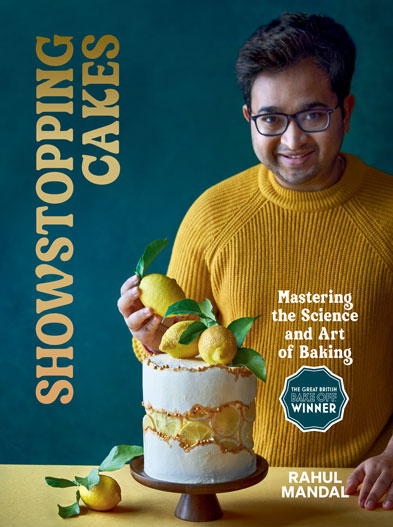
“There is lighter version of a fruit cake recipe in my book [Showstopper Cakes] – a lot of people don’t like the heavy-fruited Christmas cake.” Growing up in India, the only cake his family had was on Christmas day – but it was very different to the boozy, fruit-heavy cake eaten in the UK.
“It was more like a dense sponge cake with a handful of dried mixed fruit dispensed evenly in the crumb. I will be honest, I liked this cake a lot more than the British version.”
For Christmas presents, he says: “You can make your own marzipan and coat the cake with it, then decorate it as you like.”
2. Spiced brownie bars
The best thing to add to a brownie bar to make it Christmassy is “definitely spiced caramel”, says Mandal.
To make ginger caramel, “You basically make the caramel and add a teaspoon or one-and-a-half teaspoons of ground ginger in it. Then if you want to put a pinch of Christmas spices in it as well – that’s absolutely amazing! I think it complements the dark, rich brownie flavour quite well.”

3. Mince pies
“If you’re going to someone’s house for Christmas, instead of buying some mince pies, just make a batch of them yourself – that’s an amazing gift.
“If you want to make your own pastry, it’s a simple shortcrust pastry: three parts flour to two parts butter, and a couple of tablespoons of caster sugar. Rub it together and then put three to four tablespoons of water (depending on how much flour you’re using). Put everything in a food processor until it starts coming together as a clump. Then you chill it, take it out and roll it, and cut it into shapes and line the cupcake tin to make mince pies.
“Or you can just buy the pastry – perfectly fine! [Use] all butter shortcrust pastry and they are amazing. Same with mincemeat, you can just buy readymade mincemeat or you can make your own. Or as a kind of hybrid version, buy readymade mincemeat, but add fruits you like in it. You can maybe put some dried cranberries in, or some brandy-soaked cherries in – which are not usually in mince pies a lot of the time.”

4. Jam
“When I have time, I make jams,” says Mandal, whose book includes recipes for several, including pineapple, ginger and chilli jam.
“You can make jams and you can give them as good presents. If you’re making it home you can pretty much add no preservatives – because jam is a mix of sugar and fruit, so you know what’s in it. That’s a very, very useful [gift].”
5. Christmas tree decorations
“Edible Christmas decorations are great – like stained glass cookies, or any kind of decorated cookies – that you can just hang on your Christmas tree,” says Mandal.
When it comes to the dough, you have options. “Obviously Christmas is gingerbread, so making gingerbread cookies is a big tradition for me. But if you are in doubt you could just use a normal shortbread and instead of normal caster sugar, replace it with muscovado sugar or dark brown sugar.
“Then if you’re making it with, say, 200 grams of flour, put 10 grams of ginger in – so it’s about 1/20, and that will make it gingery enough. And you can put other spices in like a teaspoon of cinnamon, a pinch of cayenne, nutmeg and a pinch of clove will make it very, very Christmassy.
“You can make a little hole in the rolled gingerbread [with a] cookie cutter, and take a bit out of the cookie. Then put some boiled sweets in it and then bake it for seven to eight minutes. By the time the biscuits are baked, your boiled sweets will melt and create the stained glass effect,” he says.
“You don’t even need to decorate those with royal icing if you don’t want to, because they look so pretty as it is – they will be a beautiful decoration for a tree, and they taste delicious.”
Showstopping Cakes by Rahul Mandal is published by Kyle Books, priced £26. Photography by Maja Smend. Available now.

We could be heading towards a white Christmas, with everyone starting to feel the freeze.
The Met Office has issued various yellow weather warnings, as the UK recorded its coldest night of the year so far – it was minus 15.7C in Aberdeenshire last night.
Heavy snowfall on Sunday evening in some places forced airports to close their runways and left drivers struggling to get through, and the rail networks have been facing disruptions.
With all the ice, snow and chilly weather about, how can we dress warmly – while still looking great?

Get layering
“The trick to staying warm yet stylish in the winter is in the layers,” says Jo McLaren, head of e-commerce at luxury cashmere brand N.Peal (npeal.com).
“Everyone needs T-shirts, cardigans and jumpers in the winter to help build an outfit set for the cold day ahead. Whether you’re looking for function and versatility with a cardigan, or following the plain white tee trend of autumn/winter 2022, layering is the perfect way to style your favourite pieces.”

Try some knitwear
“One of the trends seen on the runways this autumn/winter was an abundance of knitwear. With rising costs of heating, designers seemed to suggest wrapping up in your favourite knitwear,” McLaren says.
“Cashmere is a timeless and stylish way to wrap up warm. To add colour or uniqueness to your outfit, try different textures and shapes, such as cable knit and Fair Isle-style jumpers.”
You could see the inclement weather as an opportunity to shake up what you wear, with McLaren adding: “I love this time of year as it allows you to really experiment with colours, layers and textures, and create outfits that are truly your own.”
Grab a statement coat
McLaren’s favourite way to dress up a winter outfit is a statement coat.
“Investing in two or three coats with different colours, textures, patterns and thickness can help you rotate the same layers, but create a different aesthetic each time,” she advises.
And there are so many ways to get creative with a coat, with Boohoo fashion expert, Claire Asher (boohoo.com), also favouring a statement coat.
“Not only will it keep you protected from the elements, but you can also create a high-end look just with a statement jacket and inexpensive basics. Consider using your outerwear to make the most of bold block colours, striking prints and fluffy faux furs, which will guarantee to amplify any minimalist outfit – while keeping you warm and cosy.”

Size up in shoes
When picking your winter boots, McLaren says: “Opt for a bigger size so you can wrap your feet up in thermal socks.”
Equally, instead of buying new, you could have a look at what you already have – and see if anything can be given a winter makeover.
“With many shoes now having more grip in the soles, it’s most likely you can repurpose your existing collection for the frosty outdoors,” McLaren recommends.

Accessorise
“Nothing can switch a plain outfit into a showstopper like accessories. Winter accessorising is the perfect time to wear chic pieces, like a cashmere scarf with matching gloves,” explains McLaren.
“Accessories are also the perfect way to add colour to those wintery monotone jumpers, whether that’s a pop of red for the festive season or your favourite geometric pattern.”
You could even stay warm with some trendy earmuffs, which Asher calls “a fun yet practical accessory for the colder seasons – a trend loved by Bella Hadid.
“Not only are fluffy earmuffs a charming retro fashion statement, but they are also the perfect cold weather accessory when it comes to keeping our ears warm. The fantastic thing about earmuffs is that you can style them with pretty much any outfit.”
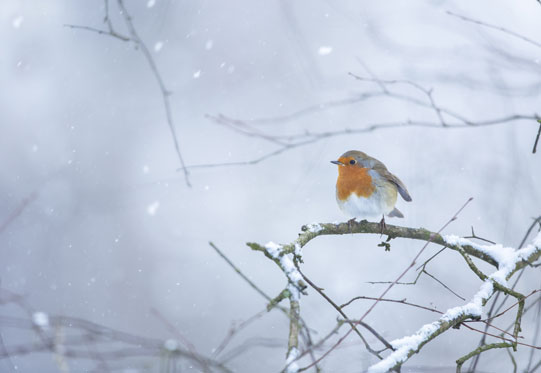
When we’re all tucking into our Christmas dinner, spare a thought for the birds.
Winter is a time when food is more scarce for our feathered friends, so serve them up Christmas leftovers to give them the extra calories to stay warm.
Helen Moffat of the RSPB (rspb.org.uk) recommends offering birds the following Christmas fare to give them a winter feast…
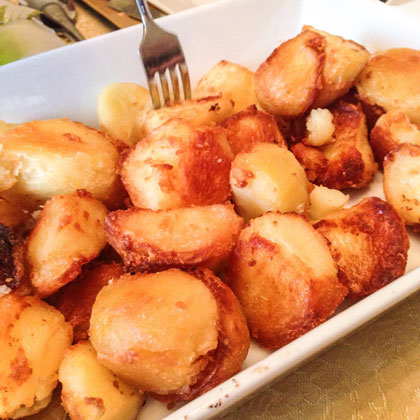
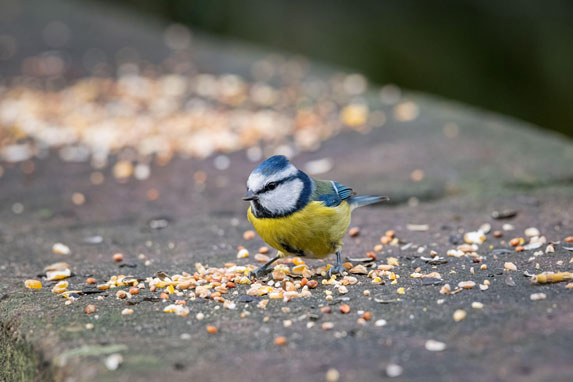
Potatoes: Roast, baked or mashed spuds will provide a festive feast for lots of garden birds.
Unsalted bacon rind: If you’re making pigs in blankets and have some rind leftover, chop it up so it’s good for birds of all sizes – but make sure it’s unsalted.
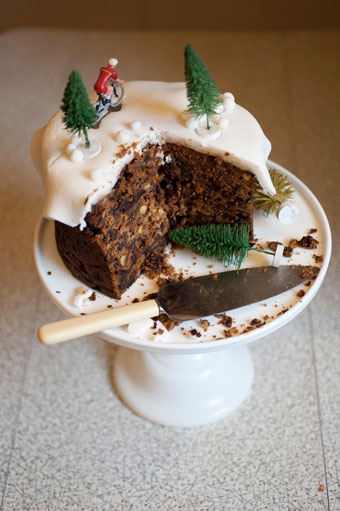
Pastry: Either uncooked or cooked, and especially if it’s been made with real fat.
Christmas cake: Birds love dried fruit such as raisins, sultanas and currants. Song thrushes, blackbirds and robins will flock to Christmas cake, but be careful if you have pets, as it can be harmful to cats and dogs.
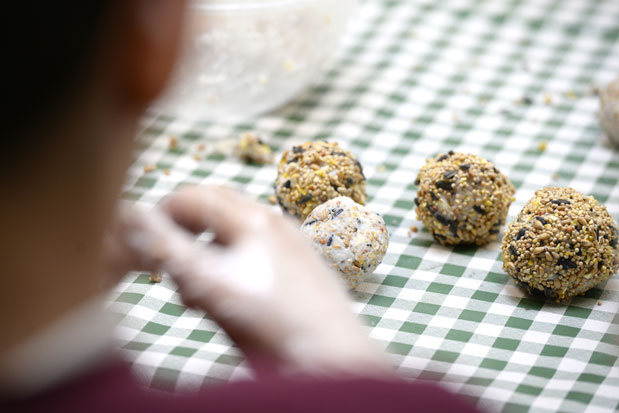
Cheese: If you have some mild cheese left over from a cheeseboard, grate it and put it out. It will be a big hit – especially with robins and dunnocks, who really appreciate the extra calories as nighttime temperatures drop.
Fruit: Any leftover or bruised apples or pears can be chopped up and put out to be enjoyed by tits and starlings, or even some of our visiting migratory birds such as redwings.
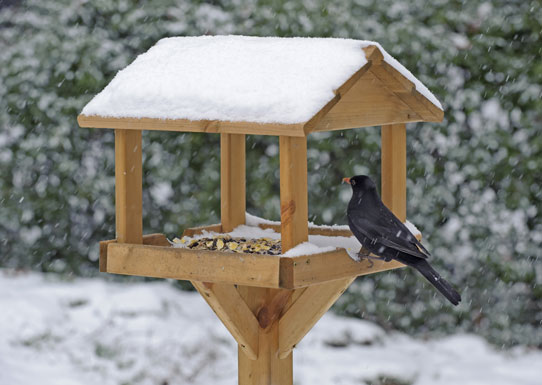
Thomas Hibbert of The Wildlife Trusts (wildlifetrusts.org) also says unsalted nuts will be a hit with the birds.
“They should be put into a metal mesh-style feeder so birds can break chunks off, rather than taking whole peanuts (though choking is more of a hazard when they’re feeding young in spring),” he advises.
“Great spotted woodpeckers, blue, great, and coal tits, and nuthatches will feed on them. Coal tits and nuthatches will hoard peanuts.”
Beware that poor quality peanuts sold for birds can contain a fungal toxin that is dangerous to birds, he adds.
Leftovers NOT to be given to birds
Anything with salt: Birds can’t metabolise salt, it’s toxic to them – so don’t put out any salty foods or food covered in gravy.
Cooking fat: People often mistakenly think all fat is good for birds, but this type definitely isn’t. Leftover fat from your roast can smear on to birds’ feathers and ruin their waterproofing and insulating qualities. Better to save it for a stock. Avoid anything cooked and covered in oil, as this can become smeared on their feathers and damage their waterproofing, the RSPB recommends.
Cooked porridge oats: Uncooked, they’re fine, but once cooked they’re glutinous and sticky and prone to gumming up beaks.
Milk: Birds can’t digest milk – it can make them seriously ill.
How to serve up
Either pop food onto bird tables directly, or places you frequently see your local birds, such as fence posts, the RSPB recommends. Avoid the ground, as it can attract rodents.
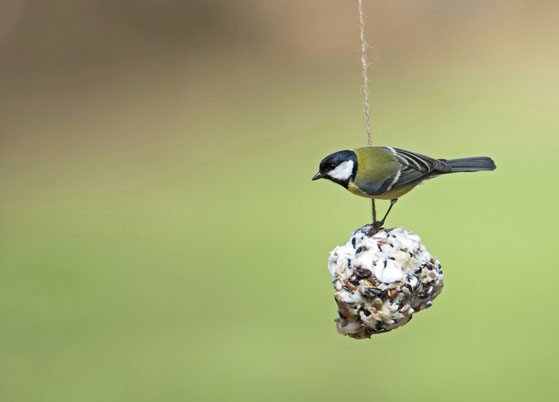
Alternatively, you could use the leftovers to make homemade fat balls. Always use pure hard fats such as suet or lard – never oil.
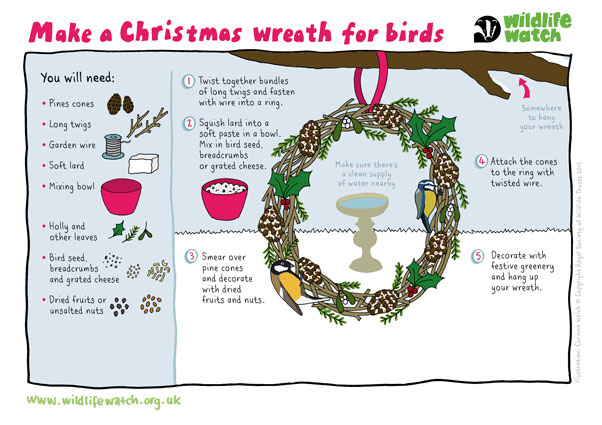
You could even make a Christmas wreath for birds, twisting bundles of long twigs together and fastening them with wire onto a ring. Squash lard into a soft paste in a bowl, mixing breadcrumbs and bird seed into it, smear it over pine cones and decorate with dried fruits and nuts, before securing to cones to the ring with twisted wire. Then decorate the ring with festive greenery and hang it up on a tree.
Wash up before and afterwards
If you are putting nuts or other leftovers in bird feeders, remember to clean them, says Hibbert.
“Dirty bird feeders spread diseases. Clean feeders outside, in a bucket of cold or warm soapy water and rinse well before hanging back up. We recommend wearing rubber gloves. Special bird feeder cleaning disinfectant is also available.”

Friday 23rd December 2022 – 9:00am to 6:00pm
Saturday 24th to Tuesday 27th December 2022 – Closed
Wednesday 28th to Friday 30th December 2022 – 10:00am to 2:00pm
Saturday 31st to Monday 2nd January 2023 – Closed
Tuesday 3rd January 2023 – Normal working hours resume
Emergency Repairs Procedure for fully managed tenants
For gas escapes – Gas Emergency Services – 0800 111 999
For electrical problems – Southern Electric – 0845 770 8090
For external water leaks – South East Water – 0800 028 3399
Please be advised that maintenance companies are charging in excess of £300.00 per hour for call-outs during this period. We suggest Gas Escapes and Serious Water Escapes would need action and then non-urgent repairs should be reported to us when we return.
Should you call an emergency contractor you may be responsible for the bill if it is deemed non emergency. Appliance break downs WILL NOT be deemed an emergency.
Should you have an emergency Oakwood Property Services can be contacted on 01276 504031 / 07730 315 515.
For total loss of power, check neighbours in case of an area outage. To minimise the risk of burst and frozen pipes it is essential that the heating is left on constant at around 12- 15 degrees. If you are away from the property, we would suggest that loft hatches are left open to allow warm air to circulate.

Architect and TV presenter George Clarke is an expert on creating stunning and sustainable homes. But there’s so much more to a dream home than it just being green and good-looking, he insists.
We should never forget the fundamentals of homes, he stresses – they need to be warm, comfortable, and safe.
Clarke, the presenter of shows including George Clarke’s Amazing Spaces and Old House New Home, says: “Obviously, it’s all about saving energy and reducing bills at the moment, and part of that is being sustainable for the planet. But there’s also something that people don’t talk about enough, and that’s being comfortable and warm and protected in your house. That feels great.”
Here are Clarke’s tips for keeping sustainably warm and safe in your home – and saving money where you can…

Insulation is key
Clarke stresses that insulation is the best thing to keep your house warm. “Make sure your loft’s really well insulated, and get rid of draughts,” he advises. “I still go into people’s houses and I cannot believe how draughty some of them are – they haven’t put draught excluders on doors or keyholes. On a windy day, the wind that comes through a keyhole is unbelievable.”
As well as getting rid of gaps around windows and doors, and insulating the loft, Clarke says wall insulation is definitely worth considering too.
He says his company installs a lot of dry lining, where internal surfaces are clad with plasterboard to provide an extra layer of insulation. “You’re literally building two or three inches of insulation on the interior of your house,” he explains. “You’ve got to be careful about how destructive it is to the house, because taking three inches off every wall makes every room feel a little bit smaller. It’s not the easiest thing to do, but my God, the difference it makes is unbelievable.”
Keen to practice what he preaches, Clarke has had his own home in London dry lined, as well as having it triple-glazed. “I’ve gone the full hog with ecological upgrades,” he says proudly.

Replace your boiler with a heat pump
Clarke has also changed his gas boiler for an air source heat pump, which he describes as “phenomenal”. But he’s making no claims they’re an affordable option – although over the long-term, the heat pumps can save a lot of money on bills, and they’re far more environmentally-friendly than standard boilers.
“One of the best things I’ve ever put in is an air source heat pump,” he declares. “So, I’ve got rid of my gas boiler – I’m not gas-dependent at all.
“These heat pumps aren’t cheap, so you can’t say they’re affordable. If you want to replace a gas boiler it’s going to cost you a couple of grand, but when you put an air source heat pump in, you’re changing a lot of the system, and the average cost is £6,000-£8,000, depending on the size of your house.”
He says homes need to be well-insulated for the heat pumps, which are powered by electricity, to work well. Clarke buys his power from a renewable energy supplier, and points out: “I know I’ve got clean, green technology providing all the heating and hot water for my house.
“My bills are definitely down, it’s amazing – they’re 30-40% less than they’d normally be. That’s a decent saving every year, but you’ve got to buy the kit. People are struggling to pay for expensive food and travel costs, so it might be a big ask.
“If you’ve had a standard gas boiler in your house for 12-15 years, it’s probably very inefficient and needs to be taken out and upgraded,” he says. “But I would suggest, if anyone can afford it, do not replace your gas boiler with another gas boiler, and if you can, put in an air source heat pump. Really take a long-term view on it.”
Make sustainable energy- and money-saving changes
“Change your lifestyle and the way you live in your house a little bit,” suggests Clarke. “Things like turning your boiler down by one or two degrees – when I was a kid, my nanna and grandad used to say, ‘Just put an extra jumper on’.”
He says boiling a kettle is one of the most energy-consuming things in the house, and advises: “If you want one cup of tea, just boil one cup of water in the kettle. But we never do that, do we? We fill it up to the top.”
He suggests trying to use less water at home, too, and points out: “Showers use a huge amount less water than baths. That’s going to make a difference.”
Camera security
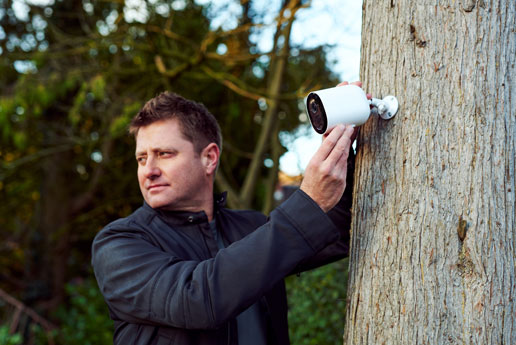
As well as keeping warm and cosy in your home, Clarke stresses how important it is to feel safe there, and he’s had security cameras installed at his house. “Back in the day, you might put up a security light that would go on if someone walked past, and you might have a home alarm. But technology has come on so much over the last 10 years, and now there’s very high resolution cameras,” he says.
“These cameras can see what people look like, as long as they haven’t hidden their face, and they activate your phone, so if you’re not at home, as soon as it detects something, it calls you. You can see the images on your screen and even talk to the burglar if you want to.
“So, you can be alerted no matter where you are that someone’s just approaching your house, never mind getting into it.
“Any steps you can take to put people off burgling your house are important. I’ve got security cameras because I don’t want anybody getting in, it’s as simple as that.”
He says standard security lights are also a good idea, and timer switches on lights. “These are good, low-cost things you can do,” he says. “And you just cannot beat really good locks. At the end of the day, if someone really wants to get in, they’ll get in. You’ve just got to make it as difficult as possible for them to do that.”
George Clarke has partnered with smart-home security brand Arlo (arlo.com/en_gb) to help homeowners keep their properties secure through DIY connected security cameras.

If you want to add sparkle to your life in the run-up to Christmas, open gardens, garden centres and historic houses are all holding events to get you in a festive mood.
The RHS gardens in Yorkshire, Greater Manchester, Essex, Surrey and Devon are already a beacon of light with their fantastic Glow festivals (rhs.org.uk), which run untill December 30, where visitors can follow twinkling trails, illuminated sculptural trails and see winter blooms in a new light as dusk falls.
Garden centres are pulling out all the stops with Santa’s grotto experiences, while gardens up and down the country will be hosting winter trails, wreath-making workshops and container demonstrations in the run-up to the big day.
Booking is essential for most of the events. Here are just a few of the garden-themed festive happenings to inspire and delight:

Christmas at Kew (christmasatkew.seetickets.com)
This much-loved highlight of London’s festive calendar returns for its 10th sparkling year, featuring a host of seasonal favourites alongside pioneering new light installations, illuminating Kew Gardens’ UNESCO World Heritage landscape with vibrant bursts of colour and more than a million twinkling lights.
Its sister site at Wakehurst, a wild, botanic garden in the heart of Sussex, will be exploring a new route on its enchanting winter lantern trail, while Glow Wild (kew.org/wakehurst) celebrates the spectrum of colours in nature.

Christmas wreath-making workshops
If you fancy having a go at making your own Christmas wreath with natural materials, there are plenty of these events happening at open gardens and garden centres, but for some special magic visit Barnsdale Gardens (barnsdalegardens.co.uk) in Rutland, former Gardeners’ World gardens created by TV presenter Geoff Hamilton.
At its Christmas Wreath Making Workshop (Dec 6), visitors will use freshly gathered foliage, seed heads and other floral treasures from the gardens at Barnsdale to embellish their wreath.
Meanwhile, in Scotland, Gordon Castle (gordoncastle.co.uk) is holding a wreath-making workshop at the walled garden on Dec 10 and 11.
Winter lights
The gardens of the majestic Anglesey Abbey, Cambridge (nationaltrust.org.uk) create a perfect stage for its ‘Nature by Night, Nature by Light’ celebration of the natural world (from Dec 9-21). This sensory after-dark journey brings the gardens of Anglesey Abbey to life in all their wonder.
Poems and music and illustrations will thread throughout the experience, while visitors will see projections of nature illustrations along the route.

Sculpture exhibition
More than 120 captivating sculptures by 32 artists are on display at RHS Garden Rosemoor in Devon (rhs.org.uk) in its largest ever winter sculpture exhibition, featuring the work of sculptors from across the UK.
Each piece complements the sculptural and textural delights of the garden in winter, bringing structural elements to the fore under the soft rays of the low winter sun, with misty and frosty mornings adding an ethereal air.
Most pieces are for sale, with prices starting from £20, and many of the sculptors will also take commissions.
Highlights include works by internationally renowned sculptor Anne Curry, whose large stone pieces are inspired by the natural forms of seeds and bulbs.
With a wide variety of materials, techniques and inspirations, the trail features everything from fluid and hypnotic installations to thought-provoking, large-scale pieces that invite the viewer to consider their connection to nature.
Other festive events at Rosemoor include a Magic of Christmas Craft and Food Fair (Dec 1-3), Ultimate Bublé at Christmas (Dec 10) when tribute act Mark Daniels will perform Michael Bublé’s festive hits; and a panto of Dick Whittington (Dec 17).

Santa’s grotto for families and pets
For families looking to celebrate Christmas with their dogs, Santa Paws is back at 50 Dobbies garden centres (dobbies.com) across the country from Nov 24. Dog lovers are invited to bring their pup along to see Santa, get a special doggie gift and get that all important photo opportunity.
This year, kids are invited along to enjoy an immersive visit to the grotto where elves take visitors through a magical woodland, spotting reindeer, rabbits and forest creatures along the way. Children will become Santa’s little helpers, participating in various activities revealed during their visit. After lending a helping hand, children will then get to meet Santa himself and receive a special gift.
Dobbies’ Quiet Grotto experience returns this year on Dec 9 to support children with special needs. Sound and visual elements are adapted to reduce anxiety and ensure every child has an opportunity to meet Santa and his elves.
Christmas artisan markets and crafts
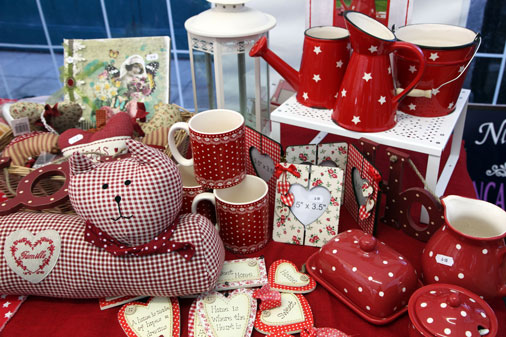
There are plenty of opportunities to buy gifts, cards and crafts at markets up and down the country, including many in National Trust properties, including Castle Ward, County Down (nationaltrust.org) on December 2-4.
There, visitors in the theatre space and stable yard will find a handpicked selection of local designer/makers and food vendors showcasing their work and local products. The stable yard will be dressed in Georgian style with Christmas lights, accompanied by living history actors telling you the stories of those who called Castle Ward home during the 18th century. During the late-night opening enjoy a night-time experience of Castle Ward lit up by the twinkling lights.
Stock up on seasonal treats for family and friends at the Bath House Gallery in RHS Garden Harlow Carr in Yorkshire (rhs.org.uk), choosing from a selection of works by local artists, crafters and designers who will be showcasing their Christmas designs.
For further inspiration it’s worth visiting the garden’s flora and thread exhibition, a plant-themed display featuring artwork on loan from the Captain Cook Memorial Museum in Whitby and created by the Whitby Stitchers.

Glasshouse Christmas display
For some festive inspiration, check out the enchanted forest scene in the Glasshouse at the RHS flagship garden at Wisley (rhs.org.uk). This imaginative white Christmas-themed display includes Christmas trees made from white poinsettias and a twinkling stream that flows from the waterfall.

If you’re feeling the squeeze with the cost of living crisis, raising a glass this Christmas with a delicious home-made cocktail offers a taste of the high life – and feel good drinking ritual with the look of luxe.
As Alessandro Palazzi, head bartender at Dukes Bar, London, puts it: “During lockdown, so many people were making their own cocktails at home – and the beauty of it was people really came to appreciate classic cocktails, which has continued.”
He says the result is people are really proud to show their friends and family cocktails they can make at home. “And to share the moment with them, which is what the holiday season is perfect for,” says Palazzi.
Here, he shares some dos and don’ts…
“The most important ones for making cocktails at home are to always make sure the ingredients and glassware are cold – the colder the cocktail, the better.”
Put the alcohol in the freezer or fridge, says Palazzi. Always chill the glass – either by putting it in the fridge or filling it with ice and leaving it for 10 minutes. “My top tip would be to put a little splash of water in the glass before the ice. Stir and discard the water before pouring in the cocktail.
“Water is one of the biggest enemy of cocktails!” he notes. “Remember, most ice in supermarkets doesn’t last as long as it would in bars.”
When making the cocktail, either in a shaker or glass, he says to put the ice in first – and leave it so you can see it’s cold from the outside. “Then get rid of the water before you put the liquid in the shaker.”
Palazzi says to always start with the less expensive ingredients, “In case you make a mistake, then work up to the most expensive.
“Don’t use waxed lemons,” he adds, as you can’t extract the oil. “The best type is an organic unwaxed lemon – and use high quality ingredients.”
Ready to get the party started? These festive serves have Christmas written all over them…

1. Winter Applause
A festive favourite with its winter spice aromas and notes of wood smoke, this crafty take on a mint julep has been winterised to highlight the whisky’s fruity finish.
Ingredients: 45ml Johnnie Walker Black Label Scotch Whisky (£19.99, 70cl, Amazon), 30ml pomegranate juice, 15/20ml honey syrup (dependent on sweetness of pom juice), 2 dashes orange bitters, 10ml lemon juice. Fresh mint and pomegranate seeds to garnish.
Method: Half fill a cocktail shaker with ice, add ingredients and shake vigorously. Pour into a julep or highball glass filled with crushed ice and 4 to 5 mint leaves. Garnish with fresh mint and pomegranate seeds.

2. Mermaid Gin Gingerbread Martini
With a dash of festive syrup – such as Monin gingerbread with warming spicy notes – and zesty peppery notes of this Isle of Wight gin, it’s a seaside rollercoaster of flavour.
Ingredients: 50ml Mermaid Gin (£39.90, 70cl, Isle of Wight Distillery), 25ml red vermouth, 10ml amaretto, 10ml festive syrup, crushed gingerbread to rim glass.
Method: Half fill a cocktail shaker with ice. Add ingredients, shake vigorously, strain into a chilled martini glass and garnish with gingerbread rim.
To garnish: Crush gingerbread finely, dip martini rim in festive syrup and dip in crushed gingerbread.

3. Cotswolds Christmas Gin and Tonic
Beautifully blending nine cheery botanicals (there’s sweet zesty clementine and cardamom in the mix) the secret to this bright, juniper-led gin are the welcome notes of fresh clementine, warm spice and signature cloudy glow when the gin collides with ice or tonic in the glass.
Ingredients: 50ml Cotswolds Cloudy Christmas Gin (£34.95, 70cl, Cotswolds Distillery), Indian tonic water. Slice of orange and star anise.
Method: Fill a large Copa glass with ice, pour over Cotswolds Christmas Gin and top with tonic water – watch the cloud appear. Garnish with a slice of orange and star anise.

4. Mijenta Tequila Reposado Pink Polka Dots
A jewel from Jalisco, Mijenta Reposado is aged in a combination of American oak, French oak and French acacia casks for up to six months – the result is an exquisite slow sipping tequila with layers of honeyed vanilla, vegetal agave, and nutty wood.
Ingredients: 45ml Mijenta Tequila Reposado (£63.95, 70cl, Master of Malt), 25ml cranberry syrup, 25ml lemon juice, 25ml maraschino liqueur.
Method: Half fill a cocktail shaker with ice. Add ingredients, shake vigorously and strain into a Nick and Nora glass. Garnish with pink peppercorns.

5. The Dukes Martini
After a deliciously decadent drink to impress your loved ones? It has to be the classic Dukes Martini, says Palazzi. “A drink to truly sip and enjoy over the holidays.” Especially with this resplendent Crown Jewel serve using the sister gin to Beefeater – with marked depth at 50% strength and addition of grapefruit among the botanicals.
Ingredients: 100ml Beefeater Crown Jewel London Dry Gin (£55.95, 70cl, The Whisky Exchange), 2. 5ml dry vermouth, organic Amalfi lemon to garnish.
Method: Chill your martini glass and discard any water. Pour vermouth into the chilled glass, stirring the liquid in. Palazzi says if you like a dry martini: “Discard the vermouth – it will have stuck to the sides of the chilled glass.” If you like a wet martini, leave it in the glass.
Top up with frozen gin. Peel an unwaxed organic lemon, squeeze the peel over the glass to extract the oil and place the peel in the glass.
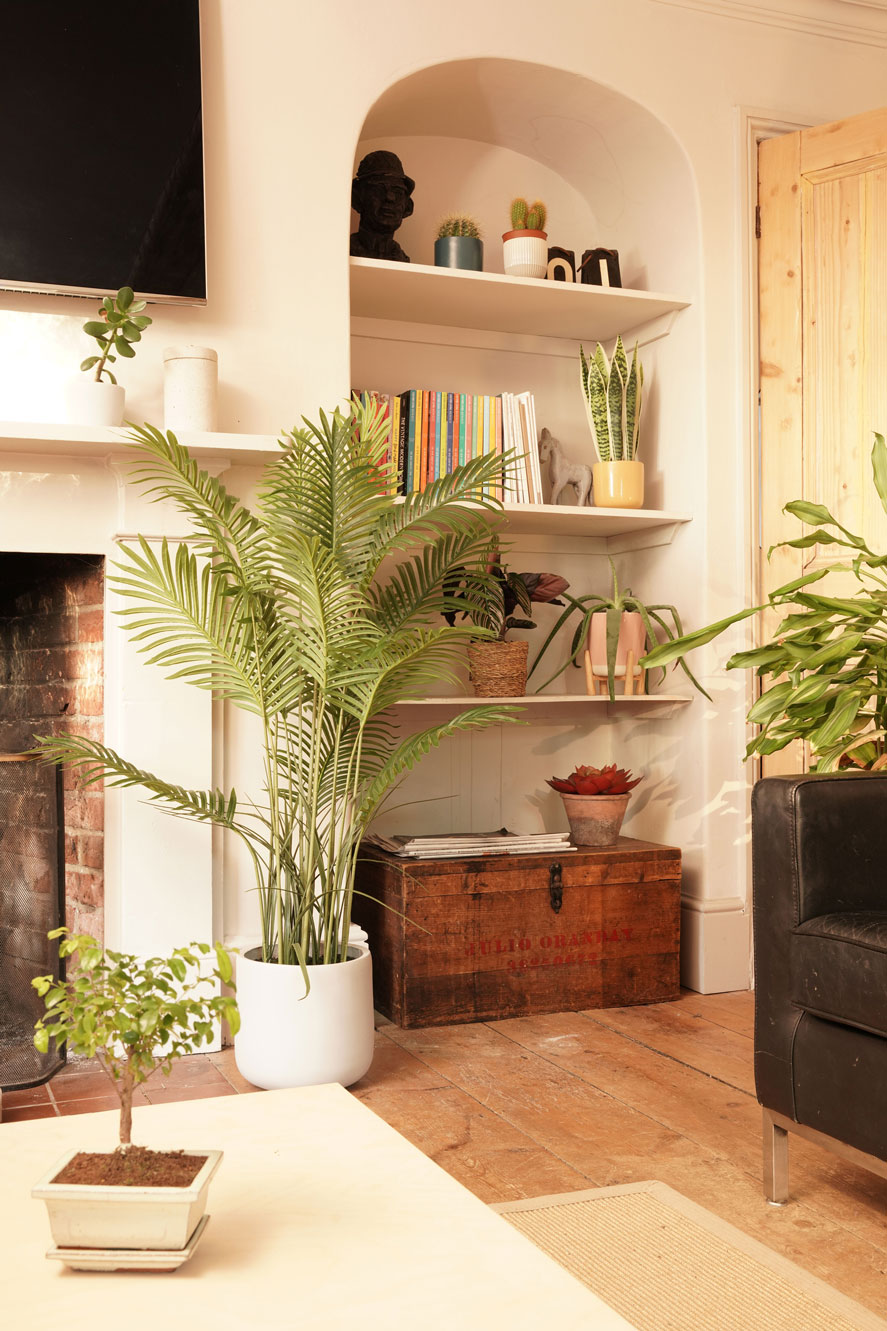
As the cooler months beckon, it’s time for houseplants to take centre stage, but if you’re not sure how you should be treating them, they may not last long.
It’s true, some are more difficult than others. If you’re prone to neglect, then you won’t have to think so much about watering plants like colourful Christmas cacti and even orchids, which only need watering once a week.
But if you are trying to look after more difficult types, such as the maidenhair fern, which can’t tolerate dry air, fiddle-leaf fig or zebra plant, you will need to give them much more TLC.
So, what should we NOT be doing?
Kate Lindley, product manager at Baby Bio (solabiol.com), offers this advice…
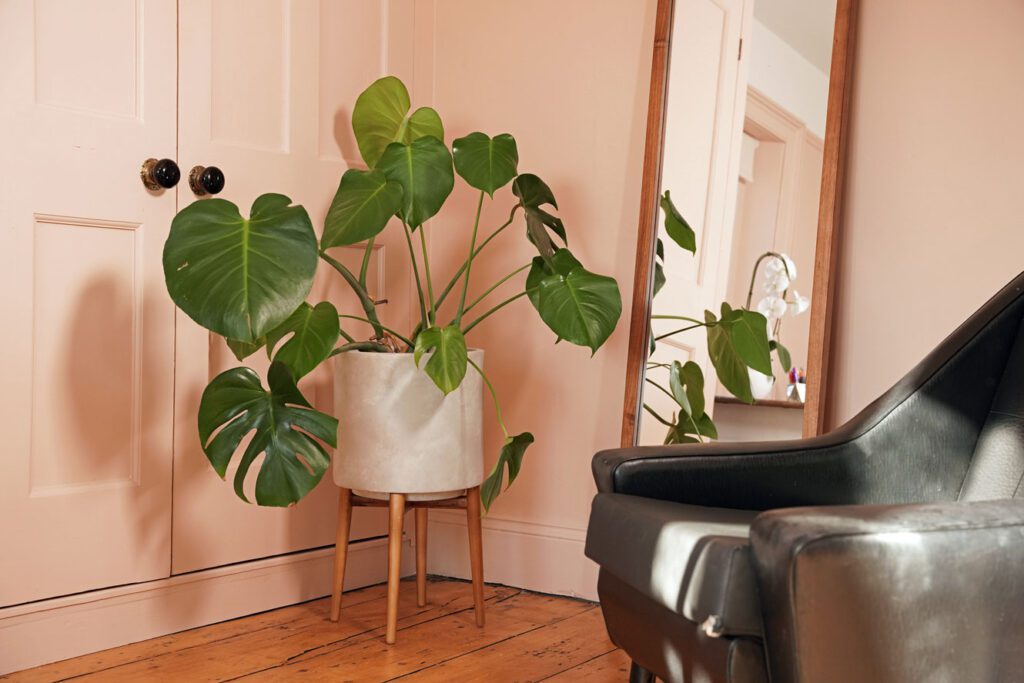
Don’t leave them outside for too long after summer
If you moved your houseplants outside over summer, make sure you don’t leave them out as the months get cooler. As soon as the temperatures drop slightly overnight, bring them in, or the chill could cause damage.

Don’t leave them near radiators or in draughts
When you bring them inside, don’t place them near draughty windows or in rooms which become particularly chilly, such as conservatories or porches.
Most common houseplants are native to warm, tropical environments, and are extremely sensitive to the cold. Bonsai trees, for example, can quickly die if they are left in a draughty spot.
Likewise, don’t place them near radiators, as intense heat from central heating can cause leaves to turn brown and crispy and cause plants to become stressed.
Instead, move them to a more central position in the room or elevate them away from the heat source. You can also add a humidifier or place your plants next to a tray of pebbles in a shallow layer of water to increase humidity. Remember to mist regularly, too.

Don’t repot in winter
Ideally, the best time to repot houseplants is during spring and summer, when they are actively growing. It is possible to repot houseplants in autumn, just as long as it’s not too late into the season. Most houseplants become dormant throughout winter, so their rate of growth is much slower and roots may not take to the new soil as well.
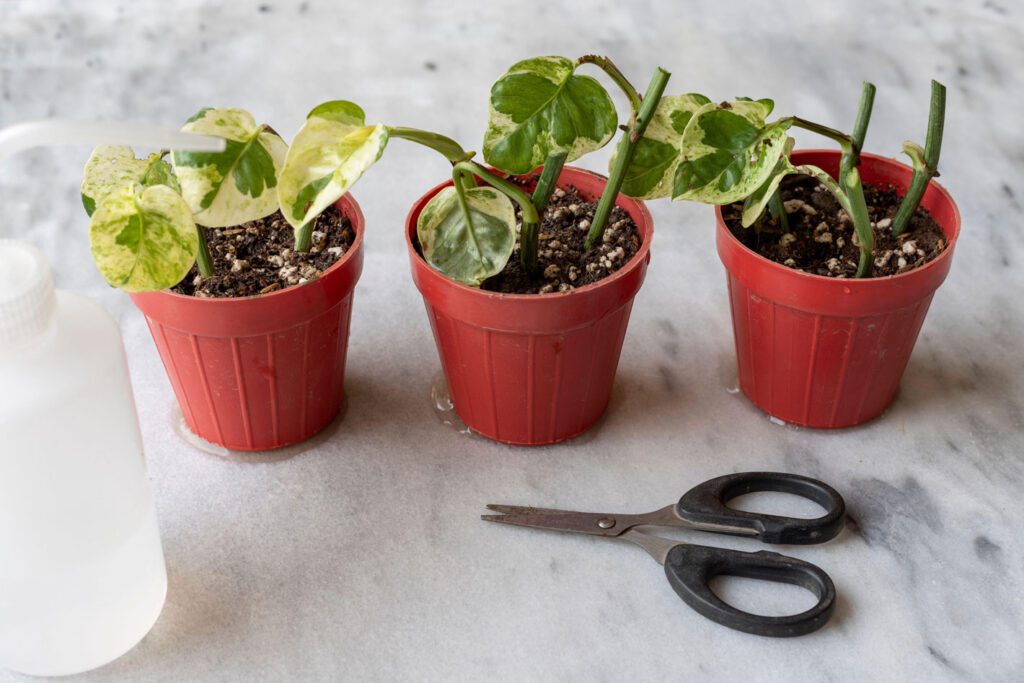
Don’t propagate after autumn
Early autumn is usually your last chance to take cuttings from your plant babies, as root growth will slow down from November until next season.
There are several different ways to propagate, from water propagation to leaf cuttings and dividing – the most appropriate method depends on the type of plant you want to make multiply. Pothos, Monstera deliciosa, ZZ plants (Zamioculcas zamiifolia) and inch plants (Tradescantia zebrina) tend to prefer water propagation, whereas succulents are easy to propagate from leaf cuttings, and any plant which produces ‘pups’, like a Chinese money plant, can be divided.
During the dormant season, though, taking more hardwood cuttings (in other words, the whole stem) will provide best results, as there is more energy to help fuel the production of new roots.

Don’t overwater
One of the biggest killers of houseplants all year round is accidental overwatering, but they are particularly susceptible in autumn and winter, as plants are not actively growing, and therefore require much less water. Too much water can lead to root rot, gnat problems and a lack of oxygen reaching the roots.
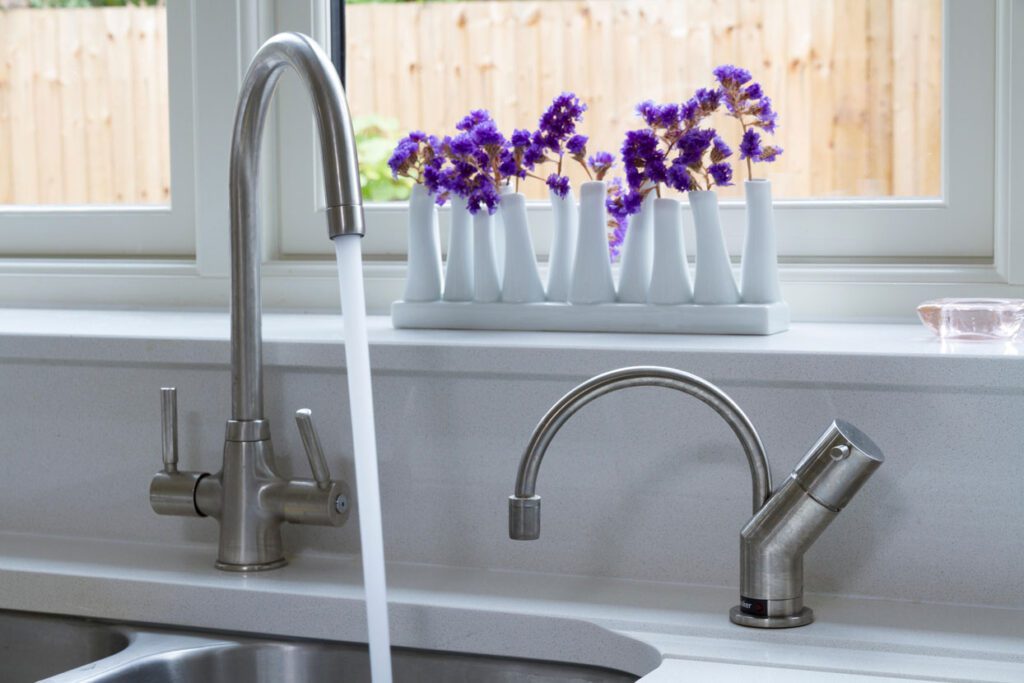
Don’t water your plants straight from the cold tap
Tap water can become too cold during winter months, and shock the root system. Instead, use tepid water by allowing it to reach room temperature before watering your plants. Using up old glasses of tap water lying around the house is a great way of saving on water consumption.
Don’t leave them in dark rooms
Plants require sunlight to photosynthesise, but it is often in short supply during autumn and winter. Make sure you open your curtains and consider moving houseplants to a sunnier spot, such as a south-facing window (but out of direct sunlight), as long as it is not too close to a radiator or draughty window.