Imelda May: I saw impact of second homes in Cornwall filming Fisherman’s Friends

Imelda May post McCarthy Holden estate agents

Imelda May has said filming the Fisherman’s Friends sequel was an “eye-opener” regarding the impact of second homes in Cornwall, adding: “It needs to be addressed.”

The Irish singer-songwriter, 48, marks her acting debut playing Aubrey Flynn in the film alongside returning stars James Purefoy and Maggie Steed.

She told the PA news agency that Fisherman’s Friends: One And All was shot during lockdown, forcing the cast to film many of the scenes outside.

“It actually became a love story to Cornwall,” she said.

“Where we probably would have done a lot of the scenes inside, we had to do them standing on the edge of the cliff, looking out to sea.

“When you watch it, the cinematography and the landscapes are breathtakingly beautiful, and I think that added all the more to it.

“It’s just stunning when you see it, it’s such a glorious place, but it really shows it off to its heights.”

May said people needed to add to the “community spirit” in Cornwall rather than “taking away from it” in reference to the abundance of second homes.

She said: “I did notice when we started filming because of the lockdown, I could see how much of the village was in darkness. There was nobody, I could see that.

“As lockdown started to lift a little you could see all the lights come on, and I could see that people were just coming to the second home.

“So that was an eye-opener for me that I could see a difference when it was just locals.

“It needs to be addressed. People need to be able to live in their own communities and not be pushed out because somebody wants a second or third home.”

Imelda May post McCarthy Holden estate agents

She added that people “don’t need a home to enjoy an area”.

May said: “I go on tour to a lot of places and I love to find local villages and local people, but the only way to do that is to support the locals.

“You can go and rent one off somebody who already lives there or I love going back to old-fashioned bed and breakfasts where you actually get to meet people and you get the best tips.

“It’s community spirit and if you do that you’re adding to the community and you’re adding to the area rather than taking away from it.”

Fisherman’s Friends was inspired by a Cornish sea shanty singing group who performed in their home town of Port Isaac in 1995, before going on to secure a record deal with Universal Music’s Island Records in 2010.

The sequel Fisherman’s Friends: One And All comes out on August 19

Article By Ellie Iorizzo and Rachael Davis, PA

UK Drive: Porsche 718 Cayman GT4 RS

Porche post from McCarthy Holden estate agents

By Jack Evans, PA Motoring Reporter.
Only Porsche’s most focused, performance-oriented models get the RS treatment. There’s been longstanding thought that the Cayman has been kept at such a level so as not to interfere with its 911 big-brother – but with the new 718 Cayman GT4 RS, the gloves are off.

This is a Cayman dialled right the way up. Acting as a flagship for the range, it gets the same engine as the larger 911 GT3 but in a more compact, lightweight body. And of course, as with any RS model, it’s got a host of aerodynamic touches that not only keep it as sticky in the bends as possible, but ensure nobody misses it. We’ve been behind the wheel…

Porche post from McCarthy Holden estate agents

WHAT’S NEW?

Every part of the regular Cayman GT4 has been tweaked, sharpened and – in most places – made lighter in its evolution to RS specification. It weighs in at 1,415kg with fuel, some 35kg less than the regular GT4. This has been achieved through the widespread use of carbon fibre reinforced plastic (CFRP) in areas such as the bonnet and wings, while even the carpets have been made thinner and lighter.

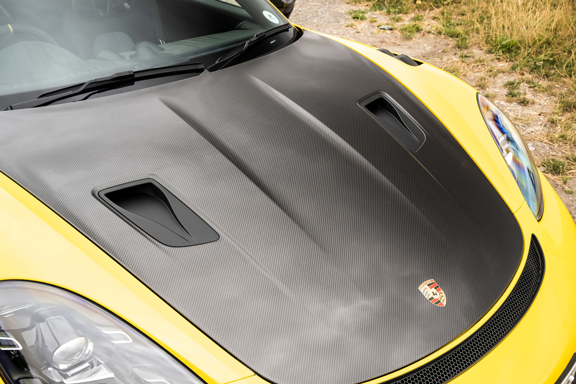
A new Weissach package – fitted to our test car – takes these measures even further and adds a titanium roll cage, titanium exhaust pipes and a number of panels that are given a carbon-weave finish for an even sportier look.
WHAT’S UNDER THE BONNET?

The GT4 RS makes use of the same 4.0-litre naturally aspirated flat-six engine that you’ll find in the larger 911 GT3. That means an extra 79bhp over the standard GT4, with total power coming in at 493bhp. Torque has been lifted too, rising from 430Nm to 450Nm. All cars get Porsche’s seven-speed dual-clutch PDK automatic gearbox – there’s no manual option here, unlike the GT4.

What that equates to in terms of performance is a 0-60mph time of 3.2 seconds while flat-out it’ll manage 195mph, edging the standard GT4’s top speed of 187mph. Though fuel economy isn’t, of course, the real goal for a car like this Porsche claims that the RS will still return up to 22.8mpg, though these figures have come through the older NEDC testing cycle.

Porche post from McCarthy Holden estate agents

WHAT’S IT LIKE TO DRIVE?

There’s no need to dance around it – the Cayman 718 GT4 RS drives like few other cars available today. This is a car that takes the performance and brawniness of the larger GT3 and throws it into an even sharper and more compact package. The steering is spot-on, while the gear shifts from the PDK gearbox fire into place with scarcely believable crispness.

Then there’s the noise of the thing. The GT4 RS features air intakes behind the driver and passenger windows, so when you’re accelerating hard you get this glorious blend of intake noise and outright savagery from the engine. The engine, since we’re here, feels even more capable within the Cayman package, while the ride – though firm – is remarkably pliant. We even spent one or two hours on the motorway and the Cayman managed it without a quibble.

HOW DOES IT LOOK?

Porsche’s RS models aren’t known for their shy and retiring looks, and the GT4 RS is no different. Our car’s Weissach package included a carbon-fibre weave bonnet and a huge rear wing, meaning everywhere it went, it attracted a crowd. But these types of cars aren’t designed to fly under the radar, so we can’t fault it for a bit of flamboyance.

The whole car is designed to go fast, after all, which is why it incorporates all manner of aerodynamic touches. The underneath of the car has been optimised to lower drag and it ties in with the rear diffuser, too. As a result of these changes – and others – the RS generates 25% more downforce than the regular GT4, in fact.

Porche post from McCarthy Holden estate agents

WHAT’S IT LIKE INSIDE?

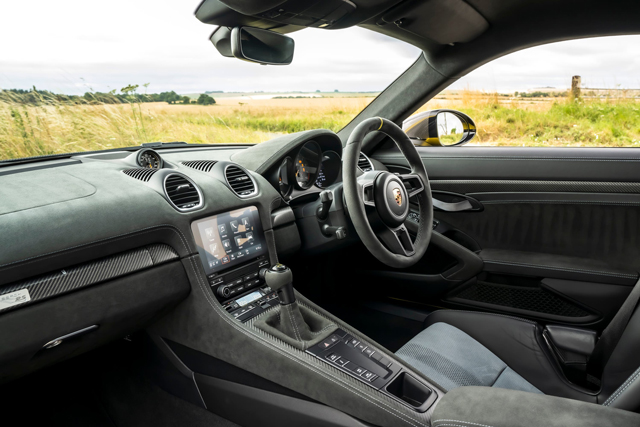
The cabin is definitely stripped back, but it hasn’t been left devoid of creature comforts either. Our car came with air conditioning (something that is usually taken away from lightweight models), and this does help to make the RS more agreeable as an everyday road car. The bucket seats – which can be adjusted for height – are hugely supportive, while the general driving position is absolutely spot-on.

Plus, because it’s still a Cayman, the GT4 RS has a usable front boot section in the nose which has 125 litres, while a rear storage area adds an extra 136 litres, so there’s more than enough space for a few bags.

Porche post from McCarthy Holden estate agents

WHAT’S THE SPEC LIKE?

Prices for the Cayman GT4 RS start from £108,370 and though that represents a huge premium over the regular Cayman’s £47,700 starting price, it feels worth every single penny. Of course, the majority of that cost is going into mechanical upgrades, with all of Porsche’s motorsport learnings poured into this pint-sized performance car.

Features such as an adjustable chassis for race track use and ball-jointed suspension mountings – which help to give more direct handling – show that the upgrades to this car are all about making it go as quickly and drive as sharply as possible. You can – as with any Porsche – bump the price up considerably by going near to the options list, with our test car coming in at just over £133,000 after all of its extras had been applied.

VERDICT

The Porsche 718 Cayman GT4 RS is undeniably one of motoring’s all-time greats. This is a car to remind you just why driving is so special and, through its almost nerve-like link between driver and machine, ensures that each drive is just as memorable as the last.

Though it might be angled towards track use this is still a hugely competent road car and one that should be celebrated wholeheartedly. Its combination of pace and outright agility is nothing short of spectacular. It’s a sports car for the ages.

FACTS AT A GLANCE

Model: Porsche 718 Cayman GT4 RS

Price: £108,370

Model as tested: Cayman GT4 RS

Price as tested: £133,549

Engine: 4.0-litre naturally-aspirated flat-six

Power: 493bhp

Torque: 450Nm

0-60mph: 3.2 seconds

Top speed: 195mph

Economy: 22.8mpg

Emissions: 299g/km CO2

Footnote – If you are looking for the perfect property to go with this car, why not consider this fine home

7 of the best cars for camping trips

Looking for a camping adventure this year? These are the best cars for the job, says Ted Welford.

Camping has really grown in popularity in recent years, as many appreciate just how fantastic it is to spend time in the great outdoors.

But whether you’re looking for a nearby staycation or feeling more adventurous, you’ll want to have the right car for the job, with space for all that kit.

We’ve rounded up some of the best cars for camping right now…

1. Skoda Octavia Estate

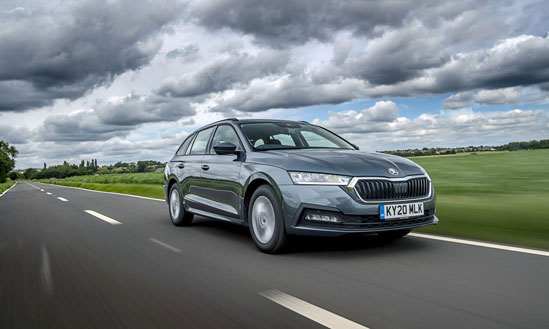
Skoda’s range is well-suited to families and those that enjoy outdoor pursuits, and one of its best cars in this respect is the Octavia Estate. Though it’s not actually the firm’s largest car (that title goes to the Superb), this Skoda’s mix of space, value and comfort is unmatched in this class.

Offering a huge 640-litre boot with the rear seats upright, or 1,700 litres once folded, there is acres of space for tents and all the camping gear to go with it. Combined with a comfortable ride, classy design and generous equipment levels, there’s much to like about the Octavia.

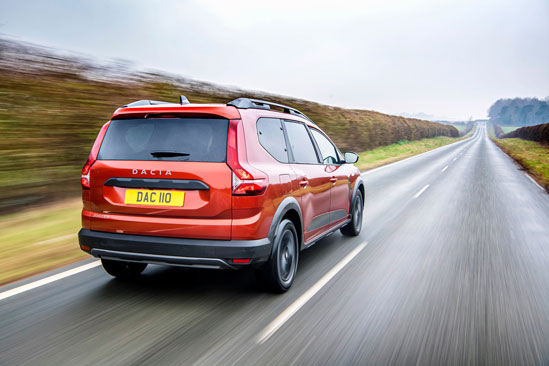
2. Dacia Jogger

If you like camping because of the relative affordability it offers, there’s a good chance you’ll like Dacia’s cars for the same reason. This Renault-owned brand prides itself on value for money, and this has been shown no better than with the new Dacia Jogger.

It’s the first time a seven-seater has been sold by the firm in the UK, and it brings vast amounts of interior space combined with a starting price of just £13,995 – that’s a few thousand pounds less than an entry-level Ford Fiesta or Vauxhall Corsa.

3. Hyundai Ioniq 5

Camping can often be seen as an eco-friendly holiday choice, and if you like this environmental aspect, it’s well worth considering an EV. One of the best choices is the Hyundai Ioniq 5 – a bold, futuristic-looking hatchback that impresses with its supreme technology and vast interior space, which is ideal for camping.

It’s also available with a pretty nifty feature for camping known as Vehicle-to-Load (V2L), which lets you use the Ioniq’s battery to charge other electrical equipment, which could be ideal if you’re camping off the beaten track.

4. Land Rover Defender

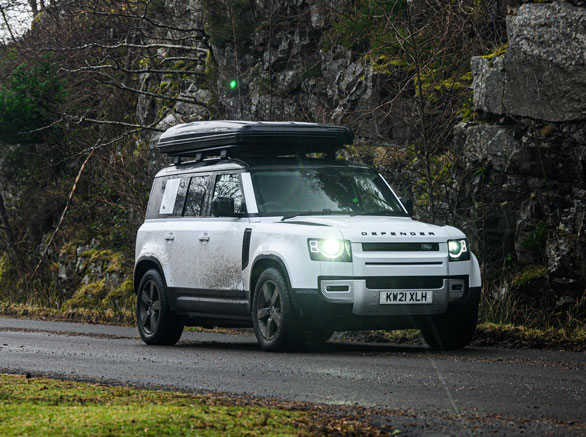
If you like wild camping, or pitching up somewhere a bit more remote, you’ll likely get on well with Land Rover’s new Defender. Designed and built to tackle particularly adventurous terrain, it offers broad appeal to adventure lovers.

At the same time, the Defender’s high-quality yet easy-to-clean interior is ideal for camping, while its on-road manners are particularly impressive. Combined with vast levels of space (especially for the longer 110 model), it could be a camper’s dream car, though it does come at a price.

5. Suzuki Ignis

Just because you’re going camping, it doesn’t necessarily mean you need loads of space – especially if there are only two of you. In which case, something smaller might do the job, including Suzuki’s Ignis. This funky-looking hatchback measures just 3.7 metres yet is very well packaged, meaning there’s more room inside than you might expect.

Standard equipment levels are generous, while its mild-hybrid engines are remarkably efficient, managing more than 60mpg. Despite its small size, you can even choose it with all-wheel-drive for extra capability.

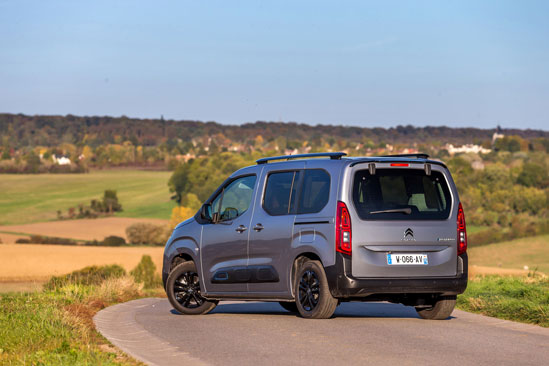
6. Citroen e-Berlingo

When it comes to practicality, it’s pretty hard to beat a van-based MPV, and for years Citroen has been showing how it’s done with its Berlingo. Available in two sizes – Medium or XL – the latter is available with seven seats, or a huge boot with the rearmost set of seats folded. With vast amounts of storage space, it makes for a terrific camping car.

Though it always used to be popular with diesel engines, Citroen has recently discontinued other versions of the Berlingo, leaving only an electric version to choose from now. Offering a range of around 170 miles, it can be rapidly charged to 80 per cent capacity in just 30 minutes.

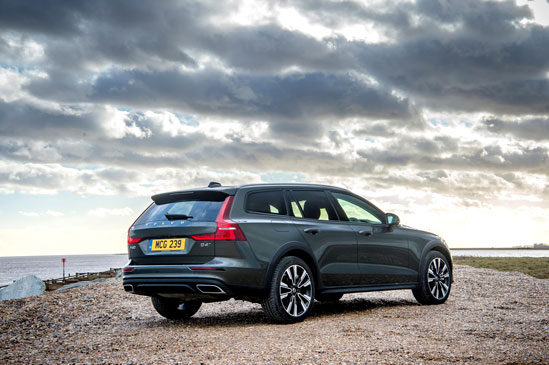
7. Volvo V60 Cross Country

Volvo’s estate cars are legendary for their practicality, and even though this premium firm might emphasise its SUVs these days, models like the V60 – which rivals the likes of the BMW 3 Series Touring – are still superb options.

Bringing impressive levels of comfort, cool styling and a well-built interior, the V60 also offers a big boot for all your camping here. It’s particularly appealing in rugged Cross Country form, where it gets raised suspension, all-wheel-drive and enhanced off-road capability.

10 snowdrop gardens to brighten up your winter walks

As snowdrop’s emerge from their winter dormancy, Hannah Stephenson looks at the best places to see swathes of them.

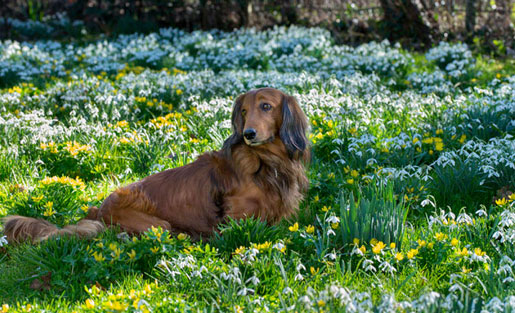
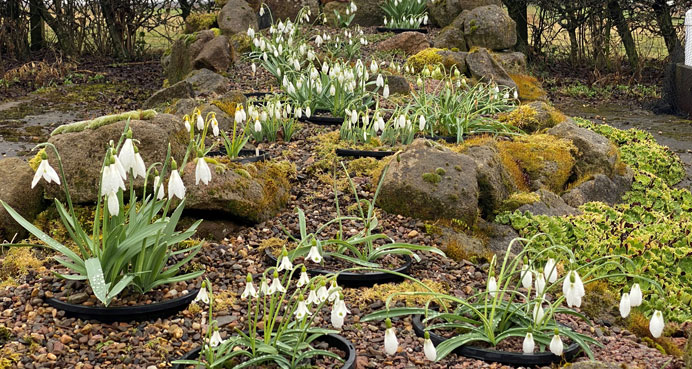
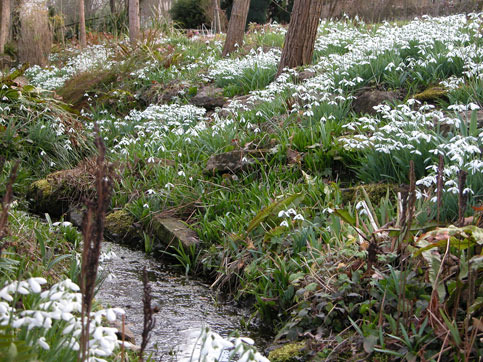
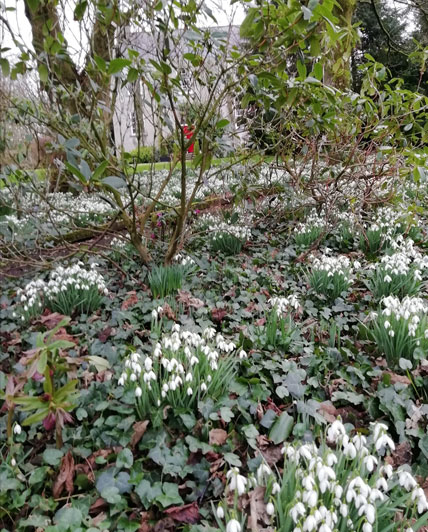
It’s always a sign of optimism when we see the first snowdrops appear, their dainty blooms emerging from the cold ground, creating white carpets which illuminate gardens.

Some of the best displays can be seen in the many gardens taking part in the National Garden Scheme’s 2022 Snowdrop Festival during January, February and March.

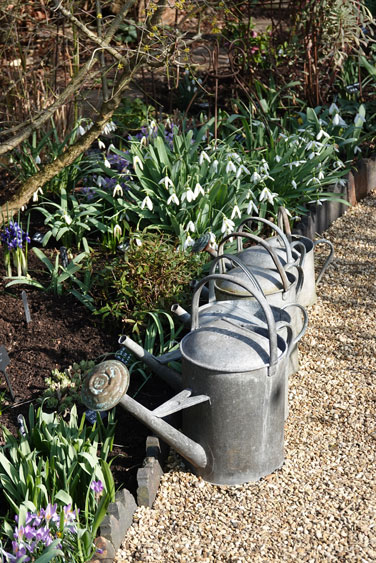
If you visit at least one garden awash with these pint-sized white gems, you should find innovative ways to display your own snowdrops, and may even discover some unusual species you’d like to plant.

1. Bruckhills Croft, Aberdeenshire (open by arrangement Jan 25-Mar 11 for snowdrops and winter walks. Details at scotlandsgardens.org)

If you struggle to grow snowdrops, you’ll find a planting idea or a cultivar in this three-quarter-acre country cottage garden, set in the heart of rural Aberdeenshire, which became home to a Plant Heritage National Collection of Galanthus (snowdrops) in 2021.

It houses nearly 500 varieties of snowdrop arranged in small groups among the herbaceous borders, shrubs, raised beds and an alpine greenhouse, with complementary plantings of scented witch hazels, winter jasmine and colourful dogwoods, plus thousands of common snowdrops in the wildflower meadow.

2. Brodsworth Hall and Gardens, South Yorkshire (check opening times at english-heritage.org.uk)

The site’s half a million snowdrops and 200,000 aconites cast a haze of white and yellow across the lawns and throughout the woodland floors, while winter is also the ideal time to take a stroll around the formal garden, with its sharp lines and sweeping curves.

3. East Lambrook Manor Gardens, Somerset (open from Feb I for the Festival of Snowdrops (eastlambrook.com)

Celebrated plantswoman and gardening writer Margery Fish turned a derelict farmyard and orchards into this quintessential English cottage garden between 1938 and her death in 1969. With noted collections of snowdrops and hellebores, it’s an ideal spot to gain inspiration from contemporary and old-fashioned plants, grown in a relaxed manner to create this beautiful outdoor space.

The garden, which is renowned worldwide as the premier example of the English cottage garden style, celebrates its festival of snowdrops in February, featuring around 140 species and named cultivars.

4. Welford Park, Newbury, Berkshire (Snowdrops at Welford Park, open Feb 2-Mar 6 (welfordpark.co.uk)

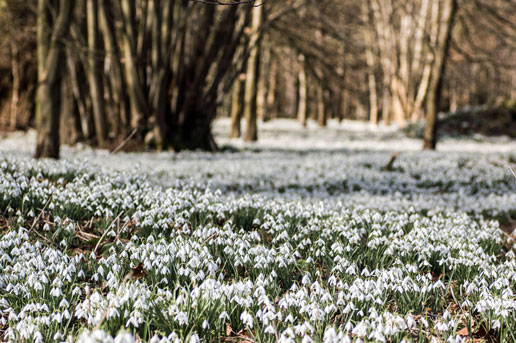
Famed for being the gorgeous setting for the Great British Bake Off from 2014-19, there’s always great anticipation around the first snowdrop blooms, which create a spectacular, delicately-perfumed carpet in the beech wood at Welford Park each year.

One of the finest natural snowdrop woodlands in the country, this well-established garden houses four acres of snowdrops, which light up the landscape in February, as part of the celebrated snowdrop festival.

5. Belsay Hall, Castle and Gardens, Northumberland (for opening times, visit english-heritage.org.uk)

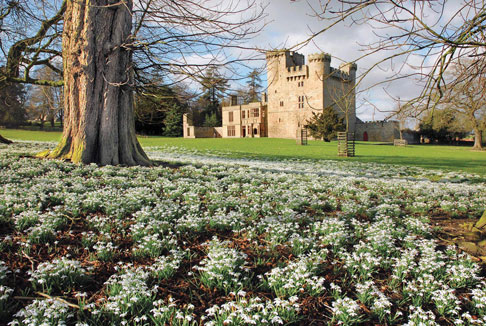
Wrap up warm and enjoy the delights of Belsay Hall and its garden highlights, which at this time of year, include snowdrops. In the early 18th century, Lady Anne Middleton began the tradition of the women of the house planting snowdrops in the grounds together. Now, each February, vast white carpets of the plants can be admired in the garden, fields and woodland surrounding the hall.

6. The Old Rectory, Fawkham, Longfield, Kent (visits by arrangement in Feb, ngs.org.uk)

A sea of naturalised snowdrops and aconites is among the winter highlights of this one-and-a-half-acre garden, which has been developed around the snowdrops by the current owners for more than 35 years. It’s also home to 100 named snowdrops that have been added more recently. Other highlights include pulmonarias, hellebores and other early bulbs and flowers, foliage perennials, shrubs and trees, and a natural woodland.

Wherever you wander, you will see them – naturalised in the grass, throughout borders, the mixtures of single and double-flowered types creating a white tapestry throughout the garden.

7. Timber Hill, Chobham, Surrey (open selected days through Jan, Feb and Mar; ngs.org.uk)

Visitors to this 16 acre garden – bookable through the National Garden Scheme – will find swathes of snowdrops, crocuses and aconites, as well as witch hazel, camellias a little later, and a woodland area which offers fabulous views of the North Downs.

8. Westview, Great Glen, Leicestershire (open Feb 19 and 20, pre-booking available, ngs.org.uk)

If you’re interested in rare and unusual plants, this small walled cottage garden is one to put on your list, particularly the garden’s collection of snowdrops, which make a terrific February display.

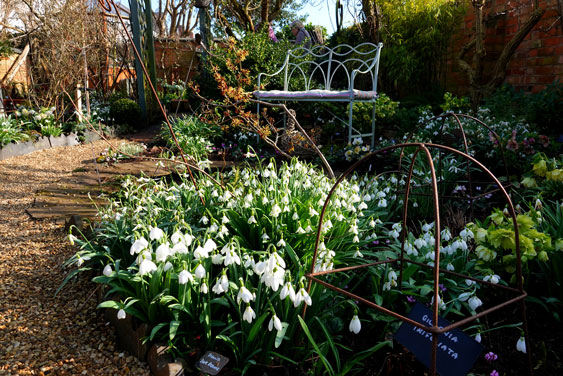
Along with a formal box parterre herb garden, courtyard garden, herbaceous borders, woodland garden, small wildlife pond, greenhouse, vegetable and fruit garden, the garden’s collection of galanthus make a beautiful display in February. Recycled materials are used to create quirky garden ornaments that inspire many visitors.

9. Gelli Uchaf, Llandeilo, Carmarthenshire (for arrangements for groups, visit ngs.org.uk)

Hundreds of thousands of snowdrops, including more than 200 cultivars and a unique Welsh Snowdrop Collection, daffodils, cyclamen and crocus are planted in this stunning 1.5-acre garden, set in an 11-acre smallholding 800ft above sea level, as well as copious woodland shrubs, roses, clematis and hydrangeas.

The garden has been created to complement the restored Welsh longhouse and the setting, and features much native planting.

10. Billy Old Rectory, Bushmills, County Antrim (open Feb 12 and 13, pre-booking available through ngs.org.uk)

This spot is perfect for a winter walk, to admire the swathes of snowdrops situated within the three-acre garden around a Georgian rectory. To the front is a large lawn, mature trees and a peaceful woodland. To the back, there’s another lawn – where in the summer you’ll find a riot of colour with borders of scented roses and shrubs, a pond area and a fruitful kitchen garden.

Pints and pillows: Perfect pub stays around the UK

Support our hospitality industry by booking a weekend break at a local inn, says Sarah Marshall.

As we edge closer to a relaxation of restrictions, the demand for UK staycations has skyrocketed, with many people opting to holiday locally this summer.

Self-catering stays are rapidly filling up, but there’s still room at some of the finest inns dotted around the country; serving good brews and comforting grub, many pubs also have accommodation for weekend stays.

Forming the backbone of British communities, welcoming ‘locals’ offer an opportunity to get an insider take on both secret spots and well known locations. So, whether you’re looking for a dog-friendly getaway in the country, or a laidback escape closer to town, these are some of the top taverns for a short break.

1. The Bell in Ticehurst, East Sussex

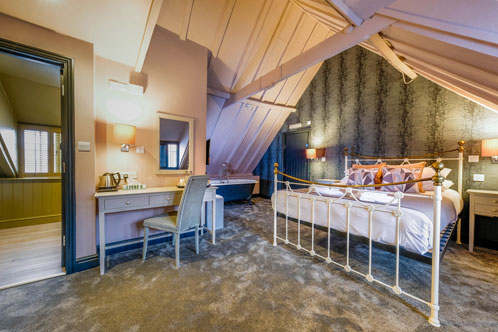
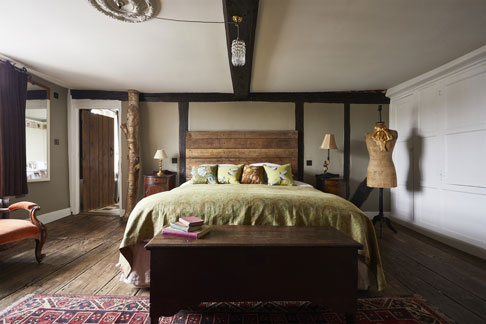
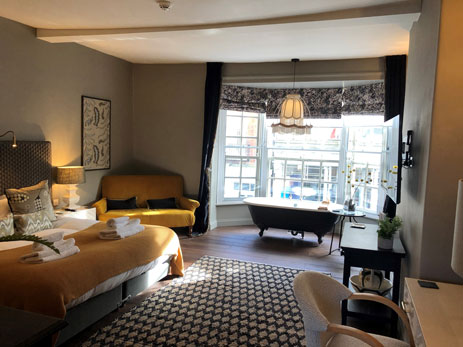
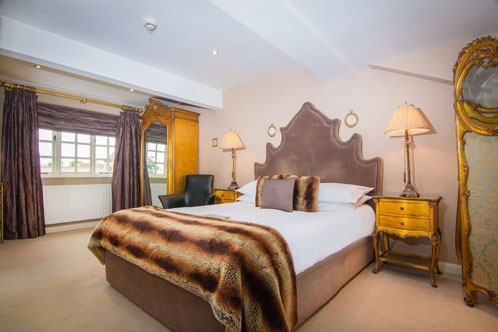
Dating back to the 16th century, this multi award-winning inn is a home-from-home with a dash of quirky design. A silver birch tree runs through each of the seven bedrooms, while four garden lodges huddle around a firepit. Design themes range from country pile to work of whimsy, with one room featuring a ceiling of roses. Use it as a base to explore Hastings, Tunbridge Wells and Rye, or stay inside and make use of the handmade Somnus mattresses and supply of delicious cookies. Rooms from £110 including breakfast.

2. The Westleton Crown, Suffolk

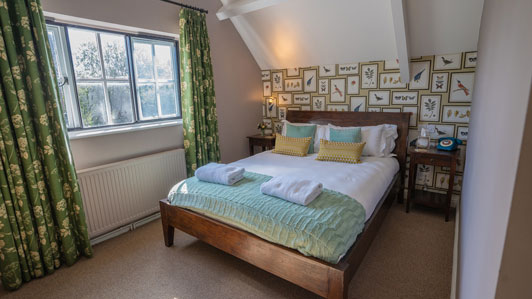
Featuring all the genuine charm of a traditional coaching inn, but with a modern contemporary spin, The Crown is located on the edge of a quintessential Suffolk village green. The 34 en-suite bedrooms and public areas feature designs inspired by the local wildlife and landscape, encouraging visitors to get outside and enjoy the great outdoors. Close to both Southwold and Aldeburgh, the dog-friendly property is ideal for ramblers, who can relax with a selection of real ales, or sip wine on a pretty terraced garden. Rooms from £150 with breakfast.

3. The Peat Spade Inn, Hampshire

Situated in the scenic village of Longstock at the heart of Hampshire’s Test Valley, The Peat Spade Inn is a charming country pub with guest rooms set in an historic peat house. Activities in the surrounding area include fishing for brown trout or salmon, which can be taken back to the pub’s kitchen where chefs will cook up a feast. Nearby Stockbridge is one of the top fly-fishing sites in the world and the award-winning Museum of Army Flying is only a 10-minute drive away. Rooms from £99 with breakfast.

4. The King’s Arms, Dorset

A gourmet stay in the heart of historic Christchurch, this charismatic and cosy 20-room Georgian boutique hotel has hosted monarchs and musicians during its 300-year history. Famous for its literary links to Thomas Hardy, it’s been described as a jewel on the Dorset coastline. Fully restored, the property overlooks the Stour River and Norman-era ruins, and is a short walk to Christchurch Quay. Serving meals made with locally-sourced ingredients, the Jetty restaurant attracts foodies from afar. Rooms from £105 with breakfast.

5. Black Horse Inn, North Yorkshire

With roots extending to the time of William the Conqueror, this rustic inn is filled with wooden beams and natural stone floors. Careful renovations have given the property an elegant overhaul, with 14 en-suite bedrooms decorated with luxurious fittings and mod-cons. Dining is top class in the AA rosette restaurant, but there’s also a traditional English pub atmosphere at a bar stocked with a good selection of real ales. The Yorkshire Dales National Park is a 40-minute drive away. Rooms from £139 with breakfast.

6. The White Horse, Chichester, West Sussex

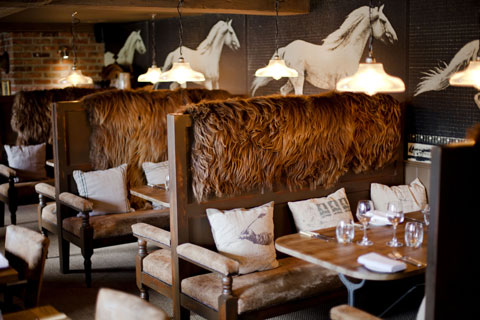
A contemporary take on an old-fashioned inn, this fabulous property is upbeat and fun. The 15 bedrooms are filled with steamer trunks and mid-century furnishings draped with sheepskin rugs and woollen throws, making the place feel like a 21st century rural retreat. Famed for their food, the kitchen sources game and fish from local suppliers, offering a true taste of the South Downs. Combine countryside with coast by taking a trip to nearby Chichester Harbour, or go horse riding along several trails. Rooms from £119 with breakfast; up to two dogs are welcome for an additional £15 per night.

All properties can be booked through Stay In A Pub (stayinapub.co.uk).

Are these the Quirkiest Hotels in the UK and Ireland?

The latest edition of the Good Hotel Guide reveals the weirdest and wackiest places to rest your head. Sarah Marshall reports.

If 2020 has been the year of discovering great hotels on our doorstep, then 2021 will no doubt provide an opportunity to delve even deeper into the welcoming world of domestic hospitality.

Every year, The Good Hotel Guide cherry picks the best properties on offer in England, Ireland, Scotland and Wales, and never before has its expert recommendations been in more demand.

We asked the editors to select their top quirky overnight stays – from lighthouses and windmills to former railway carriages, because right now, we could all do with a bit of escapism. Here’s a selection of the most imaginative sleeps beyond your wildest dreams.

The Old Railway Station

Where: Petworth, Sussex

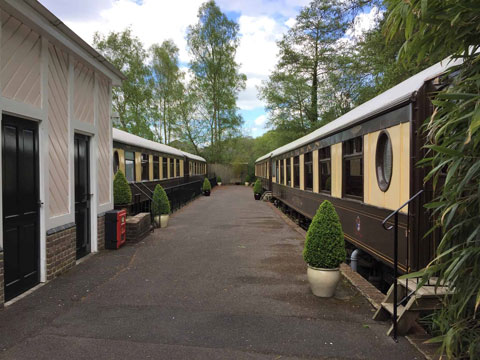
A first-class stay at this converted station is just the ticket, especially if you book one of the rooms in the four romantic Pullman carriages, with their colonial-style furniture, mahogany fittings and plantation shutters. Breakfast, drinks and afternoon tea can be delivered to your carriage door. Two more rooms can be found in the original Station House, of which the largest, with an impressive vaulted ceiling, is up a spiral stairway. Doubles from £150, B&B (old-station.co.uk).

Talland Bay Hotel

Where: Porthallow, Cornwall

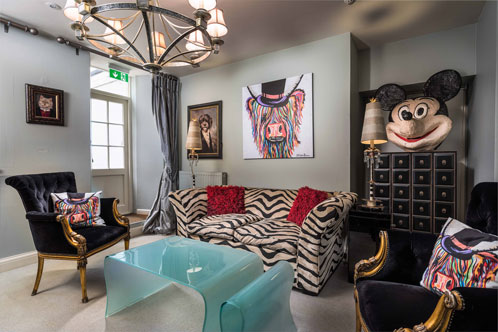
Whether you’re sitting on a zebra-print sofa looking at the 3D Mickey Mouse on the wall, or are perched on a wooden bench with giant budgies in the garden, you’ll find this hotel with a spectacular setting by the coastal path ‘curiouser and curiouser’. It is a fun place, although owners Teresa and Kevin O’Sullivan are very serious about hospitality. The service is slick, there is locally-sourced food in the restaurant, and some of the light, airy rooms have sea views. You can take your four-legged friends, too. Doubles from £160, B&B (tallandbayhotel.co.uk).

Twr Y Felin Hotel

Where: St Davids, Pembrokeshire, Wales

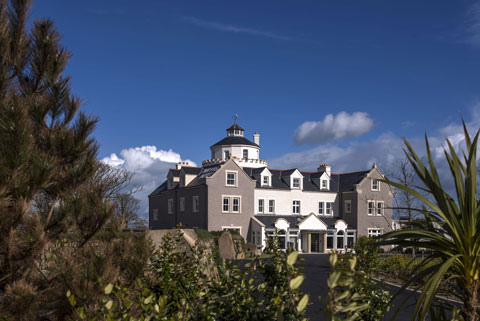
It’s not every day you find a contemporary art museum in a Georgian windmill. On the edge of the UK’s smallest city, Twr Y Felin houses more than 150 original works, some of which you will find adorning the walls of the contemporary restaurant and vaulted lounge. A dozen artists were specifically commissioned to create works inspired by the surrounding area. They include Marcus Oleniuk, who photographed St Davids peninsula; and there are magnificent views of the real thing from the observatory that’s part of the Tower Suite. Doubles from £220, B&B (twryfelinhotel.com).

St Cuthbert’s House

Where: Seahouses, Northumberland

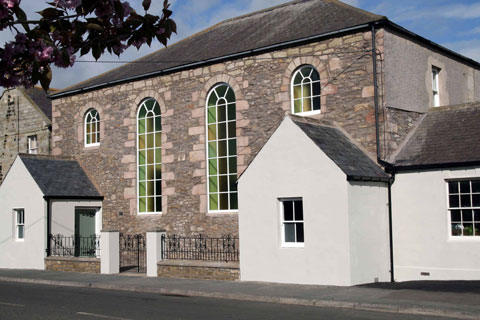
You can seek sanctuary in Jeff and Jill Sutheran’s imaginatively converted 19th-century chapel, with its arched windows, wood flooring and double-height living room, complete with cast iron pillars. Even the original carved pulpit and the harmonium are still present. Some of the six country-style bedrooms are quite snug, but they do come with bathrobes, coffee machines and digital radios. Breakfasts are taken seriously here, with home-made kipper paté, kedgeree made with oak-smoked haddock from the Seahouses smokehouse and a full Northumbrian on the menu. It’s just a short stroll to Bamburgh Castle. Doubles from £130, B&B (stcuthbertshouse.com).

No.15 Great Pulteney

Where: Bath, Somerset

The Georgian facade of this Grade I listed building may be traditional, but there’s a world of eccentricity within: the spa is in a former coal cellar, room keys are kept in a doll’s house, and The Dispensary restaurant holds the contents of an antique chemist’s shop. There is artwork everywhere you look. The elegant rooms range from cosy doubles with murals on the wall to junior suites in the neo-Gothic coach house, with large pieces of statement art, coffered ceilings and fireplaces. Doubles from £184, B&B (no15greatpulteney.co.uk).

The Dial House

Where: Reepham, Norfolk

Most rooms are geographically themed at this Georgian house on the market square. You can pick from Africa, with vaulted beams, bright patterns and a free-standing bath, Parisian Garret with its antiques, or China, a celebration of Willow Pattern. A revolving bookcase reveals a secret dining room, where the menu features local produce cooked over sustainably-sourced charcoal. There’s even a retail wing, Vegas Vintage, which sells everything from antiques to aged biker jackets and Eighties puff ballgowns. Doubles from £125, B&B (thedialhouse.org.uk).

Belle Tout Lighthouse

Where: Eastbourne, Sussex

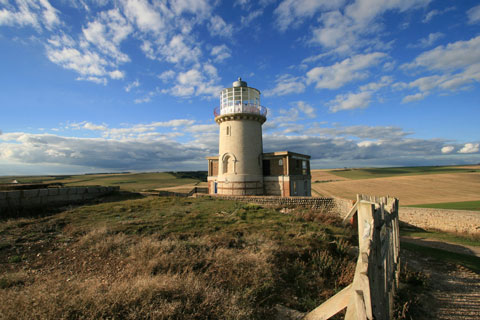
You won’t know which way to look from the lantern room of this unique B&B on the South Coast: there are superb sea views in one direction and all the beauty of the South Downs in the other. It’s the perfect place from which to watch sunrises over Beachy Head Lighthouse or sunsets over Birling Gap and the Seven Sisters. If it’s mild, there’s a walkway outside the lantern room, or the lounge below is home to a crackling fire. Only one of the six rooms is in the tower, with the bed reached by a ladder. Doubles from £160, B&B (belletout.co.uk).

Tuddenham Mill

Where: Tuddenham, Suffolk

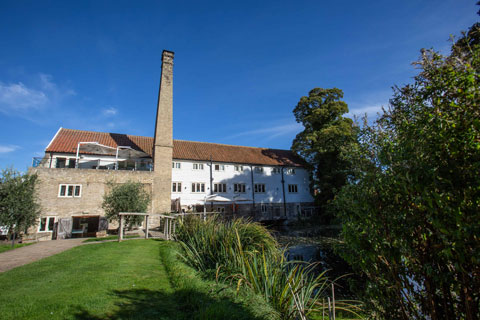
The waterwheel is in the bar and the gearing apparatus of this 18th-century mill is on show in the beamed dining room, where creative field-to-fork meals are served. In among the history, the mill’s bedrooms are stylish and contemporary. Hobbit-style huts in the meadow have hot tubs on the terrace, and enormous rooms in the beamed eaves come with a double-end stone bath in sight of the enormous bed. Other rooms have access to the millstream, where swans glide beside the enormous chimney. Doubles from £150, B&B (tuddenhammill.co.uk).

The Ceilidh Place

Where: Ullapool, Scotland

The Urquhart family’s hotel has only 13 rooms in a series of cottages, but it is also home to a bookshop, coffee shop and events space. There’s a more traditional bar, and a restaurant which serves creative bistro-style food fished or farmed locally, including venison burgers and langoustines. Bedrooms are full of character, with a Roberts radio and books instead of a television. There’s even a bunkhouse across the car park for those travelling on a budget. Doubles from £300 for two nights, with dinner and breakfast (theceilidhplace.com).

The Quay House

Where: Clifden, County Galway, Ireland

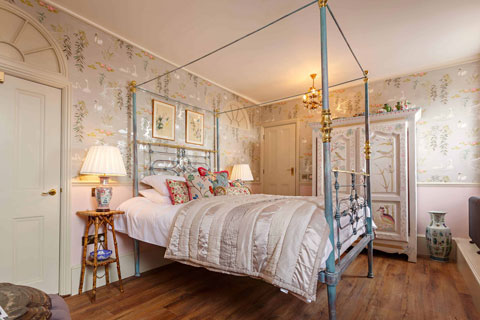
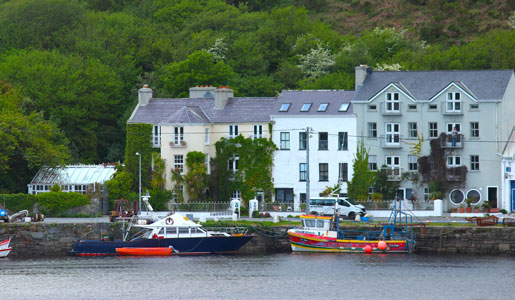
Don’t be surprised to find a Buddha statue rubbing shoulders with a Cupid in the Foyles’ B&B, packed with curios. There are clocks – broken and working – a collection of bovine horns and family photos a-plenty in the former Georgian harbourmaster’s house and three of its neighbours, overlooking Owenglin estuary. Most of the elegant bedrooms boast harbour views, as well as antiques, original artwork, and perhaps a four-poster or half-tester bed. Doubles from €175/£161, B&B in October; the B&B closes for the season in November (thequayhouse.com).

The Good Hotel Guide 2021: Great Britain and Ireland, is priced £16, goodhotelguide.com.

How to Avoid a Staycation Scam

Nearly a third of us are planning a UK-based staycation before the end of the year – but watch out for bogus breaks, writes Vicky Shaw.

With many people’s 2020 holiday plans in disarray due to the pandemic, a significant number of us are planning to take a break much closer to home, instead of jetting overseas this year.

Nearly a third (32%) are planning a UK-based staycation this year, according to Nationwide Building Society, as travelling abroad to our usual holiday hotspots has become so much trickier.

But while this should help give some local economies a much-needed boost, those planning to sample what the UK holiday scene has to offer should beware of ‘staycation scammers’.

So what do you need to know about staycation scams? Here are some important points to keep in mind…

What staycation scams should you watch out for?

Among the many coronavirus-related frauds which have emerged, Action Fraud has been urging consumers to be on the lookout for fake caravan and motorhome listings.

These may be advertised on auction websites and the prices are often low to attracted people in. Criminals will come up with excuses for why the vehicles cannot be viewed in person. The goods don’t exist, or will never arrive.

And if you’re looking for a holiday cottage or apartment, beware of bogus websites offering places for rent, often at discounted prices. These websites may appear professional and convincing, using images of properties that are not really available. Scammers may require a deposit, which is never returned.

Even if you think you are on a trusted website, check the URL for subtle changes, which can indicate it is imitating a genuine firm.

How to avoid staycation scams

Action Fraud says people should always follow the advice of the ‘Take Five to Stop Fraud’ campaign, and take a moment to stop and think before parting with their money or personal information, in case what appears to be a bargain getaway turns out to be a scam. If something is advertised at a rock bottom price, ask yourself is it really a bargain, or could it be a scam?

If you’re considering buying a motorhome or caravan, do some research, and if you’re dealing with someone online, ask if they can send you a video of the vehicle.

Don’t let online sellers persuade you to pay by bank transfer, as you may never see your cash again. Also, read online reviews to see what other people say about sellers.

How you pay could also give you added protections

You could consider using payment methods such as PayPal, which has added buyer protections, or pay by credit card.

Under Section 75 of the Consumer Credit Act, credit card purchases of goods costing between £100 and £30,000 have added protections if something goes wrong and items or services purchased never materialise.

Under Section 75, the credit card company is held jointly liable with the trader or retailer, so you can put in a claim to them.

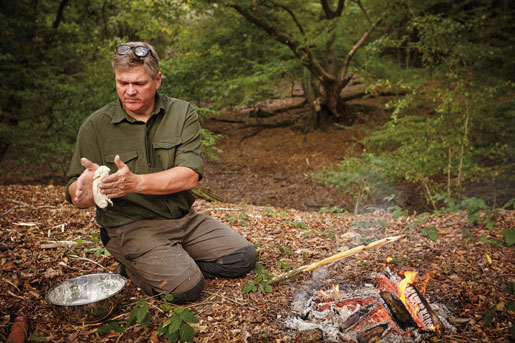
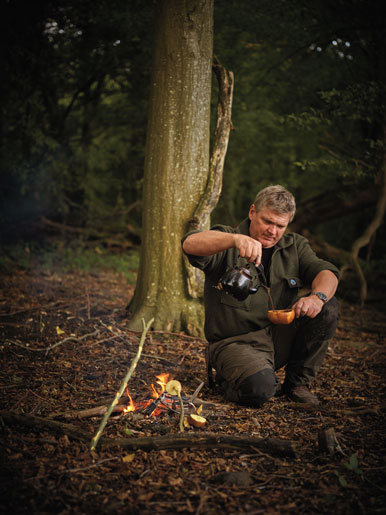
Ray Mears Top Tips for Cooking Outdoors

The bushcraft expert shares his know-how for whipping up a more than decent campfire dinner.

If your outdoor cooking repertoire is limited to smores and sausages on sticks, it might be time to branch out a little.

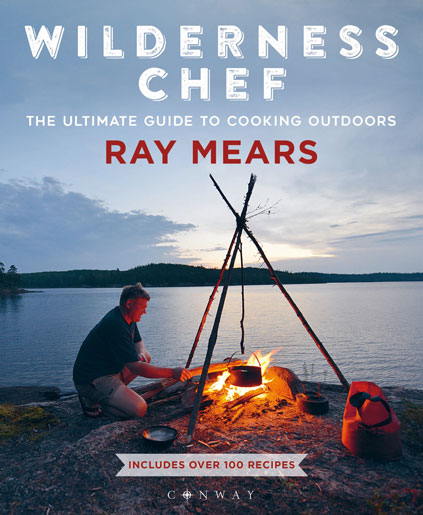
“Food is important outdoors, and it doesn’t have to be just spaghetti bolognese out of a packet,” says survivalist expert Ray Mears, who has now written his first cookbook, Wilderness Chef: The Ultimate Guide To Cooking Outdoors.

Whether you’re going on a hike or trek, or just camping at the end of the garden, “you just need a handful of recipes and tricks that you can remember and carry with you”, he says.

“That can transform your experience of travelling, and it’s also bringing variety to the outdoor diet,” Mears adds.

Here are a few more bites of outdoors culinary wisdom from the bushcraft pro…

Don’t fret about burning things – just get stuck in

“If it goes wrong, it goes wrong, so what? You learn. I can imagine an artist or writer being afraid of a blank piece of paper, but until you actually push some words around on the page, you don’t get anywhere. It’s really important to just launch in and have a go. Even if things don’t turn out quite as you anticipated, they usually still taste good.”

Keep your fire small

“When you’re cooking over an open fire, it needs only be small. You don’t use too much heat. You only need a small fire. That’s very important.”

Have a few knife skills up your sleeve

“It’s important to develop some knife skills because there’s a lot of chopping up. If you can make what the French call a mirepoix [the basis of many a soup or stew] – carrots, onions and celery diced up and softened in butter – the moment you do that, you’re off and running; you can’t really go far wrong.”

Soups are ideal on a camping trip

“Soups are very important outdoors. They are very easy to make. They’re very hydrating, and we use a lot of liquid when we’re outdoors. They’re very satisfying and easy and quick to do. We underestimate how valuable soups are. Very often, you can make the soup from the trimmings of other meals. So, then you don’t waste anything as well, which is great.”

Consider your packaging

“I don’t like aluminium foil, it’ll last in the environment forever. It’s just not necessary, and many foods come already packaged to cook, like eggs.”

Don’t worry about making a pudding

“When you’re outdoors, it’s enough to have a good main.”

Ground oven cooking can be great fun

“Using a ground oven is a very special way of cooking where you dig a hole, light a fire and add your ingredients before covering it all back up with earth. The food comes out tasting lovely if it’s done right but there is a skill to it, there’s a real art to doing it well.

“When there’s a group of you, the effort is nothing because you share the labour. And so for an hour or two of preparation, you can then go away for many hours, do something else, and come back and have a fantastic meal waiting for you.”

Wilderness Chef: The Ultimate Guide To Cooking Outdoors by Ray Mears, photography by Ray Mears, is published by Bloomsbury, priced £20. Available now.

How to Stay Safe when Visiting the Coast, Lakes and Rivers this Summer

As Coastguard call-outs rise, it's crucial to ensure your day trips are as safe as possible, says Prudence Wade.

Lots of us have been travelling to beaches, lakes and rivers to get some respite from the warm weather and a good day out.

Friday, July 31 saw the UK’s third hottest day on record, and it coincided with the HM Coastguard receiving 329 call-outs – the highest number in four years.

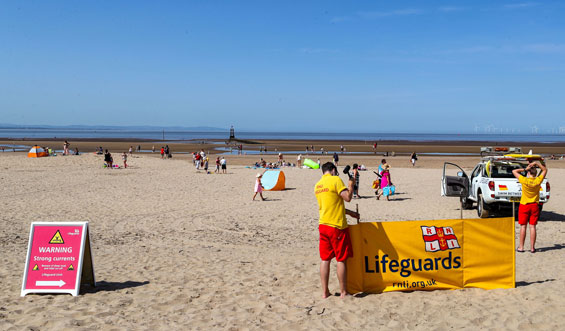
Gareth Morrison, head of water safety at the Royal National Lifeboat Institution (RNLI), says: “Our coastline is a fantastic place to spend time together as a family, especially when the sun is out and it’s hot. But there are also plenty of potential dangers, especially for those who aren’t fully aware of their surroundings and may be visiting a particular beach for the first time.”

Beach days or splashing about a picturesque lake or river make for the perfect summer activity, and there are things you can do to make sure you have a safe day out…

Stick to beaches with lifeguards

Morrison says the RNLI has seen an increase in rip current incidents this summer, where potentially deadly currents can drag people underwater and away from the shore. He says: “It’s important that anybody venturing in or near the sea knows not just what rip currents are, but how to react if they are caught in one, or see someone else in trouble. They are difficult to spot and even the most experienced and strongest swimmers can find themselves caught out, so it’s important where possible to use beaches that have lifeguards patrolling on them.”

Do your research

If a beach with lifeguards isn’t possible, it’s crucial to do a bit of research beforehand – particularly when visiting somewhere for the first time. John Hibbard, CEO of inflatable paddle board company Red Paddle Co, advises you “plan your route and check the conditions, avoiding offshore winds”, while steering clear of rocky shorelines and fast flowing rivers and estuaries. Sometimes an area might look calm and safe, but you never know what strong currents are lurking underneath the surface.

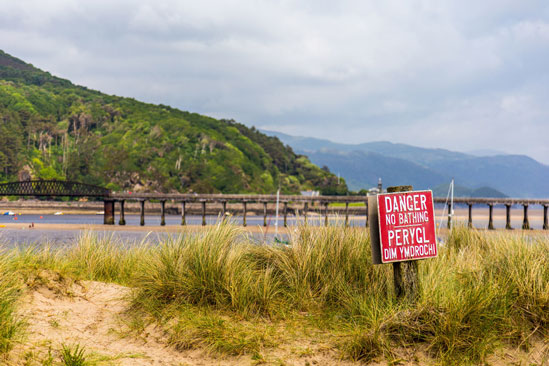
It’s important to have a plan this summer, with the RNLI advising you check the weather forecast and tide times before venturing out, and reading local hazard signage when you’ve reached your destination.

Keep family and friends in the loop

If you are going swimming, make sure you let someone know where your group is going and when you aim to be back. “Tell them what to do if you don’t return,” says Hibbard. “If you are going to be late (because you are having too much fun), make sure you tell your contact, so they don’t raise the alarm.”

The RNLI advises you don’t allow family to swim alone, and to keep a close eye on family members both on the beach and in the water.

What to do if you are in danger

If you do get caught up in rip current, the RNLI’s advice is not to swim against it – it will be too strong and you’ll tire quickly. They recommend you wade instead of swim if you can stand up, and swim parallel to the shore until you’re free of the rip and can head back. If swimming isn’t possible, the organisation’s advice is ‘float to live’, which it says you can do by “leaning back in the water, extending your arms and legs, and resisting the urge to thrash around to gain control of your breathing”.

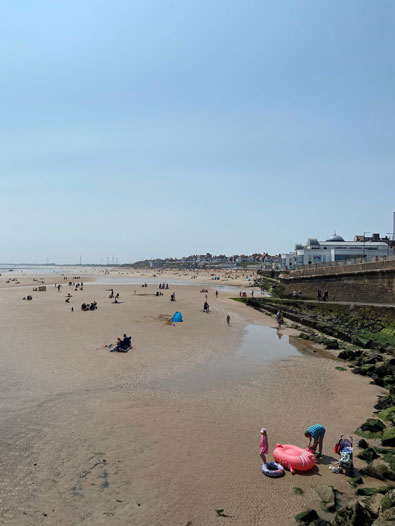
On Friday, a 10-year-old boy survived being out in the water near Scarborough Spa for nearly an hour by following the ‘float to live’ advice, after seeing it on the BBC documentary Saving Lives At Sea.

It’s worth investing in a waterproof pouch, so you can take your phone out with you and call 999 if something goes wrong.

All the Gear you’ll Ever Need to Make Camping Comfortable

Sleeping under canvas is growing in popularity. But with the right kit, you don't have to rough it, says Sarah Marshall.

For so many of us, the idea of pitching a tent and sleeping outdoors stirs memories of uncomfortable childhood holidays or muddy festivals.

But camping can be a thoroughly relaxing experience – even if you’re a novice – and you don’t need to sleep in a pre-erected yurt or tipi to glamp in style.

Pack a few creature comforts to elevate a camping trip, and you’ll wonder why you ever bothered booking a hotel room in the past.

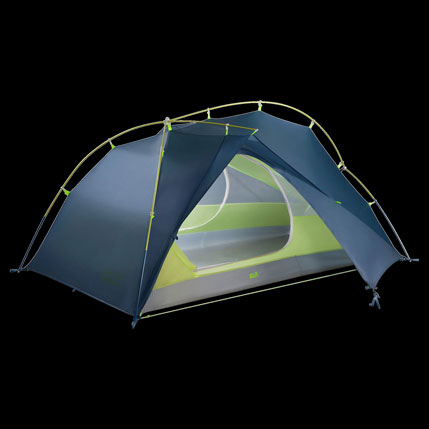
Jack Wolfskin Exolight tent, from £350 for a one person, jack-wolfskin.co.uk

If you’re planning to embrace the latest trend for wild camping – but want to do it in style – this lightweight, easy to pitch tent does the job. Available in three different sizes, sleeping one to three, it can easily be packed into a backpack and taken on a hiking trip. (The smallest version weighs under 1.5kg.) Although there are few pegs, it’s extremely stable and windproof. The inner tent and fly sheet are also connected and can be clipped to the pole system frame, making it easier to pitch in the rain.

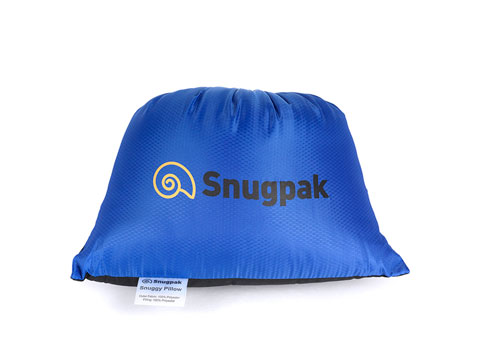
Snugpak Snuggy Headrest, £6.95, Amazon

How many times have you relied on a bundle of jumpers for a camping pillow? Packing a goose down headrest might be a bit indulgent, but this is the next best thing. Made with sleeping bag insulation and fabrics, it’s comfortable, warm and provides great support for your neck and head. Stuffed into a small sack, it’s easy to carry too.

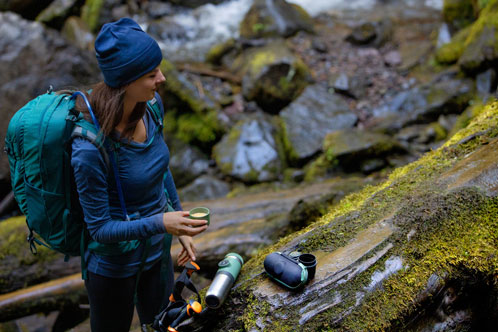
Wacaco Nanopresso Portable Espresso Machine, from £75 with case, bearandbear.com

Coffee lovers will agree that one of the greatest hardships of being out in the wilds is foregoing a morning espresso. This brilliant invention provides a solution. Pack ground coffee into the cylinder and screw onto a cup filled with boiling water. A pump action, which can provide up to 18 bars of pressure, produces a caffeine hit with creamy froth to rival anything purchased from a Costa or Starbucks. Worth every penny.

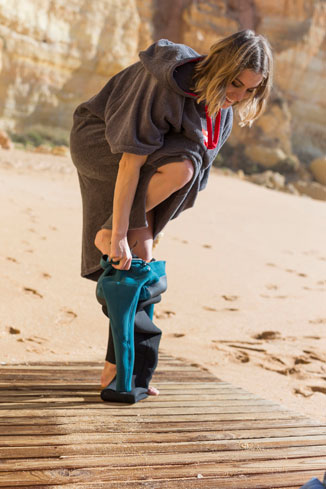
Red Original Changing Robe, £44.95, redoriginal.com

Wriggling around in a tent trying to get dressed can make you look like some sort of contortionist. But who wants to strip down in open air when other people might be walking around? Save your modesty with this towelling gown which works like a poncho. It’s also ideal for using at the beach when changing into swimming gear.

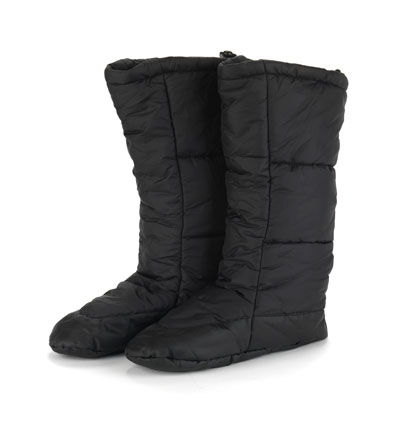
Snugpack Snugfeet, from £39.65, outdoorgb.com

Slippers are an indulgence in hotel rooms, so why not have them under canvas too? These insulated boots will make you feel like you’ve got mini sleeping bags attached to each foot – and they’ll keep tents mud free. Perfect for anyone with bad circulation, who’s prone to getting cold toes.

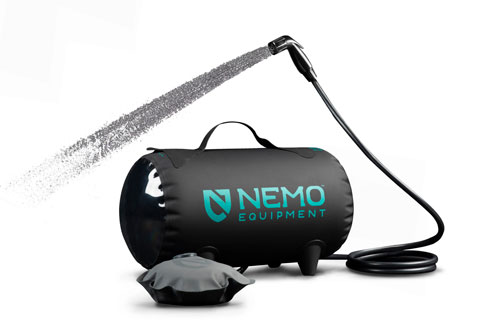
Nemo Helio Pressure Shower, £112.99, ultralightoutdoorgear.co.uk

Campsite shower blocks aren’t always appealing, but that’s no excuse for staying stinky on a trip. Unlike most portable showers, this lightweight sprayer doesn’t need to be hung overhead; rest it on the ground to create enough pressure to wash hair or do dishes with up to seven minutes of water flow each time.

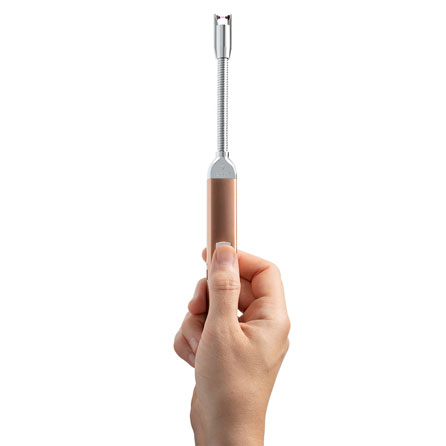
Zippo Rechargeable Candle Lighter, £26.85, Amazon

If you don’t have the bushcraft skills to rub two sticks together, this is the cheat’s ways to creating fire. Fully rechargeable, with several hours of use each time, there’s no need for refilling this device with butane. A windproof design and flexible neck make it simple to use in any conditions.

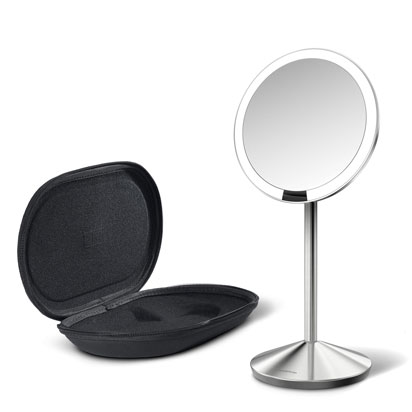
Simplehuman Mini Travel Mirror, £119, johnlewis.com

Camping doesn’t mean going feral. Emerge from tents looking fabulous with the aid of this 10x magnification travel mirror, which lights up automatically when you approach. The lighting system picks up every line, hair and pore, allowing you to tackle any close-up grooming needs.

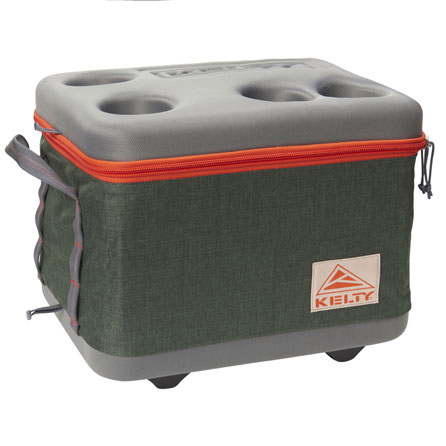
Kelty Folding Cooler, from £69.95 for 25 litres, outdooradventurer.co.uk

Taking a mini fridge on holiday might be a stretch, but it’s still possible to have chilled food and drinks at your disposal. Keeping items cool for 36 hours, this cooler is suited to weekend breaks. Featuring cup holders on top, it can be used as a table and packed flat for easy transportation when no longer needed.

×
Find a Property
M
Country & Equestrian
By submitting this form, you agree to McCarthy Holden using your personal data in accordance with our Privacy Notice.