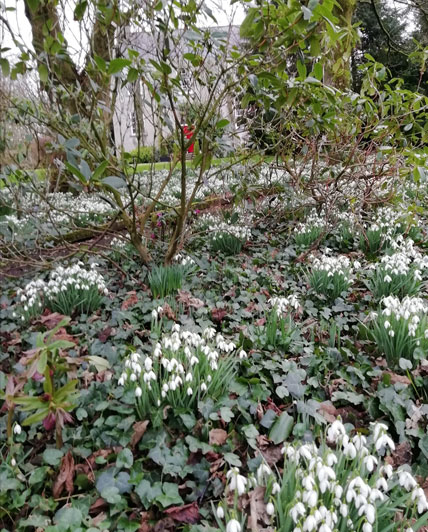

Heart-shaped flowers and foliage to mark the season of romance

As Valentines Day approaches, who needs roses when there are so many other plants of the heart to choose from?
The season of romance is here, but if you’re yawning at the thought – and cost – of red roses, there’s a mass of other plants which spell love for both outdoor gardeners and houseplant lovers.

Take a look at some of the plants with heart-shaped leaves and flowers which can last a lot longer than a dozen red roses.
Bleeding heart

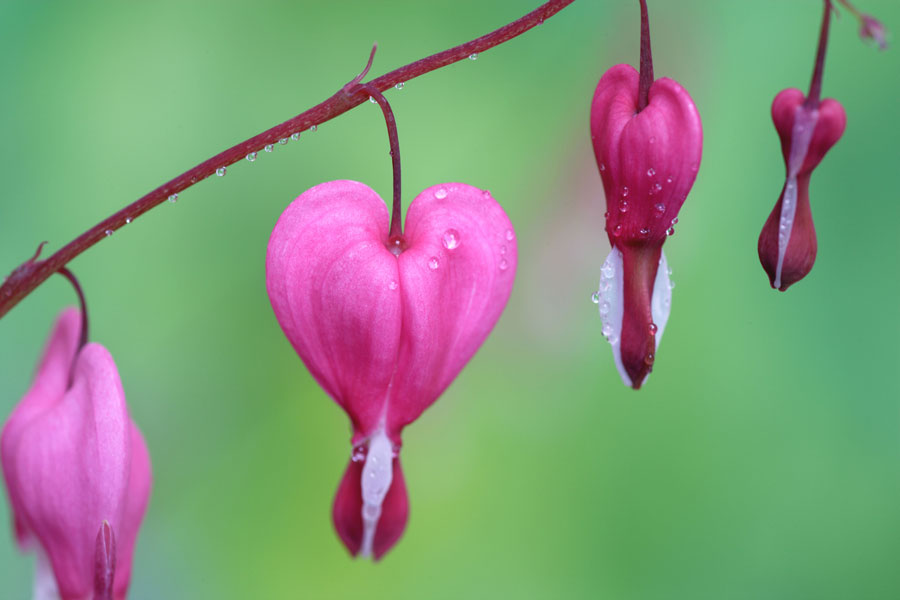
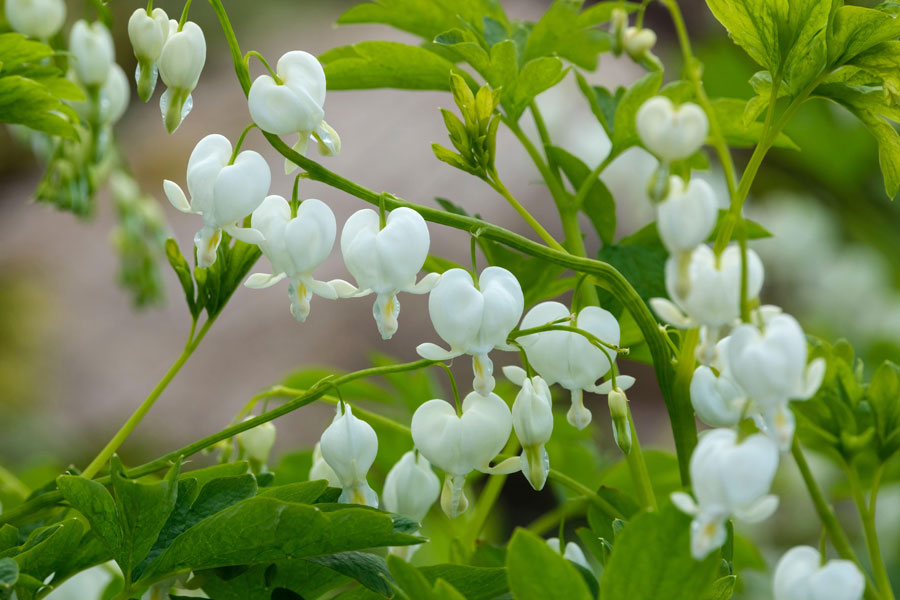
This beautiful, dainty-looking heart-filled perennial, also known as Lamprocapnos spectabilis (reclassified from dicentra), produces arching stems hung with heart-shaped flowers in late spring and early summer. Growing to around 90cm, they look beautiful in semi shade as each stem produces lines of these little romantic blooms. For those who aren’t fans of pink or red, there are also white varieties (‘Alba’), all of which look beautiful with low-lying plants such as saxifrages and hellebores.

Growing tips: They like cool, moist, sheltered situations, but will also do well in a sunny border. However, keeping them out of the heat of the day and making sure the soil is moist are likely to extend their flowering period. They will form clumps which will last for years and don’t like to be moved.

Hoya kerrii

Also known as the sweetheart plant, thanks to its heart-shaped fleshy succulent leaves, you can pick up this this popular houseplant in all its romantic glory at most garden centres, where a single heart-shaped leaf cutting will form the stand-alone attraction.

A native of Thailand and south China, it can, given the right conditions, fill pots with its thick, leathery love heart leaves. However, be aware that if you buy one which is just a heart-shaped leaf planted in a pot, most won’t grow into a full plant because they are not true stem cuttings. If you want one that’s going to grow properly you’ll need to find a plant with a properly rooted stem and visible other leaves. Mature plants can produce star-shaped cream and red flowers.

Growing tips: Never over-water this succulent. Only water it when the soil feels really dry and don’t water the leaves, only the soil. Keep it in a light position out of direct sunlight and don’t put it near radiators or in draughty spots. And if you want to have more chance of it lasting, buy a more mature plant.
String of hearts (Ceropegia woodii)

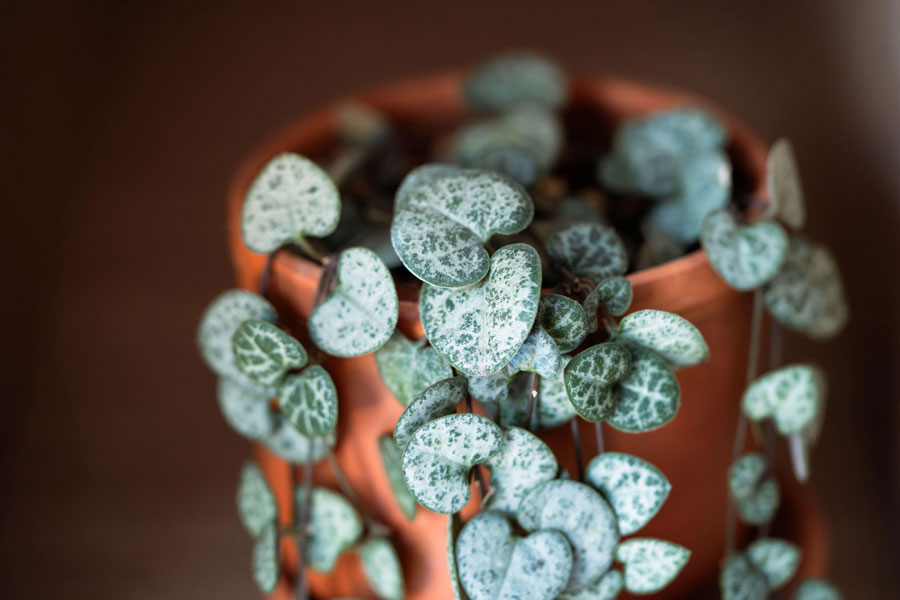
Native to South Africa and Zimbabwe, this trailing succulent houseplant produces thin wiry stems carrying heart-shaped grey leaves with pinkish undersides. It’s ideal for trailing down off shelving or a hanging pot, maybe alongside other trailers, such as string of pearls and string of dolphins.

Growing tips: Allow the soil to dry out completely between waterings and never let the roots sit in water or you’ll kill the plant. If the leaves start to yellow, cut off the damaged foliage and don’t water until the soil is really dry. Feed with a houseplant fertiliser twice a year and keep the plant in a light, bright spot out of direct sunlight, turning it from time to time so all the stems get sufficient light.

Anthurium andraeanum

Native to South America and the Caribbean, and also known as the flamingo flower, this tropical-looking houseplant’s heart-shaped red waxy flowers (also known as spathes) and central yellow or cream spikes are instantly recognisable and add a huge splash of colour to any indoor area. You can also find pink, orange and white varieties.

Growing tips: They come from warm, humid parts of the world so try to imitate those conditions. Place them in a warm, bright spot out of direct sunlight in fast-draining peat-free acidic soil and water them with rainwater, preferably at room temperature, allowing the top third of the soil to dry out between waterings. Don’t water them with cold tap water or you will shock them. To maintain humidity, they may be best off in a bathroom, or alternatively mist the leaves regularly.
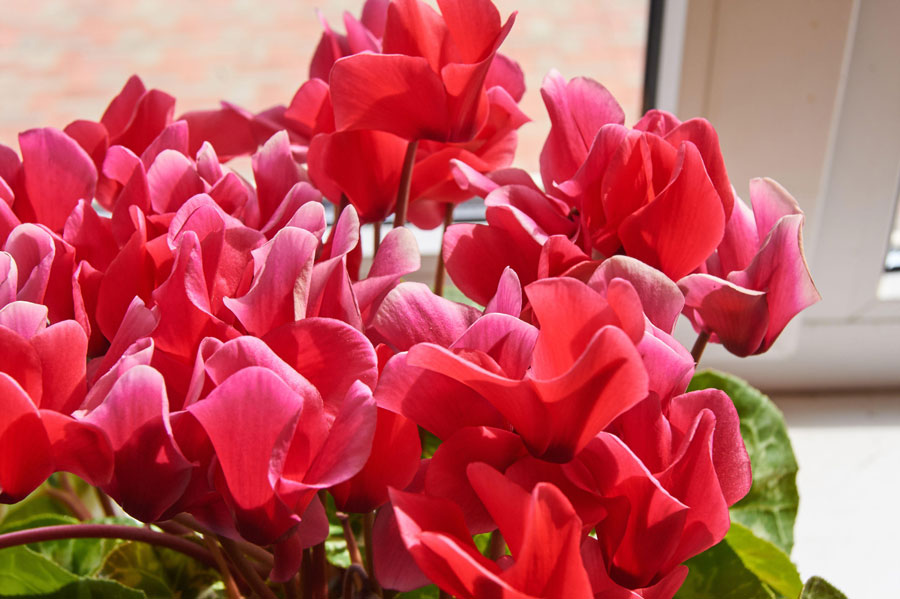
Indoor cyclamen

A great alternative to a Valentines bouquet, the dainty flowers – in shades of red, pink and white – atop pretty green and grey heart-shaped leaves should last longer than many other floral gifts, maybe even up to six weeks.

Growing tips: Keep it cool if you want it to survive. It won’t thank you being put near a radiator. If frost isn’t forecast, you could even put it in its pot on a covered porch or in an unheated conservatory or greenhouse. Again, don’t overwater, waiting until the pot has partially dried out, and water from below, putting the pot into a shallow bowl of water and letting the soil absorb the water, but make sure you drain the pot thoroughly after watering.
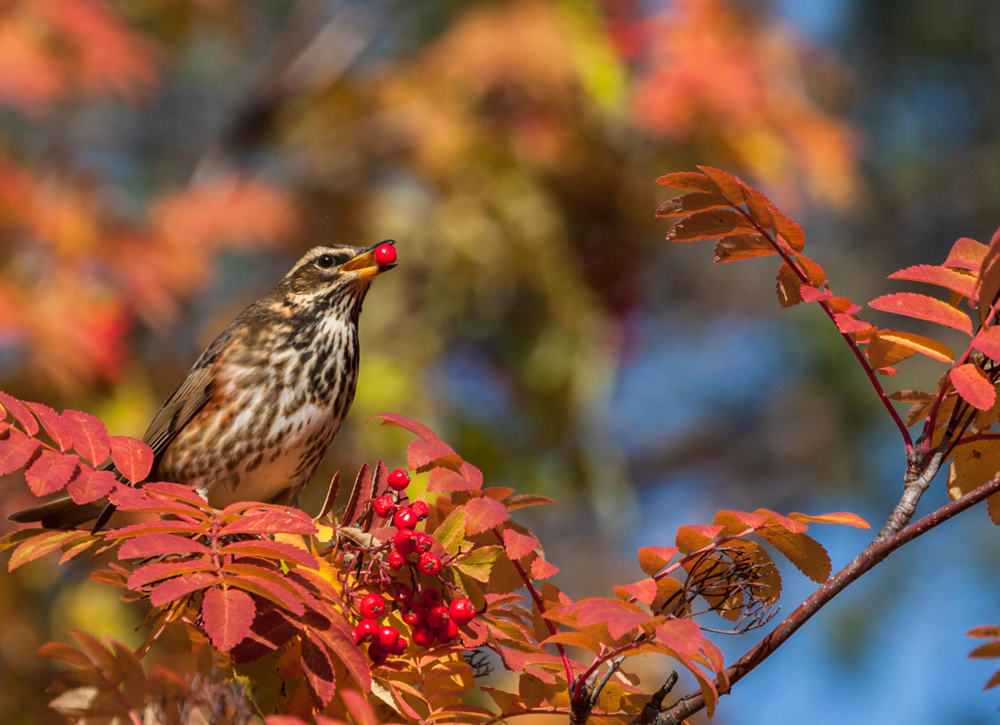
Berries which will make your garden a magnet for birds

GARDENING OCT25

Growing berry-bearing shrubs and trees is an almost guaranteed way to help birds in the garden stock up ready for winter.

Yet there are some berries that seem to be taken in preference to others, or which certain species of birds prefer, says Adrian Thomas, RSPB wildlife gardening expert.

“In particular, birds seem to prefer red berries, but that doesn’t mean that more unusual colours are to be avoided,” he observes.

“Those which ripen to pink, white or yellow may often be those that remain into the middle of winter when birds such as waxwings can be desperate for them.

“Of course there is even a British bird that is named because of its association with berries – the mistle thrush, which adores mistletoe.

“I wouldn’t be without lots of berry-bearing plants in the garden. To see flocks of birds descend on them in a feeding frenzy is always exciting, and if any of the feast lasts until winter, the chance of attracting redwings, fieldfares or even the rare waxwing is a winter treat for us, too.”

Different berries ripen at different times, which means that with a bit of careful planning you can provide a staggered feast over many months, starting with juneberry (Amelanchier lamarckii) and going through until spring with ivy berries.

You can plant berry-bearing shrubs in borders or pots, and some can be trained up trellises, walls and fences.

Five berry-bearing climbers, shrubs and trees that Thomas thinks are indispensable in the garden are:

1. Ivy

The berries have a very high fat content. They also ripen sequentially over a long period right through until spring. You do need to allow ivy to get its ‘head into the light’ for it to flower well and hence set fruit.

Growing tips: Ivy is about the easiest plant to grow – it’s not fussy about soil (although common ivy does better in alkaline soils) and will grow in sun or shade, quickly covering difficult areas such as dry spots and stabilising the soil. Just don’t put it in an area that is permanently waterlogged.

GARDENING OCT25
blackbird feeding on ivy berries

2. Hawthorn

The red ‘haws’ are a staple in the countryside for all the common members of the thrush family – blackbird, song thrush, mistle thrush, redwing and fieldfare. Peak consumption is October to December. Their autumn flowers also provide late nectar for insects.

Growing tips: You can grow it as a specimen tree or a hedge in any garden soil in sun or partial shade. Avoid ground which is permanently waterlogged, which could rot the roots. If you are creating a new hedge, plant bare root hedging plants between October and February.

GARDENING OCT25
bird in a hawthorn bush

3. Holly

Remember holly bushes are either male or female, and you’ll need a female variety to be sure of winter berries. You may have to plant a male as well for pollination if there isn’t one close by. The red berries are again staples for the thrush family, plus wood pigeons.

Growing tips: Hollies are not fussy about their soil type or situation. All hollies tolerate shade although variegated varieties do better in sun. If you have limited space, go for a self-fertile one which doesn’t need a mate to produce berries, such as ‘J.C. Van Tol’.

GARDENING OCT25
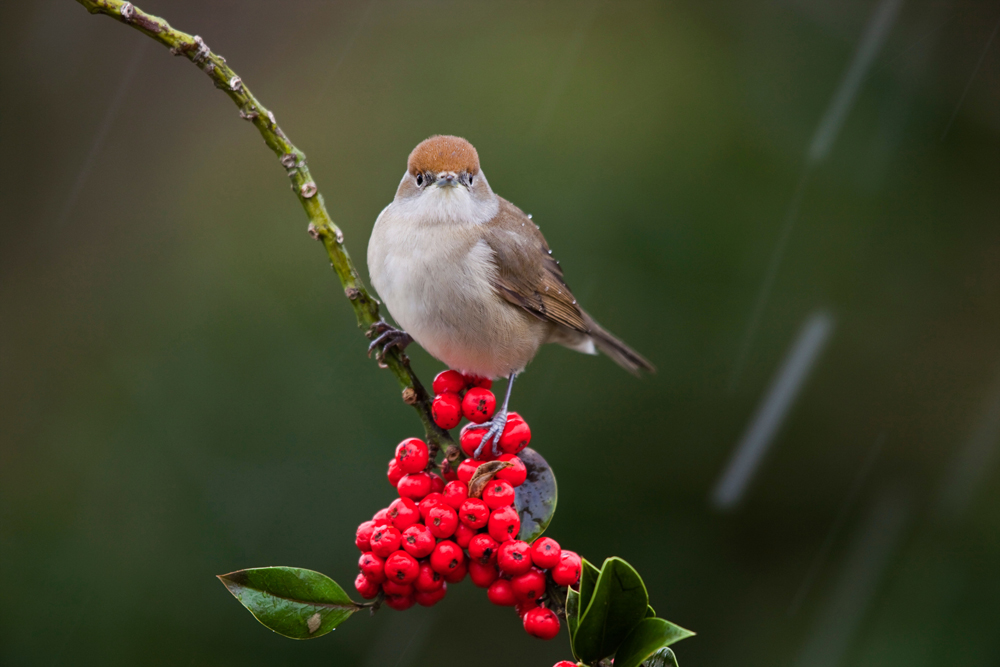
a blackcap on holly berries

4. Rowan

As well as the native rowan, many of the other garden varieties and cultivars are excellent for berries including the pink-berried Sorbus vilmorinii. For the native rowan, peak consumption is in August, ahead of the arrival of the winter-visiting redwings and fieldfares.

Growing tips: Again, it is not fussy, thriving in sun or partial shade, but try to grow it in moderately fertile, humus-rich soil. Pruning isn’t necessary, although you can remove dead branches in winter. While some rowans such as mountain ash can grow to around 6m, you can get smaller ones, such as the yellow-berried ‘Joseph Rock’, which makes an ideal specimen tree, reaching 4m in 10 years.

GARDENING OCT25
a fieldfare in a rowan tree

5. Bird cherry

A native tree of the northern half of the UK, the deep red berries of Prunus padus which ripen to shiny black are small which means that smaller birds such as blackcaps and robins can eat them as well as the thrushes.

Growing tips: Ideally plant this deciduous tree in autumn in moderately fertile soil in full sun. It can grow to 15m tall and almost the same in width, so you’ll need a big garden, although you can get more compact varieties such as Prunus padus ‘Albertii’.

GARDENING OCT25
bird cherry berries

By Hannah Stephenson, PA

TV presenter Matt Baker on Channel 4’s National Trust: Our Dream Farm.

Matt Baker editorial McCarthy Holden

By Yolanthe Fawehinmi, PA…

Matt Baker’s dream farm looks like the traditional hill farm he grew up on in the Durham Dales.

But when the 47-year-old British TV presenter thinks about the 600-acre farm in Eryri, (formerly Snowdonia), North Wales, that tenant farmers (people who rent land from a landlord and work the land) compete for in the second season of Channel 4’s National Trust: Our Dream Farm With Matt Baker, it’s a close second.

“I’m very fortunate to have grown up on a very traditional hill farm in Durham Dales. That’s the farm that I love. I love a mixture of landscapes as well. Welsh farms are very similar to the kind of farms that we have in the Durham Dales, but thankfully, my dream farm is the farm I grew up on,” says Baker, a former presenter on children’s television show Blue Peter from 1999 until 2006.

“It’s the world I know and love. It’s where I feel comfortable in that kind of landscape with lots of dry stone walls and older buildings, but also more modern buildings that you can drive tractors in and get all of your stock in if needs be. I love a hardy, rugged farm with a good yard and some modern barns.”

In the documentary-style series, seven shortlisted candidates are put under the watchful eye of the National Trust as they complete real-life farming tasks in the hope of becoming the new tenants of a unique hill farm in the national park, with a four-bedroom farmhouse at its heart, for the next 15 years.

Matt Baker editorial McCarthy Holden
Photo from National Trust: Our Dream Farm with Matt Baker and contestants.

The National Trust have a lot more applicants for their farms than they have to give.

So in National Trust: Our Dream Farm With Matt Baker, contestants will be judged on how well they maximise the opportunities that the farm has to offer.

This can be anything from tourism, how innovative or business savvy they are to how they prioritise environmental sustainability.

Across eight episodes, prospective tenants will be eliminated one by one until only two hopefuls are left and invited to have a final meeting with the National Trust. But only one person can win and become the proud owner of the farm.

“For me, any show that puts our agricultural world front and centre is absolutely vital, as far as I’m concerned. Not a lot of people know of the world of tenant farming, and the fact that a third of British farmers are tenant farmers. I think you only have to go out into the countryside and be so thankful that it looks the way that it does because of our farmers,” says Baker, who shares two teenage children, Luke and Molly, with his wife, physiotherapist Nicola Mooney.

“Not only are they producing our food, but they’re looking after our environment. I think we should shed light and can gather as much support as possible for the farming community, and show people what goes on and how challenging it is.

“Our farmers have to be jacks of all trades, you got to be so independent, and they’re providing all of the time. People need to be more grateful to our British farmers for producing our food and looking after our environment. In my eyes, it’s our farmers that make Britain what it is.”

From 2009, Baker looked into people, places and stories making news in the British countryside, whilst he co-presented BBC One’s Countryfile.

The following year, he stood in for English comedian and presenter Jason Manford, 43, as a guest presenter on BBC One’s magazine programme The One Show.

But when Manford resigned in November 2010, Baker was promoted to a more permanent position as a co-host with Welsh TV presenter Alex Jones, 47 – the same year he came second place on the eighth series of Strictly Come Dancing with Russian-Kazakh ballroom dancer Aliona Vilani, 40.

In the first episode of the new Channel 4 series, Baker says that if he were the winning tenant of the farm, he would be bursting with ideas and know exactly where to start.

Matt Baker editorial McCarthy Holden

“What is unbelievable is that the lake [on the farm] is where the legend of the red dragon from Wales comes from, which is incredible. There’s a legend that’s told actually in the series where the white dragon and the red dragon had a battle, and basically, the white dragon leaves and the red dragon remains. And that’s why the Welsh dragon is on the Welsh flag, it comes from that lake, which is just unbelievable,” he says.

“So I would certainly feature that heavily, I would key into that because a farm like this is so hard to come by. It’s one of the most nature-rich farms the National Trust have in Wales.

“I’ll certainly keep up with all of the grazings they do up on the mountain pasture, honestly, the nature there is everything. I love that side of things as well.
“But I’d be welcoming people from all over to come and immerse themselves in that kind of world. I would certainly lean into all of the heritage that’s there, including the walling. There are a lot of foundations around the 600 acres that reflect the things that have gone by over the years and the way that the shepherds used to work the land. So I’d look at reinstating some of those.
“I’d also keep on with those heritage animals, the stock that’s there, the Welsh Black cattle and the mountain sheep. I would run it very traditionally, but I’d invite people to come and experience that world.”

So what misconceptions does Baker think people have about countryside life and farming?

“It’s maybe a bit rose-tinted,” Baker admits. “It’s not as bucolic as people imagine. Our countryside goes on in winter. The tougher months are really challenging. People think things only happen in springtime, when the birds are tweeting and the flowers are out, the lambs are bouncing around.

“But let me tell you, it’s very hard work, it’s a tough life, and it’s not a job, it’s a lifestyle. Families are wrapped up in this constantly, and they work together. I think the togetherness and the community are very strong in the rural community.

“I think the biggest misconception is that people don’t understand where our food comes from or how it’s produced and the effort level. You only have to try and grow cress (an edible herb) on the window, think about a bit of food production, and then ask yourself the question, are you still doing it?

“And if you’re not still growing cress on the window, why not? A lot of people can’t be bothered, so be thankful to the people that are producing your food.”

National Trust: Our Dream Farm With Matt Baker cames to Channel 4 on Saturday, March 15

How to get your garden spring-ready

Gardening McCarthy Holden

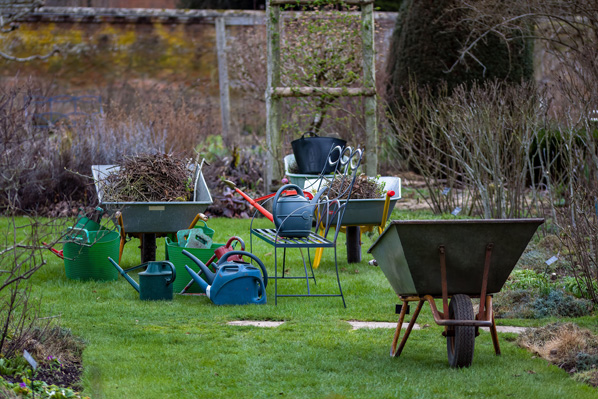
The weather may still be cold and cloudy, but buds are already starting to appear so it’s time to get your garden ready for spring before the growth spurt begins.

You could make time for a quick tidy-up, washing furniture and ornaments, turning your compost heap and cleaning patio pots.

“It’s a great time to tidy, clean and repair, whether it be tools, pots, furniture or even plant labels,” says Emma O’Neill, head gardener of horticultural charity Garden Organic.

Follow these tips on jobs to do in the garden to give you a head start on spring.

(By: Hannah Stephenson, PA)

Prune fruit

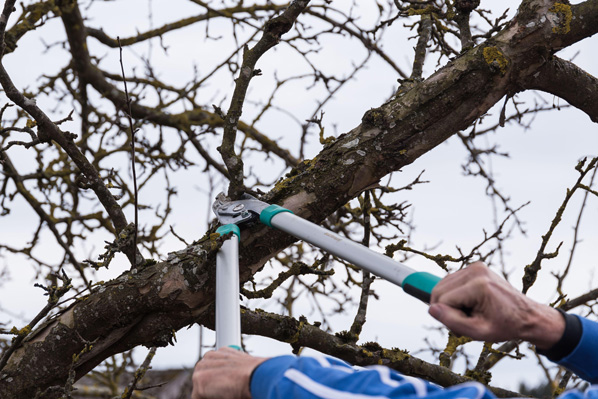
“Prune apple and pear trees. Don’t cut too much off, as you don’t want to put the tree under stress and you don’t want them to produce a load of top growth. Ideally you’re looking for an open goblet shape, with a hand span between each branch. The easiest way to think about it is that the pruning allows a bird to be able to fly through the branches.

“We always start on the laterals on the outside, taking them back to one to two buds. Go for the rule of dead, diseased, damaged and anything that’s crossing. Go back, look at your shape, see what you think, and do it with care,” O’Neill advises.

Beginners should look at a pruning guide to ensure they don’t cut too much off, she adds.

Only prune currants and gooseberries once they are over two years old, she advises.

“Blackcurrants fruit on new growth, while red and whitecurrants fruit on old growth. Again, you’re just taking them back.”

Gardening McCarthy Holden

Use green manure

If you’ve grown green manure such as red clover or winter tares, make sure you dig that in to the bed three to four weeks before use. Green manure is any kind of crop which covers and protects the soil, improving soil structure and nutrition.

“If you are going to direct-sow (crops) in March, make sure you’ve dug in your green manure in February,” O’Neill suggests.

If you’ve used rye grass as a green manure, it can inhibit seed germination so wait a month after digging it in before you start sowing, she adds.

Gardening McCarthy Holden
Photo: Green Manure Crop

Mulch your soil

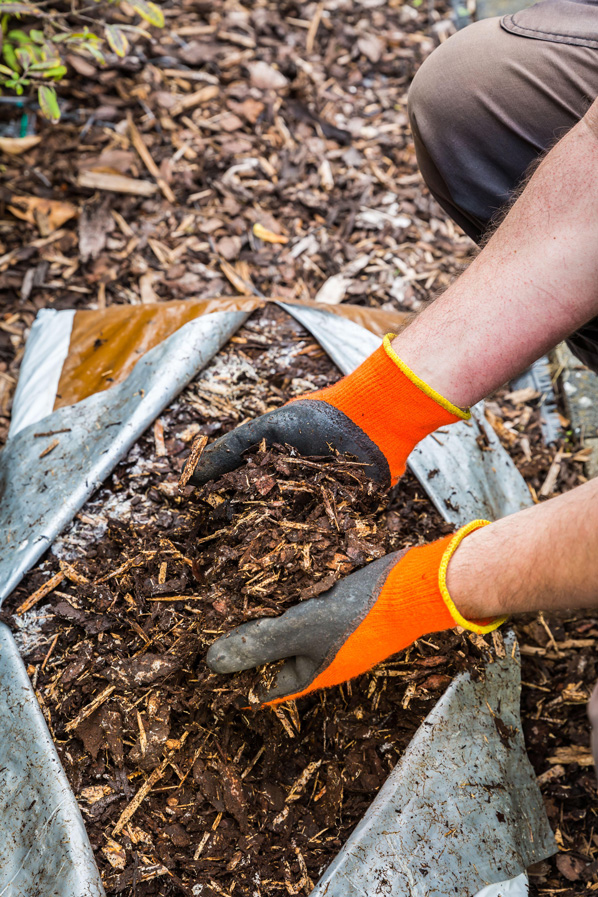
“It’s always a good idea to regularly mulch your soil to protect it,” O’Neill advises. “If you have your own compost, use that, or alternatively you can get green compost from local authorities.”

Clear your pond

If your pond has been netted over winter, remove the netting and clear any debris including leaves, and cut back pond plants which have died off.

Plant tender perennials in pots for summer blooms

February is an ideal time to get a head start and plant tender perennials like dahlias and begonias in pots, says Hannah Rowson, garden centre manager at bulbs and perennials specialist J. Parker’s.

“By starting these indoors, you can encourage new growth while waiting for warmer weather to transplant them outdoors in spring,” explains Rowson.

She advises: “Make sure to place your tender perennials somewhere safe from frost and with a bit of natural light, such as in a warm, light greenhouse, to promote the growth of new shoots.”

Gardening McCarthy Holden

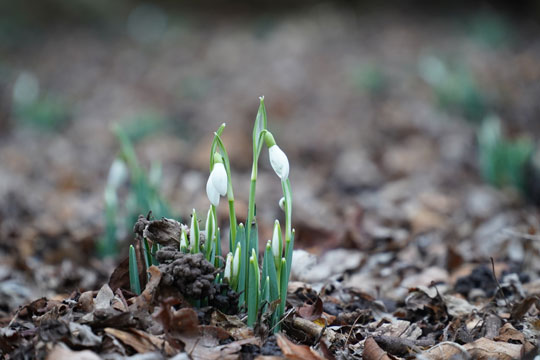
Divide snowdrops

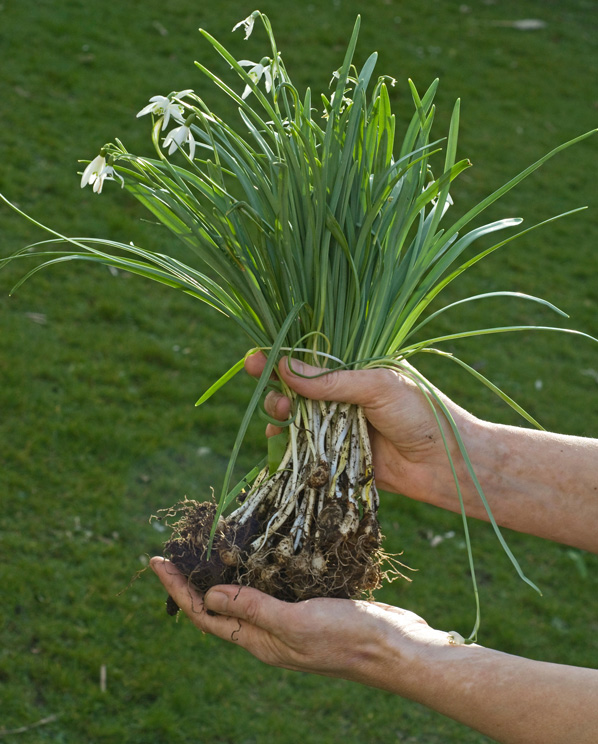
“It is best to divide snowdrops now to help them naturalise over time, leading to more flowers the following year,” Rowson advises.

“You can use a shovel or trowel to lift the flowers out of the ground with their roots, then split through the roots to create two clusters. Plant these halves in your chosen location and watch as they form new colonies in new patches of your garden, creating a beautiful perennial display for years to come.”

Gardening McCarthy Holden

Cut back group 2 and 3 clematis

Group 2 clematis flower on old wood in late spring or early summer and again in late summer. They include large flowered types including ‘Nelly Moser’ and ‘The President’. Cut them back in late winter or early spring to a pair of strong healthy buds, leaving around 1m on the plant (or around 30cm if it is a newly planted clematis).

Group 3 clematis including ‘Perle d’Azur’ and ‘Jackmanii’ bloom from summer to autumn and should be cut back in February or March to a pair of strong, healthy buds around 30cm (12in) above soil level.

Tidy deciduous plants

After leaving stems on herbaceous perennials such as veronicastrum, echinaceas and rudbeckias to provide habitat for overwintering insects and seeds for birds, you can now cut them down, as new shoots may already be appearing at the base, O’Neill advises. Climbing roses can also be pruned in February.

Finish planting bare-root trees and shrubs

It’s the last chance to plant bare-root trees, roses and shrubs which you’ve bought in their dormant state, unless the ground is frozen, O’Neill advises.

.

Carry out repairs

Tidy your shed, repair your tools and make good any structures such as trellis and fencing, which may have come loose or been damaged in the winter, O’Neill suggests. Climbers such as clematis and honeysuckle will particularly benefit from this, so you can tie them in as they grow in the spring.

Gardening McCarthy Holden

Stake your plants

“Get all your staking done now if you know what plants are going to need support, particularly in the ornamental garden. We have a plant called baptisia which goes absolutely crazy and it’s much better to stake it now that to try to do it in the growing season.”

Clean the greenhouse

Wash the glass and hose down any crevices because lots of pests may be sheltering there, where it’s warmer. Pick a sunny day, so if you are housing plants you can put them out for a couple of hours while you clean, and dispose of dead plants, which you can put on the compost heap, O’Neill advises. Wash down staging and clean dirty pots.

Tend to containers

Dispose of dead container plants, but if you have permanent specimens which were planted in fresh compost last year, take off the top layer of compost and top dress them with a new layer, O’Neill suggests. If you liquid feed through the growing season, your plants should be fine. Make sure your pots are still on pot feet so the moisture can seep through easily.

Cut back herbaceous perennials in pots, but leave evergreen pruning until spring, she adds.

Gardening McCarthy Holden

Looking for a Home With A Fine Garden?

Check out this four bedroom detached family home, crafted by the esteemed Pool and Son builders, set within the prestigious Blue Triangle area of Fleet and with a generous plot measuring in excess of 0.5 of an acre

Gardening Feature Property
Blue Triangle area of Fleet - Grounds estimated just over half an acre

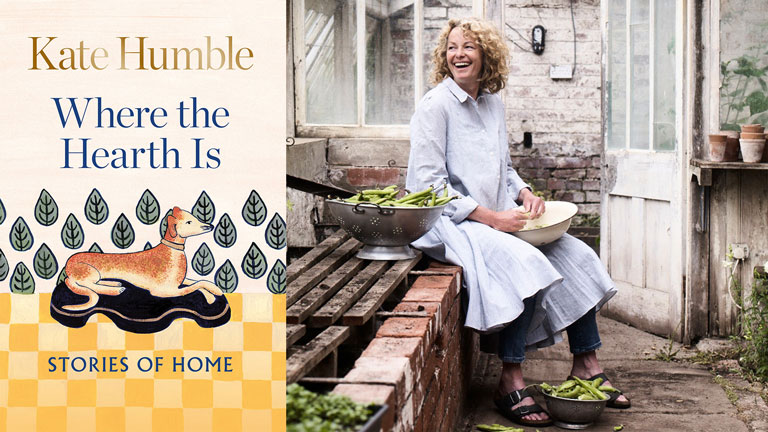
Wildlife presenter Kate Humble on what really makes a house a home

KATE HUMBLE MCCARTHY HOLDEN NEWS ITEM

What makes a house a home? Is it the building itself, the possessions inside, the people that live there, the location or community?

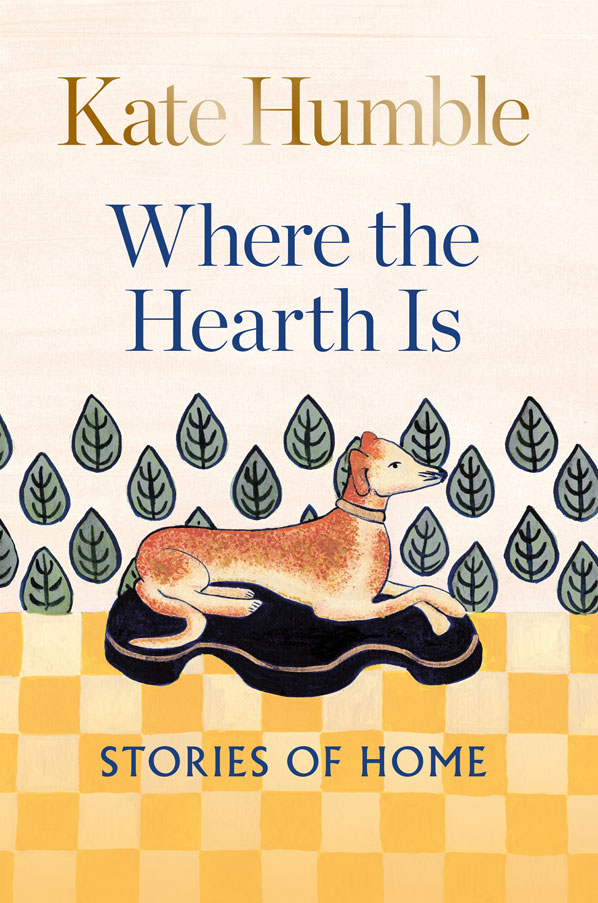
It’s probably all of these to some degree, says Kate Humble, who delved into the topic for her new book, Where The Hearth Is – sparked by the TV presenter’s own quest to understand why a London Victorian terraced property she thought would be her ‘dream home’ never really felt like it, but the Welsh farmhouse she later moved to did.

“Before I moved to Wales, my husband and I had bought a derelict house in London. We spent 18 months sleeping on kind friends’ sofas, giving everything we earned to the builders to try and make it un-derelict and create what we thought was going to be our absolutely perfect house, with a lovely kitchen, all our bookshelves and pictures on the walls, and all the elements we believed would make it the perfect, happy home,” explains Humble, 54.

“And what was really odd and actually rather distressing was the day we moved in and unpacked, we thought that instantly it would be home. It wasn’t. And it never felt like home, and I couldn’t work out what we’d done wrong.”

She repainted walls, moved pictures, furniture and even walls in a bid to fix the issue: “I drove my husband completely mad. For the whole seven years we were there, I basically battled to try and make this house a home.”

She eventually realised the problem wasn’t so much the house, but the location. “The reason that poor house was never going to be home was that I wanted it to make me believe London was home, and it couldn’t do that.”

mccarthy holden news item Kate Humble book

Humble’s TV career has always focused on the countryside and nature, with shows like Springwatch and Countryfile, and for a long time she’d harboured a desire to live in rural Wales.

“I was never a city girl, I was brought up in the countryside,” she explains. “I had for quite a long time wanted to be back in the country, but because of my job, doing things like Springwatch, lots of wildlife programmes and programmes that took me out into the countryside, I could manage coming back to London. But it just ceased to feel like home.

“I had this weird, inexplicable – and I still haven’t worked out why this was the case – longing to live in Wales, even though I have no family history in Wales or heritage, and I hadn’t even really been on holiday there. I didn’t really have a connection. But for some inexplicable reason, I really, really wanted to live in Wales.”

Then, “completely out of the blue” in 2007, Humble’s TV producer husband Ludo was offered a job in Cardiff. “It was like fate was intervening.”

The couple bought an old stone farmhouse with four acres of land in the Wye Valley. “As soon as I got there, I knew I had found my home,” she recalls. “There are many elements of that, but I think it was instant because I was back in the countryside, and those were my roots, even though it wasn’t geographically where I’d grown up, I had grown up in a rural area – and I was back in a rural area and suddenly I felt like I belonged again.”

Yet although Humble, her husband and their dogs have lived happily in the farmhouse in Wales for the last 16 years, running the Humble by Nature working farm and rural skills centre nearby, they may still not be in their ‘forever home’ – which is what sparked the idea for the book.

“For a long time, I’ve wanted to build a house of my own,” she reveals. “I’ve got the design in my head – I’ve always been fascinated by the idea of creating the place that I end up living.

“But the thing that worries me is, I might build this house one day that I think is perfect – but what will it be that turns it from a building I’ve imagined in my head, a physical thing, into the nebulous but nonetheless essential thing that makes it a home? What will shift it from simply being a building with furniture and a bed, into the place where you feel safe and secure and at home? What do I need to do to make sure that I don’t repeat the experience I had in London?”

Humble was so worried about this, she wrote long lists of the sort of people that might be able to give her insight into what makes a house a home. “I started off by thinking that would help me build a thesis, a kind of Humble theory of what makes a home, if you like.”

She spoke to many people, compiling stories for the book – ranging from brother and sister Willie and Ruby Brown, both in their late 70s, whose home (a 150-year-old family stone croft on the west coast of Shetland, where they’d been born and raised) was struck by lightning and destroyed, to a Syrian woman who lost not just her home in the war, “but her community, her culture, her language, everything she knew”, explains Humble.

“She had to start from scratch, trying to make a home in a country that wasn’t hers, and the thing she said made the UK feel like home was the kindness of people.

“What I learned was home doesn’t stop or start when you walk into the front door – it’s more than that,” Humble adds. “And for a lot of people – and I would include myself in this – community is really important, what’s around you, what do you look out at through your window?

“Of course, there’d be things that all of us, if they were lost through fire, flood or whatever, we’d probably mourn. But ultimately, possessions are ephemeral – one day they’ll fade, fall apart, or get lost. Whereas the people in your life are the fabric of your home. When I walk around my house and think what would I grab if the house was on fire, I think, well I’d grab my husband and my dogs,” Humble reflects.

“What I discovered is what makes a home is incredibly personal and individual to each person. But if you have a place you can genuinely call home, where you feel safe and secure and it’s your refuge, actually, you’re very lucky.

“Through talking to all these people and putting this book together, I realised how precious home is.”

Where The Hearth Is: Stories Of Home by Kate Humble is published by Aster, priced £22. Available now.

mccarthy holden news item Kate Humble book

Pretty garden plants you didn’t know you could eat

McCarthy Holden garden plants

By Hannah Stephenson:

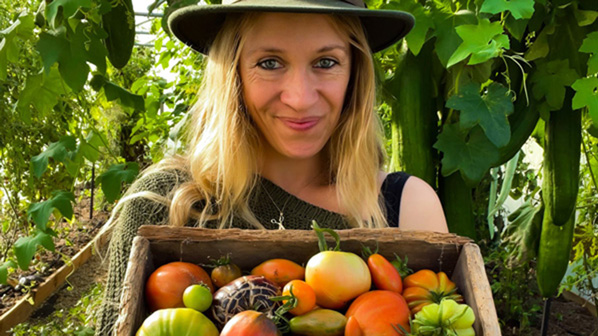
Garden designer, grower and social media star Lucy Hutchings, of She Grows Veg fame, has been showing followers the prettiest vegetables to add colour and form to ornamental borders.

“The best way to approach edibles within a planting scheme is to stop thinking of them as edibles and approach them as you would any other plants in your border. Look at height, colour and texture and vary that through the border,” says the designer, who has 171k followers on Instagram.

“You might want some frilly things, spiky things, architectural things, broad-leaved things – and you can achieve all of these textures and looks through edible plants as well.”

McCarthy Holden garden plants
sunflowers in a border

At the recent Gardeners’ World Live event, Hutchings launched She Grows Veg, a fully female design company. In The Secret Homestead show garden, she demonstrated how easy it is to integrate flowers and edibles and still make everything look beautiful.

With a background in fashion design, Hutchings explains: “Grow your own is almost always portrayed in a homespun, traditional, quite humble and slightly apologetic way. My interest lies firmly in edible plants and I never understood why there was this divide in approach.”

a border of ornamental kale

She aims to show people who love flowers and beautiful borders how to embrace the idea that veg can also be gorgeous.

Her show garden was filled with popular ornamental plants mixed with food crops which people might not realise are edible, including hostas, roses, cannas, dahlias, Oxalis triangularis and colocasia – which are traditional food crops in other parts of the world.

Here she suggests a selection of edible plants which will provide colour and texture to any ornamental border.

McCarthy Holden garden plants
Oxalis triangularis

Striped japonica corn

Ornamental varieties of vegetable which blend in beautifully with a flower border include striped japonica corn (which can be used for popcorn), with candy cane striped foliage. “Popcorn is such an easy snack and you can get a lot off a plant,” says Hutchings.

Hostas

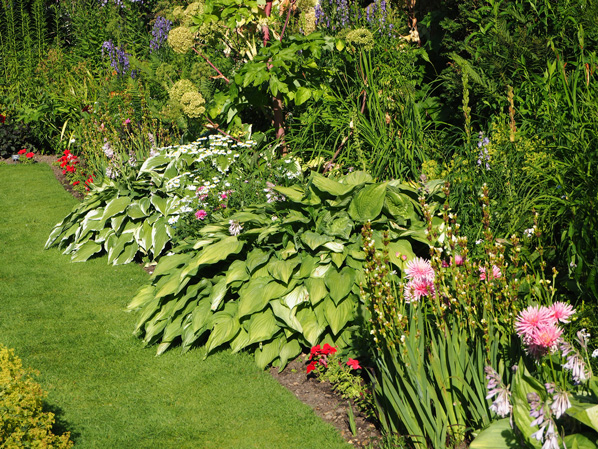
“These are very popular in East Asia, where people eat new shoots as they emerge. Take them from an established crown and give the plant a chance to bounce back. They taste similar to asparagus and you don’t get the woodiness.”

Japanese flowering kale

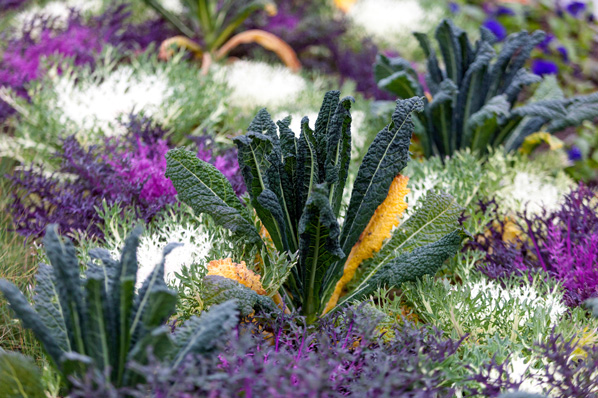
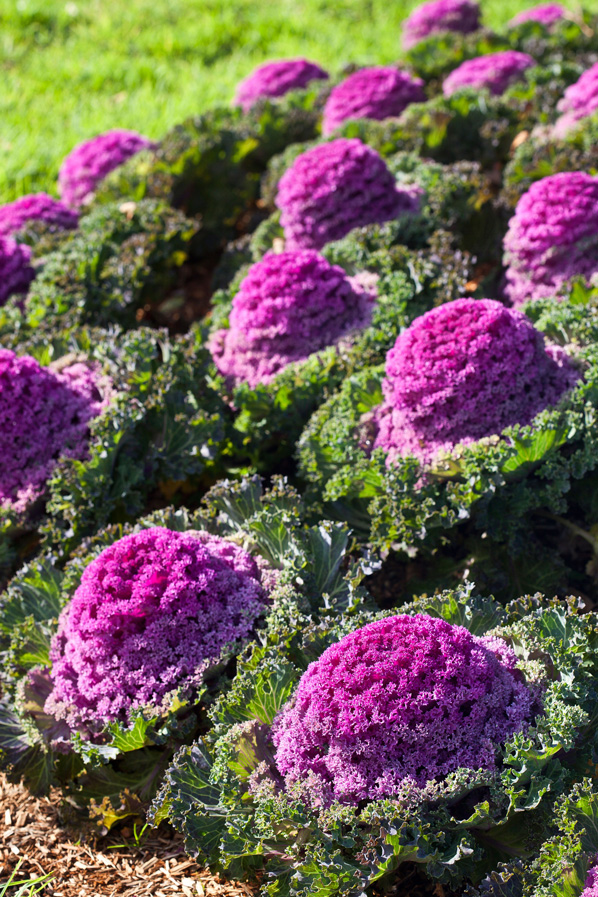
“Japanese flowering kale is sometimes referred to as ornamental kale, but you can eat it. It looks like a big purple flower, with white/green around the outside, fading to pink and bright vivid neon purple.

“All kales are really hardy and you can harvest it year round, sowing it twice a year, once in late summer to grow through winter and again in early spring to grow through summer.” Serve it as you would other green veg.

“I have kales spaced through the border, almost treating it like a great big flower as opposed to a foliage plant.”

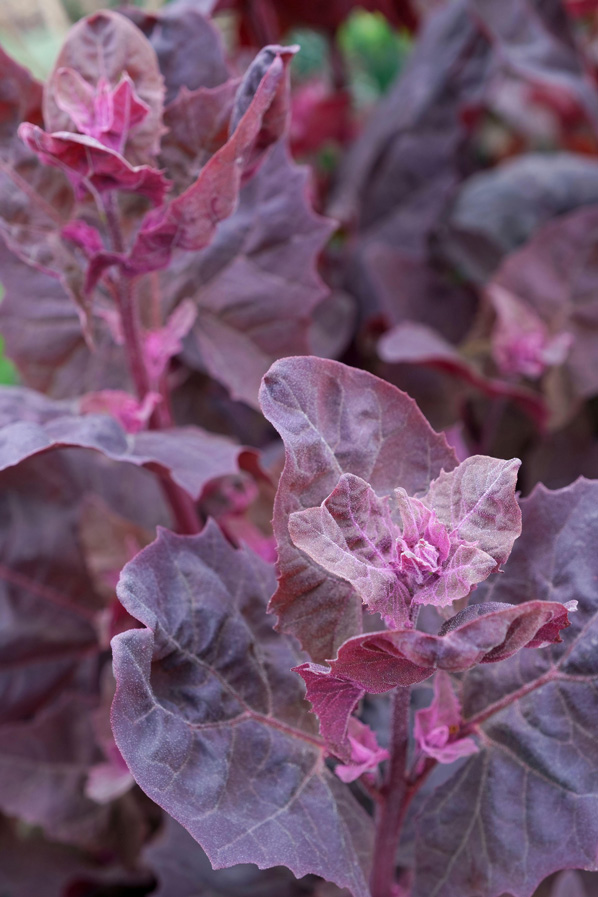
Red orach

“This featured in quite a lot of the gardens at the Chelsea Flower Show,” Hutchings observes. “It’s commonly seen in borders and is sometimes referred to as French (or mountain) spinach. You eat it in exactly the same way as spinach despite the fact that it has really vivid purple leaves.

“Add colour through foliage and stem colour as well as flowers. Your greens don’t actually have to be green. Red and purple vegetables tend to be better for you because the red and purple colour is from an antioxidant called anthocyanin which is the same antioxidant that makes blueberries a superfood.”

Colocasia (elephant’s ears)

“A lot of people grow Colocasia as houseplants, but very few realise that it is actually taro, a starchy root you often get in Chinese restaurants – in Asia, it is very commonly eaten.”

Oxalis triangularis (purple shamrock)

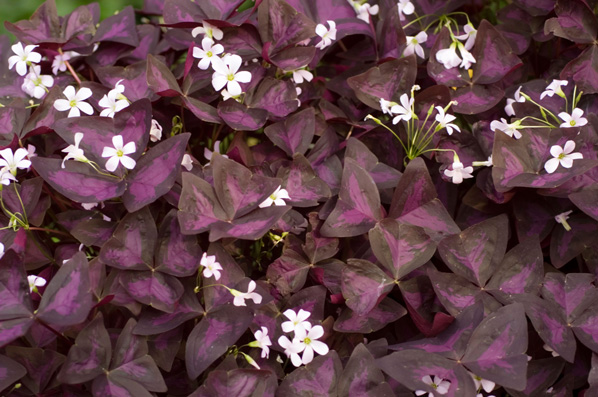
“Again, this is a popular houseplant, but the leaves are really delicious, with a sour apple flavour. It’s a beautiful plant which is easy to grow and the leaves can be added to salads for a fruity taste. I’ve also seen it as a garnish on desserts.”

Dahlias

“These are a root crop, originally imported from Europe as a starchy food crop. If you lift them at the end of the season, use some of the tubers for eating. Cook them as you would a new potato – they have a slightly lemony taste. Flower petals of dahlias are also edible.”

Sunflowers

“These give you a lot of bang for your buck. Not many people realise how many ways you can eat a sunflower. They think that you just have to roast the seeds and they’re fiddly. But you can also eat the unopened flowerbuds as you would an artichoke head.

“If you harvest a sunflower head when the seeds have swelled but before the seed coating hardens too much, you can roast and eat the heads like you would corn on the cob.”

WARNING – This article was supplied by the Press Association. Check the facts / information and make sure a plant is edible, please consult an expert.

McCarthy Holden garden plants
ornamental kale
McCarthy Holden garden plants
variety of edible plants
McCarthy Holden garden plants
red orach

How to dress in arctic weather

Plummeting temperatures may have you wondering how to keep warm – while still looking good. By Imy Brighty-Potts.

We could be heading towards a white Christmas, with everyone starting to feel the freeze.

The Met Office has issued various yellow weather warnings, as the UK recorded its coldest night of the year so far – it was minus 15.7C in Aberdeenshire last night.

Heavy snowfall on Sunday evening in some places forced airports to close their runways and left drivers struggling to get through, and the rail networks have been facing disruptions.

With all the ice, snow and chilly weather about, how can we dress warmly – while still looking great?

Get layering

“The trick to staying warm yet stylish in the winter is in the layers,” says Jo McLaren, head of e-commerce at luxury cashmere brand N.Peal (npeal.com).

“Everyone needs T-shirts, cardigans and jumpers in the winter to help build an outfit set for the cold day ahead. Whether you’re looking for function and versatility with a cardigan, or following the plain white tee trend of autumn/winter 2022, layering is the perfect way to style your favourite pieces.”

Try some knitwear

“One of the trends seen on the runways this autumn/winter was an abundance of knitwear. With rising costs of heating, designers seemed to suggest wrapping up in your favourite knitwear,” McLaren says.

“Cashmere is a timeless and stylish way to wrap up warm. To add colour or uniqueness to your outfit, try different textures and shapes, such as cable knit and Fair Isle-style jumpers.”

You could see the inclement weather as an opportunity to shake up what you wear, with McLaren adding: “I love this time of year as it allows you to really experiment with colours, layers and textures, and create outfits that are truly your own.”

Grab a statement coat

McLaren’s favourite way to dress up a winter outfit is a statement coat.

“Investing in two or three coats with different colours, textures, patterns and thickness can help you rotate the same layers, but create a different aesthetic each time,” she advises.

And there are so many ways to get creative with a coat, with Boohoo fashion expert, Claire Asher (boohoo.com), also favouring a statement coat.

“Not only will it keep you protected from the elements, but you can also create a high-end look just with a statement jacket and inexpensive basics. Consider using your outerwear to make the most of bold block colours, striking prints and fluffy faux furs, which will guarantee to amplify any minimalist outfit – while keeping you warm and cosy.”

Size up in shoes

When picking your winter boots, McLaren says: “Opt for a bigger size so you can wrap your feet up in thermal socks.”

Equally, instead of buying new, you could have a look at what you already have – and see if anything can be given a winter makeover.

“With many shoes now having more grip in the soles, it’s most likely you can repurpose your existing collection for the frosty outdoors,” McLaren recommends.

Accessorise


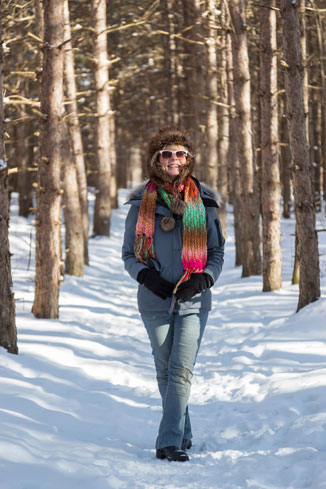
“Nothing can switch a plain outfit into a showstopper like accessories. Winter accessorising is the perfect time to wear chic pieces, like a cashmere scarf with matching gloves,” explains McLaren.

“Accessories are also the perfect way to add colour to those wintery monotone jumpers, whether that’s a pop of red for the festive season or your favourite geometric pattern.”

You could even stay warm with some trendy earmuffs, which Asher calls “a fun yet practical accessory for the colder seasons – a trend loved by Bella Hadid.

“Not only are fluffy earmuffs a charming retro fashion statement, but they are also the perfect cold weather accessory when it comes to keeping our ears warm. The fantastic thing about earmuffs is that you can style them with pretty much any outfit.”

How to prevent insect bites and stings as the weather warms up

Spring insect stings mccarthy holden

Spring is here and so are the insect bites

Spring insect stings mccarthy holden
Alamy/PA

Here comes the sun – and shorts, T-shirts, sandals, picnics and afternoons outdoors – hurrah! But all this means insect bites and stings might be more likely too.


Besides being itchy and sore, Dr Deborah Lee from Dr Fox Online Pharmacy says bites and stings may take several days to disappear – and can become infected with bacteria.


“Insect bites can also worsen eczema,” says Lee. And while most people will only have relatively mild symptoms, they can also cause more serious allergic reactions – including life-threatening anaphylaxis.
“For all these reasons, it’s a good idea to take steps to minimise your risk of being bitten or stung,” she advises.


James O’Loan, CEO and pharmacist at Chemist4U, says some of the best ways to do this are: “Applying insect repellent, keeping food and drink covered when eating outdoors, and staying calm if you encounter wasps or bees.”

Lee shares the following advice…

Spring insect stings mccarthy holden
Alamy/PA

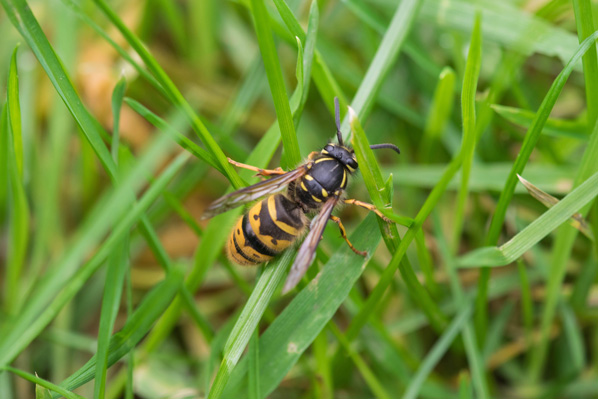
Wasps

“If a wasp flies nearby or lands on you, don’t flap your hand. Just stay still and let it fly off,” says Lee. “Wasps only usually sting if provoked.”


She suggests wearing shoes when walking on grass. Wearing white or pale-yellow clothing has also been found to help keep wasps at bay.


“They have a very sweet tooth and highly sensitive sense of smell, so are instantly attracted to a picnic. Try filling a jam jar with jam, ginger syrup, or beer, plus add a little washing-up liquid, and place it a short distance away from your food,” adds Lee.
And if you get stung: “If the sting is still in the skin, remove it gently with your fingernail or using a piece of gauze. Don’t use tweezers as you can squeeze more venom into the skin.


“Wash the area with soap and warm water and pat dry. Apply a cold compress for around 10 minutes. Elevate the limb or area if possible. You may want to take paracetamol or ibuprofen if it’s painful. If it’s itchy, try some antihistamines.”


Bees


“Bees are gentle and will only sting if frightened, so when one comes near you, keep calm and still,” says Lee. “Although it can be hard to avoid the impulse, avoid swotting it. It’s likely to simply fly away.”
Stay away from flowers, as bees feed on the nectar inside flowering plants. “Bees like sweet things too,” adds Lee. “So always keep food in sealed containers and don’t leave sweet foods outside uncovered. Don’t leave half-drunk cans of fizzy drinks hanging around.


“If bees appear, don’t jump up and run away in a panic. Get up slowly and move cautiously in the opposite direction. Bees don’t like panic.”


And if you get stung: Same advice as a wasp sting.

Spring insect stings mccarthy holden
Hornet Alamy/PA

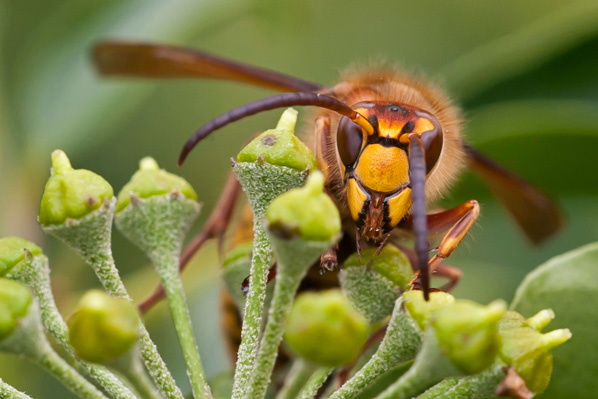
Hornets

“Hornets are extra-large wasps, so follow the advice about avoiding wasp stings. Don’t wear perfumes, or any fragranced body products – they love the sweet smell,” cautions Lee. “They also love the smell of sweat, so don’t get too hot and sticky!”


Also, avoid clothes with bright colours and floral patterns. Eat picnic foods quickly, seal everything up, and dispose of waste promptly and carefully. Close dustbin lids and keep car windows rolled up.


And if you get stung: Same advice as a wasp sting (but note hornets do not leave their sting behind).

Spring insect stings mccarthy holden
Mosquito Alamy/PA

Mosquitos

You can try out gadgets like the Thermacell Mosquito & Midge Protector (prices start from around £25), or wear scented bracelets to try and keep pesky mozzies away, but you might be surprised to hear the colour of your clothes makes a real difference to whether or not you get bitten. “Go for light coloured clothing, or beige or khaki. Don’t wear black leggings as they will bite through thin fabric,” says Lee. “They can even bite through jeans!”
Lee advises liberally applying a certified insect repellent containing DEET, before you leave the house, and don’t forget exposed areas such as your neck, fingers, ankles and wrists.


“Mosquitos love stagnant water, so don’t go near ponds. Other sources can be blocked guttering, or other collections of water, such as a watering tray underneath your plants.
“Mosquitos are attracted by some smells, such as lavender, so again, avoid any perfumed body products,” she continues. “They dislike the smell of lemons.
“Citronella candles are ineffective because although mosquitos don’t like the lemons, they’re attracted by the increase in carbon dioxide from burning the candle.”


And if you get stung: “Wash the area with soap and water, and pat dry with a towel,” says Lee. “Apply calamine lotion to help relieve the itching. Apply a cold compress for five to 10 minutes. Take paracetamol or ibuprofen if it’s painful. Try antihistamines for itching, or ask the pharmacist for advice.”

Horseflies

“Horseflies are most likely to be out and about at dawn and dusk, although they can bite at any time,” says Lee. “They also love piles of manure, so avoid stables and farmyards.”


She says to take care walking in long grass or beside stagnant water such as ponds, lakes and marshes. Wear long-sleeved tops and trousers, tucked into your socks. Wear a sunhat or a cap, with some form of neck protector. Again, wear light colours and avoid perfumed products.


Lee recommends to try Picaridin insect repellent spray for horseflies. Also, they dislike the scent of peppermint, eucalyptus, lavender, clove, rosemary and basil.


And if you get stung: “These often cause a blister at the bite site, but avoid scratching the top of the blister, even if it’s itchy. Clean the area using cotton wool with plain soap and warm water, and pat gently dry.


“It’s not a good idea to use other remedies like vinegar or bicarbonate of soda, as these have been shown not to work,” says Lee. “Apply a cold compress for five to 10 minutes. Take paracetamol or ibuprofen if it’s painful. Try antihistamines for itching.”


If you have a bad reaction…
With any insect bite or sting, if you have a bad reaction or symptoms get worse, seek medical advice.


“A normal bite or sting should heal within a few days” suggests O’Loan. “The pain and inflammation could be made worse if you have a mild allergic reaction to the bite or sting, but this should normally pass within a week. If you’re worried about a bite or sting, speak to your pharmacist to find the right treatment.”


Any possible signs of anaphylaxis should be treated as a medical emergency. This includes difficulty breathing, feeling lightheaded, faint or confused, a fast heartbeat and unconsciousness, as well as symptoms like a red, itchy rash (hives), vomiting and swelling.

10 snowdrop gardens to brighten up your winter walks

As snowdrop’s emerge from their winter dormancy, Hannah Stephenson looks at the best places to see swathes of them.

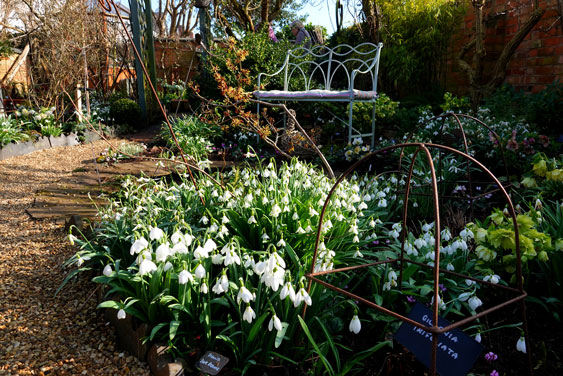
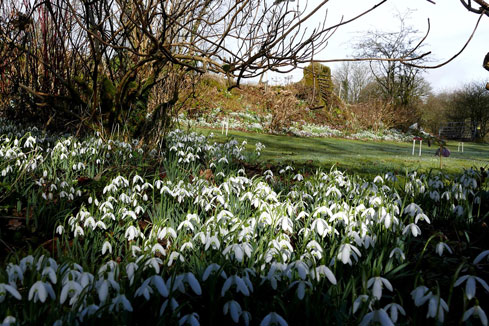
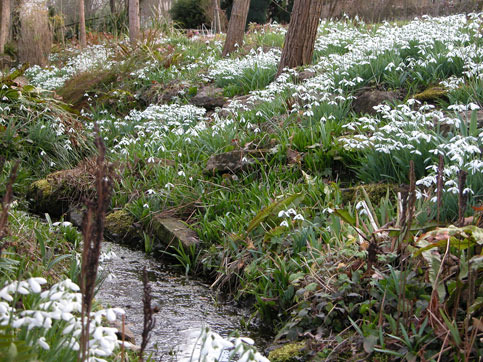
It’s always a sign of optimism when we see the first snowdrops appear, their dainty blooms emerging from the cold ground, creating white carpets which illuminate gardens.

Some of the best displays can be seen in the many gardens taking part in the National Garden Scheme’s 2022 Snowdrop Festival during January, February and March.

If you visit at least one garden awash with these pint-sized white gems, you should find innovative ways to display your own snowdrops, and may even discover some unusual species you’d like to plant.

1. Bruckhills Croft, Aberdeenshire (open by arrangement Jan 25-Mar 11 for snowdrops and winter walks. Details at scotlandsgardens.org)

If you struggle to grow snowdrops, you’ll find a planting idea or a cultivar in this three-quarter-acre country cottage garden, set in the heart of rural Aberdeenshire, which became home to a Plant Heritage National Collection of Galanthus (snowdrops) in 2021.

It houses nearly 500 varieties of snowdrop arranged in small groups among the herbaceous borders, shrubs, raised beds and an alpine greenhouse, with complementary plantings of scented witch hazels, winter jasmine and colourful dogwoods, plus thousands of common snowdrops in the wildflower meadow.

2. Brodsworth Hall and Gardens, South Yorkshire (check opening times at english-heritage.org.uk)

The site’s half a million snowdrops and 200,000 aconites cast a haze of white and yellow across the lawns and throughout the woodland floors, while winter is also the ideal time to take a stroll around the formal garden, with its sharp lines and sweeping curves.

3. East Lambrook Manor Gardens, Somerset (open from Feb I for the Festival of Snowdrops (eastlambrook.com)

Celebrated plantswoman and gardening writer Margery Fish turned a derelict farmyard and orchards into this quintessential English cottage garden between 1938 and her death in 1969. With noted collections of snowdrops and hellebores, it’s an ideal spot to gain inspiration from contemporary and old-fashioned plants, grown in a relaxed manner to create this beautiful outdoor space.

The garden, which is renowned worldwide as the premier example of the English cottage garden style, celebrates its festival of snowdrops in February, featuring around 140 species and named cultivars.

4. Welford Park, Newbury, Berkshire (Snowdrops at Welford Park, open Feb 2-Mar 6 (welfordpark.co.uk)

Famed for being the gorgeous setting for the Great British Bake Off from 2014-19, there’s always great anticipation around the first snowdrop blooms, which create a spectacular, delicately-perfumed carpet in the beech wood at Welford Park each year.

One of the finest natural snowdrop woodlands in the country, this well-established garden houses four acres of snowdrops, which light up the landscape in February, as part of the celebrated snowdrop festival.

5. Belsay Hall, Castle and Gardens, Northumberland (for opening times, visit english-heritage.org.uk)

Wrap up warm and enjoy the delights of Belsay Hall and its garden highlights, which at this time of year, include snowdrops. In the early 18th century, Lady Anne Middleton began the tradition of the women of the house planting snowdrops in the grounds together. Now, each February, vast white carpets of the plants can be admired in the garden, fields and woodland surrounding the hall.

6. The Old Rectory, Fawkham, Longfield, Kent (visits by arrangement in Feb, ngs.org.uk)

A sea of naturalised snowdrops and aconites is among the winter highlights of this one-and-a-half-acre garden, which has been developed around the snowdrops by the current owners for more than 35 years. It’s also home to 100 named snowdrops that have been added more recently. Other highlights include pulmonarias, hellebores and other early bulbs and flowers, foliage perennials, shrubs and trees, and a natural woodland.

Wherever you wander, you will see them – naturalised in the grass, throughout borders, the mixtures of single and double-flowered types creating a white tapestry throughout the garden.

7. Timber Hill, Chobham, Surrey (open selected days through Jan, Feb and Mar; ngs.org.uk)

Visitors to this 16 acre garden – bookable through the National Garden Scheme – will find swathes of snowdrops, crocuses and aconites, as well as witch hazel, camellias a little later, and a woodland area which offers fabulous views of the North Downs.

8. Westview, Great Glen, Leicestershire (open Feb 19 and 20, pre-booking available, ngs.org.uk)

If you’re interested in rare and unusual plants, this small walled cottage garden is one to put on your list, particularly the garden’s collection of snowdrops, which make a terrific February display.

Along with a formal box parterre herb garden, courtyard garden, herbaceous borders, woodland garden, small wildlife pond, greenhouse, vegetable and fruit garden, the garden’s collection of galanthus make a beautiful display in February. Recycled materials are used to create quirky garden ornaments that inspire many visitors.

9. Gelli Uchaf, Llandeilo, Carmarthenshire (for arrangements for groups, visit ngs.org.uk)

Hundreds of thousands of snowdrops, including more than 200 cultivars and a unique Welsh Snowdrop Collection, daffodils, cyclamen and crocus are planted in this stunning 1.5-acre garden, set in an 11-acre smallholding 800ft above sea level, as well as copious woodland shrubs, roses, clematis and hydrangeas.

The garden has been created to complement the restored Welsh longhouse and the setting, and features much native planting.

10. Billy Old Rectory, Bushmills, County Antrim (open Feb 12 and 13, pre-booking available through ngs.org.uk)

This spot is perfect for a winter walk, to admire the swathes of snowdrops situated within the three-acre garden around a Georgian rectory. To the front is a large lawn, mature trees and a peaceful woodland. To the back, there’s another lawn – where in the summer you’ll find a riot of colour with borders of scented roses and shrubs, a pond area and a fruitful kitchen garden.

How to Stay Safe when Visiting the Coast, Lakes and Rivers this Summer

As Coastguard call-outs rise, it's crucial to ensure your day trips are as safe as possible, says Prudence Wade.

Lots of us have been travelling to beaches, lakes and rivers to get some respite from the warm weather and a good day out.

Friday, July 31 saw the UK’s third hottest day on record, and it coincided with the HM Coastguard receiving 329 call-outs – the highest number in four years.

Gareth Morrison, head of water safety at the Royal National Lifeboat Institution (RNLI), says: “Our coastline is a fantastic place to spend time together as a family, especially when the sun is out and it’s hot. But there are also plenty of potential dangers, especially for those who aren’t fully aware of their surroundings and may be visiting a particular beach for the first time.”

Beach days or splashing about a picturesque lake or river make for the perfect summer activity, and there are things you can do to make sure you have a safe day out…

Stick to beaches with lifeguards

Morrison says the RNLI has seen an increase in rip current incidents this summer, where potentially deadly currents can drag people underwater and away from the shore. He says: “It’s important that anybody venturing in or near the sea knows not just what rip currents are, but how to react if they are caught in one, or see someone else in trouble. They are difficult to spot and even the most experienced and strongest swimmers can find themselves caught out, so it’s important where possible to use beaches that have lifeguards patrolling on them.”

Do your research

If a beach with lifeguards isn’t possible, it’s crucial to do a bit of research beforehand – particularly when visiting somewhere for the first time. John Hibbard, CEO of inflatable paddle board company Red Paddle Co, advises you “plan your route and check the conditions, avoiding offshore winds”, while steering clear of rocky shorelines and fast flowing rivers and estuaries. Sometimes an area might look calm and safe, but you never know what strong currents are lurking underneath the surface.

It’s important to have a plan this summer, with the RNLI advising you check the weather forecast and tide times before venturing out, and reading local hazard signage when you’ve reached your destination.

Keep family and friends in the loop

If you are going swimming, make sure you let someone know where your group is going and when you aim to be back. “Tell them what to do if you don’t return,” says Hibbard. “If you are going to be late (because you are having too much fun), make sure you tell your contact, so they don’t raise the alarm.”

The RNLI advises you don’t allow family to swim alone, and to keep a close eye on family members both on the beach and in the water.

What to do if you are in danger

If you do get caught up in rip current, the RNLI’s advice is not to swim against it – it will be too strong and you’ll tire quickly. They recommend you wade instead of swim if you can stand up, and swim parallel to the shore until you’re free of the rip and can head back. If swimming isn’t possible, the organisation’s advice is ‘float to live’, which it says you can do by “leaning back in the water, extending your arms and legs, and resisting the urge to thrash around to gain control of your breathing”.

On Friday, a 10-year-old boy survived being out in the water near Scarborough Spa for nearly an hour by following the ‘float to live’ advice, after seeing it on the BBC documentary Saving Lives At Sea.

It’s worth investing in a waterproof pouch, so you can take your phone out with you and call 999 if something goes wrong.

×
Find a Property
M
Country & Equestrian
By submitting this form, you agree to McCarthy Holden using your personal data in accordance with our Privacy Notice.