
10 surprising bucket-list adventures close to home

Once-in-a-lifetime experiences will be top of the agenda for travellers in 2021. The good news is, you won’t have to travel far, says Sarah Marshall.

While stuck at home, we’ve all had time to dream up epic escapades and construct lists of the activities we’d love to do. Fed up with sitting around, most travellers are itching for action and the opportunity to tackle challenges to boost both confidence and mood.

Fortunately, not every once-in-a-lifetime activity requires a journey to exotic locations; remarkably, adventures can be had without shifting too far.

If you’re in need of inspiration for planning a high octane staycation bucket list, here are a few suggestions to spark ideas.

1. Chase butterflies across sand dunes

County Down, Northern Ireland

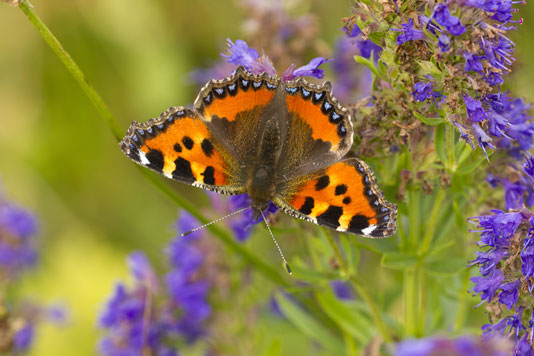
A protected area since 1967, the Murlough National Nature Reserve at the foot of the Mourne Mountains features a sand dune system in existence for 6,000 years. Follow a network of paths and boardwalks through woodlands, heaths and dunes to observe wintering wildfowl and wader birds, plus 720 species of butterflies and moths. Look out for the threatened Marsh Fritillary butterfly, distinguishable by its amber mosaic wings.

2. Walk with prehistoric monsters

London, UK

Stand alongside the mighty reptiles who once dominated our planet, by strolling along a fantasy trail enjoyed by the Victorians 150 years ago. Crystal Palace features more than 30 sculptures reconstructed from imaginings based on their fossilised remains. Meet the Megalosaurus and the Iguanodon, whose mould was famously split open to host a dinner party on New Year’s Eve in 1853. Visit cpdinosaurs.org.

3. Dive a shipwreck from WW1

Orkney Islands, Scotland

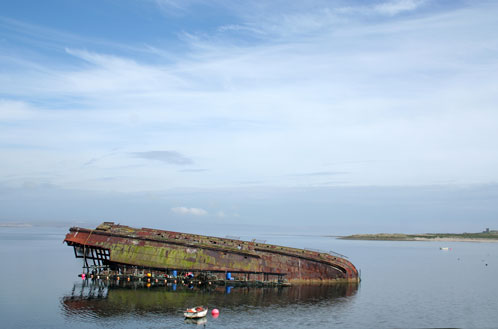
The shallow waters of the Churchill Barriers, a series of causeways in the Orkney Islands at Scapa Flow, are home to an eerie collection of submerged blockships. Deliberately sunken during the First World War to provide a blockade against enemy German forces, the vessels are now a popular spot for guided dives. Open to anyone with an Advanced Open Water qualification and drysuit certification, boat dives cost from £225 per person. Visit krakendiving.co.uk.

4. Learn to climb a tree

Isle of Wight

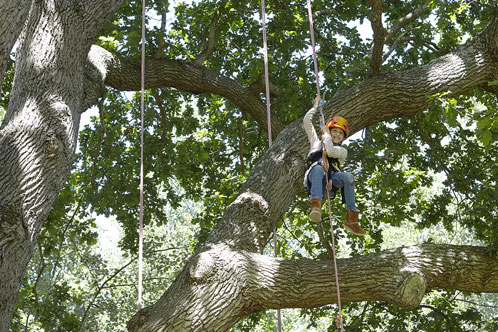
If you failed to master it during childhood, there’s still time to perfect the art of arboreal ascents. Goodleaf Tree Climbing runs three-day intensive tree-climbing courses, with qualified instructors sharing everything you need to know about using a harness and swinging through branches in the canopy. Training mostly takes place on turkey oaks, known for the strength of their boughs. From £345 per person (10% discount if booking two or more people). Visit goodleaf.co.uk.

5. Ride stallions through the surf

County Antrim, Northern Ireland

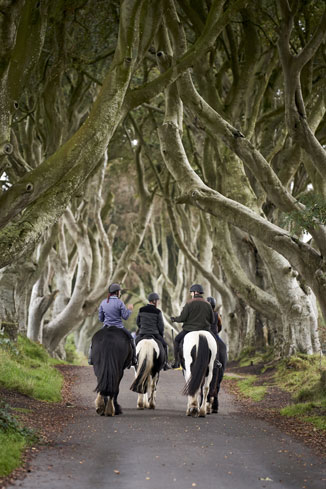
Explore the rough and tumble of Northern Ireland’s north coast on a horseback ride led by Danny McKinley and his team. Select your breed of horse and the pace of the tour, opting for a speedy gallop into the hills or a gentle amble along the beach. Learn about a traditional peat-cutting industry and visit several locations featured in Game of Thrones on a two-hour tour costing from £20 per person. Visit sheanshorsefarm.com.

6. Kitesurf without getting wet

Pembrokeshire, Wales

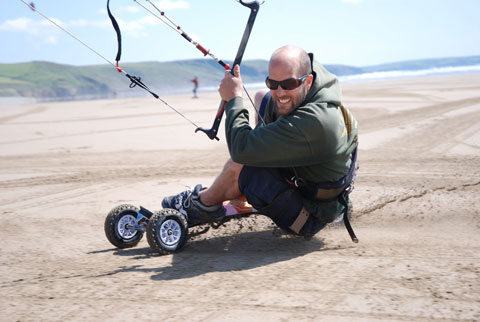
Using a sail attached to an oversized skateboard on wheels, kite landboarding allows you to skim surfaces without even touching water. Requiring less wind and power, it’s relatively easy to learn, and works as a foundation for kitesurfing – or even snow kiting should you choose to progress. Suitable for ages seven to 70, two-hour lessons cover launching, landing and flying skills. From £45 per person. Visit thebigblueexperience.com.

7. Mush and sled with husky dogs

Yorkshire, UK

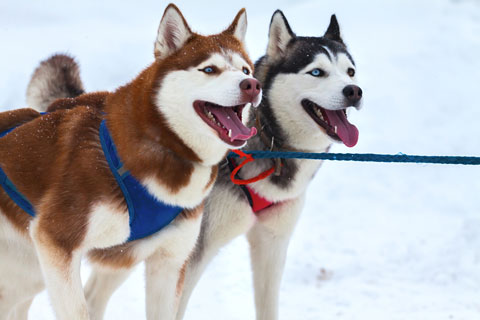
Replicate the experience of running a pack of dogs through Lapland’s icy wilderness, by harnessing a group of eager huskies on a dryland mushing rig. Discover the different commands used to control your canine team, then set off for an adventure around a 250-acre farm at Thornton Hall Country Park. If there’s a decent snowfall, guests have the option to switch to a sled. A two to three hour experience starts from £55 per person. Visit runwiththepack.co.uk.

8. Circumnavigate an entire country on foot

Wales

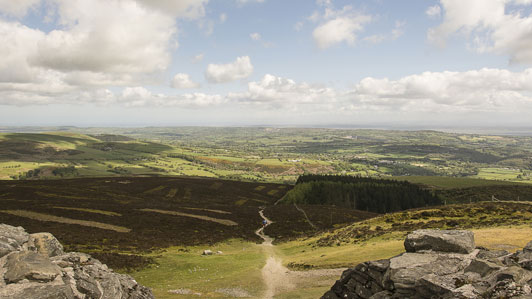
Connect two signposted pathways to literally hike around Wales, tracing its land and sea borders from end to end. By combining the Welsh Coast Path and Offa’s Dyke, ambitious ramblers can get a 1,047-mile workout – if they’ve got around eight weeks to spare. Alternatively, dive into sections, learning about history, folklore and wildlife through the free Wales Coast Path app.

9. Witness the aurora borealis

Northumberland, UK

Occasionally, when activity is strong, the northern lights can be seen at latitudes as low as northern England. Benefitting from a lack of light pollution and the reliability of clear skies, Northumberland’s international Dark Sky Park is one of the best places to find a place to perch and spectate. For a warm spot on a cold night, try the Kielder Observatory in Kielder Water And Forest Park.

10. Watch Shakespeare on a clifftop stage

Cornwall, UK

Overlooking the Atlantic Ocean, Cornwall’s Minack Theatre enjoys a spectacular location almost as dramatic as the plays it hosts. Watch actors run through a repertoire of classics at the open-air amphitheatre constructed in a granite outcrop and originally the garden of a private home. Shows are yet to be announced for the 2021 season. Visit minack.com.

Why having good neighbours can save you money

Good neighbours at McCarthy Holden estate agents

The importance of good neighbours came to the fore in 2020 and it is highlighted further, with this insight from the Press Associations finance correspondent Vicky Shay.

A priceless benefit

For many people, having friendly and helpful neighbours in their community is a priceless benefit. But according to a new report from Halifax, having good neighbours can translate to actual financial savings too.

Halifax estimates that those benefiting from neighbours’ acts of kindness save £165 per year typically.

From lending a lawnmower to picking up the shopping and looking after pets, it seems the benefits of having a good relationship with neighbours really can add up financially.

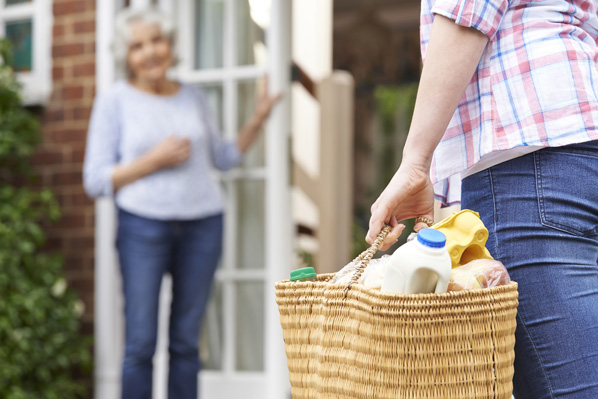
The survey of over 4,000 people found that the most common deeds performed by kind neighbours that save people money on their doorsteps include collecting groceries (12%), watering plants (10%) and looking after pets (8%).People said they receive some form of help from their neighbours three times a month typically, the bank’s ‘Community Counts’ report found.

On average, those who are getting neighbourly help receive 10 hours of support a month, with this increasing to 12 hours since the start of the pandemic. On average, the most time-consuming favour that people do for their neighbours is helping out with DIY, which typically takes 42 minutes.

Good neighbours at McCarthy Holden estate agents

The highest cash savings were found to come from neighbours looking after kids (with those benefiting make a saving £313 per year on average), helping out with cleaning (a typical £276 saving) and pet-sitting (saving £248 on average).

Saving money on taxis and public transport, nearly one in eight (12%) people surveyed have had a lift from a neighbour when they’ve needed one.

There are also benefits of convenience, as well as cash savings from having good neighbours.
More than half (52%) say their neighbours have taken in parcels for them when they’ve not been there to open the door, and more than a quarter (27%) get help with taking their bins out.

The types of tasks neighbours help out with have changed since the pandemic started, however. Halifax found people are now more likely to get support from neighbours picking up shopping, but less likely to need help watering plants, as more people have been staying at home – so can take care of these tasks themselves.

It’s likely that neighbours will increasingly help each other out in the future too.
A quarter (25%) of people surveyed say their relationship with their neighbours has improved since the Covid-19 crisis started. Only 3% said it had deteriorated.
A third (32%) would have found it harder to cope during the pandemic without their neighbours, rising to two-fifths (38%) of those aged 18-34.

Good neighbours would also be a strong factor for people in any future house moves, the research found. Nearly three-quarters (72%) of people say that if they were looking to buy a new home, having good neighbours and a strong community would be important, increasing to eight in 10 (81%) among people aged over-55.

To find your perfect new neighbour, why not start your property search here.

.

Rory the Vet: What your Family Should Consider Before Getting a Pet

TV vet Rory Cowlam advises on how to tell if your family is ready for a pet and how to choose the right kind. By Lisa Salmon.

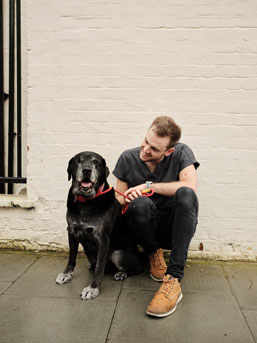
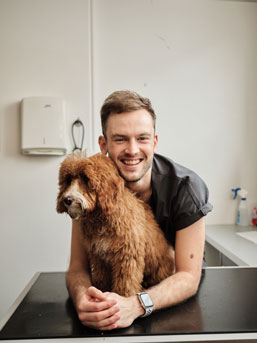
Vet Rory Cowlam has had an affinity with animals “from day one” and can’t imagine life without them at work or at home.

Now affectionately known as Rory the Vet and a well-known face on TV -playing a leading role in the CBBC show The Pets Factor as well as appearing on Blue Peter, BBC Breakfast and Lorraine – Cowlam wanted to be a vet from the age of four when his family got a great dane puppy, Lulu, who he says was “my shadow and best friend”.

The family had various other cats and dogs (all of them adored, but not quite as much as his “kindred spirit” Lulu), plus chickens and ducks, as he grew up in the Cotswolds countryside. And the Royal Veterinary College graduate now has his own lurcher puppy, Nala, who Cowlam says was abandoned by travellers and found by some children, who contacted the RSPCA, for whom Cowlam is an ambassador. And after she was wormed and given plenty of food, the lucky pup was adopted this month by Cowlam.

She’s only just moved in with him, so she doesn’t feature in his new book, The Secret Life of a Vet, but it contains many other both heart-wrenching and heartwarming tales of veterinary escapades, which vividly illustrate the depth of feeling vets have for many of the animals they treat. Cowlam, 28, admits he’s been known to shed a few tears when he’s had to put much-loved pets to sleep.

Not surprisingly, the affable vet, who shares a house with his younger sister and Nala in London, is a strong advocate of pet ownership – but only if the circumstances are right.

“In my opinion, having a pet makes a family complete,” he says. “Whether it’s a fish, guinea pigs, a dog or a terrapin, they all bring such joy. If you’re looking to add a pet to your family, make sure to do your research and choose the right pet for your family and circumstances. Do this, and you can’t go wrong.”

Here, Cowlam, who qualified five years ago and works at a veterinary practice, discusses what families need to consider if they’re thinking of getting a pet.

How can you tell if your family’s ready for a pet?

“It’s always a really hard decision working out if your family is ready for a pet – it’s not one to take lightly and it’s crucial to realise that if you go ahead, you have to put the pet first.

“A really important thing to consider is the cost associated with having a pet – you must be able to afford it and everything looking after it entails. This includes insurance, food, vet bills and other costs.

“The other thing to consider is do you have the time that a pet deserves and needs? They take up a huge amount of time and you have to consider whether you’re willing to sacrifice certain things to be home for them. If you can provide this though, it’s the most wonderful thing in the world.”

What do families need to consider before getting a pet?

“There are many things to consider, as I’ve already mentioned, but you also must consider whether the pet is right for your current circumstances. Things to take into consideration are where you live, whether you have young children, and whether you have the time and means to look after it. I really do urge anyone considering getting a pet to think long and hard about these things before going ahead.”

What are the best pets to choose to fit your family circumstances?

“This is such a difficult question, as it depends on all of the above. For example, a dog would require lots of time and training, whereas a goldfish requires very little! Make sure to thoroughly research your chosen pet before you adopt it though, to ensure you get the very best pet for your lifestyle. There’s lots of help and advice out there too.”

Which pets should particular families avoid, and why?

“There are few to avoid. I highly recommend rescuing; however, these are not always appropriate for families with young children. Again, please do your research before rushing into anything.”

What are the benefits of having a pet in the family?

“I’m a strong believer that children learn so much from pets that they wouldn’t otherwise be exposed to – for example, social skills and empathy. There are numerous studies that show pets not only help children but also benefit their mental health.

“I also believe they teach children responsibility as they realise they need to be looked after (given food, water, training, letting them out to the toilet, walking them etc for dogs).”

The Secret Life of a Vet by Rory Cowlam ls published by Coronet, priced £9.99. Available now.

×
Find a Property
M
Country & Equestrian
By submitting this form, you agree to McCarthy Holden using your personal data in accordance with our Privacy Notice.