7 Super Sustainable Buys for Summer

sustainable summer products

Has lockdown left you keener than ever to be more a conscious consumer? Abi Jackson rounds up sustainable options for sunny days out and beyond.

If you’re looking to shop more eco-consciously this summer, perhaps the best thing to do is try to buy and chuck as little as possible – only replacing items when they’re really worn out, and re-homing stuff we no longer need.

But if you are in the market for a few new things, there’s a growing range of companies set on making it easier to shop sustainably – many of them home-grown and local.

These seven summer buys have some impressive sustainability kudos, whether you’re splashing out on a fancy new backpack or just want to make picnics less wasteful…
sustainable summer products

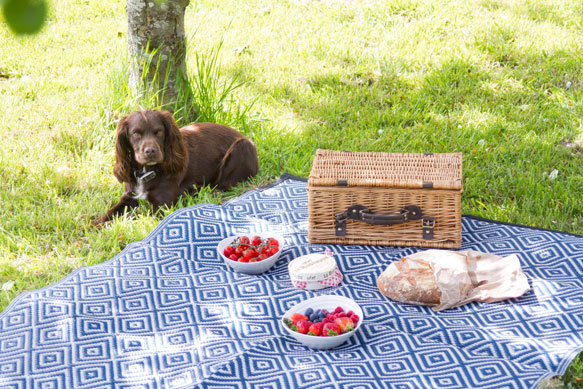
1. Recycled Picnic Mat, from £20 (lifeundercanvas.co.uk)

Made with 100% recycled plastic, these lightweight mats are water and mould-resistant, and can be wiped or hosed down when grubby. Available in a choice of colours and sizes, simply roll them up and pop in your kit for camping weekends, trips to the beach, park or even just the garden. Based in Wales, Life Under Canvas is run by a team of ‘passionate campers’ on a mission to help people ‘enjoy outdoor living without it costing the Earth’.

sustainable summer products

2. Waxyz, from £2.60 each (bplasticfree.com)

Scottish entrepreneur Catriona Mann launched Waxyz following redundancy in 2018 and then a trip to New Zealand, where she was inspired by the popularity of reusable food wrap. Working with a range of Scottish collaborators, the biodegradable, vegan-friendly, wax-coated cotton wraps are a plastic-free alternative to cling-film. Waxyz are easy to clean and said to last for a year or more, with loads of sizes and designs to choose from. Ideal for sarnies and flapjacks for those weekend walks and days out.
sustainable summer products

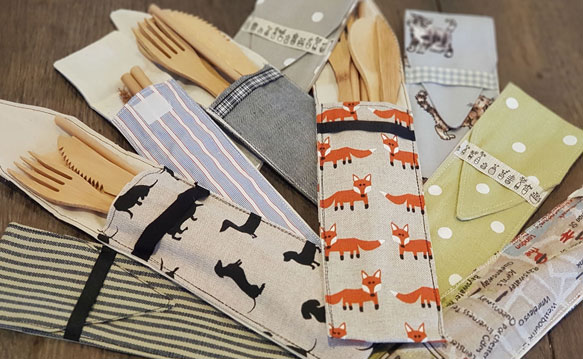
3. Bamboo Cutlery in Handmade Pouch, from £12.50 (loolyn.com)

Based near Belfast, LOOLYN is a ‘sustainable marketplace’ featuring a wide range of eco-friendly, plastic-free products – including a ton of items ideal for summer escapes near and far. If you prefer a picnic that requires cutlery rather than just fingers, but don’t want to lug the metal stuff around (or use single-use plastic), these cute bamboo kits will see you through the holidays and beyond.
sustainable summer products

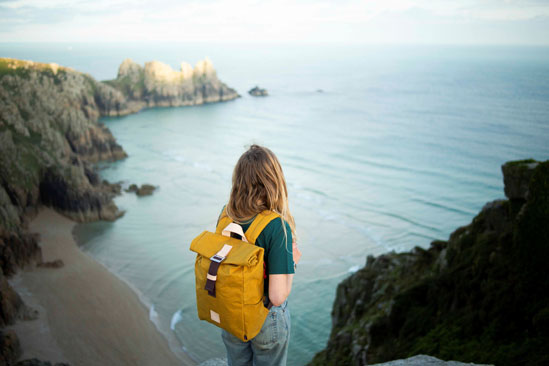
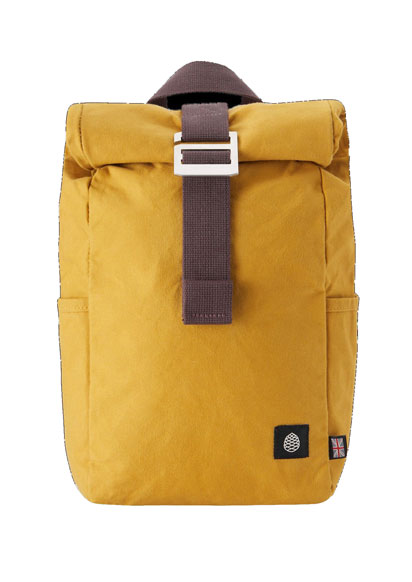
4. The Level Collective Winnats Roll Top Backpack, starting from £195 (thelevelcollective.com)

If you need to replace your backpack, and you’re in a position to splash out a little more on something super-sustainable, local and crafted to last, check out The Level Collective. Cornwall-based Mark Musgrave wanted to create a quality, ethical product that’s stylish, yet outdoor-friendly, and entirely UK-made. Featuring Scottish waxed cotton, webbing that’s woven and dyed in Cheshire, buckles crafted in Sheffield and wool padding repurposed from carpet manufacturing, these roll-top backpacks tick all the boxes. An investment to see you through many summer adventures and everything in-between.

sustainable summer products

5. OceanPositive Harlequin Swimsuit, £79.95 (life.fourthelement.com)

On the lookout for new swimwear this summer? Cornwall-based diving company Fourth Element’s OceanPositive range features gorgeous one-pieces and bikinis made from ECONYL from abandoned fishing nets and other waste that litters the oceans, and poses a serious threat to marine life. The nets are gathered up by divers before beginning the process of being repurposed for new life as swimwear. Even if you can’t make it to the actual seaside, you can totally rock these at your local lido.
sustainable summer products

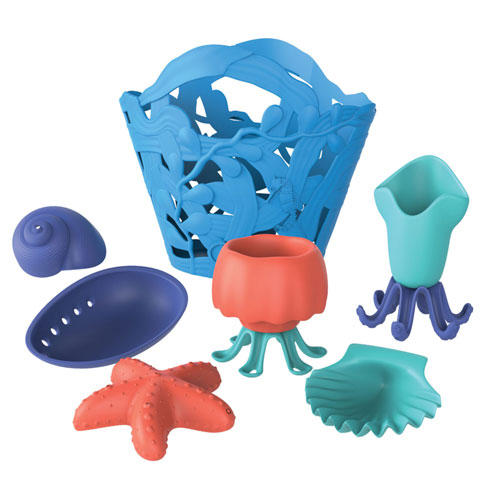
6. Green Toys Recycled Ocean-Bound Plastic Beach Play Set, £25 (goodthingsgifts.co.uk)

Kids love learning about the planet and how to protect it, so this fun beach play set will come with a great story and keep them amused for hours on the sand. Green Toys take waste plastic from global communities that lack recycling infrastructure – so would likely otherwise eventually end up in the ocean – and turn it into fab, eco-savvy toys. These are also non-toxic and contain no BPA, PVC or phthalates.
sustainable summer products

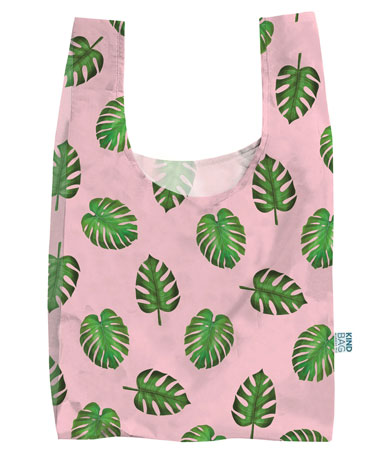
7. Palms Reusable Shopping Kind Bag, £10 (kindbag.co)

Everybody needs a roomy tote or two, that you can sling over your shoulder for shopping errands and shove blankets, snacks and water bottles in for days out. Kind Bag’s endless range of fun, colourful designs are bound to brighten up your day – plus each one is made from six recycled plastic bottles. They fold into a lightweight pouch when not in use and 10% of profits go to Just One Ocean, a charity committed to preserving the world’s seas for future generations.
What will the Gardens of the Future Look Like?

future gardens

Tougher plants, smaller plots and more communal spaces may all form the gardens of the future. Hannah Stephenson finds out more.

Gardens are extremely important for both physical and mental wellbeing – which has become increasingly apparent this year. But what are they going to look like in the future?

“We are finally starting to re-evaluate how we spend our leisure time and appreciate the real benefits, both mental and physical, that access to the outside world provides,” says award-winning designer Joe Perkins (joeperkinsdesign.com), who won a gold medal at the RHS Chelsea Flower Show last year with his Facebook-sponsored garden Beyond The Screen.

“These factors, along with our changing climate and the need to protect and support wildlife, will have greater significance for designers when it comes to planning gardens, and means that gardens could look radically different in 10 or 20 years’ time.”

Here, Perkins shares more thoughts on what gardens of the future could look like…

future gardens

Will gardens be smaller?

“As the price and pressure on available land becomes greater and we extend our interior living spaces, gardens will be smaller. We will see a mixture of balcony and roof space with limited outdoor areas at ground level.”

future gardens

What about lawns?

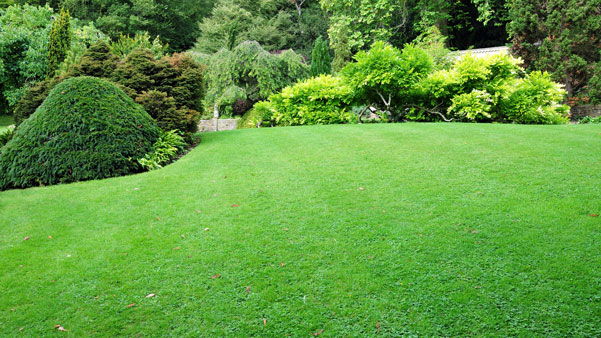
“Manicured lawns will become, for the most part, a thing of the past. Essentially a green desert for wildlife, they have little benefit and they will be replaced with either wildflower versions or removed and replaced with productive areas or larger flower and shrub borders.

“Social media is flooded with nature appreciation at the moment, so I hope that a more relaxed approach to gardens will start to emerge, with the focus less on control of wildlife and more in support of it.”

future gardens

How will technology play a part?

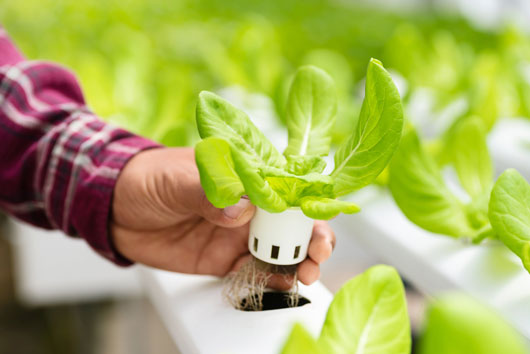
“Walls and boundaries will become clothed with plants and we could see advanced hydroponics being used to transform our spaces into hi-tech allotments, growing fruit and veg very productively with a minimum requirement for space, water and nutrients. We could even turn our roofs green to help improve air quality, as well as insulate our homes.”

future gardens

Will outdoor socialising change?

“Socialising has always been a priority in the garden, so I believe gardens of the future will incorporate more permanent places that we will use year-round. No more dragging the garden furniture out of the shed and dusting off the umbrella; we will have covered, heated areas for eating, entertaining and even working, now that we have all proved that we can do this from home.

“Practically, these areas will allow us to use make the most of the changing climate too, enabling us to escape the downpours and provide shade through the hotter dry spells.”

future gardens

Will plant choices change?

“Our plant choices will need to change and we will need to select varieties that are more resilient to extreme weathers, choosing plants that cope with high winds and flooding followed by long periods of hot dry weather.

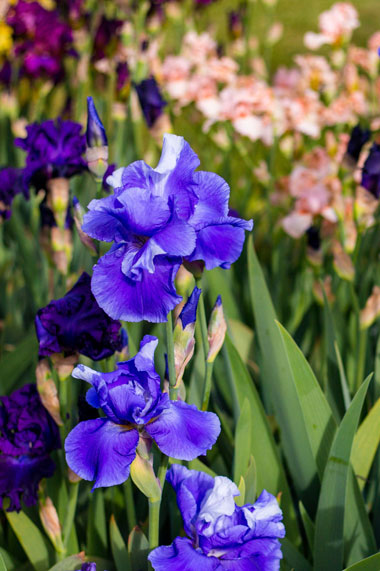
“Southern France, northern Italy and either side of the Pyrenees can provide us with inspiration and many of the plants that thrive there are familiar to us already. Iris pallida, agapanthus, many of the herbs, as well as tough characters like acanthus and cistus will work well.

“Some from further south, such as the European chain fern (Woodwardia radicans) and even the more exotic palms such as Phoenix canariensis will start to migrate northwards. We could even see abutilon, hibiscus or Prunus dulcis (almond) in drier parts of the UK such as East Anglia.”

future gardens

What will be the major emphasis?

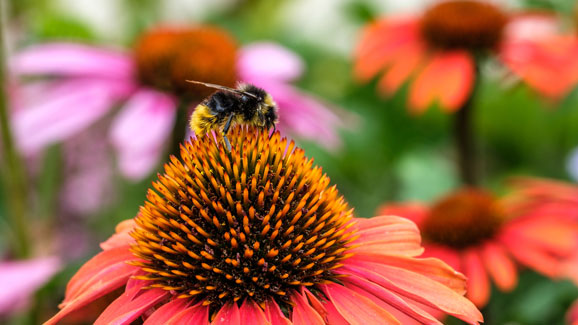
“Planting for pollinators is crucial, as we all know, but will become more so as the growth cycle of plants becomes longer. Higher average temperatures will mean earlier activity from animals such as the solitary bee.

“Providing food sources throughout the year for these creatures is something we should be thinking about as gardeners and designers.”

future gardens

Could smaller trees gain popularity?

“Trees have a vital role in mitigating flooding, alleviating rising temperatures, cleaning the air and preventing soil erosion and yet few people would contemplate planting one in their garden, let alone on their balcony.

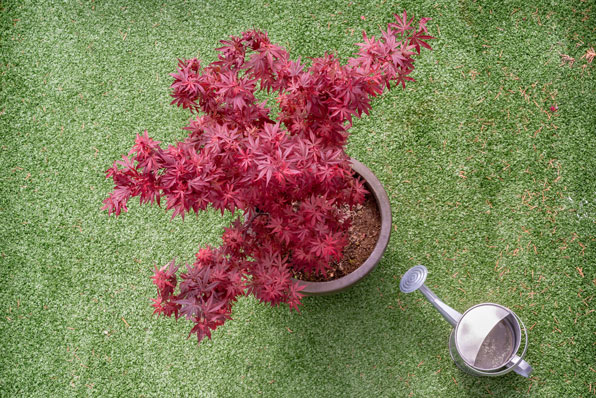
“Acer palmatum, Amelanchier lamarckii, Malus domestica are all varieties that can be grown in pots and have almost year-round interest with blossom, fruit and winter colour.

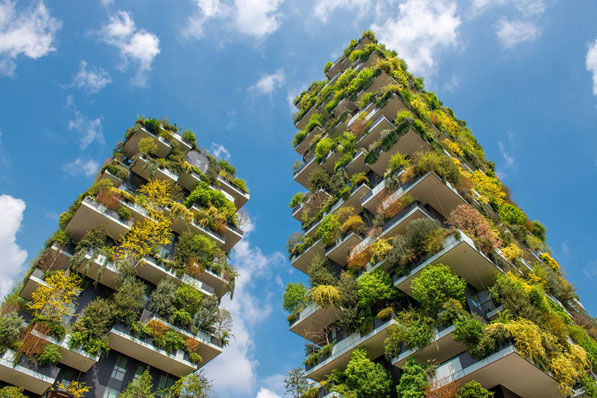
“We need to get behind creating urban forests. Think of the trees of Singapore that cloak the sides of skyscrapers. There are many small trees we can plant in our gardens which contribute to this urban forest: Crataegus persimilis ‘Prunifolia’, Malus toringo, Stewartia monodelphato.”

future gardens

What about communal gardens?

“I would hope we would have greater access to larger areas of communal gardens or landscapes, areas with diverse habitat and productive gardens, accessible for our enjoyment and wellbeing, especially when our collective mental and physical health is under threat, but which also provide critical homes for wildlife.”

5 Ways to Style a Small Garden or Outside Space

Only got a dinky yard or balcony? You can still transform it into a dream garden, as award-winning designer Ula Maria tells Hannah Stephenson.

Wondering how to style a small garden?

Whether you have a roof terrace, balcony, small back yard or patio, you can still create a dream design with some thoughtful planting and innovative additions, says award-winning designer, Ula Maria.

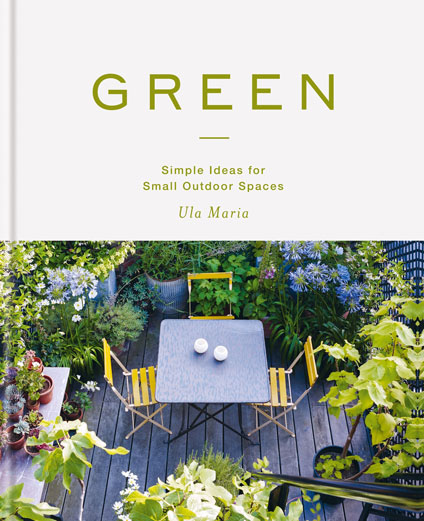
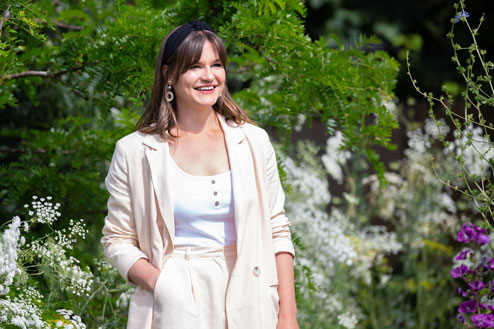
“Try to understand your space and what will grow there, the light levels, how much sun you get and where the shade falls, as well as the type of soil you have to work with,” says the former RHS Young Designer of the Year, whose new book, Green, offers design ideas for small spaces.

“Take inspiration and learn from nature, whether it’s artwork for colour or an aspect of past holidays, or something else which has inspired you,” she adds.

How big should the plants be in a small space?

“Don’t be too scared to bring in larger plants, because they always seem to make a small space appear grander,” says Maria. “If you are worried that planting a big tree may block your light, think about another statement plant, such as a tall grass. If you have a balcony garden, you may just want to include tall-growing perennials or something that will make a big impact.”

The book features a mixture of small and innovative gardens offering a range of design ideas. Here, Maria shares tips on five styles for inspiration…

1. Balcony garden

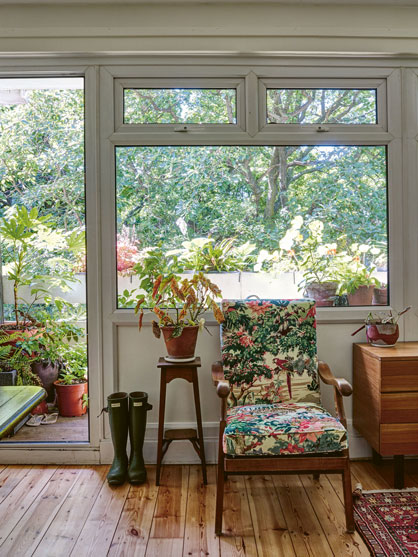
Merge florals inside with the balcony outside, she suggests, maybe in the form of a chair covered with a floral material which echoes the flora and fauna on your balcony. “It’s important to make the transition between inside and outside seem as seamless as possible,” says Maria.

Place houseplants close to the window of your balcony to enhance that connection and blur the boundary between outside and in

2. Contemporary Mediterranean

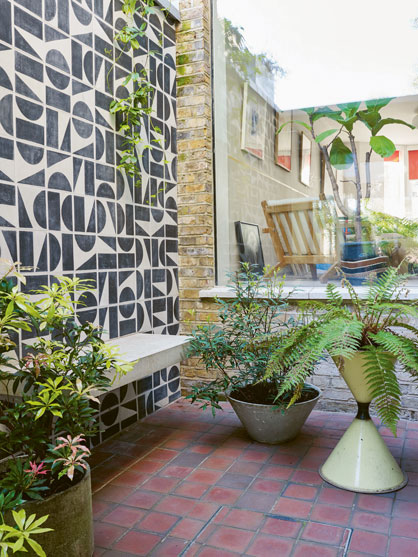
Use materials such as graphic tiles, presenting them in a contemporary way, she advises. Look for companies which sell reclaimed tiles and furniture for ideas. “You don’t have to do a whole wall. You could cover one section of a wall, creating an artwork,” Maria suggests.

If you have a busy wall, you may want to play safe with planting, sticking to green rather than going for a eye-popping colour contrast. “Try not to introduce more than two colours at a time, and see how it works. Ferns are good stalwarts. If you are using busy tiles, keep the planting simple.”

3. Romantic Idyll

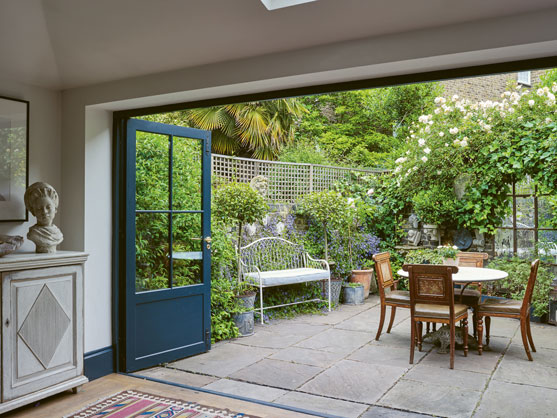
Create layered planting with soft, gentle hues, and use fragrance to create a small romantic space, she suggests.

This space has been assembled by an artist, layer by layer, using antique furniture, sculptures and planters to blur the boundaries of the garden and planting in layers to create different heights.

“Layers create interest because you have something to discover in every corner,” says Maria.

“Hydrangeas are great because they have these big, soft blooms. Ornamental roses also look brilliant, along with campanula and ivy, to create a fairy tale garden.”

4. Interior approach

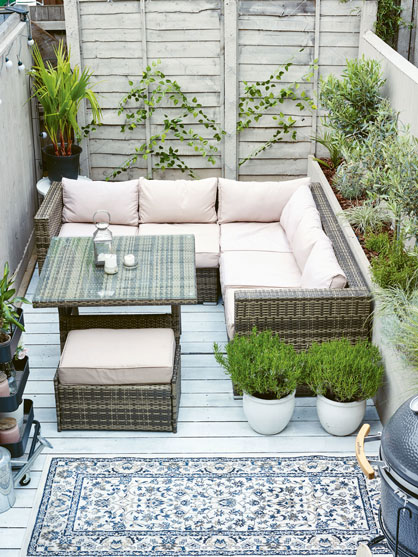
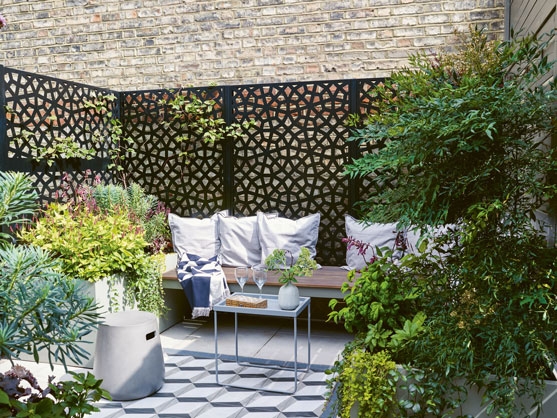
This style is for those who want their outside space to look like an additional room, featuring comfortable seating framed by flora and fauna. “There may not be many plants but there should be enough to create a sense of a garden,” says Maria. “It’s ideal for people who are too busy to maintain many plants.”

An inward-focused space enables you to forget what happens outside its walls. Outdoor rugs have also become a trend in recent years, giving the sense of extra outdoor living space.

If you’re worried about storage of garden cushions, consider buying furniture with in-built storage inside the seating framework, Maria suggests.

5. Container cottage garden

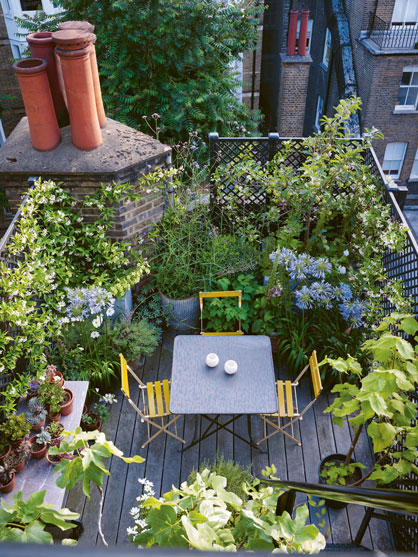
For people with a city garden or roof terrace with no natural planting area, but who still want to feel like they are in the countryside, make the most of containers. These will soon have your space overflowing with plants, Maria assures.

“Large agapanthus, verbena and rosemary add accent colour, texture and scent and you can even grow a fruit tree in a large pot,” she says.

“Plant a mixture of cosmos, lavender, foxgloves and lupins for a joyful and informal look. Experiment with growing herbs, vegetables and fruit in large containers for the full cottage-garden experience.

“Again, allow many layers for different types of plants,” Maria adds. “Containers also provide flexibility for those who one day might want to relocate their garden to a different home.”

Climbers such as clematis or jasmine will cover privacy panels and fill the air with fragrance.

Remember, though, containers can dry out fairly quickly, so consider installing a simple automated watering system if you’re not going to be able to water your pots regularly, she says.

Green by Ula Maria is published by Mitchell Beazley, priced £20. Available now.

Are we Harming Garden Wildlife with Plastics, Toxic Food and Bad Design?

dont harm wildlife

Dodgy seed mixes, plastic netting and leftover scraps can all hamper garden wildlife. Here's how to remedy bad habits.

World Wildlife Day is on the horizon, meaning gardeners will be thinking about how to attract more creatures to their plot through nectar-rich plants, bird food and good garden practices.

But what if you are killing your wildlife with kindness? Are you unwittingly putting out the wrong scraps for animals, creating a pond in which creatures become trapped, or tidying your garden to the detriment of nests and sheltering spots?

Here are some common mistakes gardeners make when trying to be kind to wildlife, and advice from experts on how to keep wildlife safe.

dont harm wildlife

DON’T… Serve up fat balls in plastic netting

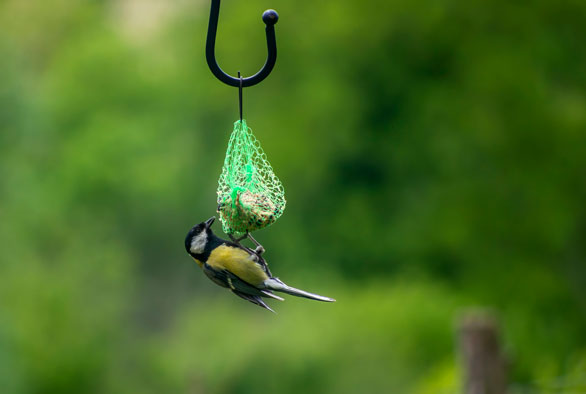
Peanuts and fat balls are regularly sold in nylon mesh bags. Never put out any food in mesh bags, the RSPB (rspb.org.uk) advises. These may trap birds’ feet and even cause broken or torn off feet and legs. Birds with a barbed tongue, such as woodpeckers, can become trapped by their beaks.

Instead, hang a half coconut filled with fat balls in a tree or from a bird table, the RSPB advises.

DON’T… Feed birds dodgy seed mixes

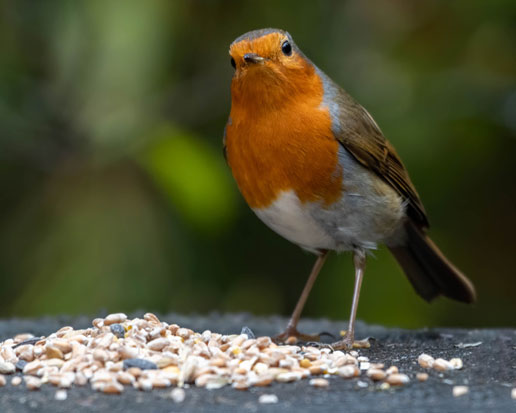
The RSPB advises bird lovers to avoid seed mixtures containing split peas, beans, dried rice or lentils, as only the large species can eat them dry. They are added to some cheaper seed mixes to bulk them up. Any mixture containing green or pink lumps should be avoided as they are dog biscuit, which can only be eaten when soaked.

Poor quality peanuts can carry the aflatoxin fungus, which can kill birds if they eat it. Instead, make sure you buy peanuts that are guaranteed aflatoxin-free from a reputable supplier. And buy seed mixes from a reputable source such as the RSPB, checking which species the mix is likely to attract before you buy.

dont harm wildlife

DON’T… Use pesticides

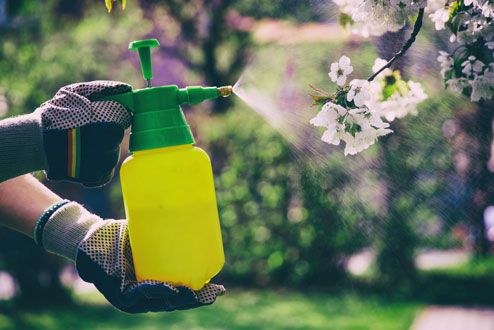
Many gardening experts agree that chemical pesticides are mostly non-specific, so will destroy beneficial insects as well as the nuisance ones, which will then start to upset the balance of nature.

Instead, go organic and opt for different methods. You can use beer traps or hand-pick slugs and snails off your plants after a downpour, wipe or wash aphids off badly affected plants as they appear, and use parasitic nematodes as a biological control for vine weevil.

DON’T… Cut hedges at the wrong time

Resist cutting hedges and trees between March and August, as this is the main breeding season for nesting birds, although some birds may nest outside this period, says the RSPB.

dont harm wildlife

DON’T… Box creatures in

You may love seeing creatures visit your garden, but wildlife is not a pet, and should be free to roam in and out of the garden. So don’t box wildlife in with mile-high fencing – a hedgehog, for example, needs to walk a mile a night searching for food and a mate.

Instead, create safe corridors from your garden to the one next door, by making gaps at the base of your fence.

Also, let some of your lawn grow longer. Voles, shrews, frogs, toads, beetles and hedgehogs like to move through long grasses rather than out in the open, the RSPB advises.

DON’T… Tidy your garden too much

If you remove all your leaves and other garden debris from your beds and borders, you’re effectively depriving any visiting wildlife from shelter and food.

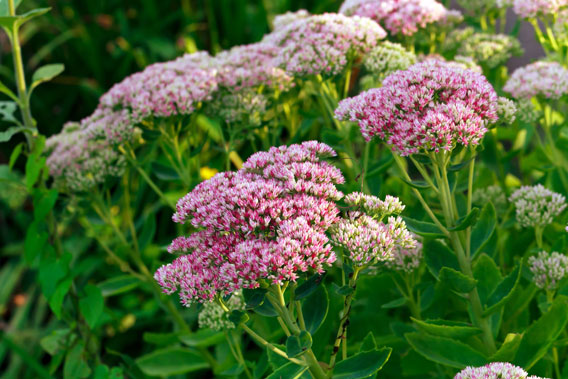
Instead, tidy up (if you have to) in spring, when wildlife is waking up rather than going to sleep. And at least plant some strong perennials such as Sedum ‘Herbstfreude’ whose seedheads will be left standing when you prune the rest, to provide birds and insects with shelter and food.

When pruning, save some of the bigger branches and logs to make a log pile in a quiet, sheltered part of the garden, which will provide insects with a haven in the cooler months.

dont harm wildlife

DON’T… Let creatures drown

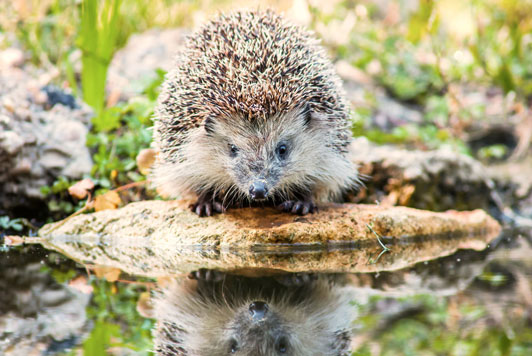
Yes, wildlife will always be attracted to water, but getting in and out of a pond can be tricky if the pond has a hard edge that sits above the water level. Hedgehogs, for instance, are adept swimmers, but if they can’t climb out of steep-sided ponds or pools, they will drown.

Instead, use a pile of carefully positioned stones, a piece of wood or some chicken wire to create a simple ramp to allow creatures to exit, Hedgehog Street (hedgehogstreet.org) suggests.

DON’T… Give milk to hedgehogs

You may be tempted to treat your visiting hedgehog to a bowl of milk instead of water, but it doesn’t agree with them and can cause diarrhoea, says the RSPCA. Instead, give them a shallow bowl of water and some additional food, such as meaty cat or dog food, and hedgehog food.

dont harm wildlife

DON’T… Think that only the most showy blooms will attract insects

Flowers that come from intensively bred plants, with huge double flowers, may not offer much to visiting insects in the way of nectar.

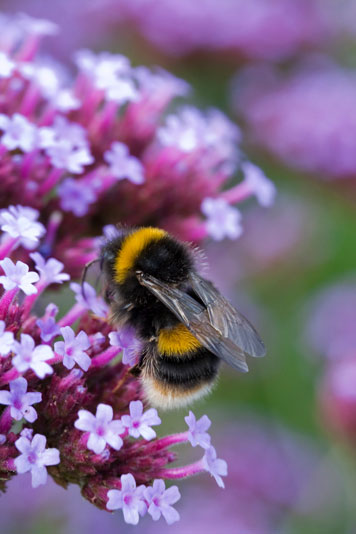
Instead, go for good nectar plants including foxgloves, wallflowers, Verbena bonariensis and heleniums, as well as herbs including chives, borage and rosemary. For a list of nectar-rich plants visit the RHS (rhs.org.uk) .

World Wildlife Day is on March 3. For details go to wildlifeday.org.

Eco-Friendly Decorating Ideas for a more Planet-Friendly Home

eco designer homes

Want your homeware and decor choices to be more sustainable? From reclaimed timber to recycled kitchen tops, Gabrielle Fagan checks out the options.

We’re all aware of the need to look after our environment – and where better to start than at home?

Luckily, more and more companies are embracing eco-friendly approaches and solutions, and designers are becoming ever-more inventive and innovative in their use of recycled materials to create desirable homeware – so you don’t have to sacrifice your style for your principles.

“Year-round, we consistently see people searching for inspiration on Pinterest to shop and live in ways more mindful of the environment,” says Enid Hwang, culture and community manager at Pinterest, who’ve seen a 108% increase in searches for sustainable lifestyle this year.

The site notes that September, when summer holidays are over, is the ‘back to life’ period – when, feeling renewed and refreshed, people look for ways to make small changes in their lives, such as recommitting to their environmental efforts.

“We’ve seen that reflected in searching for sustainable items for their homes, like recycled materials, eco paint and even bamboo bedding. Sustainable lifestyle choices are now a major theme for many Pinners,” notes Hwang.

Need some inspiration? From wallpaper and paint, to furniture and accessories – follow our guide to creating a home to match your values…

eco designer homes

Paint it green

Some house paints use casein – a protein derived from milk or beeswax as a binding agent – while others use ingredients that have been tested on animals.

Mindful of this, the Duke and Duchess of Sussex chose Auro, a non-toxic vegan paint which is also child-friendly, when they decorated baby Archie’s nursery. Auro Coloured Emulsion, from £48 for 2.5L; Wood Paint – Satin, from £16 for 375ml, AuroPaint.co.uk.

A lot of paints contain high levels of VOCs (volatile organic compounds), which emit solvents into the air that are associated with causing dizziness and headaches, and may affect those with allergies.

Crown’s Breatheasy Coloured Emulsion range is 99.9% solvent-free and certified under the asthma & allergy friendly Certification Program.

The Breatheasy range starts from £14 for 2.5L of emulsion and, a further plus, comes in containers made of 100% recycled plastic, which are fully recyclable once empty and clean.

eco designer homes

Paper and plant

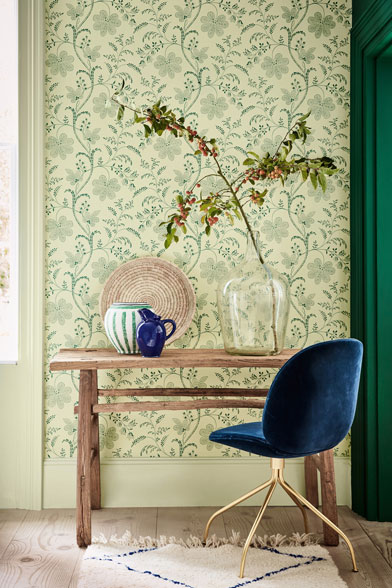
The desire for wallpaper with good eco-credentials is growing, and Little Greene not only has great designs, but sources and uses paper from certificated sustainable forests.

“We manufacture our wallpapers in the UK and for every tree used four more are planted,” says Ruth Mottershead, Little Greene marketing director.

“Wallpapers are printed using non-toxic pigments and our high-quality wallpaper paste contains no solvent.”

Their London Papers V range, a collection of authentic heritage designs, starts from £73 a roll.

eco designer homes

Recipe for eco cooks

If you want to cook up a storm but reduce your carbon footprint, sustainable timber is a good choice for kitchen units, worktops and flooring.

Deforestation is a major environmental issue that’s contributing to global warming, so look for the FSC (Forest Stewardship Council) ‘tick tree’ logo, which signifies it is certified timber that comes from well-managed forests and/or recycled materials.

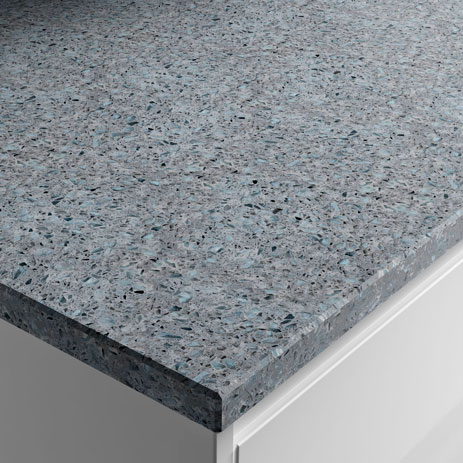
Make sure worktops don’t let the side down. Wickes offers worktops made from recycled materials in its range of kitchens.

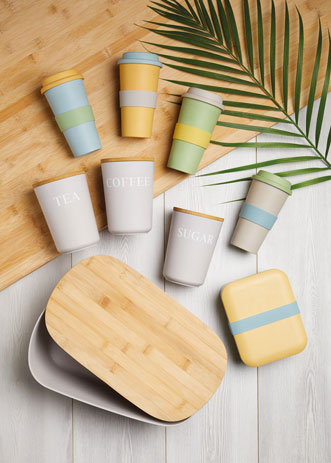
Details count and bamboo kitchen containers are an excellent alternative to plastic (they look lovely too). Bamboo is a highly renewable, fast-growing natural material with antibacterial, anti-fungal properties, and it’s biodegradable.

eco designer homes

Lie back and think of the planet

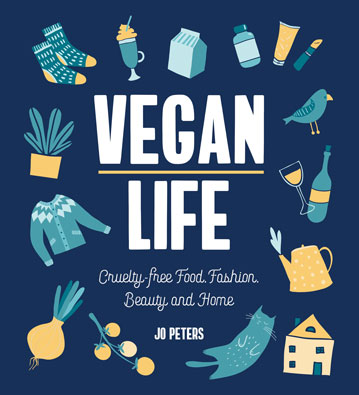
You’re setting the bar higher if you want a purely vegan lifestyle – but it’s perfectly possible according to Jo Peters, author of new book, Vegan Life: Cruelty-Free Food, Fashion, Beauty And Home (Summersdale, £12.99).

“Vegans prefer to avoid using materials that come from animals, which can make home furnishing seem like a challenge at first,” she acknowledges.

“But, as with stocking your fridge, once you’ve sussed out what to avoid – and found some reliable suppliers of alternatives – you’ll be able to make ethical choices in every room.”

In her handy guide, she highlights the main culprits to avoid in home furnishings: Leather (and suede), wool (and felt), silk, down, fur and cowhide. She also points out that “when choosing a new couch, remember that you’ll need to consider the padding materials as well as the cover.”

That said, it’s useful to remember that making use of pre-existing leather, wool, etc, items that are still in good condition, is generally more planet-friendly than throwing things away only to replace them with new plastic ones!

eco designer homes

Reclaim and rejoice in style

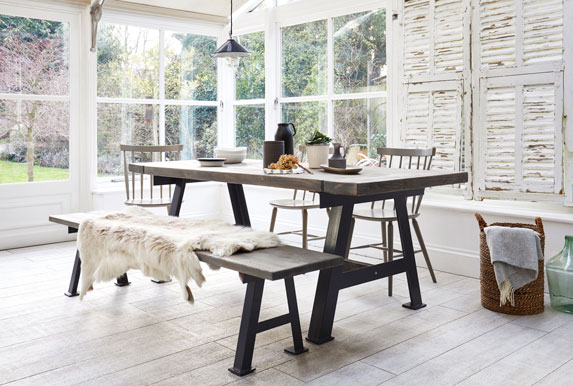
“As everybody becomes more eco-aware, the demand for sustainable furniture that is kinder to the planet is on the rise,” says Ben Adams, co-founder and master craftsman of Rust Collections, creators of sustainable rustic-luxe reclaimed pieces made from locally salvaged timber. They also use oak certified by the FSC.

“By using local recycled wood, we keep transportation miles down and give new purpose to a material that’s already had a life, and in doing so, the carbon footprint is kept very low,” explains Adams.

“Keeping the use of freshly-milled timber to a minimum also means putting less pressure on our natural timber resources, preserving more for future use.”

eco designer homes

Material concerns

“Over the last few seasons at Habitat, we’ve seen a definite increase in demand from shoppers who are obviously interested in purchasing designs made using recycled and sustainable base materials,” says Siobhan McMillan, head of buying for Habitat.

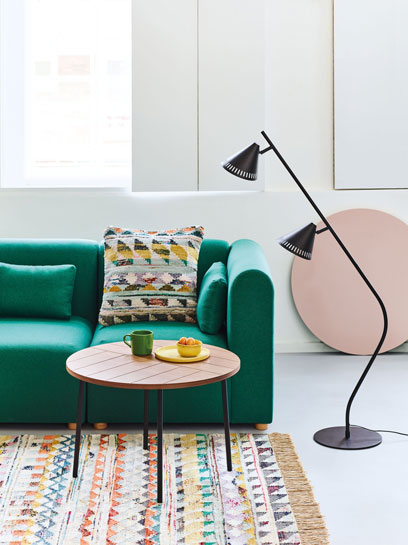
“In textiles, we’re working with suppliers to increase the amount of designs made from fabric that is recycled from the fashion industry. Fabric off-cuts that would have otherwise been thrown away are instead re-dyed and woven to create new rugs and cushions, and we’ve increased the amount of patterns available.”

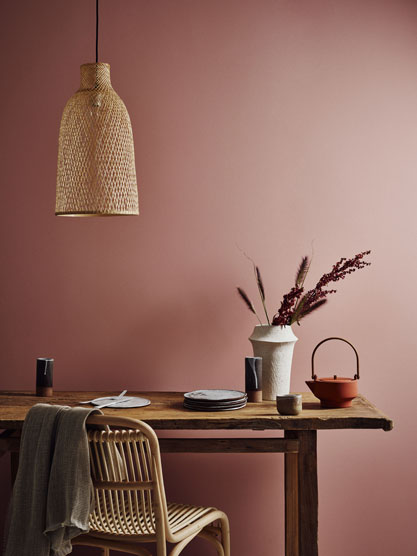
In lighting, she notes, there’s a growing demand for designs made from sustainable, fast-growing rattan and bamboo, with three-out-of-five of Habitat’s current bestselling shades made from these natural base materials.

eco designer homes
×
Find a Property
M
Country & Equestrian
By submitting this form, you agree to McCarthy Holden using your personal data in accordance with our Privacy Notice.