9 Top Tips to Make the Most of a Small Kitchen

small kitchen tips

Small can be beautiful and - crucially in this case - functional too. By Luke Rix-Standing.

In the modern world of cramped shoe-box flats and sardine-tin apartment blocks, space is a rare and valuable commodity.

Wave goodbye to extended worktops, double-door refrigerators, and luxurious kitchen islands – particularly in urban areas, these are now myths from a bygone age for many of us.

When space is scarce, kitchens are often the first to feel the squeeze – there’s no headline floor-filler in this room, like a sofa or bed – but there’s no need to let that cramp your cooking.

Here’s how to keep livin’ it large, even with the most modest kitchen…
small kitchen tips

1. Purge the unnecessaries

Be totally honest with yourself – do you really need that candy floss maker, that ‘pizza oven’ that’s actually just a small oven taking up half the counter top, or that margarita maker you used once back in 2013?

“It’s the number one mistake people make,” says professional organiser, Vicky Silverthorn (youneedavicky.com). “Putting the contents of a four-bedroom house into a two-bedroom house, and keeping gadgets that come out only occasionally. The fondue set, the avocado slicer, the large dinner platters for people that don’t have dinner parties… Ask yourself what you’d prefer – the space, or the appliance you use once a year?”

2. Think vertically

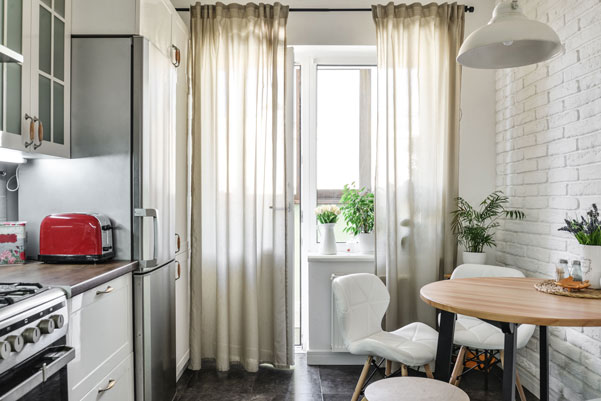
Floor space is not the be all and end all, and for those blessed with high ceilings, it’s crucial to cash in. Add extra shelves above your cupboards, or use the tops of your cupboards as extra storage space.

Time and budget allowing, you could install a vertical, sliding drawer, which may single-handedly take the place of a pantry. Think of your kitchen like a maths question – you’re calculating the volume, not just the floor area.
small kitchen tips

3. Use your corners

Corners are notoriously difficult to utilise, but unless you’re living in a water tower, every room has at least three or four of them. Wraparound corner shelves are shoo-ins for storage-starved kitchens, while floor lights and tables can be slotted in with ease. In most rooms, corners are dead space; in a small kitchen, they’re an opportunity.

4. Store in adjacent rooms

If your home is relatively spacious, and it’s just your kitchen feeling the squeeze, you can always store non-perishables elsewhere. There’s just no need to clog your kitchen cupboards with piles of pasta and tinned beans, when they could live just as happily somewhere else in the house.
small kitchen tips

5. Keep it tidy

Kitchens are supposed to be functional, efficient spaces, tailored to minimise the inherent pressures of cooking – and to keep a clear head when things get steamy, you need a clear work surface.

“It’s about putting the items that you have in the correct spaces,” says Silverthorn, “and there is no one-size-fits-all. Look out for gimmicky plastic containers that only contain a few tins – not everything needs to live in a basket, despite what Instagram says. Get stackable storage containers, or containers that fit inside each other when they’re not being used.”

6. Clever colours

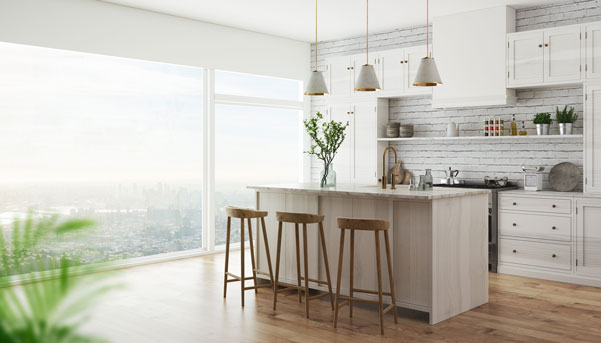
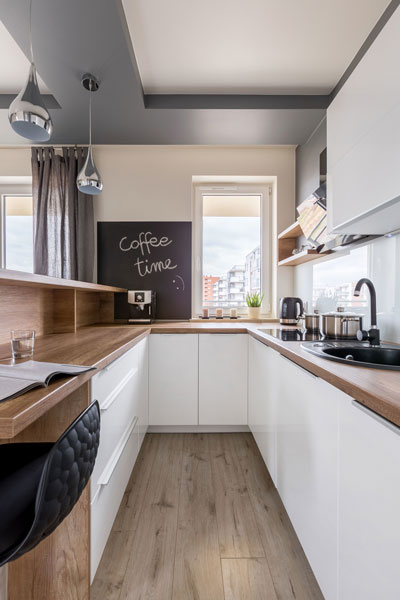
Just because your kitchen is small, doesn’t mean it has to look small. Consistent colouring helps a room feel fluid, while bright blocks of contrast colour can quickly become claustrophobic (although there are no hard and fast rules!), so consider keeping your scheme to a two-colour maximum.

Lighter colours invariably feel airier – whitewashed kitchens are increasingly common – while reflective surfaces like mirrors lend depth.
small kitchen tips

7. Tactical lighting

How large a room looks is as much about your perception as its actual size. Natural light bathes your kitchen in a vivid glow, imitating the wide open spaces of the great outdoors, while poorly-lit areas very quickly feel poky.

Artificial light is where the buck stops after-hours, and you want to mix up overhead sources with table lamps or wall lights. Accent lighting lends contrast between different parts of a room, which inevitably leaves your kitchen looking larger and more varied.

“I love lights that dim in a kitchen,” says Silverthorn. “It gives the bright, vibrant light for the morning and afternoon but can then turn cosy for when you’re winding down.”

8. Space-saving gizmos

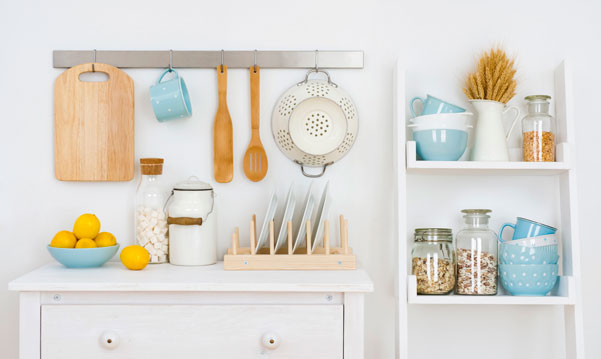
Extravagant gadgetry generally takes up more space than it saves, but there are a few specific products that earn their place. Try a magnetic knife holder – a strip on the wall that holds knives and other metallic implements – or pick up a chopping board that sits atop your sink.

Anything that can be hung should be hung. Hooks on the undersides of shelves are a go-to for mugs, while large utensils can be well catered for with rails and racks.

small kitchen tips

9. Double up

Going back to gadgetry, even seemingly sensible tools can often be economised, and canny buyers can squeeze two tools into the space of one. “Employ multi-purpose kitchen utensils,” says Silverthorn, “you’re automatically saving space.

“I’ve been working with Brabantia (brabantia.com/uk),” she adds, “and their new Tasty+ range is full of them. There’s a spatula that’s also a fork, a skimmer that’s also a ladle, a spaghetti spoon that’s also got a measuring tool in it. You’re instantly halving the utensils in your kitchen.”


Tricky Neighbours? Here’s how to Avoid Disputes – or Deal With Them Wisely if they do Crop Up

tricky neighbours

Living next door doesn't mean you'll always get on, but nobody wants a stressful fall-out. By Luke Rix-Standing.

Neighbours often rank up there with the in-laws on the list of people it’s really useful to get on with.

You live literally side-by-side – but just as with the in-laws, that doesn’t mean you automatically get on.

So what are neighbours battling over, and how should you handle a dispute with a tricky neighbour, whether it’s across the garden fence or in the courtroom? We talked to Dr Mike Talbot, CEO of conflict resolution experts UK Mediation, for his thoughts on the matter…

tricky neighbours

Causes of concern

Noise complaints frequently rank among the most common cause of neighbour irritation, particularly during summer with children off school, outdoor DIY projects, sizzling barbecues, and long evenings out on the patio all taking place.

Boundary issues involving shared spaces or fences also commonly cause consternation. “Plants come up quite a lot,” says Dr Talbot. “If my neighbour’s plant is growing through my fence, and I cut it off or lay down weedkiller, in their eyes I might have killed their plant.”

Party walls are as contentious as they ever were, and there’s even a designated organisation – The Faculty Of Party Wall Surveyors (fpws.org.uk) – devoted to the complexities they pose.

The hardest issues to resolve involve lifestyle – fundamental behaviours that residents are unwilling to change. “Cooking smells can be contentious,” says Talbot. “Plus late-night parties, drinking or smoking cannabis in the garden – especially when the neighbours are of a more conservative disposition. Things can get quite heated.”

If required, remember that your local council has a duty to investigate so-called ‘statutory nuisances’ – any disturbances that could be damaging to a citizen’s health. These include noise pollution, light pollution, and conventional pollution like dust, smoke, or a build-up of rubbish.

tricky neighbours

Build a relationship

Without meaning to sound flippant, the easiest way to make up with your neighbour is to not fall out in the first place, and in order to have a good relationship with them it helps if you know who they are.

“We’re less inclined to know our neighbours these days,” says Talbot, “so sometimes your first conversation with your neighbour is when you’ve got a dispute.” Even an occasional ‘hello’ in the driveway helps build some sort of rapport, which can give you invaluable credit when you need to raise an issue.

Not knowing your neighbour also means you’re less likely to pipe up when you first have a problem, which allows resentment to build and fester. Talbot says it’s the number one problem he encounters: “If you wait ’til you’re really annoyed, you can’t disguise your anger. The other person will then feel attacked and lash back, and that’s when things can go to a really bad place.”

So loving thy neighbour may be a big ask, but let’s start by at least knowing their name.

tricky neighbours

Mind your manners

When you do need to go knocking, pick an appropriate time, and, without meaning to patronise, play nice. “Don’t go round at 10 o’clock when you’ve had a can of something,” says Talbot, “and be prepared to take a conciliatory approach.”

If you’re really nervous, you could write your neighbour a note, or where appropriate go through their landlord – but it’s generally best to at least start with face-to-face communication.

“I always say listen first,” continues Talbot. “Speak to your neighbour and see what their take is – there’s often a good reason and you want to let them know you’re taking that into account before putting across your perspective. Collaborate with your neighbour to take on the problem, rather that taking on your neighbour ‘as’ the problem.”

Be particularly cautious when discussing the behaviour of unruly children, as even an implied slight on someone’s parenting will generally go down like a pint of warm beer.

“It complicates things massively,” says Talbot, “as you tend to get clashes of values. One neighbour might be happy to let their kids come home at two in the morning, while the other might be disturbed by the noise, but also by the values. When people start calling each other bad parents, it takes on a new dimension.”
You’re trying to come to a consensus, so however stuck-up/irresponsible you consider your neighbour to be, try to keep value judgements to yourself.

tricky neighbours

The letter of the law

We were going to run through the legal specs you might need for different situations, but it’s complex, scenario-specific, and generally not something you want to get involved in if you can help it. Talbot recalls one case in which mediation was called in after a two-year stretch of litigation, in which the two parties had already incurred £30,000 in legal fees apiece.

It also might not work. While informal methods like mediation emphasise compromise, in law there’s often a winner and a loser, and formal settlements will show on the deeds to your house as and when you decide to sell.

The courts are well aware of these difficulties, and sometimes won’t even hear the case unless forced. “These days, judges will ask: ‘How have you tried to resolve this?’ And they don’t want to hear you’ve gone straight to litigation. They’ve even sent cases away.”

If you do decide to explore your legal rights, don’t make the classic mistake of using Google. “Thanks to the internet, people selectively find articles that give them the version of their rights they want to hear,” says Talbot, “and interpret legislation for their own ends.” If people actually want to know their rights, says Talbot, speak to Citizens Advice, or book in a consultation with a lawyer.

Weave Some Magic at Home, with New-Wave Rattan, Raffia and Bamboo.

modern rattan decor

No longer confined to retro schemes and conservatories, nature's most versatile materials are making a stylish comebacks, says Gabrielle Fagan.

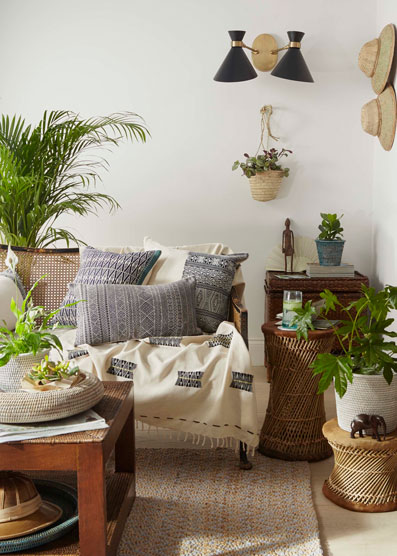
We’re all waking up to the magic of weave, with rattan – that blonde, slim, easy-on-the eye material – enjoying a starring role in homes right now.

Pinterest and Instagram are full of stunning examples of how rattan can lend a ‘wow’ factor in a way that solid wood simply can’t, and it’s totally in tune with our growing desire for natural products and organic designs in our living spaces.

modern rattan decor

Rattan was a huge hit in the Seventies, a trend that stuck for at least a decade, and has endured as a staple of the conservatory – but perish the thought that this is just a predictable reincarnation.

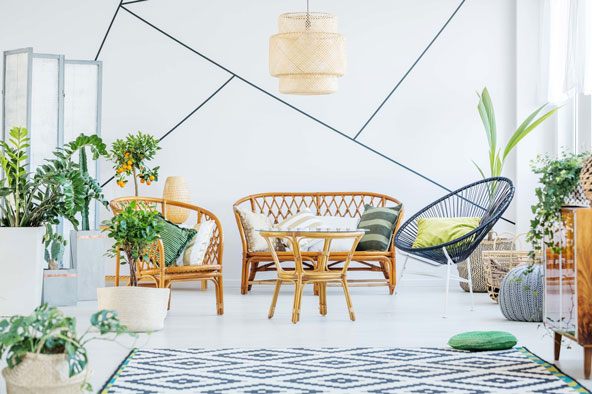
Designers have so transformed it, with punchy colour and imaginative chic new shapes, that pieces are good-looking enough to be focal points in all areas of the home.

Not only that – they’re seemingly so entranced by all things woven right now, they’ve also turned their creative attentions to raffia, bamboo, and even simple straw.

modern rattan decor

“Rattan really is the ‘super food’ of the homeware world,” declares Sophie Garnier, founder of Kalinko (kalinko.com), specialists in hand-woven rattan furniture and accessories made in Burma.

“Practically, the material is solid all the way through the vine, which makes it incredibly strong, and its flexibility means it can be woven into any shape. It also accepts paints and stains like wood, so can be made in a variety of colours and finishes.”

Not least, it’s a good choice, Garnier points out, if you want to burnish your eco-credentials. “It grows very quickly all year round and is harvested without harming the tree and also grows back very enthusiastically, so an A-star for sustainability,” she enthuses.

Lightweight yet sturdy, it can also look fresh and modern depending on the shape and finish you choose, notes Garnier.

Summing up its appeal, she says: “It brings the essence of the outdoors inside, which is very soothing and, while an obvious choice in the summer, will look great all year round in both classic and contemporary homes.”

What are you waiting for? Work the weave at home, with a variety of beautiful products…

modern rattan decor

Keep it light

Woven furniture won’t dominate a space, which makes it ideal for compact spaces and especially good for renters as it’s easily transportable, says Kate Butler, head of product design at Habitat.

“Fast-growing materials like rattan and bamboo are increasingly becoming key materials for us, and we’re incorporating these strong and lightweight materials into more modern designs that take advantage of their versatility,” she explains.

“They allow us to create more interesting 3D shapes, from fluid curves to angular forms, so we’re moving away from traditional rattan associations – which confined it to the conservatory – to more inspirational, contemporary ideas for the home that allow you to add more personality to a space.”

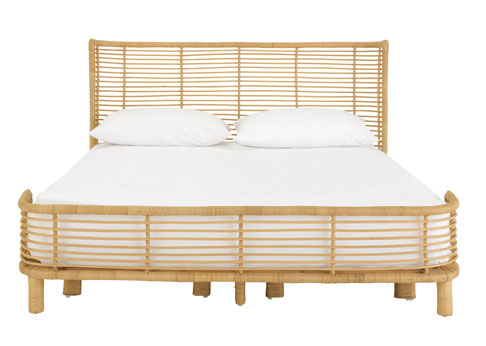
She highlights the Nadia bedframe (designed by Matthew Long), made from four individual rattan sections which clip together for easy assembly, and Habitat’s range of rattan light shades, which simply fit over a bulb.

modern rattan decor

Mix ‘n’ match

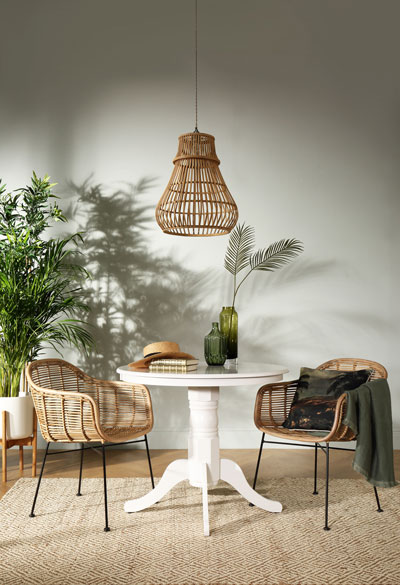
Double up for maximum effect – two chairs are better than one because they’ll look as though you’ve committed to a style, rather than bought a random piece.

If you want to make a statement, choose a rocker or a classic Peacock-style chair. The latter with its high back, which is also called a fan chair, originated in the Philippines and its striking style has featured in many iconic photographs over the years.

modern rattan decor

Scene-stealer seats

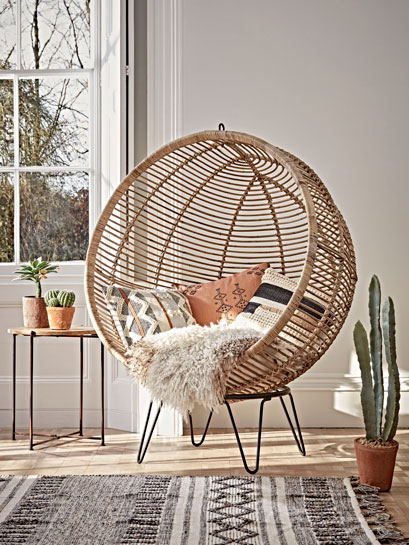
If you like a laid-back vibe, hanging chairs are ultra-fashionable currently, and Cox & Cox has an open weave Round Rattan Cocoon Chair, £650. It comes with a stand or a hook so it can be hung from the ceiling. Enhance the cosiness by draping with a Curly Sheepskin – Natural, £175.

modern rattan decor

Store & stun

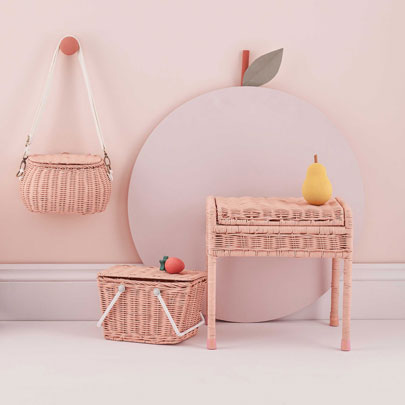
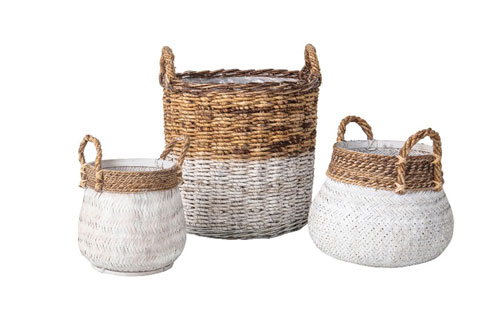
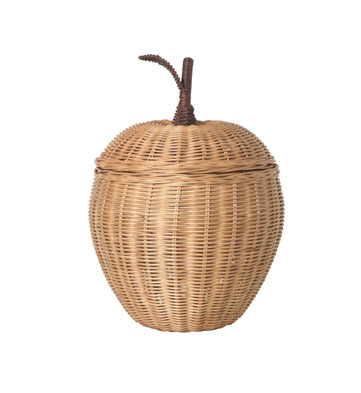
We can never have enough storage – but there’s no reason it should be boring. Turn it into eye-candy with wicked weaves featuring soft, blushing shades, which can hold everything from household essentials to toys.

modern rattan decor

Divide & Rule

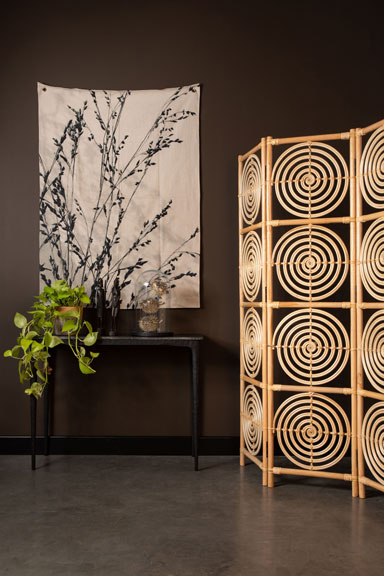
Unique pieces, like a folding screen, will conjure a tropical vibe in a living area. And you can ramp up the effect with other accessories, such a mirror, wall-mounted woven platters, occasional seating or a lamp.

modern rattan decor

This is why you Shouldn’t let Summer pass without Cooking Outside with the Kids

outdoor cooking with kids

There's just something about making dinner out of doors. So, marshmallows at the ready, says Ella Walker.

One thing is guaranteed to ruin the vibe of any summer party, and that’s a parent shrieking across a sun-scorched garden: ‘IT’S HOT – I TOLD YOU TO STAY AWAY FROM THE BARBECUE!’

Usually, there’d be a few expletives in there, a spilled beer, a freshly-bunned burger dropped in the dirt, as well as an overwhelming panic bound up in love and the understandable fear of third-degree burns.

outdoor cooking with kids

Fire and small children can be a stressful mix. But that doesn’t mean it can’t ever be done – and provide an afternoon of fun, bonding and ridiculously good food.

Dawn Isaac, author of 101 Things For Kids To Do Outside (Kyle Books, £14.99), notes that “it’s always more exciting having a sandwich outside”.

And you know what’s more exciting than a sandwich – especially outdoors? A burger. Or a hot dog. And if you speared that hot dog sausage on a twig (OK, a Lakeland skewer) and blackened it over a fire yourself, things are exponentially better. That’s as an adult – just imagine doing it aged eight. Talk about mind-blown.

Chuck in some marshmallows turned lichen-orange as they melt into a tooth-sticking goo, and you just know your kids may never go to bed again. Largely that’d be down to the sugar coursing through their tiny bodies, but also because cooking in the open air – and learning to prep your own food in the process – is quite simply intoxicating. As much so as it is watching the dancing belly of a fire flickering away.

outdoor cooking with kids

“Kids love getting stuck in in the kitchen, so getting them to help with cooking really encourages them, especially when it’s more of an adventure outdoors,” says Genevieve Taylor, grill extraordinaire and author of veggie barbecue book Charred (Quadrille, £16).

Taylor’s all about stretching yourself when it comes to barbecuing too – kebabs, plastic cheese squares and bangers are all very well, but what about cumin spiked falafel burgers, miso grilled aubergine, and sweet potato wedges with oregano? She notes in Charred that “pretty much any vegetable you can think of can be elevated by a little fire and smoke” – and getting kids involved with spicing up BBQ fare is a great place for you to all start.

“Mine have always loved sniffing the jars of spices and choosing what they fancied, which works a treat as they can both be quite fussy,” explains Taylor. “Getting kids used to spices early gets them used to the idea of food from all over the world and teaches them that spices don’t always need to equal heat.”

outdoor cooking with kids

Also, anything that tricks them into taking an interest in vegetables – regardless that it might mean torching them to smithereens over a campfire – must be positive. Think wrangling with butter drenched corn on the cob, or stealth-eating (shock horror) veg on skewers, because if you’ve threaded it yourself, you’re going to have to eat it, right? Even if there are mushrooms hiding amongst the chunks of pepper…

YouTube cook Ian Haste, author of The 7-Day Basket (Headline, £25), says: “My kids eat every single veg there is. If you’ve got them to cook it themselves, they’ve done it, and they’ll try and eat it, because they’re stubborn.”

Add the thrill of potentially-singed fingers, and a few atmospheric stars overheard, and your kids might just scoff everything you brought outdoors in the coolbag.

outdoor cooking with kids

“Fried cheese sandwiches are really popular and so easy to make on a BBQ – you can always leave out any bits they don’t fancy,” adds Taylor. “Getting kids to choose, or at least giving them an element of choice, is empowering and doesn’t mean they feel forced to eat everything.” And talking of cheese, watching anyone – no matter their age – try flame-seared halloumi for the first time is arguably a beautiful (if squeaky) experience.

Halloumi aside, there’s the whole getting into nature, learning new skills and ‘making memories together’ thing too – and memories attached to food have a different kind of vividness to them. Childhood picks them up like sticky burrs (like making flapjacks with your granny, eating jelly for the first time, building a fire in the garden and throwing bananas and chocolate wrapped in foil into the coals…).

outdoor cooking with kids

And of course, wild cooking together means the usual dedicated in-charge barbecue person won’t be all alone wreathed in smoke – you’ll have someone to chat to and share the very tough task of wielding the tongs with. Go forth, and make fire. Just have a bucket of water on standby…

Want your Little Ones to Love Gardening? Here are the Tools to Give Them a Head Start

children gardening

Former Blue Peter gardener Chris Collins helps us select the kit to get your children interested in gardening.

Gardening can be child’s play if youngsters are given the right tools for the job.

Now, former Blue Peter gardener Chris Collins, head of organic horticulture at Garden Organic (gardenorganic.org.uk), the national charity for organic gardening, has helped us select some basic pieces of equipment to enable kids to plant and grow seeds, care for them and to encourage them to spend time in the garden.

children gardening

1. Tamper and sieve

“Children will love using a tamper to stamp on the soil to firm it and enjoy getting their hands dirty sieving the soil to produce a light crumbly mix,” he says.

These items will get them directly involved in preparing the soil and help improve seed sowing success and avoid any disappointments.

Good seeds to sow for little hands include sunflower, runner beans and sweet peas.

children gardening

2. Hand trowel

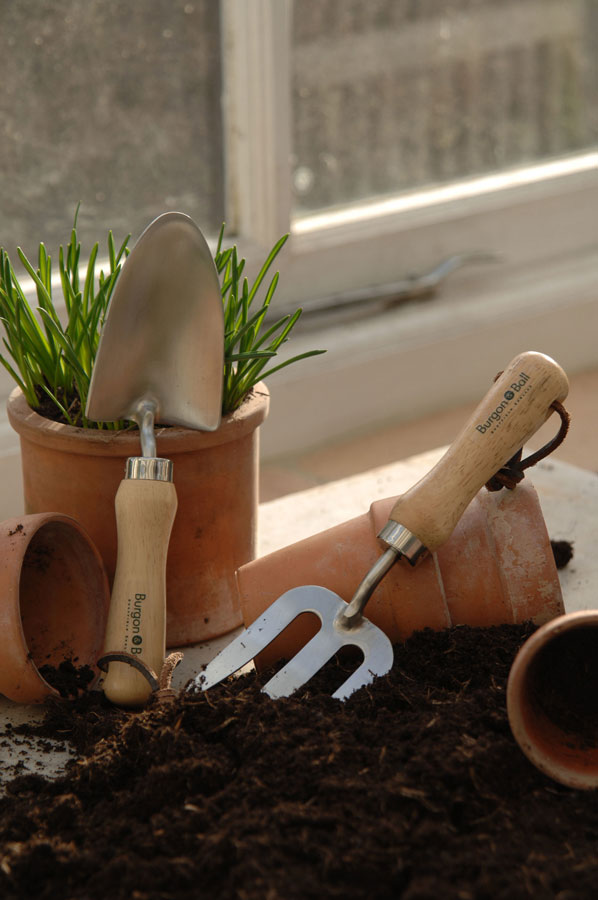
Serious young gardeners will be able to prepare beds for sowing, transplant seedlings and remove weeds with a good set of hand tools. Very young children will just enjoy a bit of digging and exploring the soil to look for worms and insects, which is always a cause for great excitement.

For younger children, colourful garden tools are widely available.

children gardening

3. Watering can

Playing with water – especially in hot summer weather – should encourage children into the garden, so a watering can is a must-have. Buy one with a rose to allow for gentle watering so they can get involved with regularly caring for their plants and make sure that the watering can is the right size and holds the right amount of water for the size of your child, so he or she can easily lift it.

Among the best is the Little Pals Children’s Watering Can Kit which includes a metal watering can, pink hand trowel and spotty gardening gloves (£15.90, Amazon www.amazon.co.uk)

children gardening

4. Compost bin

If you have a compost bin, you can help teach them the importance of recycling kitchen scraps and garden waste. Why not get one they can decorate too, making a lovely fun feature in the garden? They can then use the compost to help their plants to grow.

children gardening

5. Wildlife feeder

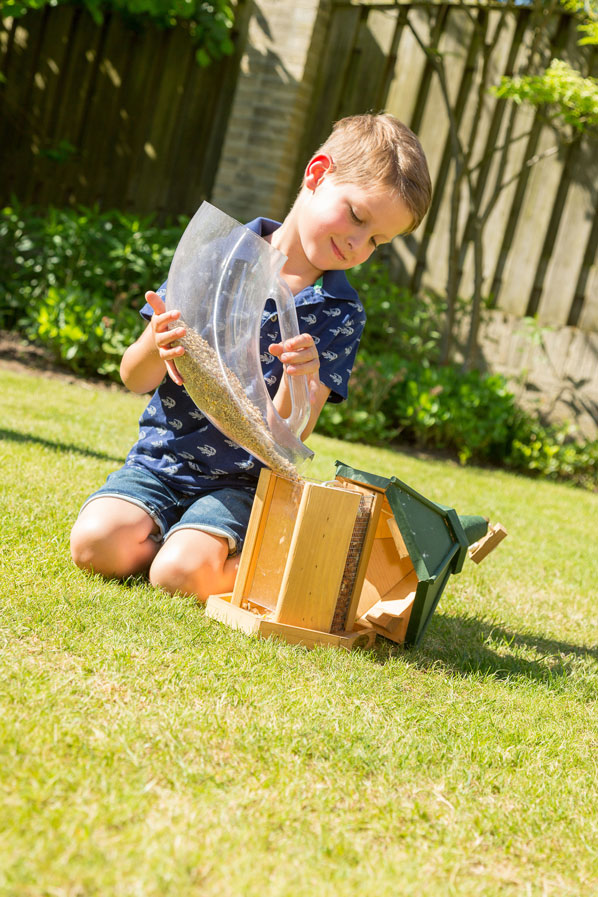
Just letting your child fill up your regular bird feeder should engage them, especially when they see birds feasting on the seeds and nuts they have given them.

There are plenty of kits on the market to make your own bird feeder or bird house, or alternatively you can recycle old bits and pieces from your home to give them a fun activity of creating a habitat for wildlife, which will help them feel more connected to the garden and make them aware of the many creatures which use your open space.

Alternatively, invest in a good one for your child such as the Yukon Feeder (£24.99, CJ Wildlife – birdfood.co.uk) which enables three different types of bird food to be placed into different slots, to attract a variety of birds.

children gardening

6. Gardening clothes

The oldest clothes are probably the most sensible ones for kids to wear when gardening but if they are going to get their hands dirty, it may be wise to invest in a pair of junior gardening gloves in their preferred colour.

A good bet could be the Vgo gardening and DIY gloves for four to five-year-olds (£14.98 for two pairs, Amazon)

And don’t forget, most importantly, to get your child to wear a hat on sunny days.

Seek and Hide: 6 Storage Solutions to keep You and Your Rooms Cool and Calm this Summer

summer storage solutions

Don't want to just chuck away all that clutter? Gabrielle Fagan reveals simple ways to get it out of sight.

If you’re feeling hot and bothered this summer, it may not just be the weather.

Look around your home – if it’s overflowing with clutter, and every corner and surface seems to be a magnet for bits and bobs that should be sorted but never are (the school holidays could make it a whole lot worse), this is probably contributing to those raised stress levels.

The good news is, to tackle this oh-so common scenario, you don’t have to turn yourself into a dedicated disciple of ‘Queen of Clutter’ Marie Kondo and rid yourself of every possession you’ve ever owned.

Instead, it’s time to play ‘seek and hide’. This new decor game simply involves hunting down all the ‘stuff’ you want but don’t need to stare at (or stress over) all the time, and then using clever storage solutions to hold, hide, or disguise it.

Check out six smart seek-and-hide solutions, so you can enjoy a cool, relaxing season…

summer storage solutions

1. Step into calm

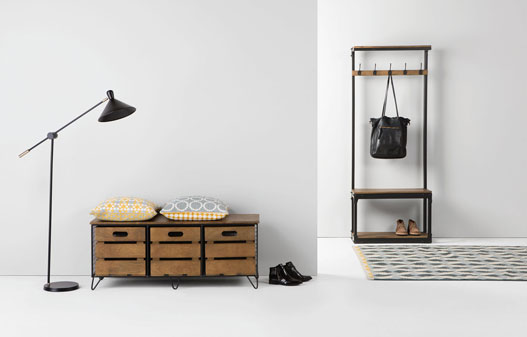
As a hallway’s the first port of call when you get home, having to squeeze your way past a chaotic collection of coats and tripping over shoes and kit every day certainly won’t make you feel zen.

Slim down that coat rack: Keep out only what’s suitable for the season and store away heavy winter coats and jackets. Check out Lakeland’s brilliant clothes storage solutions including a Vacuum Clothes & Duvet Storage Tote Bag (87L Jumbo), £16.99.

Keep shoes on a rack and label drawers on a storage chest (Polaroid pictures work well for younger children), so everyone knows exactly what goes where to encourage order rather than dumping.

2. Make a screen star

If you’ve ever felt panic at unexpected visitors suddenly arriving and seeing mess everywhere, a screen is the perfect fast cover-up solution.

These can be easily moved around to hide ‘clutter spots’, as they’re brilliant for masking a cluttered corner or untidy collection of clothes, and crucially can be folded away when not in use.

They can also work as flexible room dividers, allowing an open-plan space to be used for a multitude of purposes. Another bonus: They’re a great way to introduce texture, colour and pattern to a room and you can also use them for display, maybe as picture board for family photos.

summer storage solutions

3. Sit and store

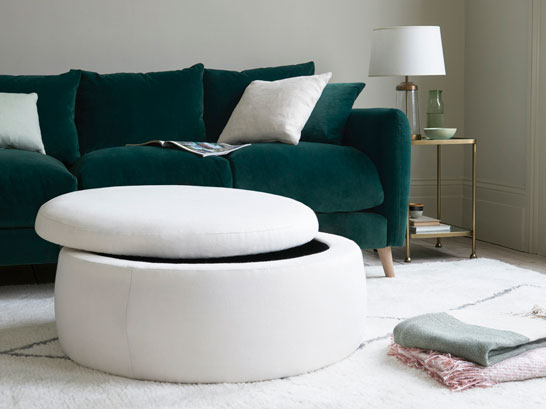
Multi-tasking seats with hidden compartments can be just the solution to get clutter off the floor. They could be the perfect home for magazines, toys, or all that debris that seems to accumulate on the top of a coffee table. Simply lift the lid, sweep away and store! A coffee table which incorporates storage is another way of keeping its top clear and tidy.

Dress windows simply with blinds – less bulky than curtains – and choose a neutral shade or white to make a room feel more spacious and airy. Sweet Dreams Placid Roller Blind, from £21.96, English Blinds.

summer storage solutions

4. Sideboards of style

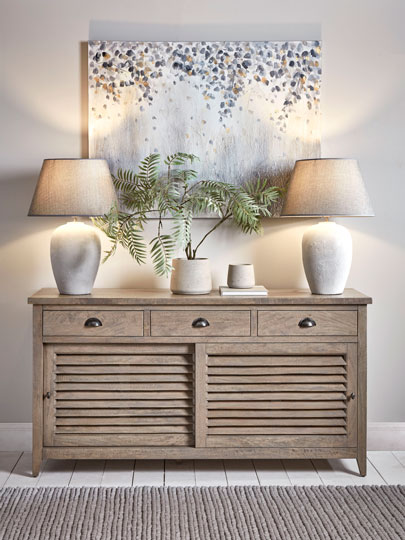
Designers are proving that while storage is necessary it certainly needn’t be dull, by creating pieces which are practical and also sleek and stylish. Sideboards can soak up a huge amount of possessions.

summer storage solutions

5. Sweet dreams storage

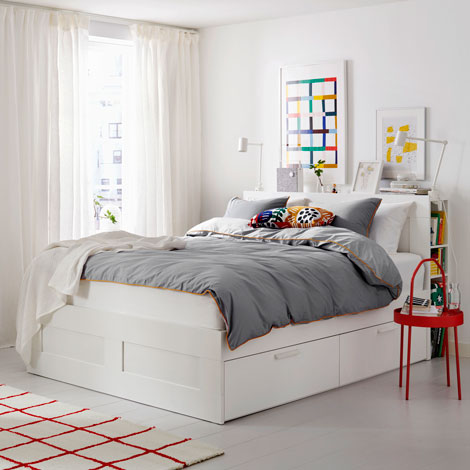
A calm, serene space for sleeping is essential, so that you relax and rest well. A headboard with storage is genius because it allows you to keep distracting clutter tucked out of sight, and can be a boon if you’re tight for space and haven’t got enough room for bedside tables.

Under-bed storage drawers can also be super-handy for stowing away bedding or out-of-season clothes that you don’t need to access for a while.

summer storage solutions

6. Magic makeover

Turn that rush to get ready into a pleasure by bringing order to make-up (sort it out first and discard anything more than a year old, which is probably past its use-by date) and jewellery.

10 Ingredients you can Forage to Pep Up Cocktails- According to an Expert

foraging for cocktails

The country's leading urban forager shines a light on wild herbs and plants to jazz up your garnish, and much more, says Sam Wylie-Harris.

Since the dawn of time we’ve been foraging for wild foods to use in drinks and as medicine.

To really get a taste for the year-long bounty around us, how about delving a little deeper for sprigs and slices to add a quirky twist to a classic cocktail?

However, you don’t need to run to the hills, go down to the woods or take a jaunt to the seaside to scout for wild ingredients if you want to make a variation on a much-loved tipple.

Founder of Forage London and author of The Edible City cookbook, John Rensten wants to give city dwellers the chance to enjoy and discover some of the wonderful wild foods that grow all around us – some of which can be used in cocktails, as he recently demonstrated on a guided foraging walk for Bushmills Irish Whiskey.

To steer you through the urban landscape, here are Rensten’s top 10 foraged ingredients that can be used as part of your cocktail repertoire…

foraging for cocktails

1. Lime blossom

“Used fresh it gives sweet notes of melon and a hint of cucumber. Great as an addition to a mint julep,” says Rensten.

2. Hogweed bitters

“Tastes like bitter orange and numerous other dried spices all rolled into one. Works really well in place of Angostura bitters when making an Old Fashioned.”

foraging for cocktails

3. Fig leaves

“When crushed and made into a syrup, these taste like coconut. Great for giving depth to a Gimlet or adds extra coconut flavour to a Pina Colada.”

4. Crab apples

“Some sweet/sharp varieties work well instead of orange peel in an Old Fashioned,” when dried says Rensten.

5. Sumac

“Has strong citrus elements but less sour than lemons. Can be used as part of a Whiskey Sour.”

foraging for cocktails

6. Magnolia blossom

“Tastes a lot like ginger with additional bitter notes. A magnolia blossom syrup would work really well as part of an Agave Ginger Rita,” suggests Rensten.

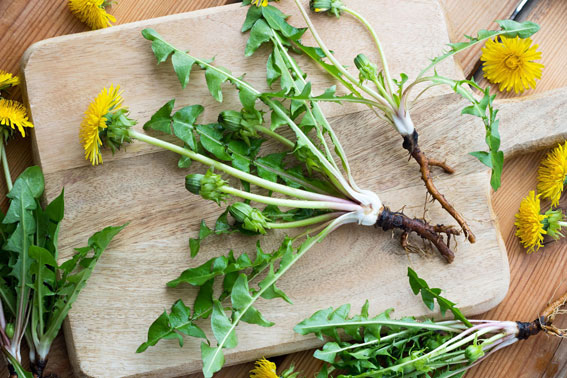
7. Dandelion root

“Tastes like nutty coffee but is caffeine free. Roast [the roots] first and grind, then use as part of an Irish coffee.”

8. Sorrel

“Has a tart/sweet lemon meets apple flavour. Can be used in place of lemon juice when making a Tom Collins, with gin, or a John Collins, with whiskey.”

foraging for cocktails

9. Quince

“Another great substitute for lemon because of its intense citrus taste. Can be used as part of a Whiskey Sour.”

10. Nettles

“Cook gently with water and sugar to make a nettle syrup, to give an interesting twist to a [bourbon based] Southern Spell,” says Rensten – wear gloves when you go harvesting to mind the sting.

7 Bright Design Tricks to Maximise Light in Your Home

brighten your home

From curtains to decluttering and mirrored furniture, Luke Rix-Standing reveals nifty ways to give any home that dreamy light and airy feel.

Ask any interior designer: Light is one of – if not the – most important consideration in the layout of a home.

Quite apart from being essential (cooking in the dark is not advised), light provides the framework for a home’s aesthetic, and the foundation for its – to use a technical term – ambience.

It doesn’t matter how well you’ve feng shui-ed your cellar – if it’s lit by a single, flickering bulb, it’s still going to feel like the set of a horror movie.

Here’s how to make your home the brightest and best it can be, from streaming sunbeams to energy-saving LEDs…

brighten your home

Make a proper plan

Most people know that when it comes to light sources, more is usually merrier. But the result is that homeowners load up expensive fixings without taking care of even the simplest practical alterations.

For immediate improvement, a short recce goes a long way: Look at the location of your windows, what they’re illuminating, and what you want them to illuminate. Take a note of where the sun comes from in each part of the day, and if any rooms seem particularly drab and gloomy.

With your stock-take complete, move furniture that might be blocking a window’s view, and clear out cluttered windowsills. If you have several electric lights covering a space usually bathed in sunshine, rejig your room rather than spending a fortune adding to it.

Consider moving obstacles outside your home too. If your climbing hydrangea has launched a hostile takeover against your windowpanes, it’s time to call in the garden shears.

brighten your home

90% light, 10% dark

Assuming that you do, in fact, have windows, your next key point should be colour. Pure white surfaces can feel a little cold, but off-white or light cream is a shoo-in for walls and ceilings when cultivating a brighter feel.

Soft hues absorb far less light than dark ones, and for the most radiant rooms you should look beyond the masonry. Consider pastel-coloured cupboards, pale wood furniture, or light-hued decorations. There’s nothing wrong with a black leather sofa, or some statement, patterned wallpaper, but they won’t necessarily help your rooms retain light.

Aesthetically, many designers opt to add in darker trimmings. Cushions, knick-knacks and other smaller furnishings look great in dark grey or navy, and provide contrast without significantly sacrificing light.

brighten your home

Lots of mirrors

If you’re looking to increase your intake of natural light, mirrors are perhaps the most literal way of doing so. They reflect light that would otherwise be absorbed into the wall, and hanging one opposite a window sends daylight bouncing round the room.

Wall-mounted mirrors are a go-to for grooming as much as for decor, and fashion-conscious bedrooms often boast something free-standing and full-length. Next level homeowners could employ mirrored furniture – mirrored tables, mirrored wardrobes, even a mirrored chest of drawers.

Large mirrors give the illusion of a much larger, lighter space, and if the room feels bright and breezy, so too will its reflection.

brighten your home

Window dressing

Your windows are your main allies in your fight for light, so you’d be wise to give them plenty of tender loving care.

Blinds are a good bet for a light-heavy home, leaving the window entirely exposed when open and creating lovely lines of light when down. They can’t produce blackouts, so are less advisable in the bedroom of a light sleeper.

Light linen or cotton curtains are similarly appropriate – and can be hung in layers to more closely control the flow of light. Heavier, thicker fabrics like velvets and brocades are generally more accustomed to blocking light, while wide-slat shutters are flexible and channel a Mediterranean feel.

brighten your home

The lighting of the lamps

Natural light tends to gobble up the headlines, but artificial light is where the buck stops.

Let’s divide it into three stylistic varieties. Ambient lighting diffuses evenly through a room, and is usually the starting point for a larger scheme. Think ceiling lights, perhaps integrated with lamps on floors or tables.

Naturally, ambient lighting isn’t strong on contrast, so try some accent lighting to help instil separation. Accent lighting is brighter and much more directional, ensuring centrepieces like dining room tables get the focus they deserve.

Make sure these lights are not so concentrated that they behave like spotlights. You don’t want to channel a the sort of aggressive glare normally reserved for police interrogation rooms.

Finally, consider task lighting – very strong light sources marshalled for specific purposes. Think downward-facing desk lamps that can illuminate a keyboard clear as day, or a row of bulbs as floodlights for a worktop. There’s no point illuminating the corridor with pixel-perfect high-def, if your closet is so dimly-lit all your darker clothes merge into one.

Keep these principles in mind when allotting wattage in your home, and where possible try before you buy. Road-test bulb brightness, or better yet employ a dimmer switch.

brighten your home

Wash your walls

No, not with soapy water – in this context washing your wall means to splash light across a surface, creating the illusion that the whole room is aglow.

Consider vertical light fixings, that send a warm light upwards and downwards, creating a sheet-like glow across a wall. It’s better to bathe an area with one effective light source than pepper it with unattractive fixings.

brighten your home

Structural changes

For those with the time, inclination and, most of all, the money, there are plenty of home improvements that can turn dingy dungeon to gleaming greenhouse. Some are obvious – more and bigger windows, glass patio doors and so on – but others are slightly less intuitive.

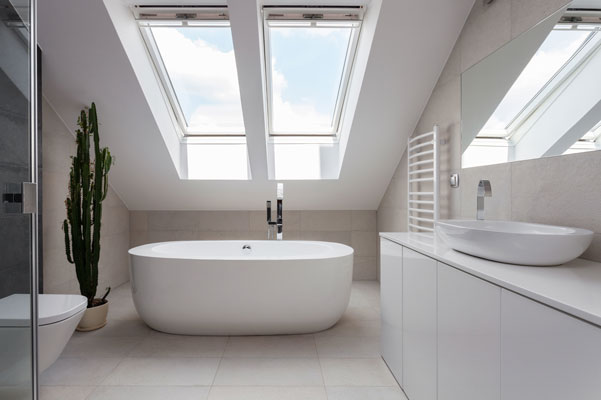
Skylights are an oft-neglected sub-genre of window – the light comes straight from source and can often spread across an entire floor space.

Thick-set, dark-coloured doors can keep natural light from reaching the heart of your home, so consider glass panelling even on doors that don’t open into the air. Next-level homeowners can go one better by embracing a more open-plan layout throughout their dwelling.

Though not traditionally a light-emitting surface, even the floor can play its part. Opting for polished, well-finished hardwood, ceramic or stone can keep light ricocheting off your interiors like an underfoot mirror.

Summer in a Glass: 9 Super Thirst-Quenchers to Enjoy in the Great Outdoors

super summer drinks

Crown your movable feast with an eclectic mix of refreshing spritzers, canned cocktails and seasonal serves, says Sam Wylie-Harris. As summer heats up, there's a lovely casualness that shapes our drinking rituals. Just as we reach for our wicker baskets and holiday wardrobe, the fashion for fruity libations and breezy spritzers strikes just the right balance and radiates all the right vibes.

super summer drinks

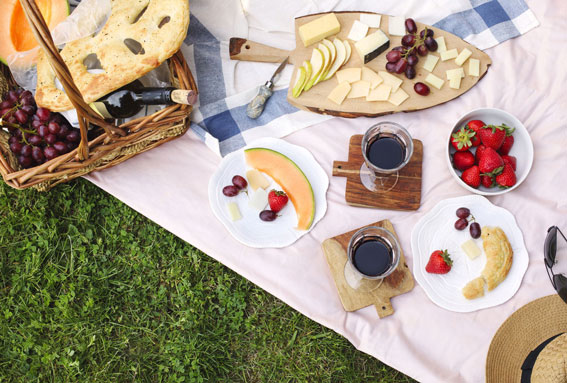
At the drop of a hat, summer seasonal serves – such as strawberry scented beer, canned bubbles and low abv wines – feel as natural as switching our glassware for faux stemware, sage for mint, topping our hampers and cooler bags with a festival blanket and making sure there’s enough ice for the second round.

Whether you’re packing a picnic, heading to the seaside or entertaining al fresco at home, these top drops hit just the right spot…

super summer drinks

1. M&S Cocktail Cans: Aperitivo Spritzer, Peach Spritzer, Cherry Spritzer and Vermouth & Tonic (£2 each, 5.5% abv, 25cl, Marks & Spencer stores)

What’s not to love about these new canned cocktails in four fab flavours, channelling lots of fruity fun. The Aperitivo Spritzer has a core of fragrant orange bitters, the Peach Spritzer screams sweet, ripe peaches, Cherry is sweetly refreshing, while the Vermouth & Tonic boasts a tincture of herbs.

super summer drinks

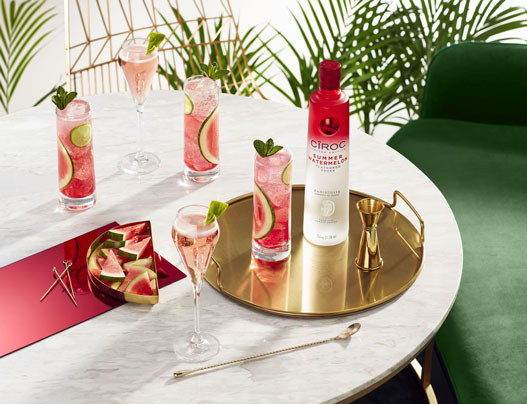
2. CIROC Summer Watermelon Vodka (£32.40, 70cl, 31dover)

Nothing signals summer like this classic tropical fruit, especially in a flavoured vodka. Introducing CIROC Watermelon Spritz: CIROC 40ml Summer Watermelon Vodka, 20ml lemonade, 40ml soda, 10ml cranberry juice. Serve over ice in a tall glass and garnish with a lime wheel, fresh watermelon wheel and sprig of fresh mint.

super summer drinks

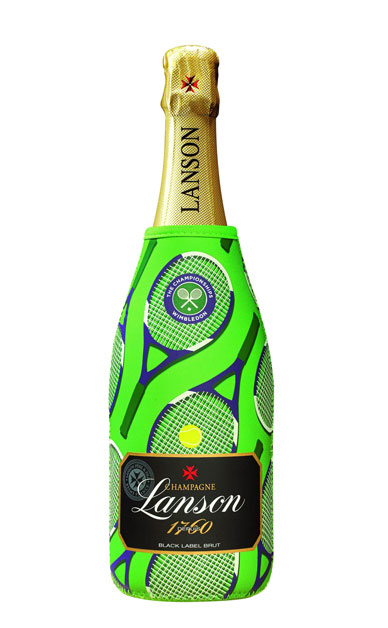
3. Lanson Brut NV Champagne Wimbledon 2019 Neoprene Jacket (£25, Tesco stores)

Champagne of the Championships, a whopping 25,000 bottles of Lanson were popped open at the famous two-week tennis tournament last year – and if you want to soak up the atmosphere but don’t have tickets, a stylish garden party and hamper full of grand slam treats makes a winning combination. The limited-edition racket-themed cooler jackets are specially designed to keep the bottle chilled for up to two hours and will cheer you through the summer season.

super summer drinks

4. Black Cow English Strawberries Vodka (£27.95, 70cl, The Whisky Exchange)

Another flavoured vodka newbie, this blush pink is infused with pressed strawberries to lend a sweet, fresh, strawberry note and makes a fun summery cocktail when it’s mixed with ginger ale. Meet Ginger Blossom: 35ml Black Cow Vodka & English Strawberries topped with ginger ale and garnished with English strawberries and a wedge of lime.

super summer drinks

5. Camden Town Brewery’s Strawberry Hells Forever Lager (£6 for 4 x 33cl cans, 4.6% abv, Sainsbury’s)

Still room for more strawbs in your punnet? How about a swift half of strawberry beer? Camden Town are kick-starting the first of their ‘Seasonal Hells’ with this summertime lager brewed with strawberries. Crisp with a faint hint of the summer fruits on the hoppy finish, it’s tart, tastes refreshingly good and should appeal to those looking for new taste experiences. Released every quarter, the one-off beers are inspired by the seasons.

super summer drinks

6. Graham’s Blend No 5 White Port (£21.25, 75cl, Master of Malt)

We’ve been dubbing a P&T the new G&T for a while now, and it only takes a mini heatwave to appreciate how remarkably refreshing a bone dry, white port and tonic is. A delicious aperitif that also bridges the gap between a white wine spritzer and vodka and tonic (at 19% abv), serve on the rocks, top with tonic (Double Dutch have recently launched their premium mixers in cans) and garnish with a slice of lemon and sprig of fresh mint. Serve with salted almonds, olives and petiscos (Portugal’s answer to tapas).

super summer drinks

7. Co-op Own-Label Low Alcohol Sauvignon Blanc, Garnacha Rose and Cabernet Tempranillo, Spain (£3 each, less than 0.5% abv, Co-op stores)

The trend for ‘low or no’ shows no sign of slowing, and these latest additions to Co-op’s low and no-alcohol range are perfect for sipping in the sunshine.

The red is fun and fruity with a brush of blackberry fruit, the rosy pink offers raspberry and strawberry flavours, and the white shows an exotic citrusy note. Perfect for sangria (without a fuzzy head the next day), hold the brandy and sugar and mix with soda water, orange juice and sliced fruit.

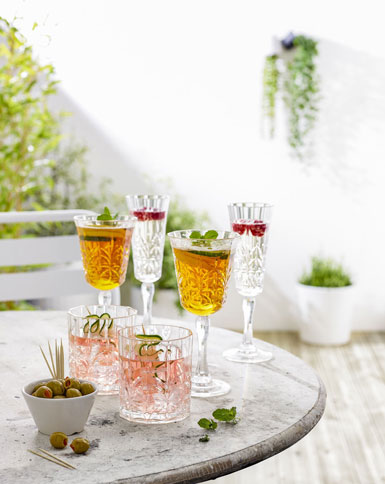
Note to self: Check out the crystal-look, oversized acrylic wine glasses and flutes (£4.49 each), tumblers (£3.99) and jug (£14.99) at Lakeland.

super summer drinks

8. The Uncommon White Bubbly, England (£4.99, 25cl, Waitrose stores)

A must for posh picnics, we love this quirky can with its quintessentially British design, formalwear and bowler hat. A lightly sparkling dry white made from bacchus grapes (similar in sorts to sauvignon blanc), it’s naturally low in sugar and offers fizz fanatics a crisper, dryer alternative to prosecco.

super summer drinks

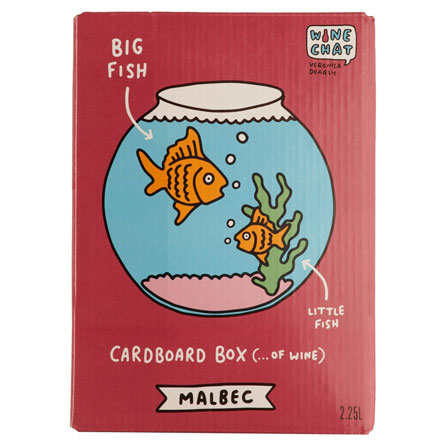
9. Wine Chat Malbec, France (£18, 2.25L, Sainsbury’s)

From beach to bar, a brilliant BBQ, picnic or al fresco red – this box has two finger holes so it’s easy to carry and we love the cute label – this French malbec is brimming with bright blueberries and ripe raspberries, feels fragrant, fruity and juicy and finishes with soft tannins. Pairs perfectly with French bread, saucisson, cheese and dips.

9 Expert Tips to Transform Your Greenhouse from Messy Junkyard to Rustic Retreat

updating your glam greenhouse

Hannah Stephenson reveals how to banish the greenhouse clutter and create a horticultural haven instead. If you're tripping over compost bags, battling with broken pots and spent seed trays and can't find a tool in sight, your greenhouse may be in need of a serious makeover.

updating your glam greenhouse

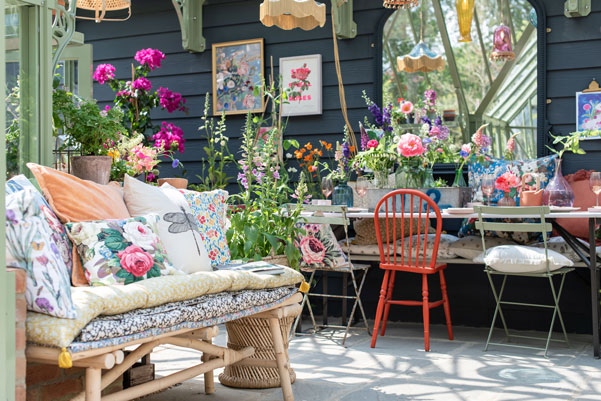
Smart gardeners can create a space that’s not only useful for growing plants but acts as an extension of their home – a stylish, comfortable bolthole through the warmer months and beyond, with the help of a little furniture, cushions, wall art and some nifty tidying accessories.

Where to start with your makeover? Follow this greenhouse guide for inspiration, including tips from garden styling pros and Richard Baggaley, director of The Greenhouse People (greenhousepeople.co.uk)…

updating your glam greenhouse

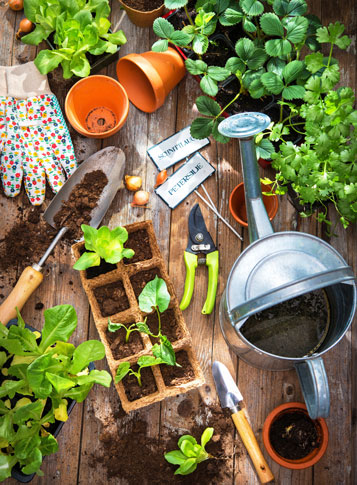
1. Create a potting corner

To prevent clutter in your greenhouse, carefully plan your layout and segment the space into purposeful areas. Create a potting corner next to where you grow your fruit and vegetables to make planting more efficient and to save space.

This area needn’t be dull. Place seed packets in a brightly coloured tin to store them safely and add a pop of colour to your greenhouse. Rather than leaving tools in a chaotic heap, a row of hooks will keep everything off the floor and neatly stored.

updating your glam greenhouse

2. Be bold with plant choice

The greenhouse needn’t just be a space to nurture seedlings. Exotic and tender plants will thrive in the warm environment and brighten up the space.

Fill your greenhouse with a range of desert and succulent plants like cactus, agave and crassula. These easy-care plants flourish inside a greenhouse and are very on-trend.

If botany is more your style, orchids are among the most beautiful and exotic greenhouse plants. They require a high level of humidity though, so store your misting bottle nearby to keep your orchid healthy.

Tom Barry, managing director of Hartley Botanic (hartley-botanic.co.uk), adds: “Architectural tropical and subtropical species are still very popular with both homeowners and gardeners alike.

“These plants look dramatic and add height within a greenhouse which works well when combined with bench-level succulents and cacti. For colour, and to add an exotic look, orchids in pretty ‘sweet shop’ colours can be grown in individual pots.”

updating your glam greenhouse

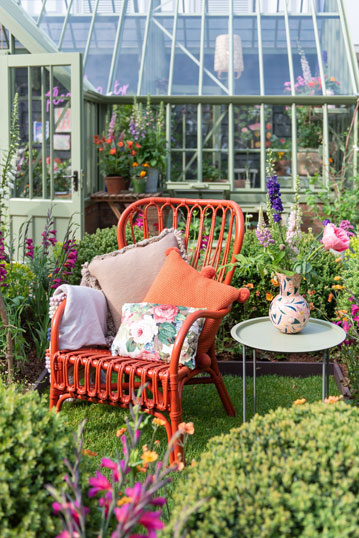
3. Create a cosy nook

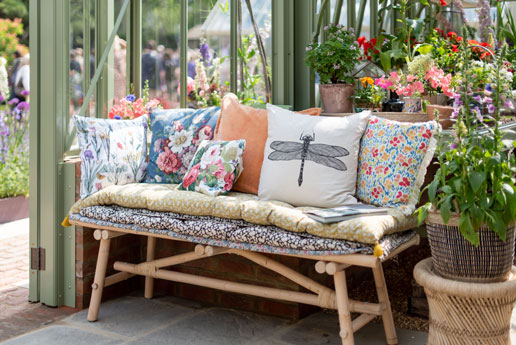
Acclaimed author and botanical stylist Selina Lake (Selinalake.co.uk), who styled for Alitex (Alitex.co.uk) at this year’s RHS Chelsea Flower Show, suggests you update tired items such as old chairs, metal furniture or plant pots by adding a pop of colour with paints. A simple bench can be turned into a sumptuous day bed with a mass of comfy cushions.

updating your glam greenhouse

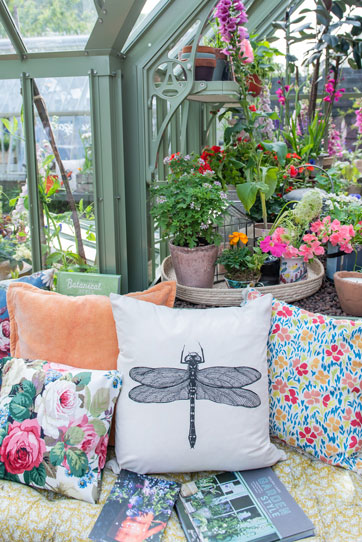
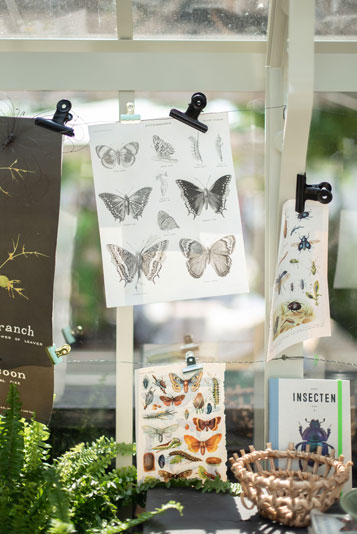
4. Use insect designs

Entomology, or the study of insects, is the new botanical trend, adds Lake. Get the look by having a go at drawing bugs on greenhouse windows using a chalk pen.

Add prints and posters in frames or clipped to bare walls and use a wire washing line for another display.

updating your glam greenhouse

5. Go for a natural look

‘Upcycling’ is the word on everyone’s lips – and for a good reason. With items sourced from second-hand shops, or even junkyards, it’s easy to go boho on a budget. Simple changes like a lick of paint on wooden furniture or changing the handles on drawers can have a huge impact, says Baggaley.

In line with environmental issues, forgo plastic items for furniture and accessories made from natural materials such as metals, rattan and bamboo.

updating your glam greenhouse

6. Find space to sit

Baggaley advises: “Add comfort to your glass-walled structure with seating and soft furnishings. Textiles will instantly soften the space and make it feel inviting.

“Be aware that these will fade under the concentrated sunlight, so shop for items with a vintage-inspired design or are second hand to accomplish the shabby-chic look.”

updating your glam greenhouse

7. Make use of mirrors

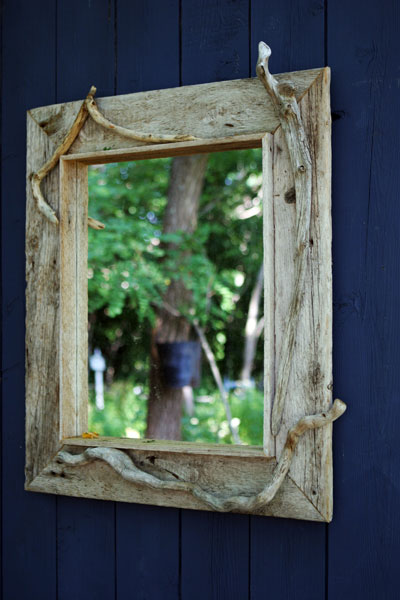
Add mirrors inside your greenhouse to reflect light and the sight of your beautiful plants, Baggaley says. Careful placement will give the illusion of more space but do consider what it will be reflecting. Try to reflect the leafy interest in your greenhouse, rather than watering cans or plastic pots.

updating your glam greenhouse

8. Use your greenhouse as a gallery

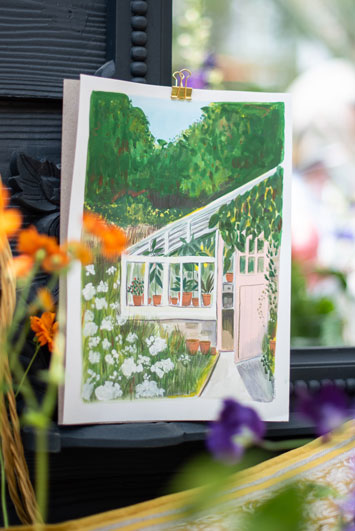
To add further interiors-inspired touches to your greenhouse, wall art is a great option to make the space ooze personality and feel more like a home.

Get creative and create your own works of art to display. You could decorate a canvas with cuttings from garden magazines, known in the art world as ‘decoupage’, for garden inspiration as well as decoration.

updating your glam greenhouse

9. Create a herb haven

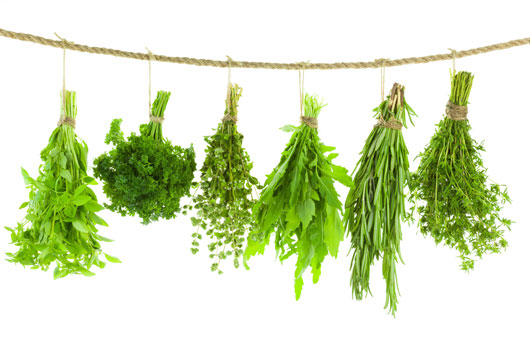
Drying herbs in a greenhouse is ideal as they dry quickly under the concentrated sunlight, add scent to the space, and look decorative.

Lavender, sage and thyme retain their fragrance when dried – just try to keep them out of direct sun. They dry quickly, so check periodically and package for storage as soon as they are crisp.

×
Find a Property
M
Country & Equestrian
By submitting this form, you agree to McCarthy Holden using your personal data in accordance with our Privacy Notice.