Imelda May: I saw impact of second homes in Cornwall filming Fisherman’s Friends

Imelda May post McCarthy Holden estate agents

Imelda May has said filming the Fisherman’s Friends sequel was an “eye-opener” regarding the impact of second homes in Cornwall, adding: “It needs to be addressed.”

The Irish singer-songwriter, 48, marks her acting debut playing Aubrey Flynn in the film alongside returning stars James Purefoy and Maggie Steed.

She told the PA news agency that Fisherman’s Friends: One And All was shot during lockdown, forcing the cast to film many of the scenes outside.

“It actually became a love story to Cornwall,” she said.

“Where we probably would have done a lot of the scenes inside, we had to do them standing on the edge of the cliff, looking out to sea.

“When you watch it, the cinematography and the landscapes are breathtakingly beautiful, and I think that added all the more to it.

“It’s just stunning when you see it, it’s such a glorious place, but it really shows it off to its heights.”

May said people needed to add to the “community spirit” in Cornwall rather than “taking away from it” in reference to the abundance of second homes.

She said: “I did notice when we started filming because of the lockdown, I could see how much of the village was in darkness. There was nobody, I could see that.

“As lockdown started to lift a little you could see all the lights come on, and I could see that people were just coming to the second home.

“So that was an eye-opener for me that I could see a difference when it was just locals.

“It needs to be addressed. People need to be able to live in their own communities and not be pushed out because somebody wants a second or third home.”

Imelda May post McCarthy Holden estate agents

She added that people “don’t need a home to enjoy an area”.

May said: “I go on tour to a lot of places and I love to find local villages and local people, but the only way to do that is to support the locals.

“You can go and rent one off somebody who already lives there or I love going back to old-fashioned bed and breakfasts where you actually get to meet people and you get the best tips.

“It’s community spirit and if you do that you’re adding to the community and you’re adding to the area rather than taking away from it.”

Fisherman’s Friends was inspired by a Cornish sea shanty singing group who performed in their home town of Port Isaac in 1995, before going on to secure a record deal with Universal Music’s Island Records in 2010.

The sequel Fisherman’s Friends: One And All comes out on August 19

Article By Ellie Iorizzo and Rachael Davis, PA
Local Craft Creation Hartley Wintney

McCarthy Holden introduce local craft work

In the conduct of McCarthy Holden’s day to day activities we meet people from all walks of life and from time to time we discover people with great craft talents and skills, so in this news article we are highlighting the unique products created by Maggie Sheerman who lives on the outskirts of Hartley Wintney.

Below are samples of her work created by Maggie from her workshop on the Bramshill / Hartley Wintney borders. We are also listing the prices of some of her work as well as her contact detail for you to purchase direct from her.

McCarthy Holden introduce local craft work

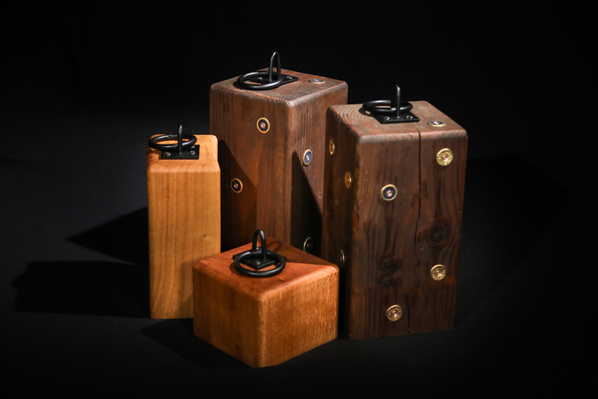
These reclaimed pine or oak door stops with bullet cartridge heads, with a heavy duty ring handle are available from £20 to £45.

McCarthy Holden introduce local craft work

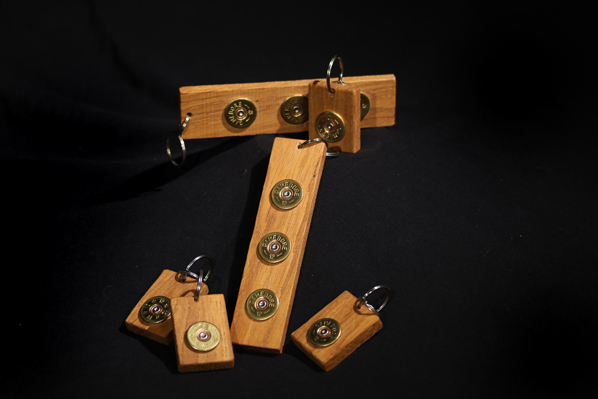
The reclaimed oak key fobs with cartridge heads are available from £5 to £9.

McCarthy Holden introduce local craft work

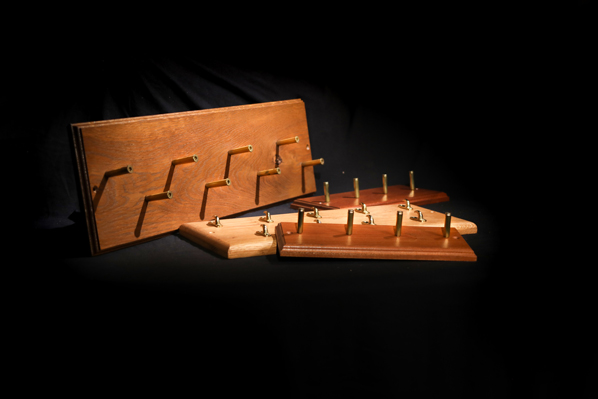
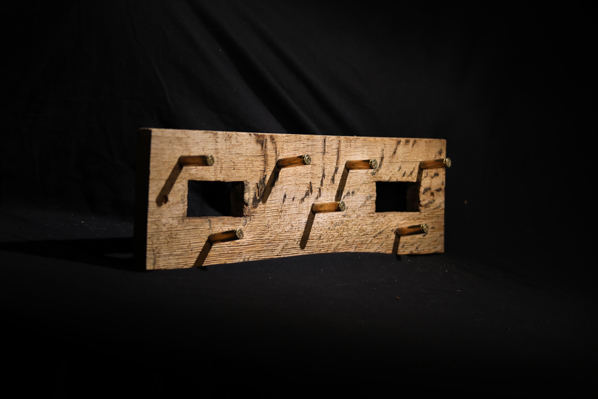
Polished oak key racks with brass bullet hooks are available in various sizes and priced from £25.

McCarthy Holden introduce local craft work

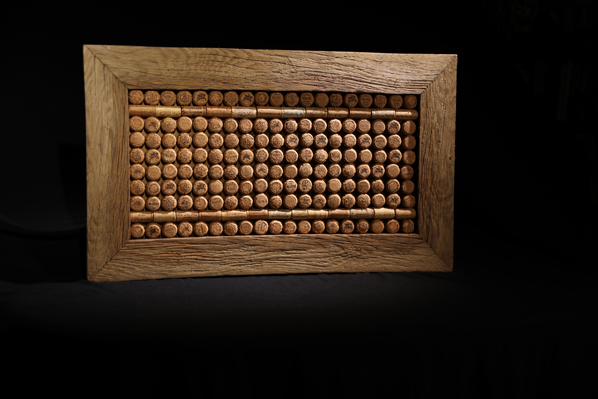
Reclaimed wood wall art with wine / champagne corks are available from £85

McCarthy Holden introduce local craft work

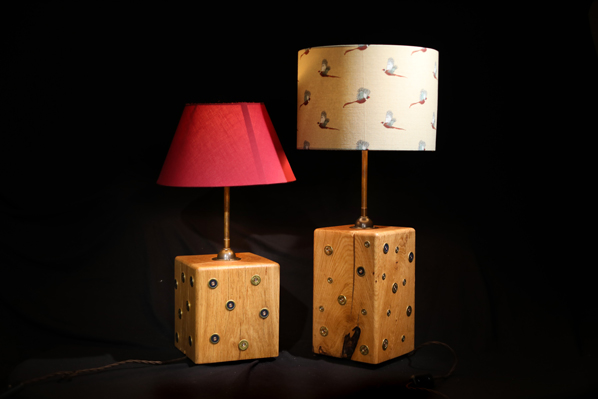
Reclaimed oak lamps with bullet cartridge heads and light stem (shades extra) are available from £180.

McCarthy Holden introduce local craft work

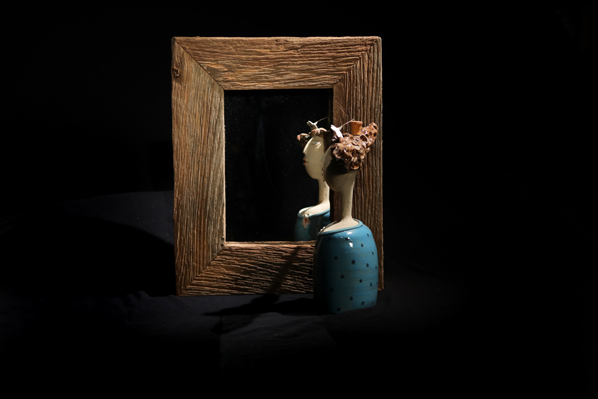
Reclaimed oak mirrors in various sizes (ornament excluded) are available from £45 to £180.

McCarthy Holden introduce local craft work

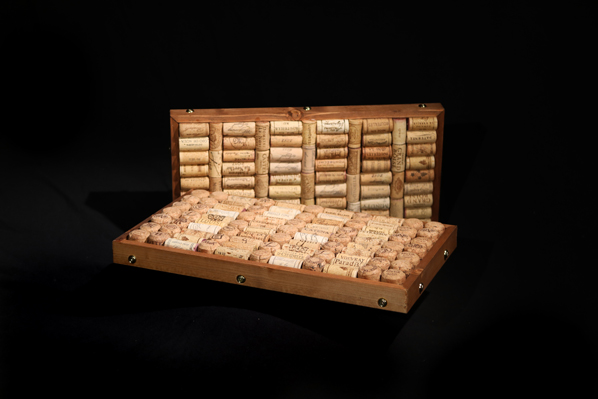
Serving tray / mat with wine / champagne corks are available from £35.

McCarthy Holden introduce local craft work

Reclaimed wood key racks with bullet cartridges or antler tips are available from £35 to £65.

McCarthy Holden introduce local craft work

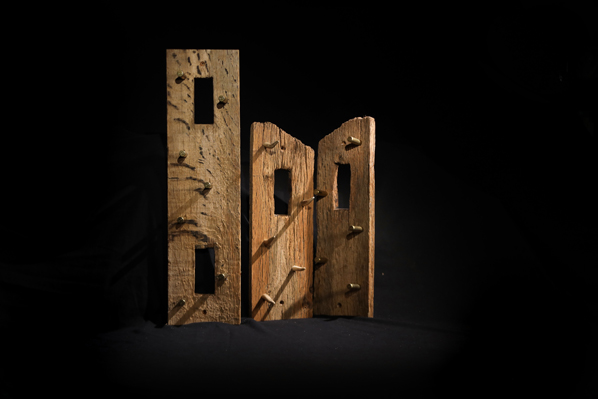
Reclaimed oak key racks with brass bullet cartridges are available from £25 to £65.

How to purchase or commission a bespoke craft item.

If you are looking for something unique or interesting, beautifully crafted locally then contact Maggie Sheerman on 07770 624443 or email at maggie.s@btinternet.com

Product photography by johnjoe.co.uk

5 Fun Art Activities to Help Children Show their Feelings

children's emotional art

An art therapist outlines how kids' art can be used to help them and the rest of the family express emotions and bond together. Lisa Salmon reports.

For most parents, children’s art is just something to stick on the fridge and stow away when possible. But those splodgy works of art could actually be a window to their soul. Honestly.

Instead of trying to get young children, who often have a very limited vocabulary, to talk about how they feel, their drawings can be used to help them express their emotions. And while such a process is a form of art therapy, you definitely don’t have to be a trained art therapist to use it.

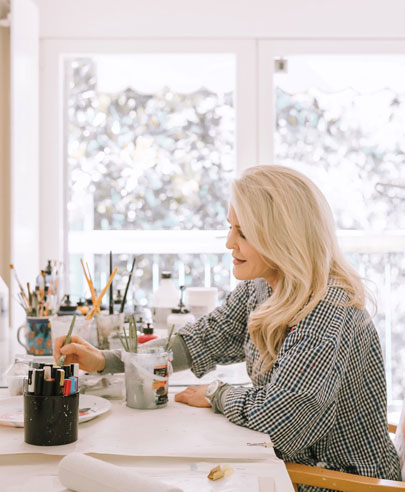
Art psychotherapist Fransie Frandsen says art therapy is very different from the popular belief that it’s just the interpretation of drawings – explaining that it uses art as a form of communication and expression, helping to identify, convey and process difficult emotions.

“As an art psychotherapist working with children, I find the idea of artwork becoming a ‘third person’ in a session particularly important,” she says. “This dialogue between therapist, child and artwork helps to make the process feel safer, so it becomes possible to gently turn on the lights of those dark rooms they avoid.”

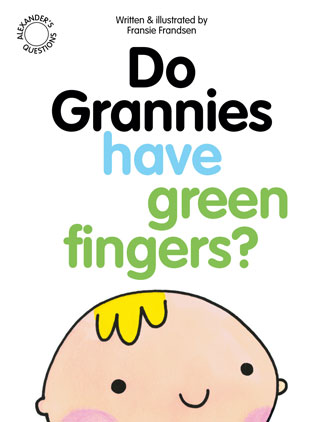
Frandsen, whose children’s book Do Grannies Have Green Fingers is about to be published, says as well as art therapy being a specialised area of mental health therapy, creating art through drawing, painting, colouring or sculpture is therapeutic in itself. bringing focus, satisfaction and calm that remains long afterwards.

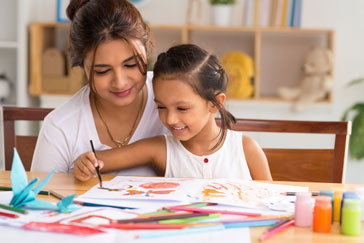
“Whether you’re in lockdown, holidays or at any other time, there are many art activities that can be done together at home, which are fun and at the same time hugely beneficial for a child’s wellbeing,” she says. “With the emphasis on the process of doing art together, rather than what the drawing or painting looks like, these activities can encourage bonding, create dialogue and allow family members to share and talk about the world and their feelings.”

Here, Frandsen suggests 5 fun art activities that will help children and families bond and express their emotions…

children's emotional art

1. Draw a Mandala

The word ‘mandala’ means circle in ancient Sanskrit and is a pattern with a circle within a circle, representing the universe. Start by drawing or tracing a small circle in the centre and then continue drawing a few outward concentric circles and patterns to complete the mandala. Your mandala can then be coloured in with coloured pencils or markers. Adults can help smaller children to draw the basic outline for their mandala. Because of the repetitive nature, drawing mandalas is calming and helps focus the mind. Colouring in the finished mandala is also relaxing as the outlines serve as boundaries or frameworks within which the colouring can be done.

children's emotional art

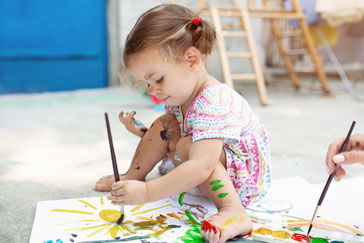
2. Draw or paint your emotions

Ask all members of your family to draw or paint how they’re feeling at that moment. When done, ask everyone to talk about what they’ve painted and encourage them to talk about the colours they’ve used, the marks or images they’ve painted and why they made that choice. Talking about feelings in a family setting isn’t always easy and this is an excellent exercise to build trust in each other and create dialogue about our inner worlds. It’s important that there’s no right and wrong and that adults reassure children their feelings are heard and valid, no matter what they are.

children's emotional art

3. Draw outside

Take art materials into the garden, where parents and children can pick a flower or find a feather, leaf or insect, and then talk about what they found and why they chose it. Then, everyone should draw or paint their object. This is a great way to encourage dialogue and to learn about each other, while spending peaceful time outdoors.

children's emotional art

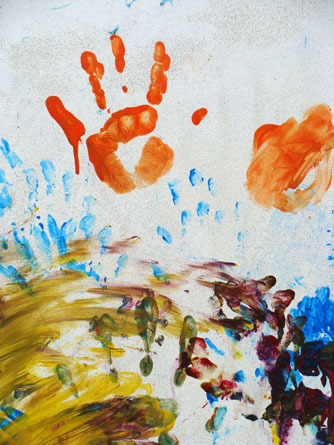
4. Make clay handprints

Parents and children need a ball of clay each, which should be flattened until it’s roughly the size of each person’s palm. Press your hand down into the clay to create an imprint of your hand. Now compare all your prints and talk about how similar, but different and special we all are. You could also print the paws of cats and dogs. When the prints are dry, they can be painted and exhibited together. The tactile, sensory quality of clay is a relaxing material to play with and especially therapeutic where anger or control is an issue. Making handprints is an excellent way of encouraging dialogue about how unique we all are. Assembling them into a family artwork is not only bonding, but is visual confirmation of each family member’s valued part in the family.

children's emotional art

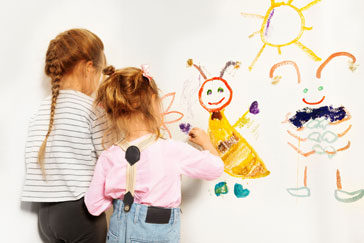
5. Do a group painting

Use a large sheet of paper or several pieces glued together. Arrange the family members equally around the paper and ask each member to start painting where they are and to work towards the middle until all paintings meet in the centre. There are no restrictions on what or how each member chooses to paint. When completed, ask members to describe what it was like for them to work together, what feelings they experienced and what they think of the finished artwork.

Once again, this exercise is excellent in opening dialogue. Group paintings are bonding, but can often evoke intense feelings about your place in the family, entering into another’s space, and boundaries being infringed. Reassure everyone that all feelings are valid, and positively reflect on the value of creating something together as a family.

children's emotional art

Do Grannies Have Green Fingers by Fransie Frandsen is published by Artfox.Bookwolf on June 11, priced £7.99.

10 Fun Craft Projects you Can do With the Kids

Hobbycraft's children's craft ideas

Give in and get creative. Claire Spreadbury rounds up her top picks for families.

When the stress of homeschooling starts to heighten, crack out the craft – easy, fun projects are great for encouraging kids to be creative, and can be relaxing too.

Get involved if you can, as focusing on just one thing can be wonderfully mindful, while your children will love spending quality time together. And if the mess stresses you out, choose an option you can do outside on a warm day – it’s the perfect antidote to feeling cooped up and crazy.

“When it comes to kids crafting, I would say the messier and the more creative, the better,” says Holly Harper, head of inspiration at notonthehighstreet. “One of the qualities I admire most in my nieces and nephews is their boundless imagination, and I tend to find the more freedom they have to do what they want, the more they enjoy the activity and the longer it keeps them occupied.”

Hobbycraft’s Ideas Hub is full of fun and simple projects. Katherine Paterson, their customer director, agrees getting crafty and creative is a great way to keep the kids entertained. “We’ve also launched an online Daily Kid’s Craft Club, with a different theme posted at 11am Monday-Friday on Facebook, Twitter and Instagram.

“The craft club is focused on a theme, rather than a specific project, so more children can get involved using whatever materials they have at home. We’re seeing some really fantastic creations.”

Need some ideas? Try some of these crafty creations for yourself…

Hobbycraft's children's craft ideas

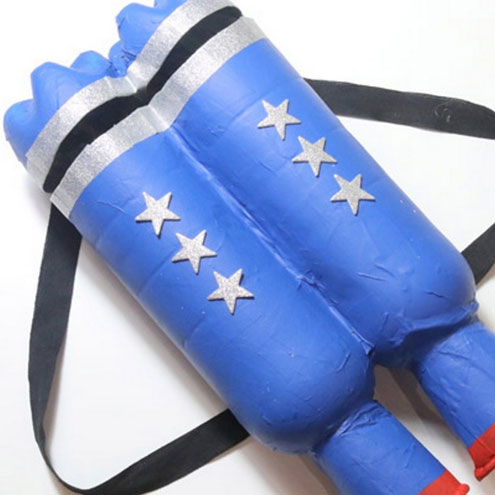
1. A rocket made from recycling

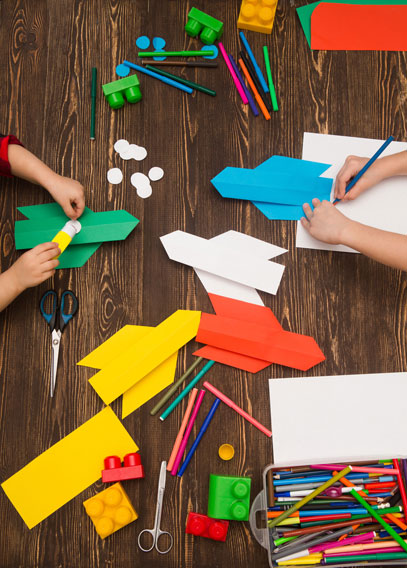
Let little ones raid the paper and plastic recycling and build rockets which can be painted in brilliant colours. You can even make one into a rucksack by adding string or ribbon for straps.

Hobbycraft's children's craft ideas

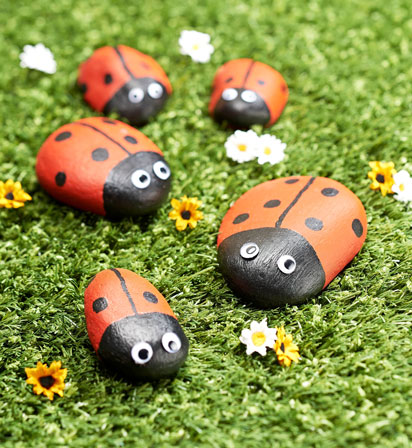
2. Decorated stones

Painted pebbles are a must – they’re super easy and gorgeously pretty. Get the kids in the garden, or searching for stones on your daily walk. From ladybird pet rocks to crazy aliens, there are endless designs to be created. You can paint NHS rainbows and hide them in the woods for other children to find and re-hide, or get really arty by painting on beautifully intricate patterns.

Hobbycraft's children's craft ideas

3. Immerse yourself in nature

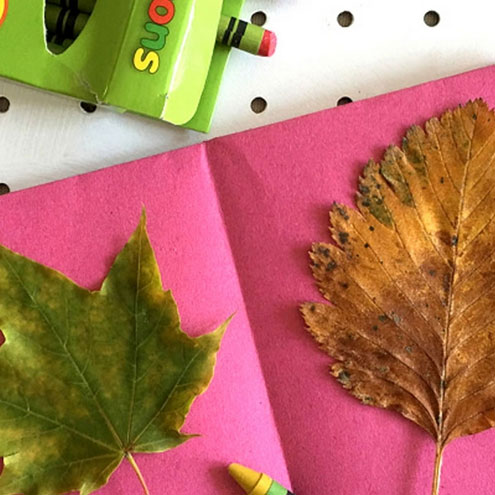
Experiment with items found in your very own garden. Create a leaf rubbing, pine cone spider or a twiggy wind chime. Or collect up leaves, stones, sticks, flowers and grass, and create a nature picture or art installation (look up work by Andy Goldsworthy for inspiration).

4. Create crafty cookies

Bake biscuits and let the kids go to town on the decoration. Use sweets, chocolate, mini marshmallows, icing, sprinkles and popcorn, or buy a Children’s Monster Bake And Craft Kit, £23, from notonthehighstreet.

Hobbycraft's children's craft ideas

5. Make a scrapbook

Now is the perfect time to start scrapbooking. Buy a book and let the kids stick stuff on the pages, write about their day, draw pictures and create collages. It will be a work of art and a memory to look back on once life returns to normal.

6. Master brilliant bunting

Everyone loves a bit of bunting – it’s so cheering, and easy and cheap to create. You can either use scraps of fabric (try upcycling old, unwanted clothes) and sew triangular shapes of colourful bunting, which can then be stitched on to a fabric string or ribbon. Or you can cut out paper or card triangles, punch holes in them, decorate with paint or pen, and string them up. It’s bound to brighten up the place.

Hobbycraft's children's craft ideas

7. Paint like Pollock

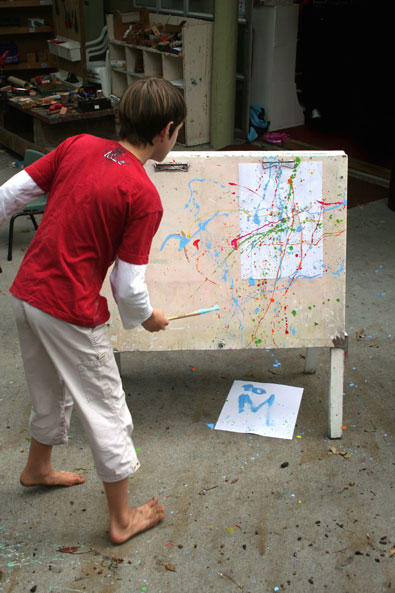
Splash out on a lovely big canvas (Hobbycraft have a huge range from £6-£18) and make a family splatter painting inspired by Jackson Pollock. Choose your paint colours, get brushes of all sizes at the ready and take it in turns to splatter the paint over the canvas. Keep going, one-by-one, until you’re happy with the finished result.

8. Transform into a robot

Had anything been delivered to you in a large box recently? Let the kids make a robot outfit out of it by sticking bits together, cutting holes for the head, arms and legs, and decorating it however they fancy.

Hobbycraft's children's craft ideas

9. Let someone know you’re thinking of them

Make cards or postcards to send to friends and loved ones your kids are missing. The fronts can feature hand-drawn pictures or decorations galore, while inside or on the back, children and parents can write messages of love. Tell someone you miss them and why, say something that will make them happy, then send them through the post for a delivery of joy. If you fancy a kit to get you started, you can buy a Kids Colour In Postcard Portraits Pack for £6.50, from notonthehighstreet.

10. Build a den

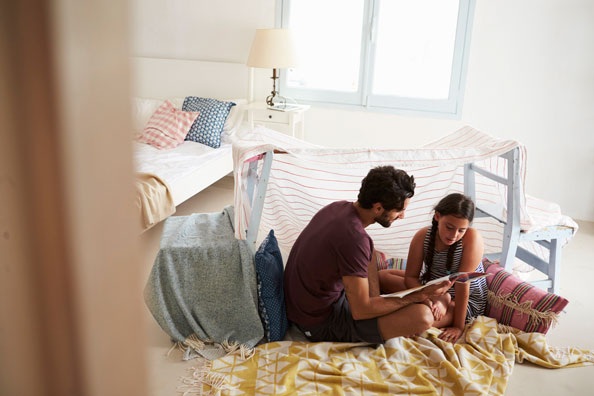
Who needs an actual tent when you can build a den? Gather sheets, tarpaulin, card, newspapers, mats, twigs, cushions – anything that might be useful for taking cover beneath – and go to town building the biggest and best den you’ve ever attempted. Make signs for the ‘door’, and thread leaves on to sticks to prettify the area, then sneak tea and biscuits inside.

How to Dry Home-Grown Blooms

home grown dried flowers

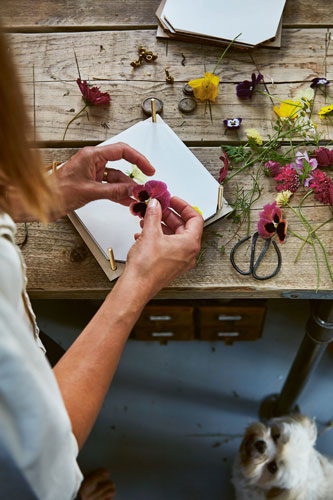
Make everlasting mementoes and gifts by growing and drying your own flowers, with help from expert floral artist Bex Partridge.

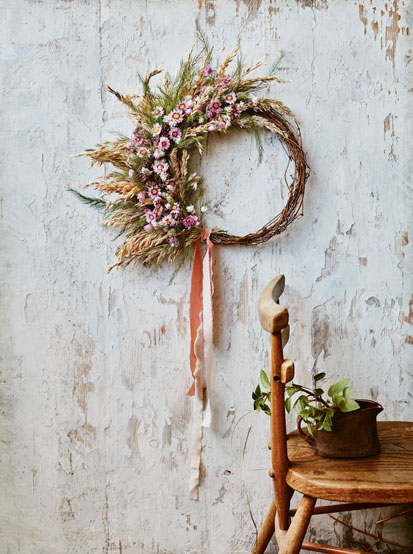
Gardeners may be looking for new ways to make the most of their fruit and flowers this year – and dried flowers are once again catching on. Head-dresses, gift cards, wreaths and framed indoor displays can all be made using dried flowers you’ve grown yourself.

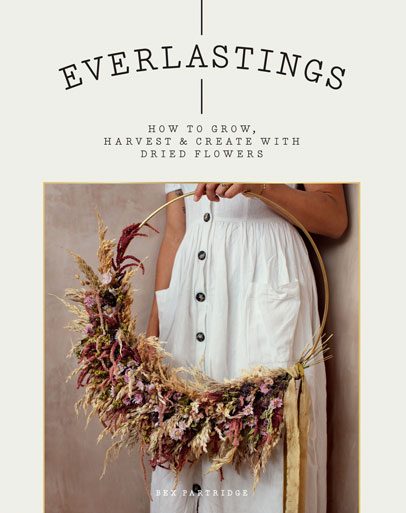
Floral artist Bex Partridge, author of a new book, Everlastings, explains: “Most of us have probably done this at some point and felt the joy of discovering a forgotten pressed bloom as it flutters from the pages of a book.

“While I usually press smaller flowers and leaves, I’ve recently enjoyed drying bigger branches and ferns. The results can be quite stunning and, when included in arrangements, add structural charm.”

home grown dried flowers

What are the best flowers for drying?

“As a general rule, the best plant material to dry tends to have slightly woodier stems that are less juicy in feel – think delphiniums rather than dandelions,” advises Partridge.

The best include Alchemilla mollis (lady’s mantle), astrantia, foxgloves, delphiniums, meadowsweet, honesty, globe thistles, sunflowers, nigella, hydrangea, allium, poppies, scabious and statice, although there are many more, she says.

“Start with perfect specimens, making sure the petal edges are nibble-free. It’s important to press them as soon as you pick them too, otherwise the petals will begin to droop and that will negatively affect the end results.”

Avoid big, blousy blooms

“Most flowers respond well to pressing, with the exception of big, blousy blooms that are too full of moisture or have too many layers to dry out properly, although individual petals can be separated and dried,” says Partridge.

“Daisies, nigella, bluebells and poppies will bring you stunning results. Think about the form of the flowers when pressing – you can press the heads alone or the whole stem and leaves for a striking display.”

home grown dried flowers

What about air drying?

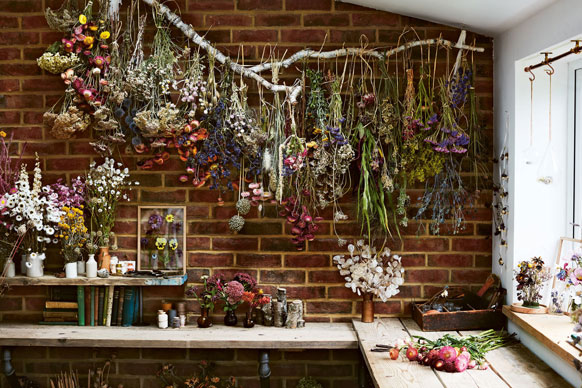
This is the simplest way to dry flowers en masse. Begin by stripping all unwanted foliage from the stalks, leaving some of the top foliage surrounding the flower as it adds extra texture and gives a more natural appearance to arrangements.

Gathering a handful of stems together, wind a length of string or twine around them a number of times, securing it with a tight knot at the end, and leaving enough string to form a loop to hang them with. The stems themselves will shrink as they dry, so make sure you’ve tied the bunches tightly enough to keep them together, but not so tight the stems get crushed.

Ideally, bunch flowers of the same variety together for ease when you use them, or store them in boxes and try to ensure the flower heads aren’t sitting too close together to allow for good air circulation.

Air dry bigger blooms upright

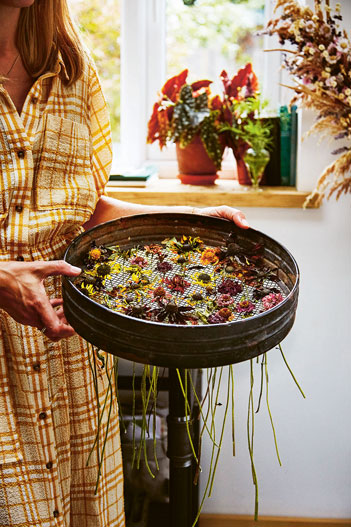
Bigger headed blooms dry better facing upwards, as it results in a more open appearance and, if they have particularly heavy heads, ensures they don’t droop. Partridge uses a reclaimed riddle (flat sieve) for this.

“Stripping the stems of all foliage, I slot each stem individually through the small holes until the head of the flower rests on the mesh. I attach a hook in the centre of the riddle or an upside down wooden crate, and hang it in my drying cupboard.

“If you don’t have a riddle, you can use some fine metal mesh or chicken wire secured to a frame – or a cardboard box with holes punched through would do.”

home grown dried flowers

When air drying…

Always try to dry your materials in a dark place, as light bleaches colour out of flowers. The space you use should be normal room temperature and completely free of moisture in the air. Ideal spots are airing cupboards, cupboards under the stairs, or a dry, shady shed.

You can buy hooks and herb hangers to hang from the ceiling.

How long will it take?

Most things will have dried within three to five weeks, and can either be left hanging where they are or transferred to storage boxes lined with newspaper or tissue paper.

Avoid placing too many bunches on top of each other, to prevent crushing delicate buds and flower heads, then store them in a dark, dry space until you need them. Materials can last many years stored this way.

home grown dried flowers

What if you’re short of time?

“Possibly the easiest method is dry evaporation,” says Partridge. “The beauty of it is, you can enjoy the flowers while they dry, and if it doesn’t work as you’d hoped, you can just compost them.”

After stripping the flowers of any unwanted foliage, and definitely anything that sits below the waterline, put the flowers in a vase and add approximately two inches of water. Ensure the ends of the stalks sit in the water.

Then wait – it can take a few weeks for the flowers to dry completely. There is no need to top up the water. This method works particularly well with hydrangeas, which can be fickle when dried in other ways. Gypsophila, spray roses and mimosa respond well too.

If you’re using a flower press…

Cut off unwanted foliage and use flowers in their prime. If necessary, dry the petals and leaves with kitchen paper or a tea towel to ensure they’re totally dry before pressing them. Store in flat large envelopes or cardboard boxes, with the pressed flowers separated with tissue paper.

And if you don’t have a flower press…

A big book works just as well – as long as you don’t mind a few marks on the pages.

Everlastings by Bex Partridge is published by Hardie Grant, priced £14.99. Available now.

×
Find a Property
M
Country & Equestrian
By submitting this form, you agree to McCarthy Holden using your personal data in accordance with our Privacy Notice.