7 of the Hottest Homeware and Interior Design Trends of 2020

interior trends 2020

From gleaming metals and rich opulence, to unfussy, functional pieces, the dawn of a new decade has something for everyone, says Sam Wylie-Harris.

It may only be autumn, but interior designers are already predicting how we’re going to be dressing our homes in 2020.

So, how’s it looking? To find out, we’ve gone behind the scenes at Top Drawer, the UK’s leading design-led trade event, where Louise Healy-Adonis – trend forecaster and senior strategist at Flamingo – shares her insider insights for the coming seasons.

These items aren’t available to buy yet – but keep an eye out for designs inspired by these themes in stores and online throughout 2020.

From the finest fabrics to brilliant basics, here, Healy-Adonis reveals the key features of 2020’s hottest-tipped interior design and homeware trends, and how we can get the look…
interior trends 2020

1. Modern Relics

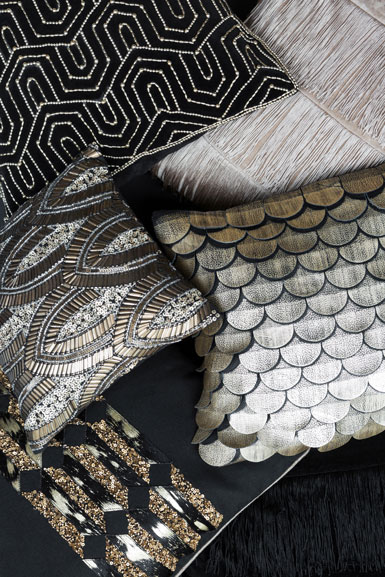
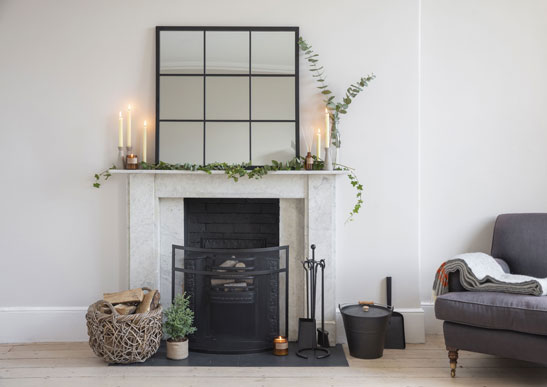
A contrast of delicate and strong shapes and details, with mixed textures. The idea of unearthed antiques interplays with modern materials to create future heirlooms.

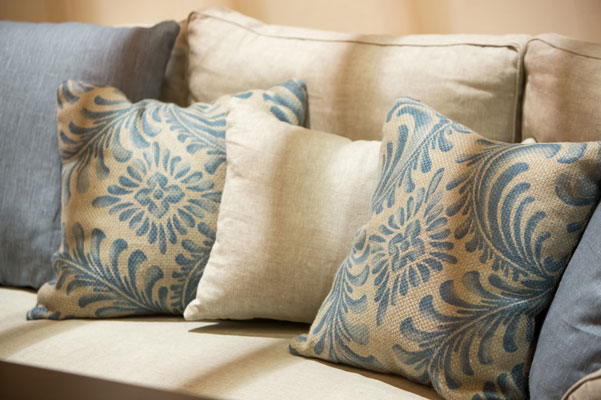
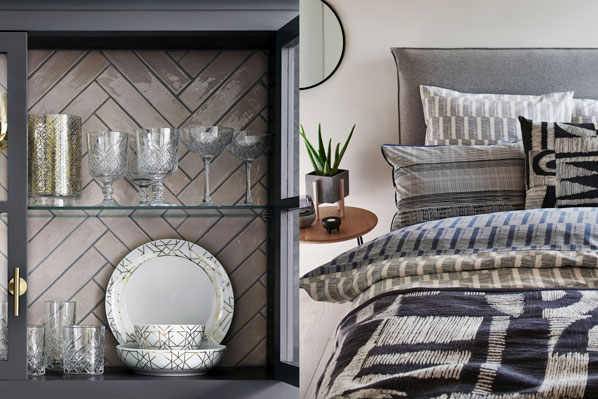
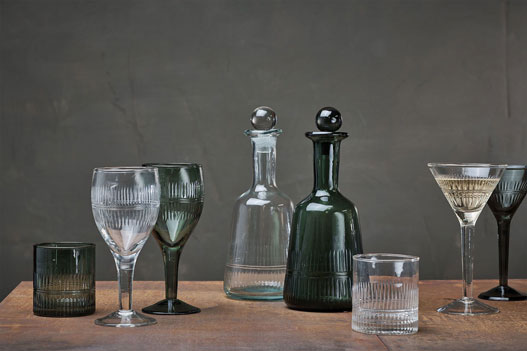
“This trend sees classic shapes given a contemporary look through new digital techniques and traditional etched surfaces. Rich textures and luxe gleaming metals add sumptuous elements to rough and irregular black surfaces of unearthed pasts. Add finishing touches to the home to complement the trend such as cushions, glassware or vases,” suggests Healy-Adonis.
interior trends 2020

2. Introspection

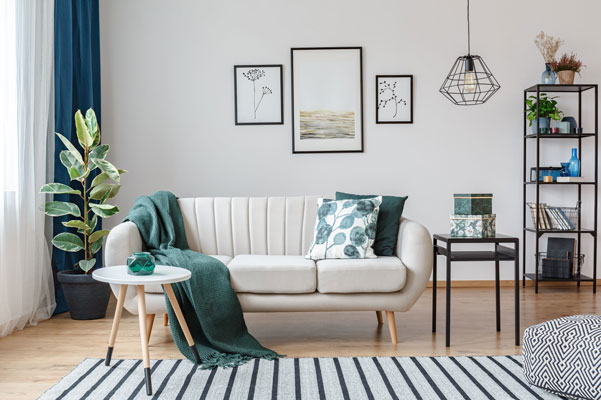
This trend sees muted, multiple inputs from our surroundings, dialled down into introspective subdued colours and calm tonal blocking. This is not stark minimalism – think meditative and calming with multi textures.

“Soft winter pales and warm neutrals create meditative, clean palettes that are grounded in natural materials,” says Healy-Adonis. “Mixed textures and serene scenes are seen in calm tonal blocking. Colours to invest in include whites, softened teals and olives, dusky pinks and light grey.”
interior trends 2020

3. Grounded Rituals

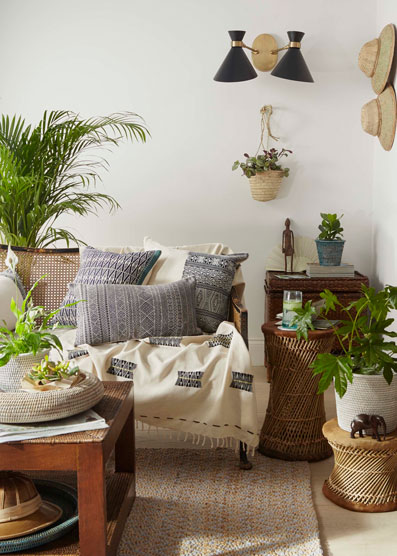
This one’s all about a natural autumnal, earthy, tactile vibe that’s tied to nature and wellbeing. These everyday items are elevated through the craft of honest materials and the uniqueness of nature. Answering the need for quiet restorative rituals.

“This trend brings the grounding of nature into the home through raw materials and handmade pieces. One-of-a-kind products are formed in metal accents, woven textiles and tactile wood. This restrained detailing and pared-back palette will enhance the sanctuary of the home,” Healy-Adonis notes.
interior trends 2020

4. Soft Assembly

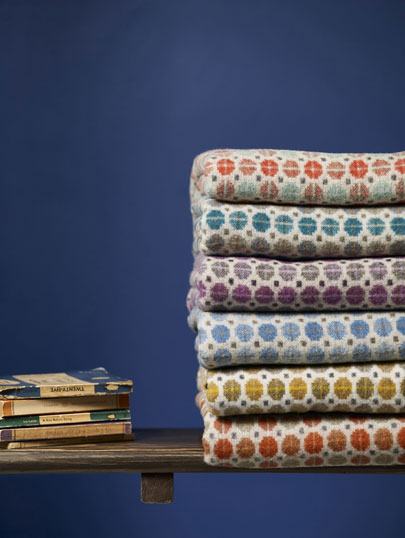
The retro modern feel combines reassuring nostalgia with playful rounded shapes and graphic prints. Imperfect outlines are key in mid-tone brights, anchored in rich navy and coffee tones.

“Irregular graphics and mid-tone brights will add the modern retro feel to the home. Look out for organic shapes with a sophisticated crafty feel. This will be seen through dining wear, throws and cushions, and decorative items,” explains Healy-Adonis.

interior trends 2020

5. Bio Flux

This trend speaks to the mix of organic and hyper-real, where natural looks sci-fi and bio-design is the future, today.

Healy-Adonis says: “This scientific and sterile trend sees a mix of organic shell-like dark tones and iridescence modernise ombre styles. The unique and free-form nature of the materials offer interesting overlays of organic colours.”
interior trends 2020

6. Sublime Opulence

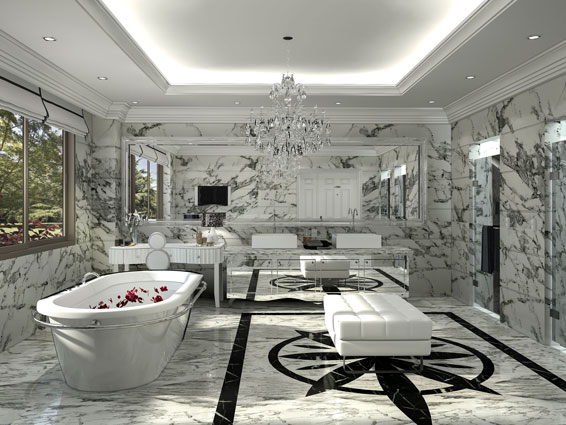
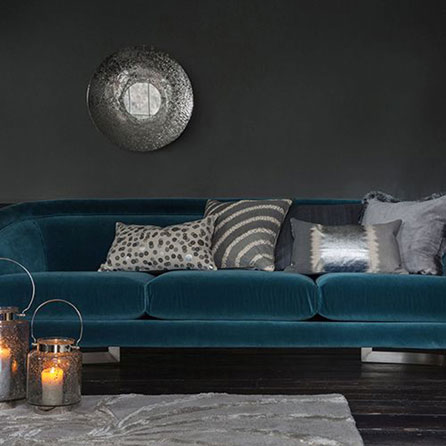
Maximalism is muted with a restrained palette of deep blues and yellow golds. Plush velvets and textured metallics reference historical detailing and add a luxurious serenity.

“Tonal blues are still a key trend for 2020, moving into a more yellow tone, adding warmth, calmness yet opulence to the home,” explains Healy-Adonis. “Historical detailing stylised with modern twists including gold-edged art prints, this is a key trend which is staying around for another season.”
interior trends 2020

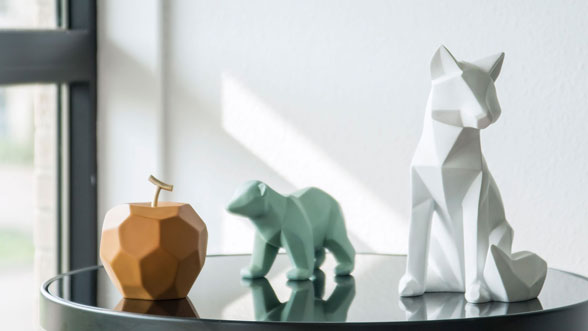
7. Industrial Organics

This trend speaks to the in-between space of man-made and organic, of the chunkiness of old machinery, but with the ease and simplicity needed for an uncomplicated life.

“With the focus on unfussy functional pieces, this trend includes asymmetric bold shapes contrasted with soft tones. Pale dusty pinks and mints, rust, ochre and blues are grounded by warm naturals and stark black,” suggests Healy-Adonis.
9 Top Tips to Make the Most of a Small Kitchen

small kitchen tips

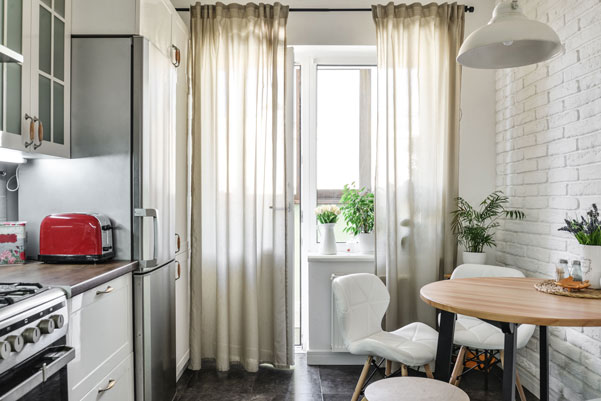
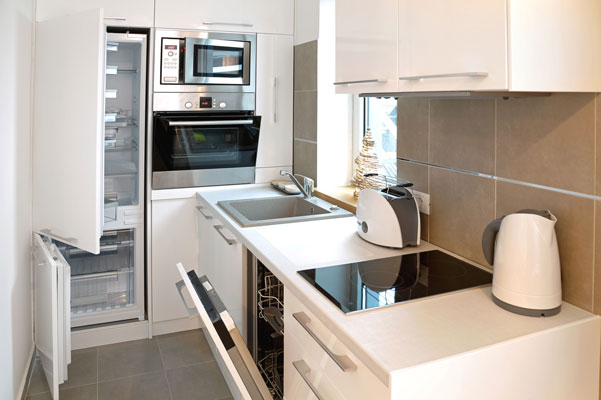
Small can be beautiful and - crucially in this case - functional too. By Luke Rix-Standing.

In the modern world of cramped shoe-box flats and sardine-tin apartment blocks, space is a rare and valuable commodity.

Wave goodbye to extended worktops, double-door refrigerators, and luxurious kitchen islands – particularly in urban areas, these are now myths from a bygone age for many of us.

When space is scarce, kitchens are often the first to feel the squeeze – there’s no headline floor-filler in this room, like a sofa or bed – but there’s no need to let that cramp your cooking.

Here’s how to keep livin’ it large, even with the most modest kitchen…

small kitchen tips

1. Purge the unnecessaries

Be totally honest with yourself – do you really need that candy floss maker, that ‘pizza oven’ that’s actually just a small oven taking up half the counter top, or that margarita maker you used once back in 2013?

“It’s the number one mistake people make,” says professional organiser, Vicky Silverthorn (youneedavicky.com). “Putting the contents of a four-bedroom house into a two-bedroom house, and keeping gadgets that come out only occasionally. The fondue set, the avocado slicer, the large dinner platters for people that don’t have dinner parties… Ask yourself what you’d prefer – the space, or the appliance you use once a year?”

2. Think vertically

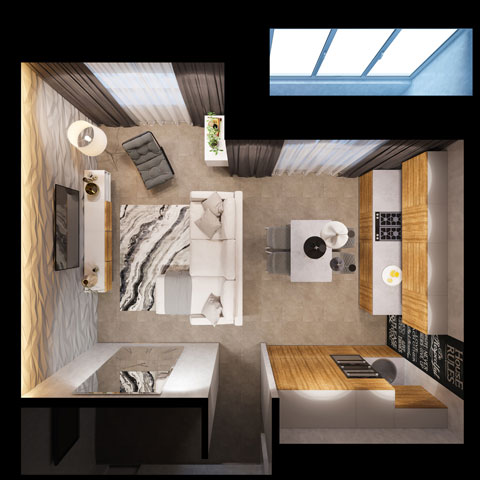
Floor space is not the be all and end all, and for those blessed with high ceilings, it’s crucial to cash in. Add extra shelves above your cupboards, or use the tops of your cupboards as extra storage space.

Time and budget allowing, you could install a vertical, sliding drawer, which may single-handedly take the place of a pantry. Think of your kitchen like a maths question – you’re calculating the volume, not just the floor area.

small kitchen tips

3. Use your corners

Corners are notoriously difficult to utilise, but unless you’re living in a water tower, every room has at least three or four of them. Wraparound corner shelves are shoo-ins for storage-starved kitchens, while floor lights and tables can be slotted in with ease. In most rooms, corners are dead space; in a small kitchen, they’re an opportunity.

4. Store in adjacent rooms

If your home is relatively spacious, and it’s just your kitchen feeling the squeeze, you can always store non-perishables elsewhere. There’s just no need to clog your kitchen cupboards with piles of pasta and tinned beans, when they could live just as happily somewhere else in the house.

small kitchen tips

5. Keep it tidy

Kitchens are supposed to be functional, efficient spaces, tailored to minimise the inherent pressures of cooking – and to keep a clear head when things get steamy, you need a clear work surface.

“It’s about putting the items that you have in the correct spaces,” says Silverthorn, “and there is no one-size-fits-all. Look out for gimmicky plastic containers that only contain a few tins – not everything needs to live in a basket, despite what Instagram says. Get stackable storage containers, or containers that fit inside each other when they’re not being used.”

6. Clever colours

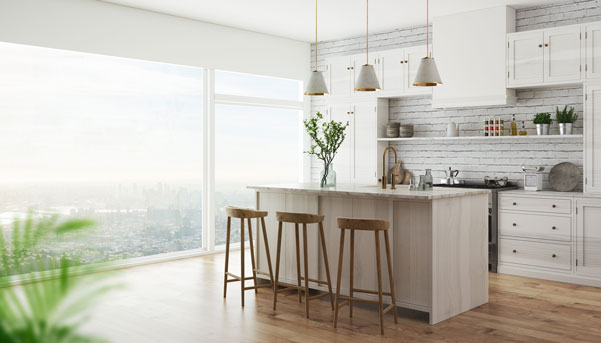
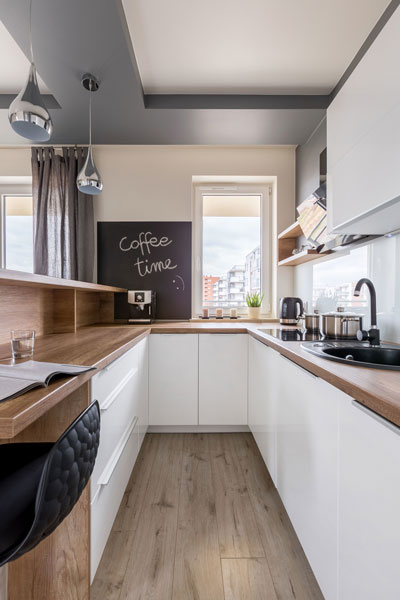
Just because your kitchen is small, doesn’t mean it has to look small. Consistent colouring helps a room feel fluid, while bright blocks of contrast colour can quickly become claustrophobic (although there are no hard and fast rules!), so consider keeping your scheme to a two-colour maximum.

Lighter colours invariably feel airier – whitewashed kitchens are increasingly common – while reflective surfaces like mirrors lend depth.

small kitchen tips

7. Tactical lighting

How large a room looks is as much about your perception as its actual size. Natural light bathes your kitchen in a vivid glow, imitating the wide open spaces of the great outdoors, while poorly-lit areas very quickly feel poky.

Artificial light is where the buck stops after-hours, and you want to mix up overhead sources with table lamps or wall lights. Accent lighting lends contrast between different parts of a room, which inevitably leaves your kitchen looking larger and more varied.

“I love lights that dim in a kitchen,” says Silverthorn. “It gives the bright, vibrant light for the morning and afternoon but can then turn cosy for when you’re winding down.”

8. Space-saving gizmos

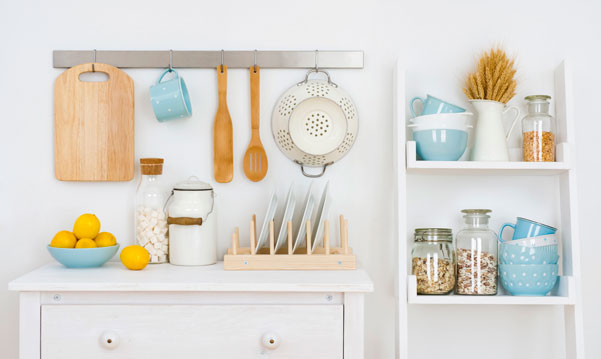
Extravagant gadgetry generally takes up more space than it saves, but there are a few specific products that earn their place. Try a magnetic knife holder – a strip on the wall that holds knives and other metallic implements – or pick up a chopping board that sits atop your sink.

Anything that can be hung should be hung. Hooks on the undersides of shelves are a go-to for mugs, while large utensils can be well catered for with rails and racks.

small kitchen tips

9. Double up

Going back to gadgetry, even seemingly sensible tools can often be economised, and canny buyers can squeeze two tools into the space of one. “Employ multi-purpose kitchen utensils,” says Silverthorn, “you’re automatically saving space.

“I’ve been working with Brabantia (brabantia.com/uk),” she adds, “and their new Tasty+ range is full of them. There’s a spatula that’s also a fork, a skimmer that’s also a ladle, a spaghetti spoon that’s also got a measuring tool in it. You’re instantly halving the utensils in your kitchen.”

Soundproofing Made Simple: How to Rid your Home of Unwanted Noise

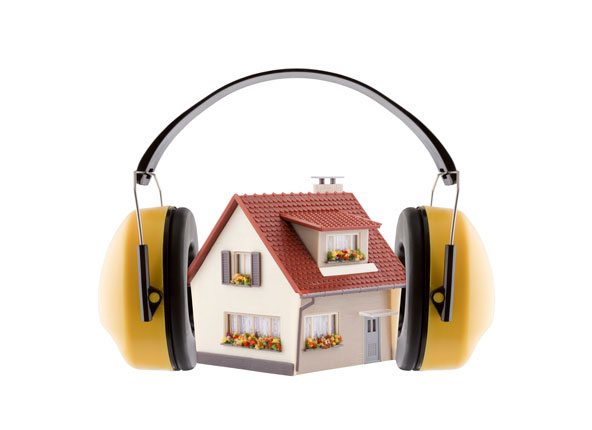
soundproofing your home

Insulate yourself against noisy neighbours, caterwauling wildlife, and the sound of honking horns. Luke Rix-Standing discovers how.

soundproofing your home

You might think soundproofing is only for music studios, or the cottages of the royals, but even ordinary homeowners can take a few steps towards sanity-saving silence.

In fact, among modern urbanites surrounded by the sounds of the city, and the increasing number of neighbours in subdivided buildings, it’s becoming more and more of a hot-button issue.

Older properties are particularly prone to noise pollution, with poorly insulated fireplaces, creaking windows and perhaps crumbling plaster allowing sound to travel almost straight through.

As with most home improvements, soundproofing also adds value to your property. Silence is golden – whether it’s for you or your selling price.

Here’s what to do if next door won’t stop arguing, your child asks Santa for a drum-kit, or your upstairs neighbour starts taking tap-dancing lessons…

soundproofing your home

Quick, easy fixes

They say you should know thine enemy, so it’s worth taking a moment to understand the sound you’re trying to repel.

“You have to think about impact noise and airborne noise,” says Jeremy Wiggins, technical director at gpad London, “the former is noise like footsteps, the latter things like music.”

Remember also that soundproofing is as much about protecting your home from itself as the outside world. Speaker systems and shouting matches make a lot of noise wherever they are, and you don’t want all your domestic goings-on to be audible from room to room.

‘Dress’ your home with furnishings that take the edge off unwanted noise. Hard surfaces reflect sound waves, while softer surfaces absorb them, so the more rugs and carpets you lay down, the less noise will go through the floor.

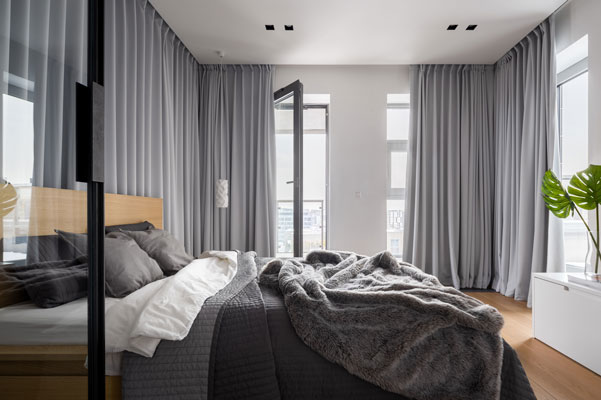
Heavy curtains help blunt sound transmission between your home and the street, and sofas and armchairs drink up the decibels, while denser materials like laminate and stone send them ricocheting around the room. That’s not to say your furnishings have to be soft, and a well-stocked bookcase is nearly as effective as a furry wall-hanging.

Even simple additions like posters have some impact, but wall insulation is determined more by their main covering. “Knowing what materials to use is terribly important,” says Julian Prieto, head designer at MyEdge2. “Wallpaper is great for absorbing some of the sound, but tiles, on the other hand, will reflect most airborne noise.”

It’s worth experimenting with noise reduction techniques before you invest in costly structural change. Simple, DIY measures like silencing squeaking floorboards don’t insulate your home, but they lessen the amount of sound you’ll need to proof.

soundproofing your home

Windows and doors

To repel external sound, first tighten up obvious access points.

Windows are a common chink in the armour, and double glazing can cut out noise and deliver handy savings on your heating bill. Gaps in window frames allow sound to seep in and out, so seal up any cracks with industrial sealant or adhesive foam strips.

Ill-fitting doors experience similar sound leakage, so install a brush or draught excluder to plug gaps between door and floor, and, for the best results, consider making your door lead-lined. Remember that noise intrusion is a two-way problem – if you can hear the hallway, your hallway can also hear you.

Many interior doors are hollow core, and poor at keeping out noise. Install solid core doors on private spaces like bedrooms and bathrooms, and add vinyl weather stripping for the best results.

soundproofing your home

Re-structured silence

So much for the literal window dressing – but it’s your walls, ceilings, and floors that are doing the heavy lifting.

In cities, it’s often ceilings that take the most flak, as heavy footfall from the flat above can shake the rafters with the force of a steel drum.

“Sound passes through floors as vibrations generated by footsteps,” says Ben Hancock, managing director at Oscar Acoustics. “Prevent this by installing a ‘floating soundproof ceiling’.”

By quite literally adding a layer, these ceilings leave a cavity which breaks the path of the vibration. They’re quite expensive, but you get what you pay for.

There are similar solutions for walls and floors. “Think of your walls as a boom box,” says Prieto. “If you tap one side and the space between is hollow, your walls will work as amplifier.” Filling the space with rock wool or acoustic foam will muffle any shared or party wall, giving your home super-high sound absorption with no real aesthetic change.

“For floors,” he continues, “there are rubber membranes that will insulate from impact noise, so you can still use hardwood floors without any problems. Nowadays, most refurbishments include underfloor heating systems – they also work extremely effectively for reducing noise.”

soundproofing your home

Want to Refresh your Home on a Budget? These Bargain Buys don’t Skimp in the Style Stakes!

Little touches can make all the difference - and you really don't have to spend a lot, says Sam Wylie-Harris.

Styling up your favourite space might take a little inspiration and creative know-how – but it really doesn’t have to cost a fortune.

In fact, once you’ve honed in on a few functional pieces, jazzy textiles and quirky decos, a swift update or quick-fix refresh can be much more playful and fun than blowing the budget on statement furnishings.
budget stylish updates

“Updating your home doesn’t have to be costly; in fact, there are plenty of simple updates that can be achieved on a budget,” says Claire Hornby, head of creative, Barker and Stonehouse.
“Whilst some might think you have to completely overhaul your home in order to give it a fresh lease of life, adding new pieces of furniture, or even accessories, can inspire a whole new trend for your home.

budget stylish updates

“Wall art is a great way to inject a sense of personality – by mixing and matching different prints, personal photos and mirrors you can not only bring a plain wall to life but also create the illusion of space with the use of mirrors,” adds Hornby.

Another approach is to introduce some new soft furnishings, such as cushions or rugs. And if you’re looking to make a statement, a bold pattern or colour can go a long way.

budget stylish updates

Finally, for many of us, introducing elements of natural life into the home is of the utmost importance. As Hornby points out: “Adorning your home with plants not only gives your room a lift but it also helps to improve your overall wellbeing.”

We trawled the shops for this season’s best bargain buys for a speedy home update…

£10 and under

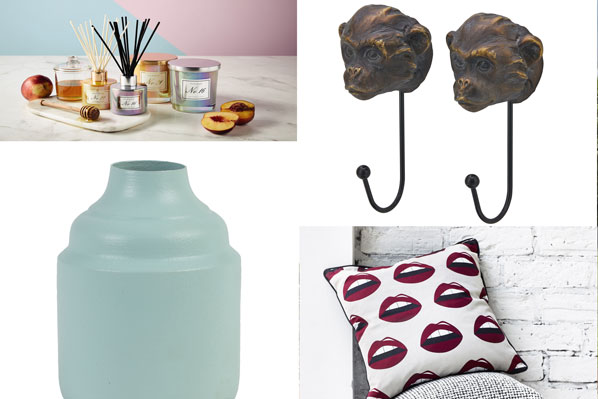
Aldi Limited Edition Oud Bergamot and Honey and Nectarine Candles and Diffusers, £3.99 each, Aldi (in store from Aug 29)

Scented candles are one of life’s little luxuries, and we love Aldi’s classy new addition.

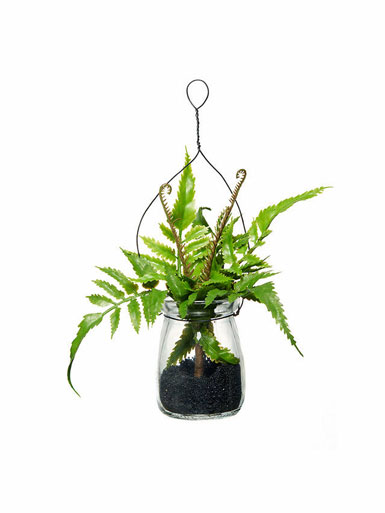
John Lewis & Partners Artificial Ferns in Hanging Glass Vase – 23cm, £6, John Lewis

Tempting to have a trio of these… Loop a ribbon and hang them high or simply place across a mantelpiece or windowsill.

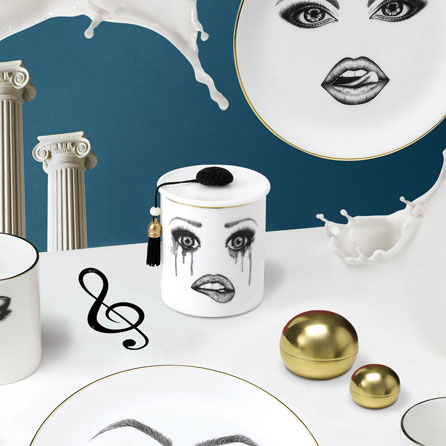
George Home Lips, Eyes and Mono Geo Cushions, £6 each, Monochrome Zig Zag Cushion, £7, Direct.asda

The playful cushions strike just the right balance, and the iconic lip print screams designer without the hefty price tag.

Dunelm Home Set of 2 Bronze Monkey Coat Hooks, £9, Dunelm

These whimsy brass hooks will play up a dull wall and can be used to hold boho baskets and summer straws – woven hats are a great prop and can be hung on bright string.

Sculpted Vase – Blue, £10, Barker and Stonehouse

A basic blue vase could be filled with wild flowers, wooden spoons and funky faux blooms to suit the season or your colour scheme.

£25 and under

Global Nomad 6 Compartment Wooden Shelf, £14.99, Homesense stores

Keep those summer vibes alive with this rustic shelf, which can also double as a mood board.

Sainsbury’s Home Kanso Living Bedroom Collection: Blue Sticks Double Bedlinen Set, £14; Blue Geo Double Bedlinen Set, £21; Monochrome Crewel Cushion, £16; Concrete Planter, £16, Sainsbury’s (in store from Sep 1)

A one-stop shop for every room in the home, we love this eye-catching geometric pattern, which is bang on trend for the new season.

Tulum Wall Banner, £20, Barker and Stonehouse

Macrame is having a very fashionable moment. These tactile textiles double up as works of art – and are versatile enough to hang anywhere.

Botanica Opulence Green Velvet Stool with Gold Legs, £24.99, TK Maxx stores

Gorgeous and glammy, this velvet stool looks so luxe, especially in this soft, sorbet shade.

George Home Gold Gin Glass 2 Pack, £7; Gold Wine Glass 2 Pack, £6; Gold Geo Hurricane Vase, £6; Timeless Gin Glass, £2; Timeless Coupe, £2; Timeless Tumbler, £1.50; Timeless Hiball, £1.50; Metallic Geo Dinner Set 12 Piece, £25, Asda (available from September)

Striking cut crystal, smart stemware and gold accents; this glassware and tableware offers fine dining on a beer budget.

£45 and under

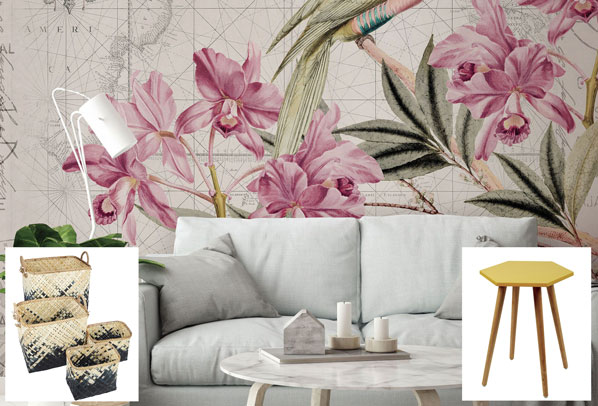
Dax Side Table (H48cm x W45cm), £30, Matalan

Bright as a buttercup, this retro looking stool can double up as a side table or book stand.

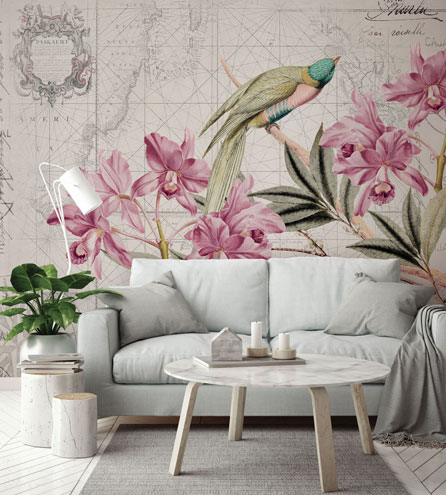
Voyage of Discovery Wallpaper Mural, from £32 per m2, Wallsauce.com

A brilliant backdrop to build on (you can start with a small image), made to measure murals can be tailored to fit your scheme. And some are so magical, armchair travellers can unearth a fantasy world from a choice of more than a million mural images.

Set of 4 Bamboo Baskets, £39, J D Williams

Having a clear out, sorting and organising ‘to get the look’ can be as much a stress-buster as going to the gym, and these bamboo baskets bring an artisan quality to home storage.

MOMA 1949 Canvas – Black and White, £45, Barker and Stonehouse

A timeless monochrome print makes for an instant update, especially if you style this 1950s portrait with natural materials and clean lines. Otherwise, think more is more and prop it on a shelf unit with a collection of vintage perfume bottles.

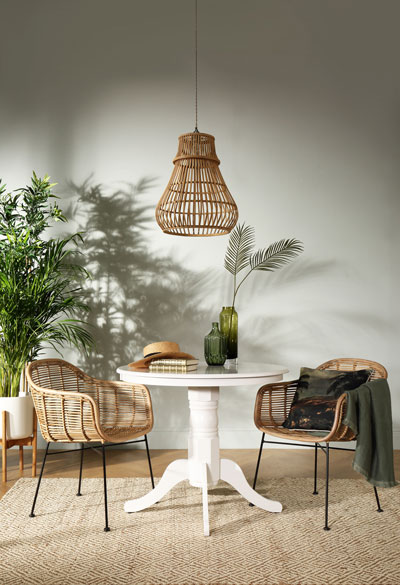
Weave Some Magic at Home, with New-Wave Rattan, Raffia and Bamboo.

modern rattan decor

No longer confined to retro schemes and conservatories, nature's most versatile materials are making a stylish comebacks, says Gabrielle Fagan.

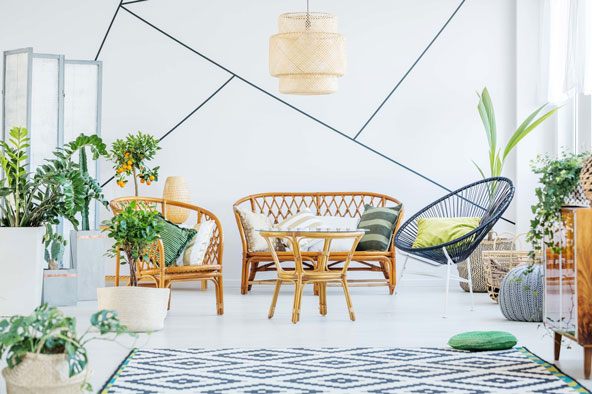
We’re all waking up to the magic of weave, with rattan – that blonde, slim, easy-on-the eye material – enjoying a starring role in homes right now.

Pinterest and Instagram are full of stunning examples of how rattan can lend a ‘wow’ factor in a way that solid wood simply can’t, and it’s totally in tune with our growing desire for natural products and organic designs in our living spaces.

modern rattan decor

Rattan was a huge hit in the Seventies, a trend that stuck for at least a decade, and has endured as a staple of the conservatory – but perish the thought that this is just a predictable reincarnation.

Designers have so transformed it, with punchy colour and imaginative chic new shapes, that pieces are good-looking enough to be focal points in all areas of the home.

Not only that – they’re seemingly so entranced by all things woven right now, they’ve also turned their creative attentions to raffia, bamboo, and even simple straw.

modern rattan decor

“Rattan really is the ‘super food’ of the homeware world,” declares Sophie Garnier, founder of Kalinko (kalinko.com), specialists in hand-woven rattan furniture and accessories made in Burma.

“Practically, the material is solid all the way through the vine, which makes it incredibly strong, and its flexibility means it can be woven into any shape. It also accepts paints and stains like wood, so can be made in a variety of colours and finishes.”

Not least, it’s a good choice, Garnier points out, if you want to burnish your eco-credentials. “It grows very quickly all year round and is harvested without harming the tree and also grows back very enthusiastically, so an A-star for sustainability,” she enthuses.

Lightweight yet sturdy, it can also look fresh and modern depending on the shape and finish you choose, notes Garnier.

Summing up its appeal, she says: “It brings the essence of the outdoors inside, which is very soothing and, while an obvious choice in the summer, will look great all year round in both classic and contemporary homes.”

What are you waiting for? Work the weave at home, with a variety of beautiful products…

modern rattan decor

Keep it light

Woven furniture won’t dominate a space, which makes it ideal for compact spaces and especially good for renters as it’s easily transportable, says Kate Butler, head of product design at Habitat.

“Fast-growing materials like rattan and bamboo are increasingly becoming key materials for us, and we’re incorporating these strong and lightweight materials into more modern designs that take advantage of their versatility,” she explains.

“They allow us to create more interesting 3D shapes, from fluid curves to angular forms, so we’re moving away from traditional rattan associations – which confined it to the conservatory – to more inspirational, contemporary ideas for the home that allow you to add more personality to a space.”

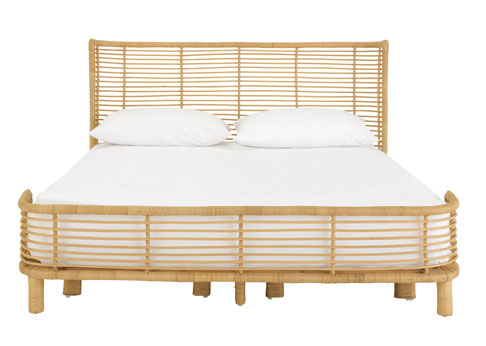
She highlights the Nadia bedframe (designed by Matthew Long), made from four individual rattan sections which clip together for easy assembly, and Habitat’s range of rattan light shades, which simply fit over a bulb.

modern rattan decor

Mix ‘n’ match

Double up for maximum effect – two chairs are better than one because they’ll look as though you’ve committed to a style, rather than bought a random piece.

If you want to make a statement, choose a rocker or a classic Peacock-style chair. The latter with its high back, which is also called a fan chair, originated in the Philippines and its striking style has featured in many iconic photographs over the years.

modern rattan decor

Scene-stealer seats

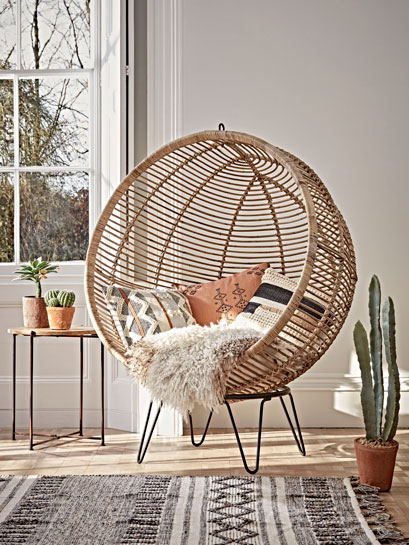
If you like a laid-back vibe, hanging chairs are ultra-fashionable currently, and Cox & Cox has an open weave Round Rattan Cocoon Chair, £650. It comes with a stand or a hook so it can be hung from the ceiling. Enhance the cosiness by draping with a Curly Sheepskin – Natural, £175.

modern rattan decor

Store & stun

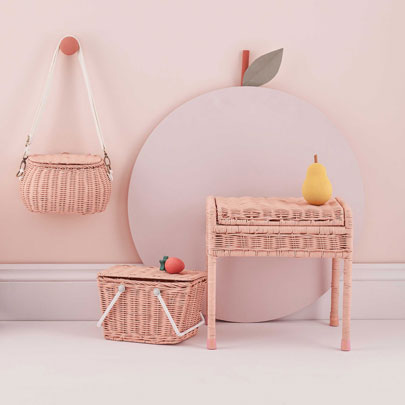
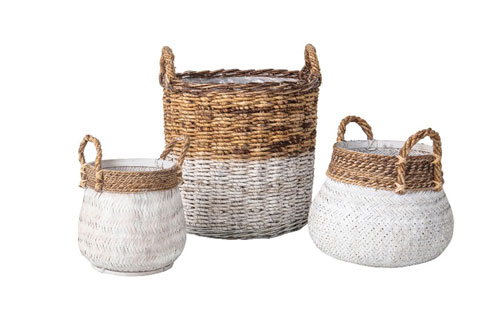
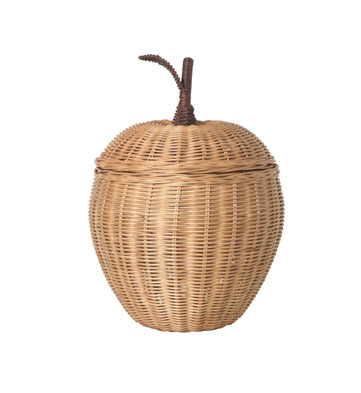
We can never have enough storage – but there’s no reason it should be boring. Turn it into eye-candy with wicked weaves featuring soft, blushing shades, which can hold everything from household essentials to toys.

modern rattan decor

Divide & Rule

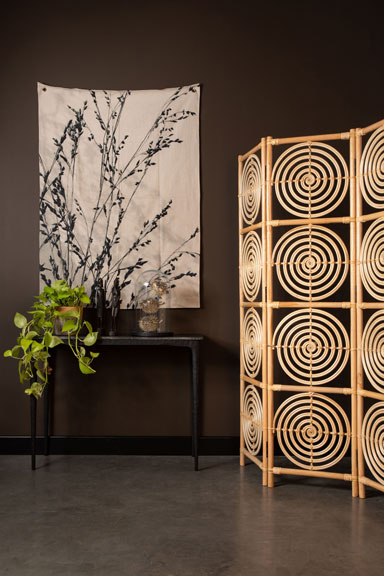
Unique pieces, like a folding screen, will conjure a tropical vibe in a living area. And you can ramp up the effect with other accessories, such a mirror, wall-mounted woven platters, occasional seating or a lamp.

modern rattan decor

From Crazy Paving to Patios: Gardening Trends Through the Decades

garden trends

As Southport Flower Show turns 90, garden designer and broadcaster Matthew Wilson looks at how tastes and trends have evolved. By Hannah Stephenson.

Who remembers when rock gardens were fashionable? Or perhaps at one point in your green-fingered life you attempted to paint your garden fence sky-blue, or adorn your patio with crazy paving?

These are just some of the trends remembered by award-winning garden designer and TV expert Matthew Wilson, a regular on BBC Radio 4’s Gardeners’ Question Time, who will be judging at Southport Flower Show later this month.

And this year mark’s the show’s 90th anniversary – so what better time to glance back at the go-to gardening looks we’ve seen come and go over the years?

Here, Wilson takes us down memory lane with a look at horticultural fads and fashions through the decades…

garden trends

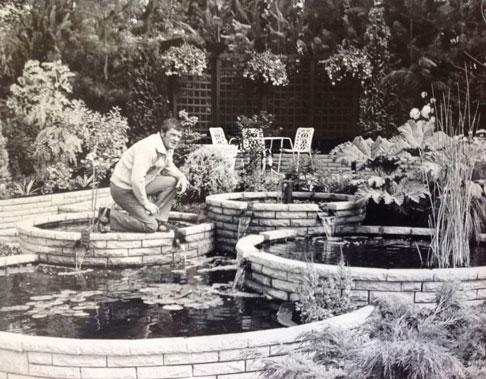
1920s: The rock garden

In the 1920s, rock gardens were the height of fashion. You hardly see them these days, although there are still some designers who produce them.

garden trends

1930s: Art deco designs

As art deco architecture came into fashion, the style often extended into gardens. Exotic plants and evergreens were shown off in simple white-walled plots or within curved brick designs.

A great deal of creative effort was put into the paving, with highly stylised patios and paths.

garden trends

1940s: Grow your own

After the war, rationing continued for many years and the ‘grow your own’ movement was a necessity, rather than a fashion.

Ornamental gardens were dug up to make vegetable patches. Even football pitches were turned into allotments, and London’s Hyde Park had a huge allotment garden.

This trend continued into the 1970s, as seen on TV in The Good Life, and then fell out of fashion – but is very much back on the agenda for very different reasons right now, linked to the concern about the environment, food miles and agricultural additives. It’s come full circle.

garden trends

1950s: Rose gardens

There was a massive interest in rose breeding in the 1950s, with growers trying to produce new and exotic coloured colours. People tried to grow blue roses, which actually cannot exist in nature but have since been grown using genetic modification.

The Royal National Rose Society had more than 100,000 members by the 1970s. People still love roses, but few would have a rose garden that is solely roses and nothing else today.

It was also the start of the British love affair with the well-tended garden lawn, as new weed-killers, mowers and products came on the market, and the 1950s was the decade when the first garden centre opened in the UK.

garden trends

1960s: Mini conifers and heathers

In the late 1960s, there was a trend for mini-conifers and heathers in Britain’s gardens. They were popular because they were fairly low-maintenance and looked good all year round.

“Like many trends, they went completely out of fashion, but I think in the next few years we will start to see a renewed interest in conifers,” says Wilson.

garden trends

1970s: Crazy paving

Crazy paving was big in gardens in the 1970s. It was popular because it gave people a unique design in their garden, often in pink or yellow, and was also cheaper than conventional paving.

garden trends

1980s: Wildlife gardening

The 1980s saw a surge of interest in wildlife gardening, with households encouraging wildflowers to grow in their gardens as concerns grew about the environment.

Chris Baines’ 1985 book, How To Make A Wildlife Garden, shot to the bestseller lists – telling people how to make their gardens a haven for wildlife. The trend of gardening with nature, rather than fighting against it, has continued and is now arguably one of the most important aspects of modern gardening.

garden trends

1990s: The TV makeover

The 1990s was the decade when gardening became prime-time TV, with shows like Ground Force with Alan Titchmarsh and Charlie Dimmock encouraging householders to give their gardens a dramatic makeover.

Decking and other recreational features became popular, as more people made the barbecue and patio table and chairs the focus of their outdoor space.

garden trends

2000s: Naturalistic planting

The new century saw the popularity of ‘naturalistic’ planting start to grow, inspired by designers such as James van Sweden in the US and Piet Oudolf from the Netherlands.

In Essex, Beth Chatto had created the influential ‘Gravel Garden’, and flower shows began to feature planting schemes that had more in common with meadows than traditional flower beds.

garden trends

2010s: Green gardening

Gardeners became far more conscious of the environment. ‘No-dig’ gardening is a big part of what we do now, and is going to become even bigger. It is a less intensive way of cultivating the soil, that prevents damage to the soil flora and fauna that are so important to plant health.

There is a big concern these days about water use and the environment, and this is driving the way we garden. Coastal towns are always drier, so building zero-irrigation gardens – for instance, thinking about the right plants for the right place – is also big.

Southport Flower Show runs from Aug 15-18. For tickets and further information, see southportflowershow.co.uk.

Seek and Hide: 6 Storage Solutions to keep You and Your Rooms Cool and Calm this Summer

summer storage solutions

Don't want to just chuck away all that clutter? Gabrielle Fagan reveals simple ways to get it out of sight.

If you’re feeling hot and bothered this summer, it may not just be the weather.

Look around your home – if it’s overflowing with clutter, and every corner and surface seems to be a magnet for bits and bobs that should be sorted but never are (the school holidays could make it a whole lot worse), this is probably contributing to those raised stress levels.

The good news is, to tackle this oh-so common scenario, you don’t have to turn yourself into a dedicated disciple of ‘Queen of Clutter’ Marie Kondo and rid yourself of every possession you’ve ever owned.

Instead, it’s time to play ‘seek and hide’. This new decor game simply involves hunting down all the ‘stuff’ you want but don’t need to stare at (or stress over) all the time, and then using clever storage solutions to hold, hide, or disguise it.

Check out six smart seek-and-hide solutions, so you can enjoy a cool, relaxing season…

summer storage solutions

1. Step into calm

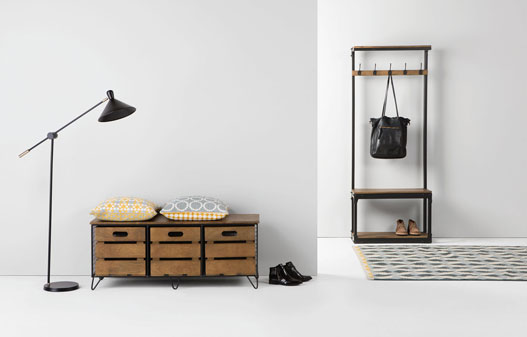
As a hallway’s the first port of call when you get home, having to squeeze your way past a chaotic collection of coats and tripping over shoes and kit every day certainly won’t make you feel zen.

Slim down that coat rack: Keep out only what’s suitable for the season and store away heavy winter coats and jackets. Check out Lakeland’s brilliant clothes storage solutions including a Vacuum Clothes & Duvet Storage Tote Bag (87L Jumbo), £16.99.

Keep shoes on a rack and label drawers on a storage chest (Polaroid pictures work well for younger children), so everyone knows exactly what goes where to encourage order rather than dumping.

2. Make a screen star

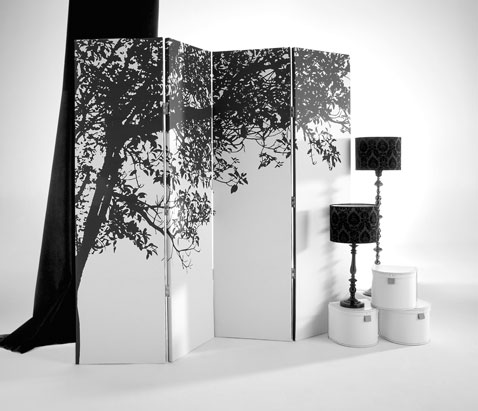
If you’ve ever felt panic at unexpected visitors suddenly arriving and seeing mess everywhere, a screen is the perfect fast cover-up solution.

These can be easily moved around to hide ‘clutter spots’, as they’re brilliant for masking a cluttered corner or untidy collection of clothes, and crucially can be folded away when not in use.

They can also work as flexible room dividers, allowing an open-plan space to be used for a multitude of purposes. Another bonus: They’re a great way to introduce texture, colour and pattern to a room and you can also use them for display, maybe as picture board for family photos.

summer storage solutions

3. Sit and store

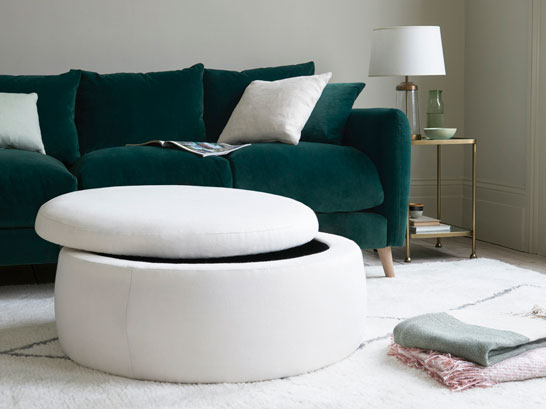
Multi-tasking seats with hidden compartments can be just the solution to get clutter off the floor. They could be the perfect home for magazines, toys, or all that debris that seems to accumulate on the top of a coffee table. Simply lift the lid, sweep away and store! A coffee table which incorporates storage is another way of keeping its top clear and tidy.

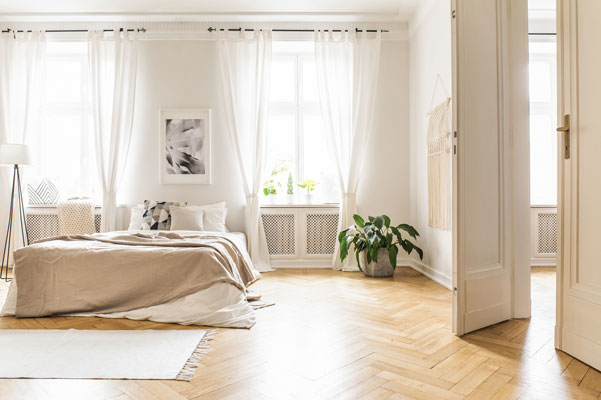
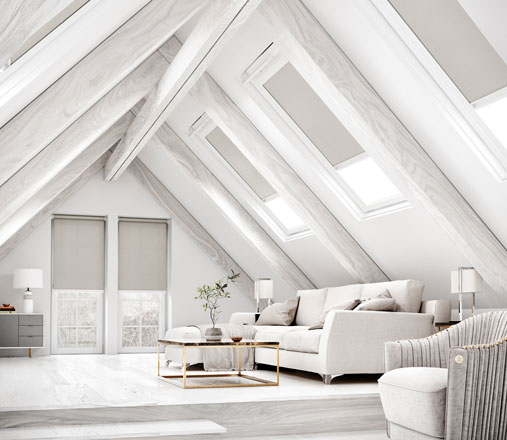
Dress windows simply with blinds – less bulky than curtains – and choose a neutral shade or white to make a room feel more spacious and airy. Sweet Dreams Placid Roller Blind, from £21.96, English Blinds.

summer storage solutions

4. Sideboards of style

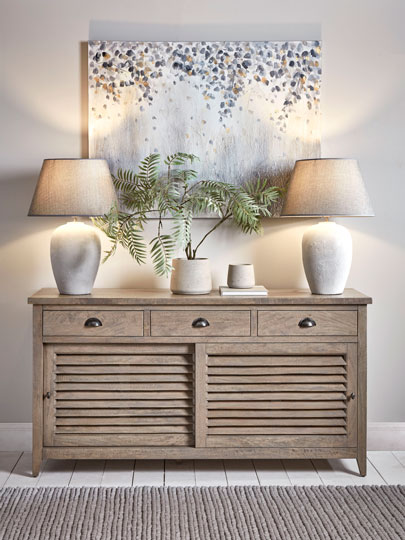
Designers are proving that while storage is necessary it certainly needn’t be dull, by creating pieces which are practical and also sleek and stylish. Sideboards can soak up a huge amount of possessions.

summer storage solutions

5. Sweet dreams storage

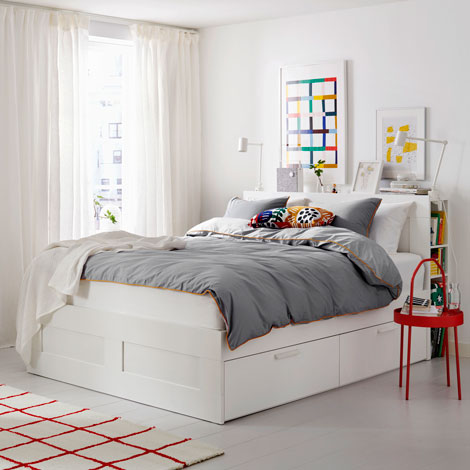
A calm, serene space for sleeping is essential, so that you relax and rest well. A headboard with storage is genius because it allows you to keep distracting clutter tucked out of sight, and can be a boon if you’re tight for space and haven’t got enough room for bedside tables.

Under-bed storage drawers can also be super-handy for stowing away bedding or out-of-season clothes that you don’t need to access for a while.

summer storage solutions

6. Magic makeover

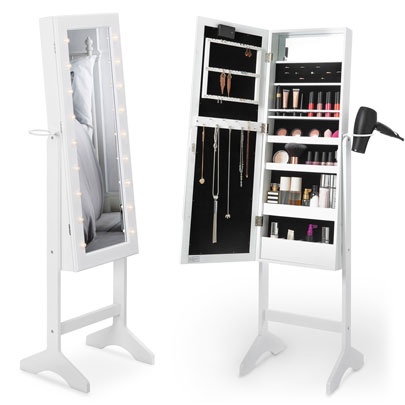
Turn that rush to get ready into a pleasure by bringing order to make-up (sort it out first and discard anything more than a year old, which is probably past its use-by date) and jewellery.

7 Bright Design Tricks to Maximise Light in Your Home

brighten your home

From curtains to decluttering and mirrored furniture, Luke Rix-Standing reveals nifty ways to give any home that dreamy light and airy feel.

Ask any interior designer: Light is one of – if not the – most important consideration in the layout of a home.

Quite apart from being essential (cooking in the dark is not advised), light provides the framework for a home’s aesthetic, and the foundation for its – to use a technical term – ambience.

It doesn’t matter how well you’ve feng shui-ed your cellar – if it’s lit by a single, flickering bulb, it’s still going to feel like the set of a horror movie.

Here’s how to make your home the brightest and best it can be, from streaming sunbeams to energy-saving LEDs…

brighten your home

Make a proper plan

Most people know that when it comes to light sources, more is usually merrier. But the result is that homeowners load up expensive fixings without taking care of even the simplest practical alterations.

For immediate improvement, a short recce goes a long way: Look at the location of your windows, what they’re illuminating, and what you want them to illuminate. Take a note of where the sun comes from in each part of the day, and if any rooms seem particularly drab and gloomy.

With your stock-take complete, move furniture that might be blocking a window’s view, and clear out cluttered windowsills. If you have several electric lights covering a space usually bathed in sunshine, rejig your room rather than spending a fortune adding to it.

Consider moving obstacles outside your home too. If your climbing hydrangea has launched a hostile takeover against your windowpanes, it’s time to call in the garden shears.

brighten your home

90% light, 10% dark

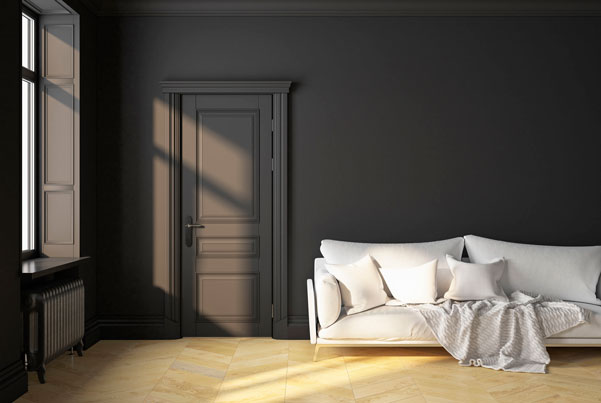
Assuming that you do, in fact, have windows, your next key point should be colour. Pure white surfaces can feel a little cold, but off-white or light cream is a shoo-in for walls and ceilings when cultivating a brighter feel.

Soft hues absorb far less light than dark ones, and for the most radiant rooms you should look beyond the masonry. Consider pastel-coloured cupboards, pale wood furniture, or light-hued decorations. There’s nothing wrong with a black leather sofa, or some statement, patterned wallpaper, but they won’t necessarily help your rooms retain light.

Aesthetically, many designers opt to add in darker trimmings. Cushions, knick-knacks and other smaller furnishings look great in dark grey or navy, and provide contrast without significantly sacrificing light.

brighten your home

Lots of mirrors

If you’re looking to increase your intake of natural light, mirrors are perhaps the most literal way of doing so. They reflect light that would otherwise be absorbed into the wall, and hanging one opposite a window sends daylight bouncing round the room.

Wall-mounted mirrors are a go-to for grooming as much as for decor, and fashion-conscious bedrooms often boast something free-standing and full-length. Next level homeowners could employ mirrored furniture – mirrored tables, mirrored wardrobes, even a mirrored chest of drawers.

Large mirrors give the illusion of a much larger, lighter space, and if the room feels bright and breezy, so too will its reflection.

brighten your home

Window dressing

Your windows are your main allies in your fight for light, so you’d be wise to give them plenty of tender loving care.

Blinds are a good bet for a light-heavy home, leaving the window entirely exposed when open and creating lovely lines of light when down. They can’t produce blackouts, so are less advisable in the bedroom of a light sleeper.

Light linen or cotton curtains are similarly appropriate – and can be hung in layers to more closely control the flow of light. Heavier, thicker fabrics like velvets and brocades are generally more accustomed to blocking light, while wide-slat shutters are flexible and channel a Mediterranean feel.

brighten your home

The lighting of the lamps

Natural light tends to gobble up the headlines, but artificial light is where the buck stops.

Let’s divide it into three stylistic varieties. Ambient lighting diffuses evenly through a room, and is usually the starting point for a larger scheme. Think ceiling lights, perhaps integrated with lamps on floors or tables.

Naturally, ambient lighting isn’t strong on contrast, so try some accent lighting to help instil separation. Accent lighting is brighter and much more directional, ensuring centrepieces like dining room tables get the focus they deserve.

Make sure these lights are not so concentrated that they behave like spotlights. You don’t want to channel a the sort of aggressive glare normally reserved for police interrogation rooms.

Finally, consider task lighting – very strong light sources marshalled for specific purposes. Think downward-facing desk lamps that can illuminate a keyboard clear as day, or a row of bulbs as floodlights for a worktop. There’s no point illuminating the corridor with pixel-perfect high-def, if your closet is so dimly-lit all your darker clothes merge into one.

Keep these principles in mind when allotting wattage in your home, and where possible try before you buy. Road-test bulb brightness, or better yet employ a dimmer switch.

brighten your home

Wash your walls

No, not with soapy water – in this context washing your wall means to splash light across a surface, creating the illusion that the whole room is aglow.

Consider vertical light fixings, that send a warm light upwards and downwards, creating a sheet-like glow across a wall. It’s better to bathe an area with one effective light source than pepper it with unattractive fixings.

brighten your home

Structural changes

For those with the time, inclination and, most of all, the money, there are plenty of home improvements that can turn dingy dungeon to gleaming greenhouse. Some are obvious – more and bigger windows, glass patio doors and so on – but others are slightly less intuitive.

Skylights are an oft-neglected sub-genre of window – the light comes straight from source and can often spread across an entire floor space.

Thick-set, dark-coloured doors can keep natural light from reaching the heart of your home, so consider glass panelling even on doors that don’t open into the air. Next-level homeowners can go one better by embracing a more open-plan layout throughout their dwelling.

Though not traditionally a light-emitting surface, even the floor can play its part. Opting for polished, well-finished hardwood, ceramic or stone can keep light ricocheting off your interiors like an underfoot mirror.

×
Find a Property
M
Country & Equestrian
By submitting this form, you agree to McCarthy Holden using your personal data in accordance with our Privacy Notice.