Which Houseplant Works Best Where – and How You Should Care for them.

houseplant care

Unsure which plants to place in the bathroom, lounge or bedroom? Houseplant expert Claire Bishop tells Hannah Stephenson her top tips.
houseplant care

As the seasons change, waving goodbye to summer doesn’t have to mean the end of enjoying gorgeous plants.

You can still keep your home feeling alive with houseplants, whatever your decor style. For those new to keeping plants indoors though, knowing what to have where can seem tricky.

Claire Bishop, houseplant buyer at Dobbies Garden Centres, offers the following tips on how houseplants can enhance a number of different styles and moods – from bright and bold, to soft, subtle and architecturally sculpted – and which ones work best where…

houseplant care

Au natural

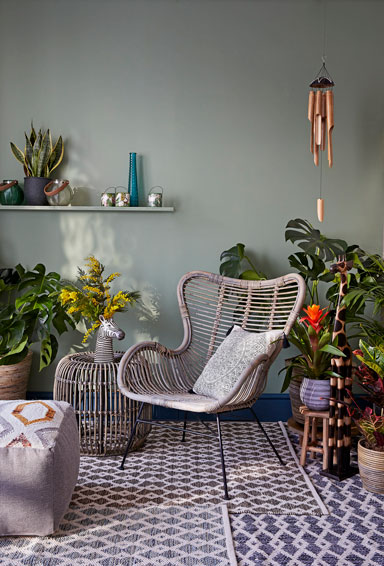
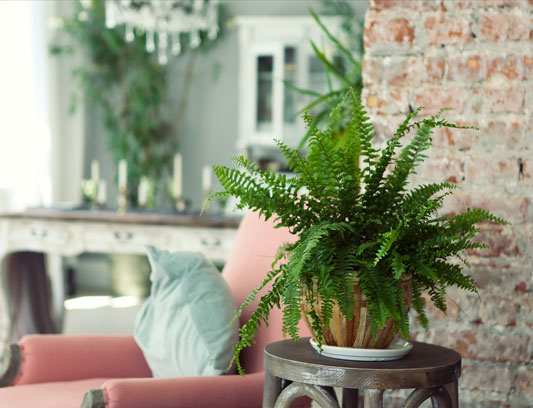
Lush green plants paired with rugged terracotta containers bring the outdoors into your home. The popular Boston fern, with its arching green fronds, can develop into a perfect sphere of intricate greenery.

Alternatively, go for the sansevieria succulent, which adds attractive marbling to the mix. Commonly known as snake plant or mother-in-law’s tongue, sansevieria are much more soothing to have around than either of their nicknames suggests.
houseplant care

Typically tropical

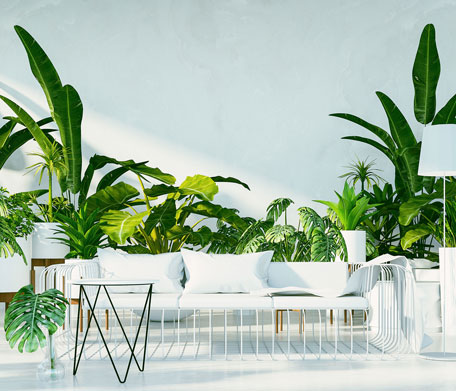
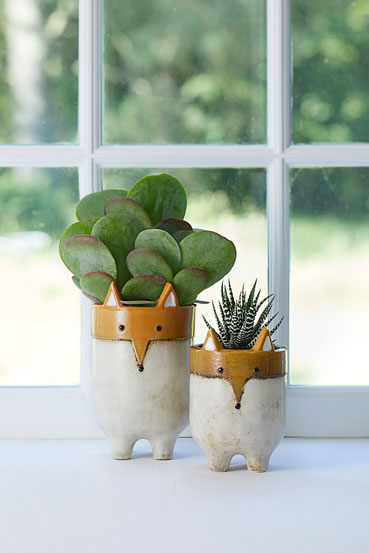
For a more vibrant look, seek out dazzling tropical plants such as the Calathea peacock plant. As the name suggests, this plant is all about display, with a feathered effect in different shades of green.

Since it originates in warmer climes, Calathea will be perfectly at home in the humid atmosphere of a bathroom or kitchen – where it’s likely to expand over time into a substantial, bushy addition.
houseplant care

Family fixture

For a bright, cheerful addition to any family room, turn to dependable, easy-to-grow favourites such as the spider plant. Thriving even in a brightly-lit lounge, the bold stripes of the variegated Chlorophytum will last all year round. Try a hanging basket to display it to best effect.

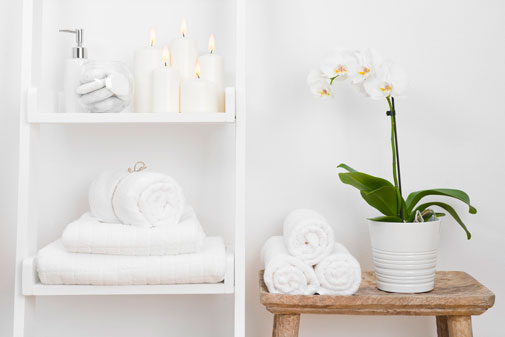
The peace lily is another go-to houseplant, being beautiful and almost indestructible – it actually thrives on under-watering. With its pure white flowers and deep green leaves, it’s a calming presence. It’s also one of the best plants for removing air pollution.
houseplant care

Shabby chic

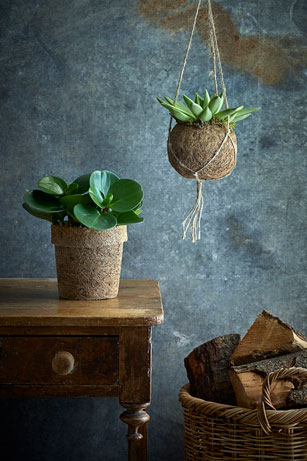
Dispense with tradition and opt for ‘guests’ that will bring personality to your rooms. Coconut shells, coffee tins, brass cans – most houseplants aren’t fussy – they’ll thrive equally happily in unconventional containers.

Based on an ancient Japanese art, Kokedama (which directly translates as ‘moss balls’) are plants rooted in soil, wrapped in moss and bound in thread. Much more than just a houseplant, these are pieces of sculptural art, perfect on a windowsill or suspended from the ceiling.
houseplant care

3 key questions about houseplants

Here, Bishop answers some of the more commonly asked houseplants questions…

1. What common mistakes do people make when it comes to houseplants?

Overwatering. It’s surprising that most of the on-trend plants at the moment thrive upon neglect, as most of them require a bare minimum of care. Also, too much light and draughts can affect plants, so being placed directly on a windowsill where the window is often opened. They can quickly recover if you reposition them.

2. Which plants would you recommend for which room, and why?

Houseplants will work well in most rooms, as long as there is natural light.

In bedrooms… Aloe vera is often recommended, releasing oxygen while you are sleeping. They are one of the best plants for air purification.

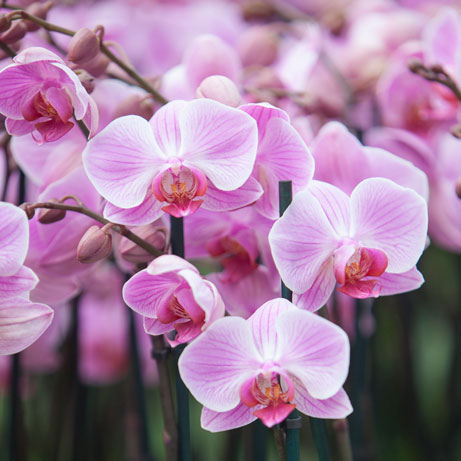
In bathrooms… Orchids are popular. They are tropical, so they love the humidity and will be at their happiest on the bathroom windowsill.

Spider plants also work well in bathrooms. Thriving in the often-humid environment, they remove CO2 from the moist atmosphere. They like to be kept in rooms that are fairly well lit and watered once or twice a week, but not in direct sunlight.

3. What tips would you give for caring for houseplants?

Succulents and terrariums are pretty easy to care for and look fantastic in groups. They can instantly change the look and feel of a room, from industrial chic to jungle inspired bold botanicals.

All houseplants require a little clean to keep them looking their best – simply wipe the leaves with a damp cloth. This is not just to keep them looking good. Removing the dust ensures good health. Take off any foliage that is yellowing, and trim damaged leaves of larger plants with sharp scissors at the same time.

During the autumn and winter months, houseplants will look their best if you give them a shower as you water, as this will keep the leaves looking green and glossy. Keep an eye on light levels in the darker winter months – some plants may need a bit more.

houseplant care

From Crazy Paving to Patios: Gardening Trends Through the Decades

garden trends

As Southport Flower Show turns 90, garden designer and broadcaster Matthew Wilson looks at how tastes and trends have evolved. By Hannah Stephenson.

Who remembers when rock gardens were fashionable? Or perhaps at one point in your green-fingered life you attempted to paint your garden fence sky-blue, or adorn your patio with crazy paving?

These are just some of the trends remembered by award-winning garden designer and TV expert Matthew Wilson, a regular on BBC Radio 4’s Gardeners’ Question Time, who will be judging at Southport Flower Show later this month.

And this year mark’s the show’s 90th anniversary – so what better time to glance back at the go-to gardening looks we’ve seen come and go over the years?

Here, Wilson takes us down memory lane with a look at horticultural fads and fashions through the decades…

garden trends

1920s: The rock garden

In the 1920s, rock gardens were the height of fashion. You hardly see them these days, although there are still some designers who produce them.

garden trends

1930s: Art deco designs

As art deco architecture came into fashion, the style often extended into gardens. Exotic plants and evergreens were shown off in simple white-walled plots or within curved brick designs.

A great deal of creative effort was put into the paving, with highly stylised patios and paths.

garden trends

1940s: Grow your own

After the war, rationing continued for many years and the ‘grow your own’ movement was a necessity, rather than a fashion.

Ornamental gardens were dug up to make vegetable patches. Even football pitches were turned into allotments, and London’s Hyde Park had a huge allotment garden.

This trend continued into the 1970s, as seen on TV in The Good Life, and then fell out of fashion – but is very much back on the agenda for very different reasons right now, linked to the concern about the environment, food miles and agricultural additives. It’s come full circle.

garden trends

1950s: Rose gardens

There was a massive interest in rose breeding in the 1950s, with growers trying to produce new and exotic coloured colours. People tried to grow blue roses, which actually cannot exist in nature but have since been grown using genetic modification.

The Royal National Rose Society had more than 100,000 members by the 1970s. People still love roses, but few would have a rose garden that is solely roses and nothing else today.

It was also the start of the British love affair with the well-tended garden lawn, as new weed-killers, mowers and products came on the market, and the 1950s was the decade when the first garden centre opened in the UK.

garden trends

1960s: Mini conifers and heathers

In the late 1960s, there was a trend for mini-conifers and heathers in Britain’s gardens. They were popular because they were fairly low-maintenance and looked good all year round.

“Like many trends, they went completely out of fashion, but I think in the next few years we will start to see a renewed interest in conifers,” says Wilson.

garden trends

1970s: Crazy paving

Crazy paving was big in gardens in the 1970s. It was popular because it gave people a unique design in their garden, often in pink or yellow, and was also cheaper than conventional paving.

garden trends

1980s: Wildlife gardening

The 1980s saw a surge of interest in wildlife gardening, with households encouraging wildflowers to grow in their gardens as concerns grew about the environment.

Chris Baines’ 1985 book, How To Make A Wildlife Garden, shot to the bestseller lists – telling people how to make their gardens a haven for wildlife. The trend of gardening with nature, rather than fighting against it, has continued and is now arguably one of the most important aspects of modern gardening.

garden trends

1990s: The TV makeover

The 1990s was the decade when gardening became prime-time TV, with shows like Ground Force with Alan Titchmarsh and Charlie Dimmock encouraging householders to give their gardens a dramatic makeover.

Decking and other recreational features became popular, as more people made the barbecue and patio table and chairs the focus of their outdoor space.

garden trends

2000s: Naturalistic planting

The new century saw the popularity of ‘naturalistic’ planting start to grow, inspired by designers such as James van Sweden in the US and Piet Oudolf from the Netherlands.

In Essex, Beth Chatto had created the influential ‘Gravel Garden’, and flower shows began to feature planting schemes that had more in common with meadows than traditional flower beds.

garden trends

2010s: Green gardening

Gardeners became far more conscious of the environment. ‘No-dig’ gardening is a big part of what we do now, and is going to become even bigger. It is a less intensive way of cultivating the soil, that prevents damage to the soil flora and fauna that are so important to plant health.

There is a big concern these days about water use and the environment, and this is driving the way we garden. Coastal towns are always drier, so building zero-irrigation gardens – for instance, thinking about the right plants for the right place – is also big.

Southport Flower Show runs from Aug 15-18. For tickets and further information, see southportflowershow.co.uk.

Summer Bedroom Bliss: 10 Cool and Stylish Updates to Snap up Right Now

summer bedroom style

Has the heatwave inspired a bedroom refresh? Sam Wylie-Harris hits the shops.

Just like our summer wardrobes, how you dress the bedroom can make a world of difference to how you feel when the sun’s shining.

And with the current heatwave, this is even more relevant – a bedroom that’s too hot and steamy (read: stuffy and sweaty) won’t do your sleep patterns any favours, resulting in a serious case of morning grouch.

But preen the pillows, buff the bed, lighten the load with a summer duvet somewhere in the region of a 4.5 tog, scent surround (we love The White Company’s Blanc collection) and hey presto, the bedroom becomes a dreamy summer haven.

Especially if you style it up with crisp linens, clean lines and a wash of colour, or brights teamed with tropical themed decos. Style your summer bedroom just right, and you’ll wake up holiday-ready without the need for a getaway…

summer bedroom style

1. Savoy Bed Linen Collection, from £20-£140, The White Company

Keeping it fabulously soft and smooth with a 400-thread-count feelgood factor, loosely tuck yourself into this 100% Egyptian cotton percale bed linen and you’ll feel like you’re on an endless luxurious escape.

summer bedroom style

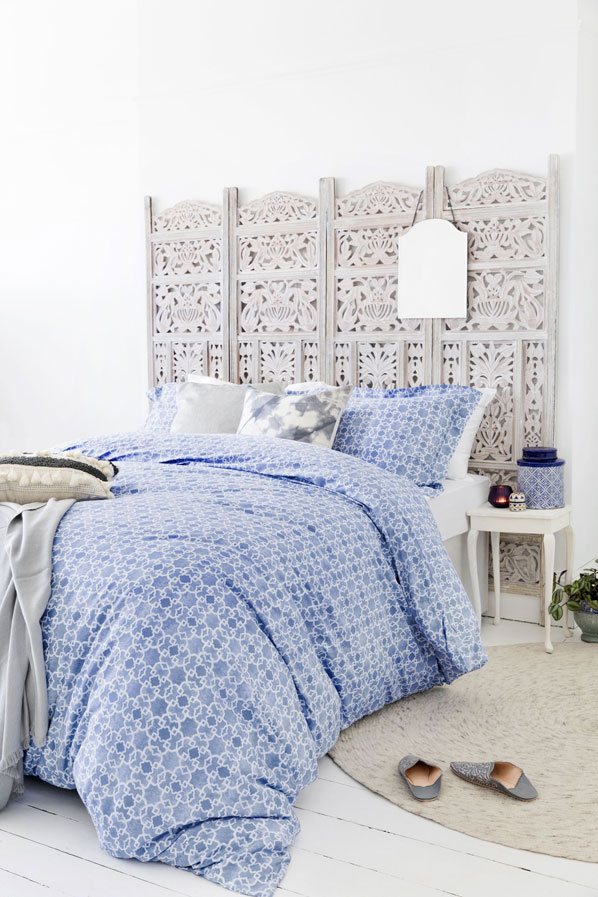
2. A by Amara Bohemian 300 Thread Count Duvet Cover – Super King, currently reduced to £25.50 from £85 (includes Oxford Pillowcase Pair), Amara

If you really want to hit the refresh button and feel free-spirited, playing with boho-chic blues in an eye-catching Moroccan tile print against a carved Moroccan style bedhead is an easy update. As Sam Hood, co-founder and creative director, Amara, points out: “To make your bedroom feel as bright as possible for the summer season, start with your bed. A fresh set of bed linen not only feels amazing to slide into but it can breathe new life into your bedroom style.”

Note: A strategically placed vintage style mirror will catch beams of light.

.

summer bedroom style

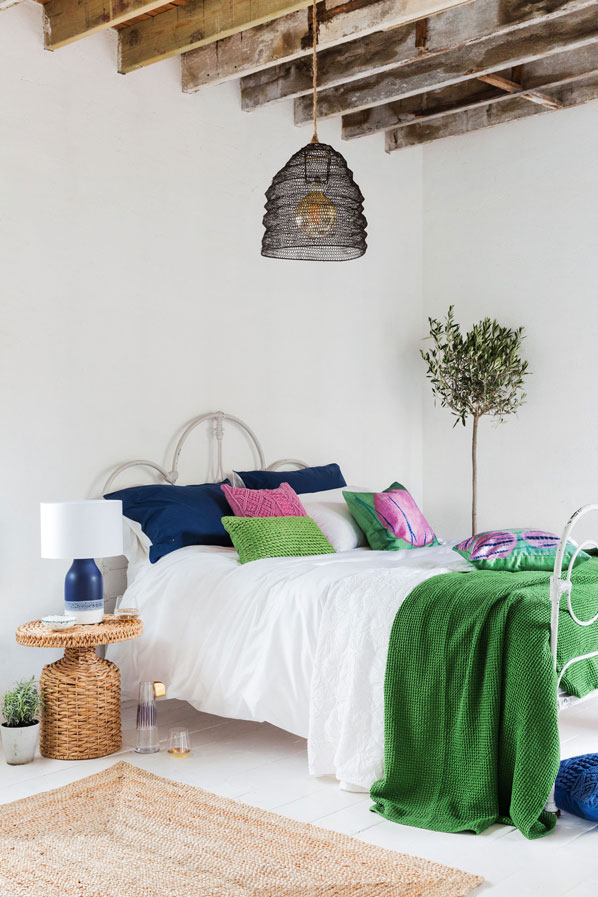
3. A by Amara 500 Thread Count Sateen Duvet Cover – White – Double, £80, and matching Pillowcase Pair, £40; Grid Crochet Cushions, £40 each; Multi Circle Print Cushion – Green/Pink, reduced to £40 from £50, crochet throw and accessories from a selection, Amara

White with a pop of colours feels bright and fresh, and craftwork is a really thing this summer, with woven wonders now far more than a basket or espadrille staple – think cushions, rugs, basket boxes and hanging planters.

summer bedroom style

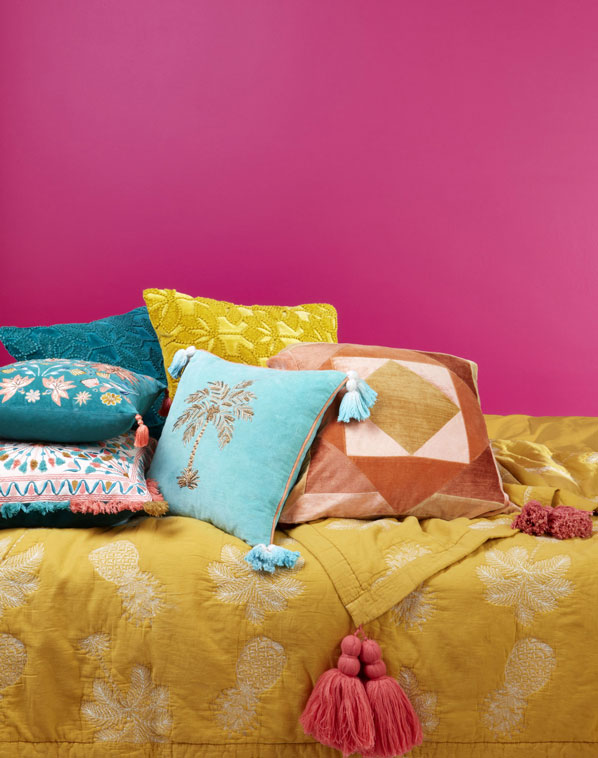
4. MW By Matthew Williamson – Turquoise Bead Embellished Cushion, £26; Orange Velvet Patchwork Cushion, £35; Yellow Pineapple Embroidered Tassel Throw, £100, Butterfly Home by Matthew Williamson – Multicoloured Floral Embroidered Cushion, £40, Debenhams

The flip-side of calming neutrals, rich velvets embellished with sequins, handcrafted trims and tassels can be just as dreamy as beige and ivory – especially with an undertone of gold adding a touch of shimmer to tropical themes.

summer bedroom style

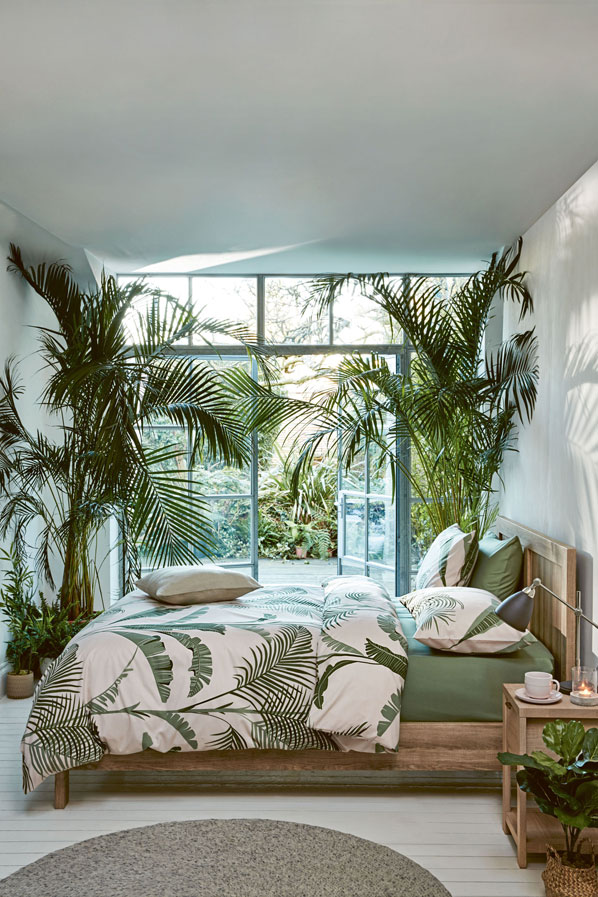
5. Exotic Palm Printed Bedding Set, from £17.50-£29.50, Marks & Spencer

Anything beginning with ‘palm’ usually emanates luxury, or exotic, far-flung destinations and a sun-lounger under the shade of a swaying tree.

Luckily, this leafy jungle palm print isn’t a summer sellout (yet). Within a shake of the sheet, you can almost feel the sand beneath your feet.

summer bedroom style

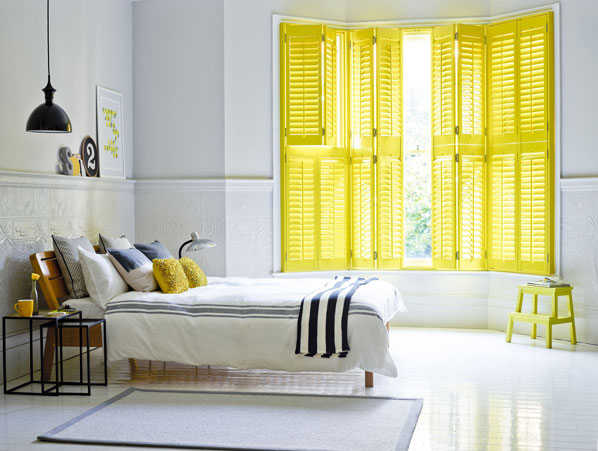
6. Yellow Full-Height Shutters, from £168 per m2, California Shutters (Bedding, stylist’s own)

“During summer, some bedrooms – particularly south-facing ones – become uncomfortably hot because of the light that streams through all day. Shutters can block this (at times harmful) sunlight, allowing the room to cool,” says Chrissie Harper, customer experience manager, California Shutters.

“In addition to the benefit of temperature control, shutters are also the ideal solution for balancing light and privacy in rooms, where comfort and wellbeing are a must.”

And while buttercup yellow seems perfect right now, this bright hue is not just a summer fling. Think of these as an investment piece that can be fashioned as saffron yellow come the autumn.

summer bedroom style

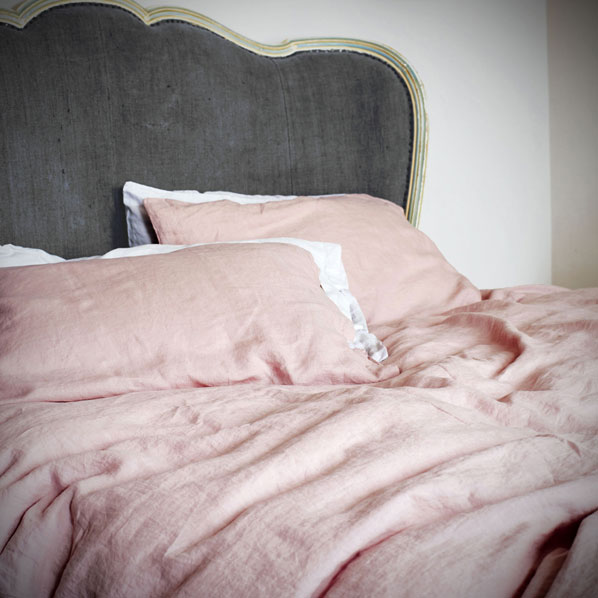
7. Oslo Blush Bed Linen – King Size Duvet, £185; Set of Two Pillowcases, £45, Graham & Green

Our rose love affair shows no sign of dwindling, whether it’s the sweep of rosy blush on our cheeks, an up-to-the-minute pink pout, or feeling girly in peony. So why not a wash of rose in cool linen for the bedroom, for a bed that feels as fresh as that next glass of Provencal pink?

summer bedroom style

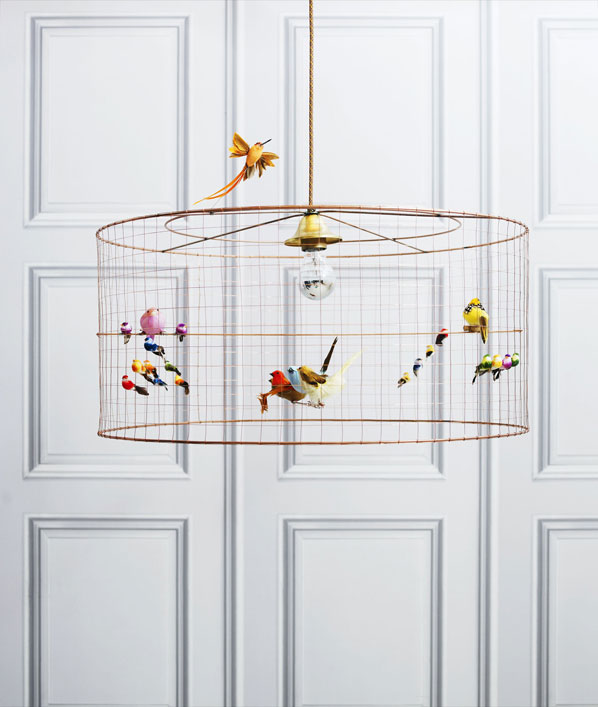
8. Volieres Medium Bird Cage Pendant, £499, Graham & Green

And to crown the bed, we love this whimsy chandelier with decorative birds made from real feathers which have been ethically sourced. Handmade and a unique flight of fancy, each chandelier comes with its own assortment of birds and you can almost hear their tranquil birdsong.

summer bedroom style

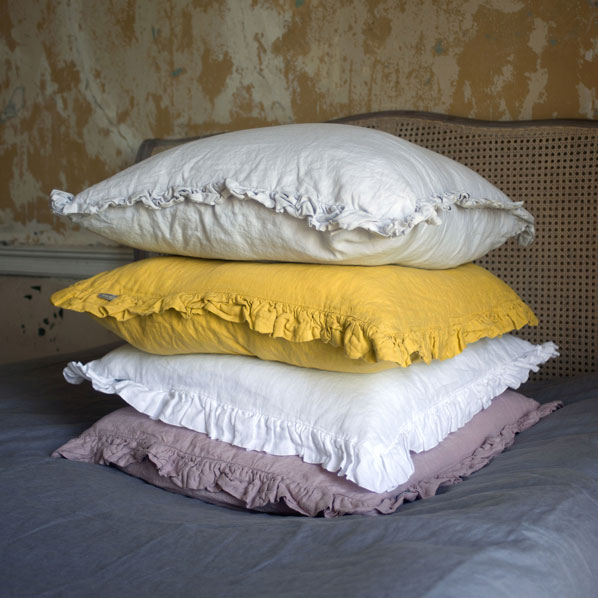
9. Porto Ruffle Linen Cushions, £60 each, Graham & Green

Ruffles were among the top 10 fashion trends for 2019, and while we’re working the ruffle-trimmed, tiered dress look, why not use flouncy ruffles as a building block on the bed too? They add interest visually, plus when the heat is on, washed linen is the coolest option.

.

summer bedroom style

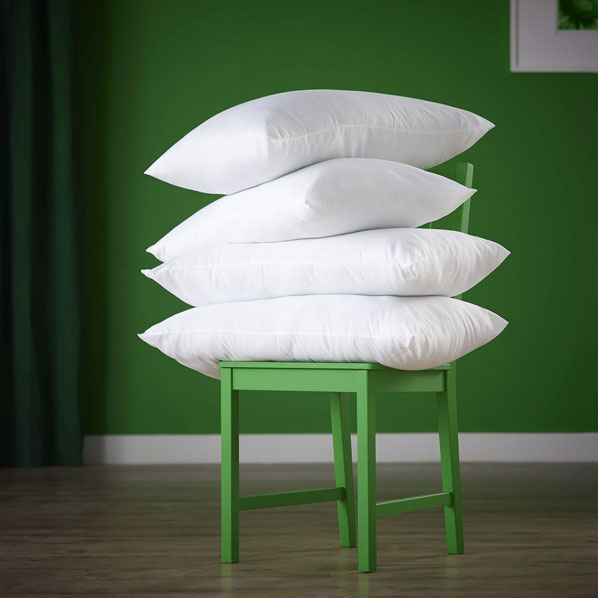
10. Slumberdown Support Pillow – 2 Pack, £14, Argos

With the ‘secret to a good night’s sleep’ a hot topic on balmy nights, a support pillow could be just the ticket. With maximum support for the head and neck, these are designed to hold your head at just the right position to encourage your spine to be well aligned as you lie down, and help reduce everyday aches and pains.

Seek and Hide: 6 Storage Solutions to keep You and Your Rooms Cool and Calm this Summer

summer storage solutions

Don't want to just chuck away all that clutter? Gabrielle Fagan reveals simple ways to get it out of sight.

If you’re feeling hot and bothered this summer, it may not just be the weather.

Look around your home – if it’s overflowing with clutter, and every corner and surface seems to be a magnet for bits and bobs that should be sorted but never are (the school holidays could make it a whole lot worse), this is probably contributing to those raised stress levels.

The good news is, to tackle this oh-so common scenario, you don’t have to turn yourself into a dedicated disciple of ‘Queen of Clutter’ Marie Kondo and rid yourself of every possession you’ve ever owned.

Instead, it’s time to play ‘seek and hide’. This new decor game simply involves hunting down all the ‘stuff’ you want but don’t need to stare at (or stress over) all the time, and then using clever storage solutions to hold, hide, or disguise it.

Check out six smart seek-and-hide solutions, so you can enjoy a cool, relaxing season…

summer storage solutions

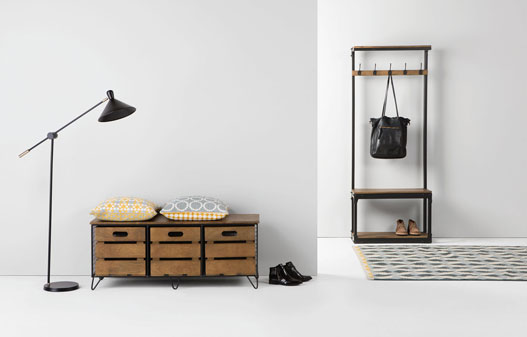
1. Step into calm

As a hallway’s the first port of call when you get home, having to squeeze your way past a chaotic collection of coats and tripping over shoes and kit every day certainly won’t make you feel zen.

Slim down that coat rack: Keep out only what’s suitable for the season and store away heavy winter coats and jackets. Check out Lakeland’s brilliant clothes storage solutions including a Vacuum Clothes & Duvet Storage Tote Bag (87L Jumbo), £16.99.

Keep shoes on a rack and label drawers on a storage chest (Polaroid pictures work well for younger children), so everyone knows exactly what goes where to encourage order rather than dumping.

2. Make a screen star

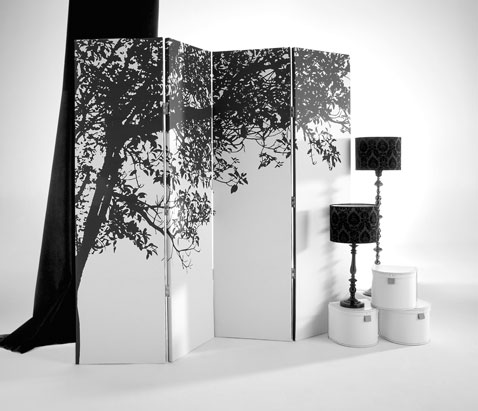
If you’ve ever felt panic at unexpected visitors suddenly arriving and seeing mess everywhere, a screen is the perfect fast cover-up solution.

These can be easily moved around to hide ‘clutter spots’, as they’re brilliant for masking a cluttered corner or untidy collection of clothes, and crucially can be folded away when not in use.

They can also work as flexible room dividers, allowing an open-plan space to be used for a multitude of purposes. Another bonus: They’re a great way to introduce texture, colour and pattern to a room and you can also use them for display, maybe as picture board for family photos.

summer storage solutions

3. Sit and store

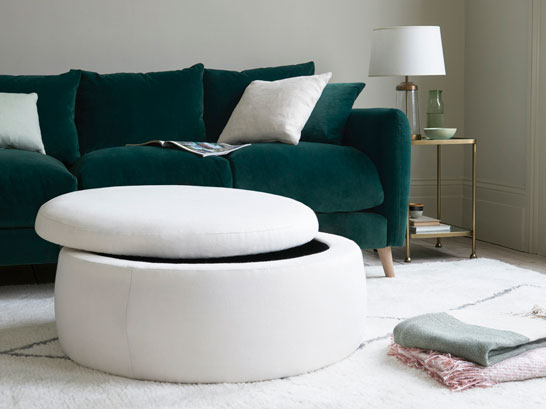
Multi-tasking seats with hidden compartments can be just the solution to get clutter off the floor. They could be the perfect home for magazines, toys, or all that debris that seems to accumulate on the top of a coffee table. Simply lift the lid, sweep away and store! A coffee table which incorporates storage is another way of keeping its top clear and tidy.

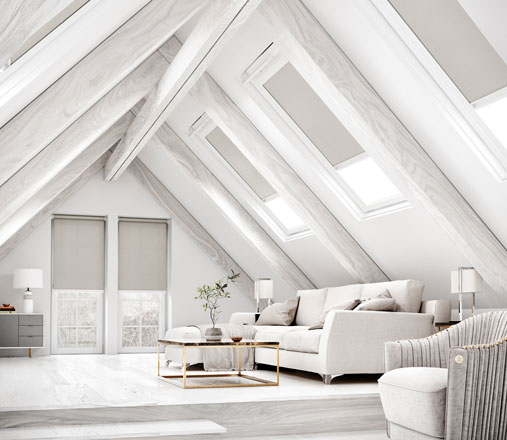
Dress windows simply with blinds – less bulky than curtains – and choose a neutral shade or white to make a room feel more spacious and airy. Sweet Dreams Placid Roller Blind, from £21.96, English Blinds.

summer storage solutions

4. Sideboards of style

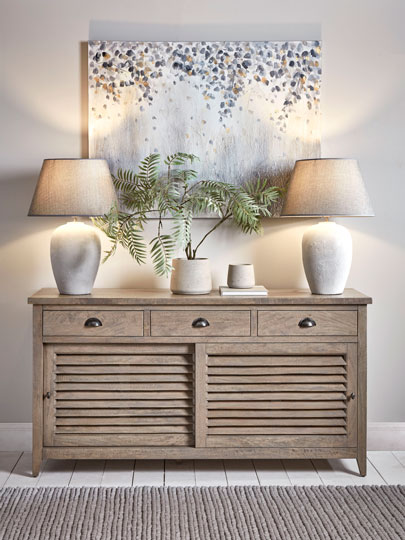
Designers are proving that while storage is necessary it certainly needn’t be dull, by creating pieces which are practical and also sleek and stylish. Sideboards can soak up a huge amount of possessions.

summer storage solutions

5. Sweet dreams storage

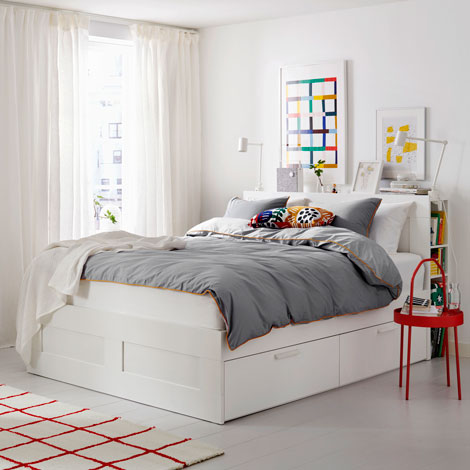
A calm, serene space for sleeping is essential, so that you relax and rest well. A headboard with storage is genius because it allows you to keep distracting clutter tucked out of sight, and can be a boon if you’re tight for space and haven’t got enough room for bedside tables.

Under-bed storage drawers can also be super-handy for stowing away bedding or out-of-season clothes that you don’t need to access for a while.

summer storage solutions

6. Magic makeover

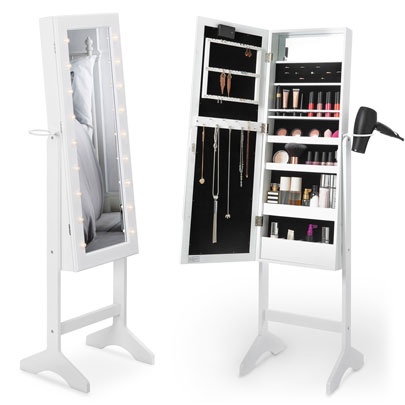
Turn that rush to get ready into a pleasure by bringing order to make-up (sort it out first and discard anything more than a year old, which is probably past its use-by date) and jewellery.

7 Bright Design Tricks to Maximise Light in Your Home

brighten your home

From curtains to decluttering and mirrored furniture, Luke Rix-Standing reveals nifty ways to give any home that dreamy light and airy feel.

Ask any interior designer: Light is one of – if not the – most important consideration in the layout of a home.

Quite apart from being essential (cooking in the dark is not advised), light provides the framework for a home’s aesthetic, and the foundation for its – to use a technical term – ambience.

It doesn’t matter how well you’ve feng shui-ed your cellar – if it’s lit by a single, flickering bulb, it’s still going to feel like the set of a horror movie.

Here’s how to make your home the brightest and best it can be, from streaming sunbeams to energy-saving LEDs…

brighten your home

Make a proper plan

Most people know that when it comes to light sources, more is usually merrier. But the result is that homeowners load up expensive fixings without taking care of even the simplest practical alterations.

For immediate improvement, a short recce goes a long way: Look at the location of your windows, what they’re illuminating, and what you want them to illuminate. Take a note of where the sun comes from in each part of the day, and if any rooms seem particularly drab and gloomy.

With your stock-take complete, move furniture that might be blocking a window’s view, and clear out cluttered windowsills. If you have several electric lights covering a space usually bathed in sunshine, rejig your room rather than spending a fortune adding to it.

Consider moving obstacles outside your home too. If your climbing hydrangea has launched a hostile takeover against your windowpanes, it’s time to call in the garden shears.

brighten your home

90% light, 10% dark

Assuming that you do, in fact, have windows, your next key point should be colour. Pure white surfaces can feel a little cold, but off-white or light cream is a shoo-in for walls and ceilings when cultivating a brighter feel.

Soft hues absorb far less light than dark ones, and for the most radiant rooms you should look beyond the masonry. Consider pastel-coloured cupboards, pale wood furniture, or light-hued decorations. There’s nothing wrong with a black leather sofa, or some statement, patterned wallpaper, but they won’t necessarily help your rooms retain light.

Aesthetically, many designers opt to add in darker trimmings. Cushions, knick-knacks and other smaller furnishings look great in dark grey or navy, and provide contrast without significantly sacrificing light.

brighten your home

Lots of mirrors

If you’re looking to increase your intake of natural light, mirrors are perhaps the most literal way of doing so. They reflect light that would otherwise be absorbed into the wall, and hanging one opposite a window sends daylight bouncing round the room.

Wall-mounted mirrors are a go-to for grooming as much as for decor, and fashion-conscious bedrooms often boast something free-standing and full-length. Next level homeowners could employ mirrored furniture – mirrored tables, mirrored wardrobes, even a mirrored chest of drawers.

Large mirrors give the illusion of a much larger, lighter space, and if the room feels bright and breezy, so too will its reflection.

brighten your home

Window dressing

Your windows are your main allies in your fight for light, so you’d be wise to give them plenty of tender loving care.

Blinds are a good bet for a light-heavy home, leaving the window entirely exposed when open and creating lovely lines of light when down. They can’t produce blackouts, so are less advisable in the bedroom of a light sleeper.

Light linen or cotton curtains are similarly appropriate – and can be hung in layers to more closely control the flow of light. Heavier, thicker fabrics like velvets and brocades are generally more accustomed to blocking light, while wide-slat shutters are flexible and channel a Mediterranean feel.

brighten your home

The lighting of the lamps

Natural light tends to gobble up the headlines, but artificial light is where the buck stops.

Let’s divide it into three stylistic varieties. Ambient lighting diffuses evenly through a room, and is usually the starting point for a larger scheme. Think ceiling lights, perhaps integrated with lamps on floors or tables.
Naturally, ambient lighting isn’t strong on contrast, so try some accent lighting to help instil separation. Accent lighting is brighter and much more directional, ensuring centrepieces like dining room tables get the focus they deserve.

Make sure these lights are not so concentrated that they behave like spotlights. You don’t want to channel a the sort of aggressive glare normally reserved for police interrogation rooms.

Finally, consider task lighting – very strong light sources marshalled for specific purposes. Think downward-facing desk lamps that can illuminate a keyboard clear as day, or a row of bulbs as floodlights for a worktop. There’s no point illuminating the corridor with pixel-perfect high-def, if your closet is so dimly-lit all your darker clothes merge into one.

Keep these principles in mind when allotting wattage in your home, and where possible try before you buy. Road-test bulb brightness, or better yet employ a dimmer switch.

brighten your home

Wash your walls

No, not with soapy water – in this context washing your wall means to splash light across a surface, creating the illusion that the whole room is aglow.

Consider vertical light fixings, that send a warm light upwards and downwards, creating a sheet-like glow across a wall. It’s better to bathe an area with one effective light source than pepper it with unattractive fixings.

brighten your home

Structural changes

For those with the time, inclination and, most of all, the money, there are plenty of home improvements that can turn dingy dungeon to gleaming greenhouse. Some are obvious – more and bigger windows, glass patio doors and so on – but others are slightly less intuitive.

Skylights are an oft-neglected sub-genre of window – the light comes straight from source and can often spread across an entire floor space.

Thick-set, dark-coloured doors can keep natural light from reaching the heart of your home, so consider glass panelling even on doors that don’t open into the air. Next-level homeowners can go one better by embracing a more open-plan layout throughout their dwelling.

Though not traditionally a light-emitting surface, even the floor can play its part. Opting for polished, well-finished hardwood, ceramic or stone can keep light ricocheting off your interiors like an underfoot mirror.

9 Expert Tips to Transform Your Greenhouse from Messy Junkyard to Rustic Retreat

updating your glam greenhouse

Hannah Stephenson reveals how to banish the greenhouse clutter and create a horticultural haven instead. If you're tripping over compost bags, battling with broken pots and spent seed trays and can't find a tool in sight, your greenhouse may be in need of a serious makeover.

updating your glam greenhouse

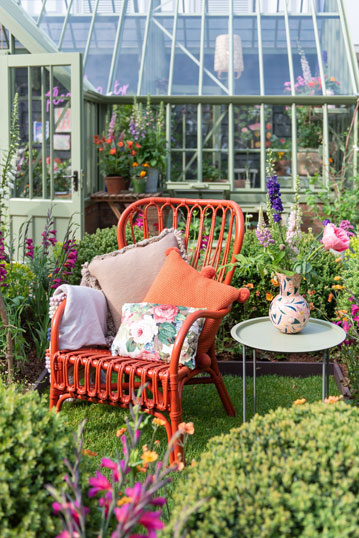
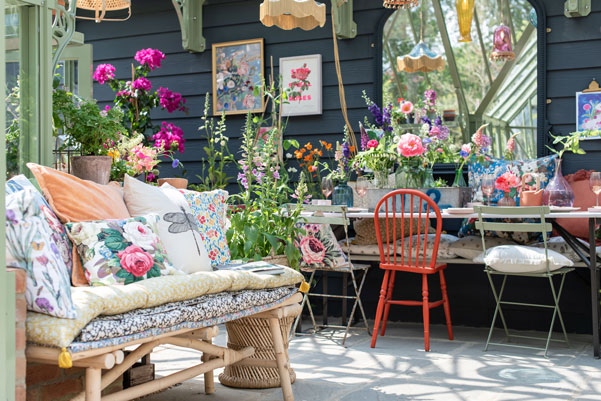
Smart gardeners can create a space that’s not only useful for growing plants but acts as an extension of their home – a stylish, comfortable bolthole through the warmer months and beyond, with the help of a little furniture, cushions, wall art and some nifty tidying accessories.

Where to start with your makeover? Follow this greenhouse guide for inspiration, including tips from garden styling pros and Richard Baggaley, director of The Greenhouse People (greenhousepeople.co.uk)…

updating your glam greenhouse

1. Create a potting corner

To prevent clutter in your greenhouse, carefully plan your layout and segment the space into purposeful areas. Create a potting corner next to where you grow your fruit and vegetables to make planting more efficient and to save space.

This area needn’t be dull. Place seed packets in a brightly coloured tin to store them safely and add a pop of colour to your greenhouse. Rather than leaving tools in a chaotic heap, a row of hooks will keep everything off the floor and neatly stored.

updating your glam greenhouse

2. Be bold with plant choice

The greenhouse needn’t just be a space to nurture seedlings. Exotic and tender plants will thrive in the warm environment and brighten up the space.

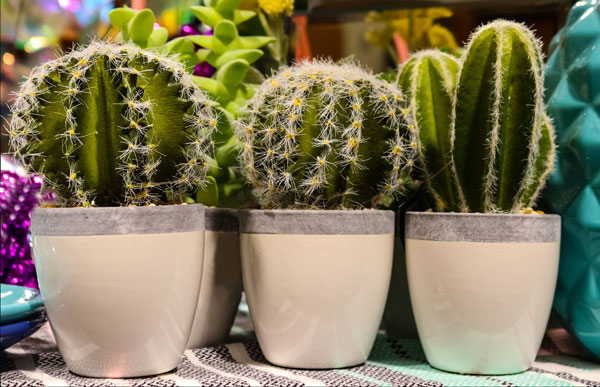
Fill your greenhouse with a range of desert and succulent plants like cactus, agave and crassula. These easy-care plants flourish inside a greenhouse and are very on-trend.

If botany is more your style, orchids are among the most beautiful and exotic greenhouse plants. They require a high level of humidity though, so store your misting bottle nearby to keep your orchid healthy.

Tom Barry, managing director of Hartley Botanic (hartley-botanic.co.uk), adds: “Architectural tropical and subtropical species are still very popular with both homeowners and gardeners alike.

“These plants look dramatic and add height within a greenhouse which works well when combined with bench-level succulents and cacti. For colour, and to add an exotic look, orchids in pretty ‘sweet shop’ colours can be grown in individual pots.”

updating your glam greenhouse

3. Create a cosy nook

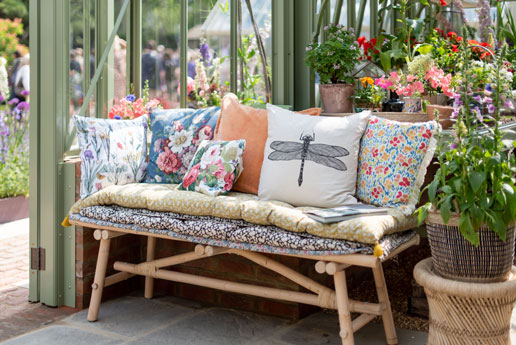
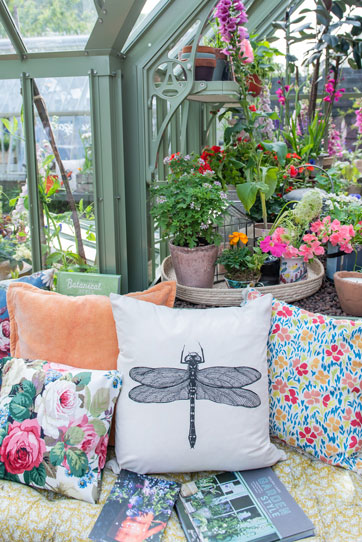
Acclaimed author and botanical stylist Selina Lake (Selinalake.co.uk), who styled for Alitex (Alitex.co.uk) at this year’s RHS Chelsea Flower Show, suggests you update tired items such as old chairs, metal furniture or plant pots by adding a pop of colour with paints. A simple bench can be turned into a sumptuous day bed with a mass of comfy cushions.

updating your glam greenhouse

4. Use insect designs

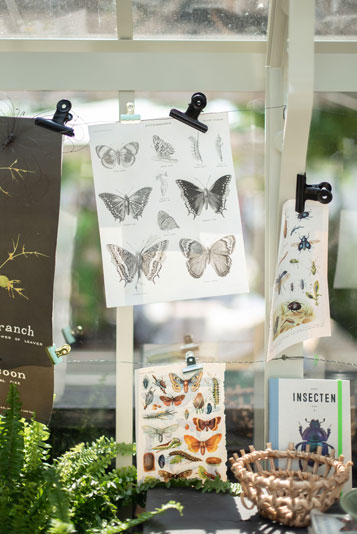
Entomology, or the study of insects, is the new botanical trend, adds Lake. Get the look by having a go at drawing bugs on greenhouse windows using a chalk pen.

Add prints and posters in frames or clipped to bare walls and use a wire washing line for another display.

updating your glam greenhouse

5. Go for a natural look

‘Upcycling’ is the word on everyone’s lips – and for a good reason. With items sourced from second-hand shops, or even junkyards, it’s easy to go boho on a budget. Simple changes like a lick of paint on wooden furniture or changing the handles on drawers can have a huge impact, says Baggaley.

In line with environmental issues, forgo plastic items for furniture and accessories made from natural materials such as metals, rattan and bamboo.

updating your glam greenhouse

6. Find space to sit

Baggaley advises: “Add comfort to your glass-walled structure with seating and soft furnishings. Textiles will instantly soften the space and make it feel inviting.

“Be aware that these will fade under the concentrated sunlight, so shop for items with a vintage-inspired design or are second hand to accomplish the shabby-chic look.”

updating your glam greenhouse

7. Make use of mirrors

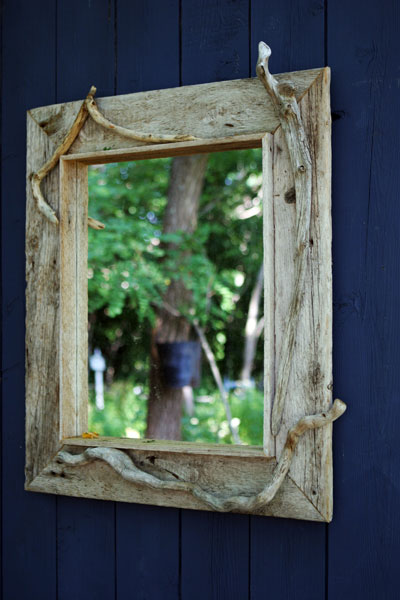
Add mirrors inside your greenhouse to reflect light and the sight of your beautiful plants, Baggaley says. Careful placement will give the illusion of more space but do consider what it will be reflecting. Try to reflect the leafy interest in your greenhouse, rather than watering cans or plastic pots.

updating your glam greenhouse

8. Use your greenhouse as a gallery

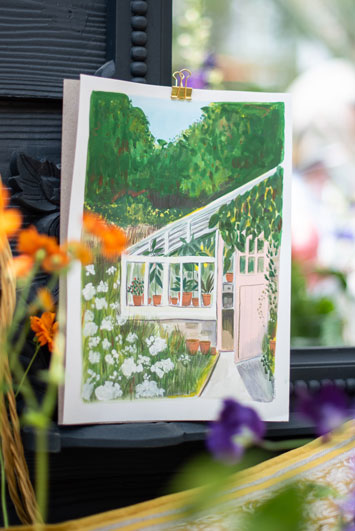
To add further interiors-inspired touches to your greenhouse, wall art is a great option to make the space ooze personality and feel more like a home.

Get creative and create your own works of art to display. You could decorate a canvas with cuttings from garden magazines, known in the art world as ‘decoupage’, for garden inspiration as well as decoration.

updating your glam greenhouse

9. Create a herb haven

Drying herbs in a greenhouse is ideal as they dry quickly under the concentrated sunlight, add scent to the space, and look decorative.

Lavender, sage and thyme retain their fragrance when dried – just try to keep them out of direct sun. They dry quickly, so check periodically and package for storage as soon as they are crisp.

×
Find a Property
M
Country & Equestrian
By submitting this form, you agree to McCarthy Holden using your personal data in accordance with our Privacy Notice.