6 Ways to Prevent Condensation in Your Home

prevent condensation in your home

Lisa Salmon speaks to a property expert to find out the best ways to avoid the moisture menace which can lead to damp.

Condensation is something none of us want in our homes, as it’s the most common cause of damp problems.

It’s actually a very common issue, affecting one in five homes – and it can be found in properties of any age, size or design. It occurs when humid warm air comes into contact with a cold surface. Warm air can hold a lot more water vapour than cold air, so when it’s rapidly cooled by a cold surface, it can quickly form into the water droplets typical of condensation. Everyday activities, such as cooking, boiling the kettle, using hot water in the shower or bath, or drying clothes inside, can contribute to condensation forming inside a property.

Richard Walker, national technical and development manager at property preservation experts Peter Cox (petercox.com), explains: “Condensation is the visible consequence of the production of moisture within a building, and most commonly occurs between October and April. On average, a family of four produces 14 litres (24 pints) of water vapour each day, so keeping a house correctly heated and well ventilated is an important part of preventing condensation. If left unaddressed, mould and damp can also begin to form, which is not only unsightly, but may create health risks for the occupants.”

Here, Walker suggests six ways to help address a condensation issue, but points out that if it persists or deteriorates despite trying everything, homeowners should consider contacting an accredited surveyor to investigate the cause and suggest a solution.

prevent condensation in your home

1. Ventilate your house

Where possible, ventilate the house to let the build-up of water vapour escape, particularly if you’re drying clothing indoors. If you have double glazing, then keep the trickle vents open. When cooking or boiling a kettle in the kitchen, or using hot water in the bathroom, close the doors and put the extractor fan on to prevent the moisture from escaping to colder rooms and collecting on the walls.

2. Consistent central heating

When you turn the central heating on, heat the whole property on a low heat, rather than leaving some rooms cooler and susceptible to condensation. ‘Yo-yo’ heating doesn’t warm the fabric of the building and unnecessarily increases the risk of condensation forming.

3. Avoid dehumidifiers

Despite their popularity, dehumidifiers merely mask the condensation problem and don’t address the real cause. They can require frequent emptying and will stop once the collector unit is full. Moreover, they’re noisy and can be costly to buy and run.

4. Don’t let condensation settle

If you spot condensation forming in the home, it’s always advisable to wipe damp surfaces down, rather than letting it settle. Remember to wring the cloth out in a sink, rather than letting it dry in the room. When condensation is allowed to settle on a surface for more than six hours, it creates the conditions for mould to form, which in some cases, can damage surfaces by staining.

5. Regular maintenance and expert advice

Regular maintenance is key to preventing ongoing issues. Identify any problem areas as they occur and seek professional advice to address them immediately. Every case is different, and property care specialists are trained to evaluate the specific causes of condensation issues and advise homeowners on how to prevent any reoccurrence.

6. Consider installing a Positive Input Ventilation system

Positive Input Ventilation (PIV) units are sophisticated ventilation and condensation control units to aerate entire homes. Property surveyors may recommend the installation of a PIV system to help to ventilate a building, by diluting and displacing any damp air. From installation, the unit gently ventilates the home with fresh air, which is pushed back down into the house and redistributed. Such systems tend to cost around £250-£400.

How to Work Colour in your Home – According to the Interior Design Addicts behind Rockett St George

Rockett st George book

The duo behind destination decor brand Rockett St George have delved into colour in their new book. Gabrielle Fagan takes a look.

Rockett st George book

Colour has well and truly invaded our homes. In fact, no interiors scheme is complete these days without at least a dash of a punchy shade!

That might sound pretty scary, though, if you’re still clinging to neutrals and quaking at the thought of plunging into the dizzy array of colours on offer.

Step forward self-confessed colour-addicts Lucy St George and Jane Rockett, the duo behind chic interiors destination, Rockett St George. They’re on a mission to help us transform our homes with a host of hues, and reveal their secrets and personal inspirations in their new book, Rockett St George: Extraordinary Interiors In Colour.

Rockett st George book

Colour is emotional, says the pair – “Think peaceful pastels, and sexy reds, creative greens and happy yellows” – and it’s important to consider the meaning of colour and how it affects your emotions, if you want to create a home that feels right for you and harbours the right mood.

Rockett and St George visited homes around the world bursting with bright, bold and brilliant ideas, and looked at the colour rules – and how to break them! – for conjuring successful schemes.

Check out their guide to four of the most fashionable shades for rooms…

Rockett st George book

Let the sunshine in

“A splash of yellow will catch the eye, set the heart racing and make you smile”, declare the pair. “Yellow’s associated with feelings of joy, optimism, happiness and warmth. It can lift your spirits like a sudden ray of sunshine and is believed to promote clear thinking and quick decision-making.”

Their own favourite shade on the yellow spectrum is mustard, which they describe as “an earthy hue that’s both sophisticated and a wonderful way to inject an uplifting spirit into your home”.

Work the colour: Black can make a perfect neutral backdrop for strong colours like yellow or orange. “It makes them pop and allows furniture, textiles and artwork to shine through and become the stars of the show,” they explain.

If bold sunny shades seem too vibrant and make you want to reach for your sunglasses, consider opting for more subtle sandy-yellow shades as an alternative to creams.

Considering the effect of light on colour is also key, they caution. For instance, a cool-toned lemon yellow can feel hard and unwelcoming in the colder light of a north-facing room, making it more suitable for south-facing rooms.

Lighten the mood with a flash of yellow

Yellow accessories pack a punch, and Rockett and St George note how a yellow chair or piece of art “brings energy to a room without overwhelming it”.

Rockett st George book

Seduce with pink

Pinks are enjoying huge popularity in decor right now – particularly the soft, pale tones. “The gentler shades of pink encourage calmness and love, while stronger shades, such as hot pink, go hand in hand with feelings of joyfulness and creativity,” enthuse the duo.

Our passion for pink is nothing new, they point out, as the shade has been a constant favourite as a decorative choice throughout the decades, from ice-cream pastel pinks in the Fifties, to the hot pinks of the Eighties.

Rockett and St George took inspiration from earthy pinks characteristic of Moroccan homes for the pink shades in their paint collection for Craig & Rose. Their nude/pink shades include Broderie, Gladstone Grey and Bohemia (Chalky Emulsion Paint, £35 for 2.5L).

Work the colour: For living rooms and bedrooms, the duo recommend “nude and pale pinks with warm undertones to make you feel nurtured and safe”. Work or studio spaces, meanwhile, are the perfect place to experiment with “brighter pinks, which are flamboyant and expressive, ideal for creating impact”.

Sizzle with pops of pink

Declare your passion for the colour with the prettiest pink pieces that will take you from hot to blushing…

Rockett st George book

Go green and gorgeous

“Green is fabulously versatile. Whether you prefer soft sage, rich emerald or deep forest green, this crowd-pleaser of a colour can be adapted to suit just about any style of interior,” the decor-lovers declare.

Green is said to evoke feelings of balance, tranquillity and renewal, and studies have shown that it’s the most restful colour for the human eye. It’s totally synonymous with the ‘green’ movement and eco initiatives that are on the rise right now too.

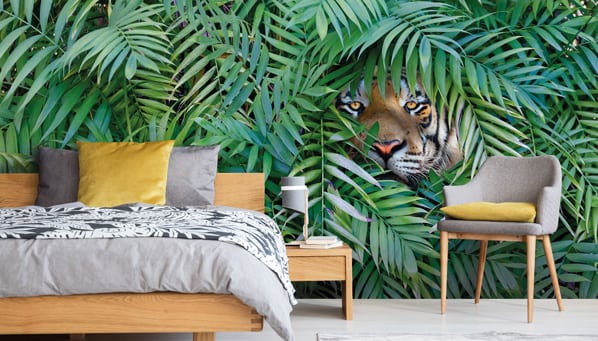
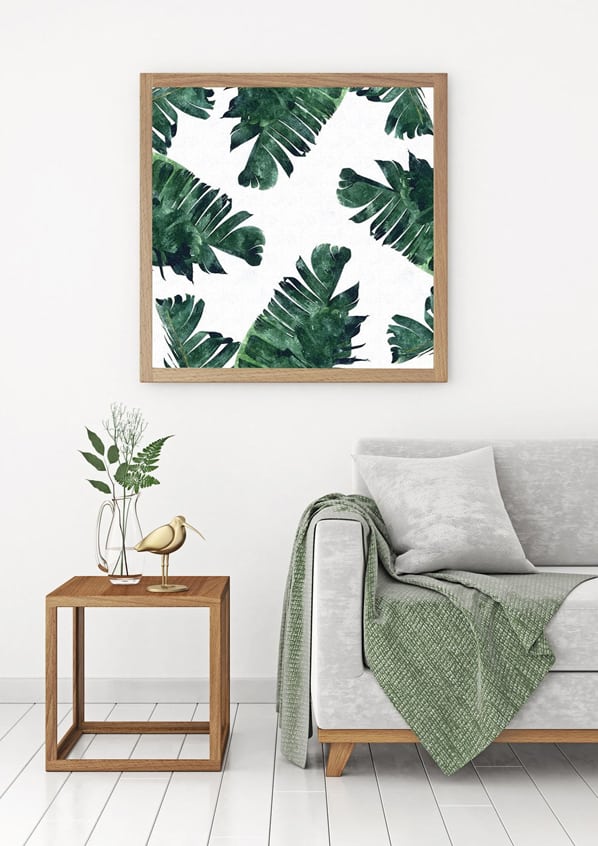
Work the colour: Dark greens work wonders in living rooms and bedrooms, or anywhere else in the home where you want to relax and have “a little respite”, advise the colour gurus. “Brighter punchier greens are perfect for energising a busy area such as the kitchen or hallway,” they also suggest. “Green accents in the shape of plants or cacti will bring your decor to life and – added bonus – act as a natural air-refresher for the home.”

Bring on the balance with a touch of green

Green accessories can add a sophisticated touch and enhance those soothing vibes…

Rockett st George book

Dive into blue

“Blue is the coolest of all the colours in the spectrum and conjures up feelings of reliability and stability,” says Rockett. “Due to its associations with nature – think of clear summer skies and turquoise ocean – blue can also inspire feelings of serenity and contentment.”

Blue, she points out, is a stress-busting colour with a masculine edge (a recent study found that 42% of men chose blue as their favourite colour), but that doesn’t mean blue is just for boys, of course!

Work the colour: Bold blues, the pair suggest, particularly suit home offices, children’s playrooms, hallways and bathrooms. Darker blues project a sense of sophistication and tranquillity, and can work as the perfect backdrop for art collections and decorative displays.

Splash out on blue details

Give your space a stress-busting edge with one or two blue buys…

Extracted from Rockett St George: Extraordinary Interiors In Colour by Jane Rockett and Lucy St George, photography by Catherine Gratwicke, published by Ryland Peters & Small, priced £19.99. Available now.

Want to Measure Up in the Style Stakes? 10 Ways to Embrace this Season’s Geometric Trend

geometric styling

Gabrielle Fagan reveals simple ways to do the decor maths and ensure your rooms have all the right angles.

geometric styling

Shape up if you want stylish rooms this Autumn. Geometrics are figuring on designs for everything from wallpaper to carpets right now, and set to be the most fashionable way of bringing pattern into rooms this season.

You can be playful and introduce bold and stimulating colourful shapes – take your pick from triangles to eight-sided octagons – or keep it elegant, with just a few touches sporting the barest hint of the pattern.

“Geometric pattern came to prominence in the 1920s and became synonymous with the Art Deco movement,” explains Tom White, design director, Parker Knoll. “In a decade renowned for its opulent and sophisticated style, geometrics challenged traditional design, with sleek and elegant motifs which came to symbolise wealth and status.”

Now they’re back, thanks to our renewed passion for pattern and more decoration in our homes. “Geometrics boast a breadth of choice in shape, colour and scale, so can be adapted to suit a vast range of tastes and styles,” promises White.

Here’s 10 ways to do your decor sums and ensure your home measures up in the style stakes…

geometric styling

1. Check out all the angles

“For me, geometric shapes will always have a universal and timeless appeal,” enthuses Martha Coates, surface and pattern designer for Habitat.

“I don’t think they’ve ever really gone out of fashion, as many pattern stories tend to do,” she points out. “I love that the geometric designs created and popularised over 100 years ago by the iconic Bauhaus movement still feel relevant in our modern interiors. They sit seamlessly alongside the contemporary and colourful designs in our ranges.”

Coates pays tribute to the versatility of geometric pattern. “Minimalist, contemporary and familiar in their structure, they’ll complement existing lines and shapes within the architecture of practically any room,” she says. “Their structured balance will allow you the freedom to be braver with colour and texture.”

geometric styling

2. Divide and rule on the wall

Get creative and paint your own geometric shapes on a wall. Simply stick strips of masking tape to the surface to create triangle, trapezoid and rhombus shapes (look them up if that’s already confused you!).

The more tape you crisscross, the more shapes you’ll create. If you paint the entire wall with the tape in place, you’ll have stripes between the shapes when you remove the tape.

If that feels too brain-bending, Wallsauce has a brilliant selection of made-to-measure geometric-style wall murals, ranging from in-your-face colourful to the more subtle, starting from £32 per square metre.

geometric styling

3. Make a party point

Join the geometrics party by investing in an Art Deco-style drinks trolley or drinks cabinet. Both items have enjoyed a revival in homeware, as they add a sense of occasion to entertaining. A sound style move.

geometric styling

4. Statement equals style

You don’t have to overdose on this look – just estimate how much you need to add to make an impact and burnish your style credentials. Give one punchy piece some space and a plain backdrop and it will undoubtedly become a star talking point.

geometric styling

5. Measure up with metallics

Pair a classic geometric design with metallics (gold and copper are hot choices) to play the glamour card. This combo won’t just add a winning touch of opulence, but a repeating angular pattern is easy on the eye and helps create a visual sense of order. The effect is particularly good for spaces where we want to rest and relax, like a bedroom or chill-out lounge.

One word of advice: Make sure the size of the pattern you choose works with the size of the room. Generally, large-scale patterns are more suited to big expanses of wall, so you have the room to stand back and appreciate their impact. Smaller repeating patterns suit smaller walls.

The only exception is if you opt for a statement wall of pattern, where you could be bolder and size up. For inspiration, take a look the super range of geometric papers, including Prism Geometric Wallpaper, £15.99 a roll, at Cult Furniture.

geometric styling

6. Break the rules

Sometimes, you can throw caution to the wind, ignore the ‘less is more rule’ and indulge in a pattern-fest. Just make sure you balance more decorative geometric repeating patterns with other simpler designs. This will prevent the whole effect from being overpowering, and punchy injections of colour (we’re big fans of pink and green right now) are all that’s needed to make a scheme sing.

Another way of approaching this look is sticking to a colour palette of no more than two shades, which will allow the detail to shine.

geometric styling

7. Step up to the style

Style alert: Back away from the bland! A striking geometric carpet runner can transform a staircase into an eye-catching feature. Playing up the angles with an above-the-skirting stripe in a complementary shade is a master stroke in this hallway.

geometric styling

8. Pattern to the power of two

“Boasting timeless allure and contemporary flair, geometric designs work well in period and modern homes alike,” says Parker Knoll’s Tom White. “For those looking to emulate the exciting and influential 1920s – the inspiration for the look – pair geometric patterns with luxurious gold accents, rich tones and spherical accessories.”

geometric styling

9. Make it monochrome

“Typically considered an intimidating option, a bold geometric floor can add an element of design to a space and is a surprisingly versatile option,” says Anna Del-Molino, buyer, Carpetright.

“Before selecting your style, take into consideration the size of your space, alongside the colours and scales that will work within it. A larger print, in muted shades, is often better suited to smaller rooms, as intricate patterns can feel too busy in compact areas.

“Larger spaces allow for more experimentation and for a truly daring look, consider a style with multiple colours. Geometric patterns don’t need to be solely linear shapes,” she adds. “Look for florals and patterns which repeat without being too overbearing.”

geometric styling

10. Arty calculation

Make those shapes work on the wall with colourful geometric artwork that will show you know a right-angle from a rhombus.

Want to Turn your Home into a Botanical Bolthole? Here’s how 3 Plant Experts Transformed a Hotel

botanical hotel into your home

As the UK's first 'jungle hotel suites' are opened, Hannah Stephenson finds out how to turn your own living spaces into leafy havens.

Three designers have come together to show how people can create a horticultural haven in their homes, using tropical flora and fauna.

Award-winning biophilic designer and architect Oliver Heath, This Morning’s ‘Mr Plant Geek’ Michael Perry and Nik Southern, creative designer and founder of innovative plant and florist shop Grace & Thorn, have transformed three hotel suites into urban jungles where guests can stay, in an initiative from the The Joy Of Plants (thejoyofplants.co.uk) and Leman Locke hotel in London.

The buzzword is ‘biophilia’ – the technique of incorporating plants and other natural elements in our homes to reconnect with nature. Each of the suites has been adorned with carefully selected houseplants to help boost productivity, ignite passion, and bring peace and tranquillity.

So, what can we do to create our own biophilic design at home?

botanical hotel into your home

Perk up your productive space

Heath has created a productivity suite adorned with Boston ferns, peace lilies and snake plants – all renowned for their productivity-inducing properties.

Feathery-leaved Boston ferns create a natural jungle look and inject instant energy with their powerful air-purifying properties, while snake plants, native to tropical West Africa, produce sword-like foliage bringing a raw edginess to any environment.

Their distinctive leaves are said to provide protective energies to shield negative Chi, while they also have air-purifying properties. Studies have found they can also help remove toxins such as formaldehyde from the environment.

Heath says: “Research suggests that a combination of sheltered spaces, access to nature and species-rich spaces will create the most restorative environment for a stressed individual, so the tucked-away sofa with a lot of plant fringing is the perfect opportunity for relaxation. Boston ferns and dwarf mountain palms introduce lots of natural movement, which has been shown to help us relax and restore focus.”

botanical hotel into your home

Create a cascading canopy in the bedroom

Southern has created a botanical canopy over the bed, in a heady romantic respite. Imagine enjoying the intimacy that will cocoon you and your partner in a lush green blend of cascading plants.

Signature bedroom plants she uses include Anthurium ‘Black Love’ (Anthurium hybrid), a black-to-dark chocolate-flowering variety which is low-maintenance, and Epipremnum ‘Marble Queen’, an easy-care variety with green and white marbled trailing foliage which creates a romantic vibe.

Southern says: “It might seem ambitious to create a canopy in your own home but there are plenty of hacks to make something similar. You could hang a traditional pulley clothes airer to the ceiling and attach plants with vines such as devil’s ivy and strings of hearts to create a dramatic canopy. Make sure you choose the right planters that will prevent water leaking below.”

Alternatively, create a living love seat in her design in your sofa area, using banana plants and rubber tree plants to create a cosy, intimate area in an open-plan room, she suggests.

botanical hotel into your home

Escape to your urban jungle spa room

Perry, aka Mr Plant Geek, has packed his suite with tropical plants, creating an oasis of calm in the city, showing that people can enjoy a forest-bathing experience at home.

His design features houseplants such as bromeliads and a variety of monsteras (Swiss cheese plant), from deliciosa to obliqua, while in the bathroom there’s a dedicated plant meditation space and a clean sleep zone containing the world’s most air-purifying plants.

He says to create a spa room, ideally you want to have the feeling of being completely surrounded by plants. Calming ferns, helxine and fittonia offer jungle vibes while bromeliads punctuate the setting with colour.

Perry says: “Suction pots allow you to easily hang plants from wall surfaces, without creating any fixings and are incredibly versatile. Bromeliads are used to rainforest conditions and thrive in bathroom environments – a quick spritz of water every few days is all the moisture they need.”

He also advises using ferns in low light level rooms but avoid using succulents and cacti in spa rooms, as they prefer a drier environment.

And don’t forget that any potted plants will need drainage, so put in a layer of gravel at the bottom of the pot and keep a check on watering.

The indoor plant jungle hotel will be open for bookings until November 10, 2019. To book your stay, email thejoyofplants@lockeliving.com.

botanical hotel into your home

Flights of Fancy: How to Make the Most of your Staircases, Without Compromising on Safety

stunning stairs without compromising safety

The aesthetic qualities of the humble staircase are too often underrated, says Luke Rix-Standing.

stunning stairs without compromising safety

Something of a no-man’s land within the home, it’s easy to see why staircases are so often overlooked on the interior style front. Rarely more than a means of getting from A to B, why would you choose to spend time and money on stairs, when it could instead be spent on key living spaces elsewhere?

But these thoroughfares inevitably see high footfall and are important for safety as well as style – and even if it’s not your first thought when planning your decor, they do have a big visual impact too.

So, with this in mind, apartment dwellers and bungalow owners look away now – here’s how to make sure your stairs work well for both eyes and feet…

stunning stairs without compromising safety

Safety first

First things first, it’s important to keep in mind that the run-of-the-mill staircase can be one of the most dangerous obstacles you negotiate during your day. According to statistics, there is a fall on Britain’s staircases approximately every 90 seconds, while staircase-related incidents account for roughly 250,000 trips to A&E every year.

The Health and Safety Executive (HSE) has a checklist of conditions to help you practice safe stairs, asserting that they should be well-lit, have handrails at appropriate heights, have good ‘slip resistance properties’, and be free of trip hazards.

The ‘nosing’ of a step (aka the edge), should be well-defined and ideally square, to stop the stairs blurring into one. Just as important is consistency, as research has shown that even small variations in angle or distance between steps can cause a topple.

Those with small children face an obvious extra risk, and baby gates are a must for both the top and bottom. Do not attempt to vault the gate out of laziness – it’s ironically common for adults to injure themselves by misusing gates put in place to protect their kids.

Of course, structural changes only go so far, and human factors play a determining role in most stair-related incidents. Residents are far more at risk if they’re rushing, distracted, or carrying heavy loads without a free hand to grab the rail or banister.

stunning stairs without compromising safety

Step up the style

Now that we’ve got function and safety out of the way, we can turn our attentions to fashion. The staircase may not seem a natural place for prize pieces of art, but, like your bathroom or loo, it’s a quick way of making sure everybody sees your carefully-chosen pieces. Try to limit yourself to small decorations like miniature frames or photos, and line them up gallery-style at the same gradient as the stairs.

As with all constricted areas, your biggest challenge is creating a sense of space. Avoid claustrophobic dark colours where possible, and use a lighter shade on walls and ceilings to help draw the eye upwards.

As with any space, mirrors provide the illusion of depth, and don’t be afraid to go big on the lighting. Utilise ‘accent’ lighting – focused light sources creating contrast – rather than a solitary overhead bulb (just remember those safety rules!). The result should be less subterranean tunnel, more breezy indoor boulevard.

As for the stairs themselves, your main allies are the risers – the vertical slats between each step. You can apply wallpaper, paint them to match the walls, or pattern them to match your lower floor.

For those wedded to quirk, you can fashion your steps as piano keys, book spines, or bands of the rainbow. Just be sure to consider the look from every angle before laying down your first brushstroke – no one wants a staircase that looks like a work of art from the ground floor, and a cubist mess from the first.

Otherwise, carpets remains the most popular add-on. Option number one is full carpeting: 100% coverage of a stairway that can obscure unsightly surfaces but can be comparatively complex and costly to install.

Option number two is to use carpet runners – a wide strip of carpet running down the centre of the stairs, held in place with slim poles affixed to the join between riser and tread. Cheaper and simpler than full carpeting, generally speaking, the different textures can fit really well into a broader aesthetic.

stunning stairs without compromising safety

Starting from scratch

Of course, if you’re overseeing major structural renovations, you may have the chance to design your staircases anew. We’re not going to delve into the engineering – that depends entirely on the specs of your dwelling – but there are a few styles finding particular prominence in modern homes.

For space-starved householders, consider the spiral staircase – an aesthetic, self-contained unit that can easily be erected in the corner of the room. So-called ‘floating staircases’ are increasingly popular in modern minimalist homes – isolated blocks without risers protruding straight out of the wall. They’re obviously not as stable as their banister-ed cousins, and are not for those with uncertain step (i.e. large swathes of the population).

We can’t imagine many houses will have room for grand medieval stairwells, but you can still channel a country house aesthetic with elaborate hand rails and metalwork panelling.

For the very chicest in staircase design, consider installing light sources – under-lit bulbs that emit a warm glow from beneath the tread. These not only look lovely during the long winter evenings, they may also stop you coming a cropper when you get up to go to the loo.

Outstanding Selection Of New Homes Property For 2020

new homes 2020 form McCarthy Holden Estate Agents Hampshire

As we prepare for 2020, McCarthy Holden are pleased to be offering our best selection of new homes in amazing locations form rural Eversley in Hampshire, to Virginia Water in Surrey.

The developers we will be representing in 2020 are as diverse in size and their personal history as you can imagine, but they all share the same passion for creating beautiful homes and leaving a legacy to their brand and reputation.

Finding Best Buyer Engagement

Key to our agency appointments, is the delivery of property marketing with professional video content which increases the level of buyer engagement online.

From short video PR following an open day event, through to a comprehensive video tour with a presenter the outcome for the developer is outstanding marketing and PR as can be seen in the samples below.

Another key aspect of our agency appointment is of course the fact we supply experienced personnel to manage and service the needs of our new homes clients.

Delivering Engaging Video Content

Our marketing for developers is enhanced by quality video production from johnjoe.co.uk who are leading the way in property video marketing, with added benefits from voice over artist Drew Campbell.

New Homes Developments

Some of the sites to be offered in the year ahead include….

Virginia Water, Surrey – Perfectly located for train travel to London and not far from TASIS the American school in England, these high end apartments are simply stunning. Prices range from £425,000 to £1.25m.(enquiries 01252 842100)

Bagshot, Surrey – The first of these new homes will be available to view soon, and prices range from around £450,000. (enquiries 01252 842100).

Eversley, Hampshire – A small select development of 6 luxury homes by Aspire. Plot 5 is shown below and is on the market at £1.125m.

North Warnborough, Hampshire – You can’t help fall in love with this area, steeped in history with beautiful old historic buildings and places of interest such as King John’s Castle and a lovely pub and restaurant which was a watermill just across the road from this site
Castlebrook.

This is a small select development of 11 homes, 7 of which are new build and 4 highly individual and intriguing conversions. Prices yet to be release, so for now a broad guide is that buyers looking from say £500,000 to £750,000 should consider registering interest in these new homes by contacting the selling agents on 01256 704851

Wrecclesham, Near Farnham, Surrey – An outstanding high specification property in an exclusive development of just twelve new homes located on the outskirts of the historic town of Farnham. Prices from £475,000.

Hook, Hampshire – With 5 new builds and a character house conversion, the new homes at this site will follow on from the success of the T A Fisher site at Castlebrook in North Warnborough.

Acorn House Hook Plan McCarthy Holden Estate Agents Hampshire

Hartley Wintney, Hampshire – Shapley Grange is an exclusive development of 3 and 4 bedroom homes, built to a high specification on a small site of only seven houses in a prime location less than a mile from the village of Hartley Wintney. Prices range for around £470,000 to £1.0m.

Winchfield, Hampshire – Winchfield Lodge is a unique refurbishment majestically situated in the centre of a development of new-build houses. A total of four 3 and 4 bedroom homes have been superbly modelled inside the existing shell of The Lodge House, reportedly designed and built by the Victorian Architect William Burges.

Winchfield View, Hampshire – Winchfield View is a select development of stunning high specification new homes by Sunningdale House Developments, in a fine location with pleasing views situated about two miles from the village of Hartley Wintney in Hampshire. Prices from around £575,000 to £1.7m., but nearly all sold as we close 2019.

Contact the McCarthy Holden new homes department at our Hartley Wintney branch for information about land and new homes – 01252 842100.

7 of the Hottest Homeware and Interior Design Trends of 2020

interior trends 2020

From gleaming metals and rich opulence, to unfussy, functional pieces, the dawn of a new decade has something for everyone, says Sam Wylie-Harris.

It may only be autumn, but interior designers are already predicting how we’re going to be dressing our homes in 2020.

So, how’s it looking? To find out, we’ve gone behind the scenes at Top Drawer, the UK’s leading design-led trade event, where Louise Healy-Adonis – trend forecaster and senior strategist at Flamingo – shares her insider insights for the coming seasons.

These items aren’t available to buy yet – but keep an eye out for designs inspired by these themes in stores and online throughout 2020.

From the finest fabrics to brilliant basics, here, Healy-Adonis reveals the key features of 2020’s hottest-tipped interior design and homeware trends, and how we can get the look…

interior trends 2020

1. Modern Relics

A contrast of delicate and strong shapes and details, with mixed textures. The idea of unearthed antiques interplays with modern materials to create future heirlooms.

“This trend sees classic shapes given a contemporary look through new digital techniques and traditional etched surfaces. Rich textures and luxe gleaming metals add sumptuous elements to rough and irregular black surfaces of unearthed pasts. Add finishing touches to the home to complement the trend such as cushions, glassware or vases,” suggests Healy-Adonis.

interior trends 2020

2. Introspection

This trend sees muted, multiple inputs from our surroundings, dialled down into introspective subdued colours and calm tonal blocking. This is not stark minimalism – think meditative and calming with multi textures.

“Soft winter pales and warm neutrals create meditative, clean palettes that are grounded in natural materials,” says Healy-Adonis. “Mixed textures and serene scenes are seen in calm tonal blocking. Colours to invest in include whites, softened teals and olives, dusky pinks and light grey.”

interior trends 2020

3. Grounded Rituals

This one’s all about a natural autumnal, earthy, tactile vibe that’s tied to nature and wellbeing. These everyday items are elevated through the craft of honest materials and the uniqueness of nature. Answering the need for quiet restorative rituals.

“This trend brings the grounding of nature into the home through raw materials and handmade pieces. One-of-a-kind products are formed in metal accents, woven textiles and tactile wood. This restrained detailing and pared-back palette will enhance the sanctuary of the home,” Healy-Adonis notes.

interior trends 2020

4. Soft Assembly

The retro modern feel combines reassuring nostalgia with playful rounded shapes and graphic prints. Imperfect outlines are key in mid-tone brights, anchored in rich navy and coffee tones.

“Irregular graphics and mid-tone brights will add the modern retro feel to the home. Look out for organic shapes with a sophisticated crafty feel. This will be seen through dining wear, throws and cushions, and decorative items,” explains Healy-Adonis.

interior trends 2020

5. Bio Flux

This trend speaks to the mix of organic and hyper-real, where natural looks sci-fi and bio-design is the future, today.

Healy-Adonis says: “This scientific and sterile trend sees a mix of organic shell-like dark tones and iridescence modernise ombre styles. The unique and free-form nature of the materials offer interesting overlays of organic colours.”

interior trends 2020

6. Sublime Opulence

Maximalism is muted with a restrained palette of deep blues and yellow golds. Plush velvets and textured metallics reference historical detailing and add a luxurious serenity.

“Tonal blues are still a key trend for 2020, moving into a more yellow tone, adding warmth, calmness yet opulence to the home,” explains Healy-Adonis. “Historical detailing stylised with modern twists including gold-edged art prints, this is a key trend which is staying around for another season.”

interior trends 2020

7. Industrial Organics

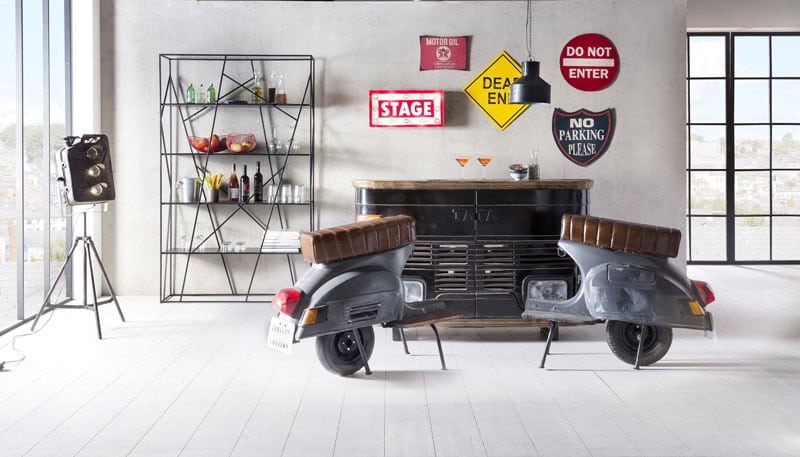
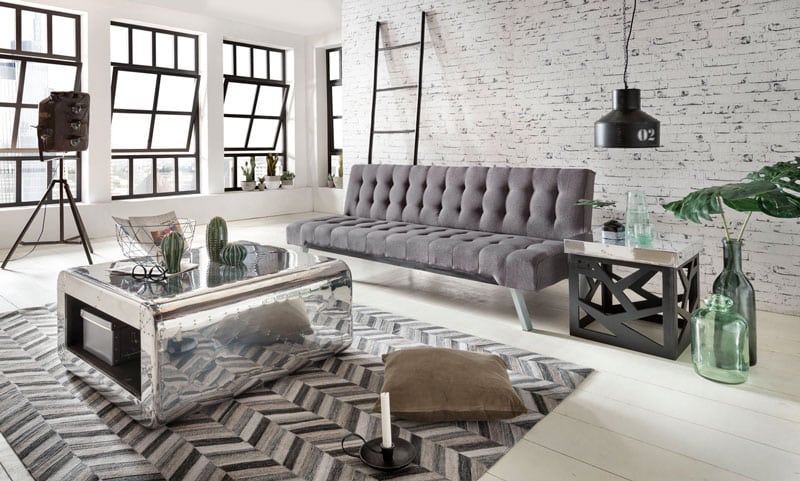
This trend speaks to the in-between space of man-made and organic, of the chunkiness of old machinery, but with the ease and simplicity needed for an uncomplicated life.

“With the focus on unfussy functional pieces, this trend includes asymmetric bold shapes contrasted with soft tones. Pale dusty pinks and mints, rust, ochre and blues are grounded by warm naturals and stark black,” suggests Healy-Adonis.

Instant Customer Reviews at Odiham New Homes Event

Castlebrook North Farnborough McCarthy Holden Estate Agents

New T A Fisher Homes At Castlebrook

The preview event at Castlebrook this weekend was really successful, with visitors / house buyers giving their immediate reviews to camera.

We enjoyed helping T A Fisher at the preview event of their new homes at Castlebrook in North Warnborough Hampshire this weekend, with visitors / house buyers giving their immediate reviews to camera.

Contact McCarthy Holden on 01256 704851 about the next open day event at Castlebrook in North Warnborough Hampshire.

As Grand Designs Turns 20 Kevin McCloud Shares his Favouite Simple Builds

grand design favourite builds

From an underground bolthole in Peckham, to an eco-build on the Isle of Skye, Luke Rix-Standing discovers them all.

Television isn’t famous for job security, unless, that is, your name is Kevin McCloud. The veteran presenter has fronted Channel 4 property programme Grand Designs since its inception in 1999, and he has no intention of quitting anytime soon. “It’s become me,” he says, “I don’t even question it.”

In 20 years, McCloud has seen plenty of structural success stories, but also his fair share of domestic duds. “The real horror shows are the ones that never make it to the screen,” he says, “out of the 200 or so projects we’ve filmed, there have been maybe eight or 10 that we’ve had to abandon after one day of filming, after investing so much time and money.”

With more projects under his belt than most architects, McCloud knows a thing or two, because he’s seen a thing or two. “People fall down because they fail to prepare,” he says. “The design, the detail, the fine drawing – all that stuff needs to be done before it touches the sides.

To celebrate two decades of Grand Designs, here’s McCloud’s favourite simple builds from his time on the show…

grand design favourite builds

Lucie Fairweather – Suffolk, Season 10

Lucie and her partner Nat McBride bought this plot in Woodbridge in 2006, and were granted planning permission in 2007. Nat was diagnosed with cancer and passed away a year later, but Lucie saw through their shared vision of building a house that was as aesthetically attractive as it was environmentally sustainable.

Kevin says: “I’m really fond of these small, inexpensive projects – they’re more important as Grand Designs, than the big, show-off things people often think of. It’s here that the innovation happens, when people push with small budgets to deliver great experiences.”

“Lucie’s was just fantastic. It was a wonderful story about redemption, and about her taking her late husband’s vision and building a house for her small children. It was tinged with tragedy and sadness, but also with the tremendous friendship of Jerry Tate, a great friend of her and her husband’s. He not only designed the home for her, but held her hand through the whole process.

“It was an exemplary, three bedroom suburban home, but Lucie is a primary school teacher and she didn’t have a lot of money. The takeaway is that it’s not about buying stuff – if she can do it, anyone can.”

grand design favourite builds

Rebecca and Indi Waterstone – Isle of Skye, Season 12

An ultra energy-efficient, 90 sqm home of the Hebridean island of Skye, residents Rebecca and Indi pay just £50 a year in bills, despite the exposed location and the bitter winters. An exceptionally well-organised project, it took them 10 years to fund and just nine months to build.

Kevin says: “I loved this project for a lot of reasons. The Isle of Skye is just beautiful, and when we filmed it, the island was basking in sunshine while the rest of the country spent a summer in the rain. I could drink whiskey, have fantastic food, and see fantastic wildlife – whales, sea eagles, skuas…

“In the midst of it all was this tiny little jewel – an example of how to be sensitive to beautiful landscape, but contemporary as well. It goes to show that if you go somewhere and invest in it – build a house, live there, and make a contribution to the local economy – people respect you for it.

“The Isle of Skye is full of holiday lets owned by people that don’t live there, but Indi and Rebecca moved to live there all year round. Objections to their planning application were from people that didn’t live there, who wanted the place to remain populated by picturesque crofters’ cottages. Anyone who lived on the island loved what they were trying to do.”

grand design favourite builds

Monty Ravenscroft – Peckham, Season 5

A £220,000 home in South London with a sub-subterranean floor, this inventive build features a 10 sqm retractable glass roof, an LED light fitting that doubles as a shower, and a bed that slides away, revealing a bath. Construction wasn’t quick, but planning permission took two and a half years.

Kevin says: “Monty’s an actor and musician, so he’s a bit of a Renaissance man, and he built this very cheap house in South London for himself and his wife Claire. It was a long time ago now – during filming Claire was expecting a baby who’s now a young man.

“It’s a great project about one guy experimenting with all the ideas he’s ever had, with so much excitement. Monty was such a bundle of energy and so lovely to be around. He collaborated with an architect called Richard Paxton, himself a great inventor and a very inspirational man. He sadly passed away, so whenever I think about Monty’s project, I think about him.

“It’s a highly personal project for me, and it demonstrated that you don’t need much money. You need a bit of guts and an inventive mind, and if you haven’t got an inventive mind, find a mate who has. It’s not about reaching for the chequebook to solve a problem, it’s about reaching for the pencil and figuring problems out.”

grand design favourite builds

Theo and Elaine Leijser – Stirling, Season 6

A cedar-clad home in central Scotland overlooking the picturesque Campsie Fells, Theo and Elaine used clever design to funnel all the views from their house onto the fells, and away from a nearby main road.

Kevin says: “This project was all about delivering the experience of big, expensive architecture at a small scale. It was a beautiful, quick-to-put-up little box built onto a hill, and it had this amazing gallery above the ground floor.

“Whenever you were at the front of the house, you saw this fantastic arrangement of landscape and nature, because of the way the building was organised. It had this lovely little corridor from the kitchen that was low, narrow and compressed, and then suddenly the living room released you.

“It comes back to that point about shopping – it’s to do with the building organising your life and your daily activities in a way that brings you joy.”

Kevin McCloud will be appearing at Grand Designs Live at The NEC, from October 9-13, 2019. For more information and tickets visit www.granddesignslive.com

Eco-Friendly Decorating Ideas for a more Planet-Friendly Home

eco designer homes

Want your homeware and decor choices to be more sustainable? From reclaimed timber to recycled kitchen tops, Gabrielle Fagan checks out the options.

We’re all aware of the need to look after our environment – and where better to start than at home?

Luckily, more and more companies are embracing eco-friendly approaches and solutions, and designers are becoming ever-more inventive and innovative in their use of recycled materials to create desirable homeware – so you don’t have to sacrifice your style for your principles.

“Year-round, we consistently see people searching for inspiration on Pinterest to shop and live in ways more mindful of the environment,” says Enid Hwang, culture and community manager at Pinterest, who’ve seen a 108% increase in searches for sustainable lifestyle this year.

The site notes that September, when summer holidays are over, is the ‘back to life’ period – when, feeling renewed and refreshed, people look for ways to make small changes in their lives, such as recommitting to their environmental efforts.

“We’ve seen that reflected in searching for sustainable items for their homes, like recycled materials, eco paint and even bamboo bedding. Sustainable lifestyle choices are now a major theme for many Pinners,” notes Hwang.

Need some inspiration? From wallpaper and paint, to furniture and accessories – follow our guide to creating a home to match your values…

eco designer homes

Paint it green

Some house paints use casein – a protein derived from milk or beeswax as a binding agent – while others use ingredients that have been tested on animals.

Mindful of this, the Duke and Duchess of Sussex chose Auro, a non-toxic vegan paint which is also child-friendly, when they decorated baby Archie’s nursery. Auro Coloured Emulsion, from £48 for 2.5L; Wood Paint – Satin, from £16 for 375ml, AuroPaint.co.uk.

A lot of paints contain high levels of VOCs (volatile organic compounds), which emit solvents into the air that are associated with causing dizziness and headaches, and may affect those with allergies.

Crown’s Breatheasy Coloured Emulsion range is 99.9% solvent-free and certified under the asthma & allergy friendly Certification Program.

The Breatheasy range starts from £14 for 2.5L of emulsion and, a further plus, comes in containers made of 100% recycled plastic, which are fully recyclable once empty and clean.

eco designer homes

Paper and plant

The desire for wallpaper with good eco-credentials is growing, and Little Greene not only has great designs, but sources and uses paper from certificated sustainable forests.

“We manufacture our wallpapers in the UK and for every tree used four more are planted,” says Ruth Mottershead, Little Greene marketing director.

“Wallpapers are printed using non-toxic pigments and our high-quality wallpaper paste contains no solvent.”

Their London Papers V range, a collection of authentic heritage designs, starts from £73 a roll.

eco designer homes

Recipe for eco cooks

If you want to cook up a storm but reduce your carbon footprint, sustainable timber is a good choice for kitchen units, worktops and flooring.

Deforestation is a major environmental issue that’s contributing to global warming, so look for the FSC (Forest Stewardship Council) ‘tick tree’ logo, which signifies it is certified timber that comes from well-managed forests and/or recycled materials.

Make sure worktops don’t let the side down. Wickes offers worktops made from recycled materials in its range of kitchens.

Details count and bamboo kitchen containers are an excellent alternative to plastic (they look lovely too). Bamboo is a highly renewable, fast-growing natural material with antibacterial, anti-fungal properties, and it’s biodegradable.

eco designer homes

Lie back and think of the planet

You’re setting the bar higher if you want a purely vegan lifestyle – but it’s perfectly possible according to Jo Peters, author of new book, Vegan Life: Cruelty-Free Food, Fashion, Beauty And Home (Summersdale, £12.99).

“Vegans prefer to avoid using materials that come from animals, which can make home furnishing seem like a challenge at first,” she acknowledges.

“But, as with stocking your fridge, once you’ve sussed out what to avoid – and found some reliable suppliers of alternatives – you’ll be able to make ethical choices in every room.”

In her handy guide, she highlights the main culprits to avoid in home furnishings: Leather (and suede), wool (and felt), silk, down, fur and cowhide. She also points out that “when choosing a new couch, remember that you’ll need to consider the padding materials as well as the cover.”

That said, it’s useful to remember that making use of pre-existing leather, wool, etc, items that are still in good condition, is generally more planet-friendly than throwing things away only to replace them with new plastic ones!

eco designer homes

Reclaim and rejoice in style

“As everybody becomes more eco-aware, the demand for sustainable furniture that is kinder to the planet is on the rise,” says Ben Adams, co-founder and master craftsman of Rust Collections, creators of sustainable rustic-luxe reclaimed pieces made from locally salvaged timber. They also use oak certified by the FSC.

“By using local recycled wood, we keep transportation miles down and give new purpose to a material that’s already had a life, and in doing so, the carbon footprint is kept very low,” explains Adams.

“Keeping the use of freshly-milled timber to a minimum also means putting less pressure on our natural timber resources, preserving more for future use.”

eco designer homes

Material concerns

“Over the last few seasons at Habitat, we’ve seen a definite increase in demand from shoppers who are obviously interested in purchasing designs made using recycled and sustainable base materials,” says Siobhan McMillan, head of buying for Habitat.

“In textiles, we’re working with suppliers to increase the amount of designs made from fabric that is recycled from the fashion industry. Fabric off-cuts that would have otherwise been thrown away are instead re-dyed and woven to create new rugs and cushions, and we’ve increased the amount of patterns available.”

In lighting, she notes, there’s a growing demand for designs made from sustainable, fast-growing rattan and bamboo, with three-out-of-five of Habitat’s current bestselling shades made from these natural base materials.

eco designer homes
×
Find a Property
M
Country & Equestrian
By submitting this form, you agree to McCarthy Holden using your personal data in accordance with our Privacy Notice.