Horse’s surprise visit helps bring back memories

Photo horse surprise mccarthy holden

Memories flood back for elderly care home resident

Photo horse surprise mccarthy holden

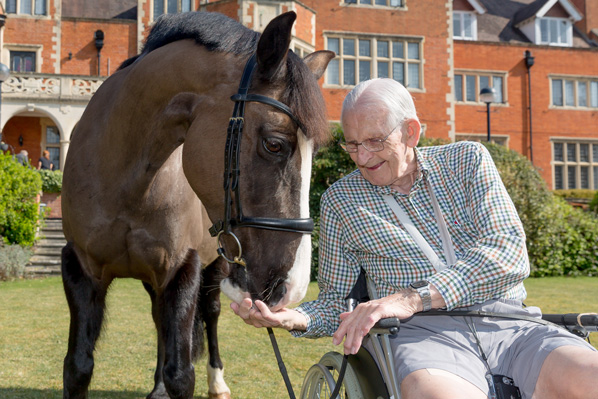
A horse made a surprise visit to a care home in Surrey as part of a nationwide initiative to help the elderly revisit their hobbies and “bring back memories”.


Care UK’s Long Lost Hobbies programme sees residents return to their favourite pastimes, including flower arranging, knitting and letter writing, in efforts which the company says are particularly beneficial for those with dementia.


Spurred on by the initiative, staff at Milner House in Leatherhead organised a surprise visit by Rosie the horse for 90-year-old Frank Grace, who said the experience made his day.


Mr Grace previously worked in a horse sanctuary and was once a keen horse rider.


“Horses like Rosie have always made my day. You shouldn’t be afraid of them, just because they’re big,” Mr Grace said.


“Love them and they will love you in return.”
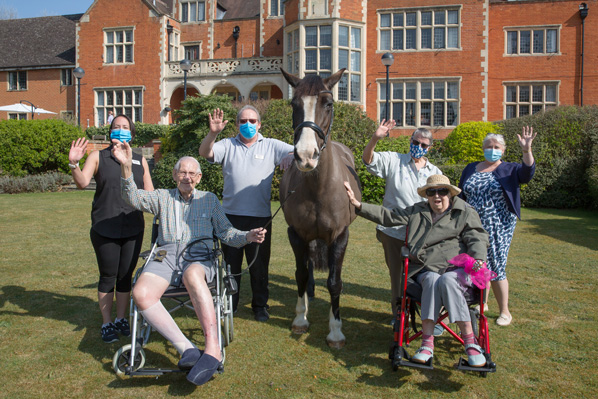
Photo horse surprise mccarthy holden

Michele Belch, a manager at Milner House, said: “We had a fantastic time revisiting Frank’s hobby and taking Rosie for a walk around the garden.


“Revisiting a past hobby, such as horse riding, can help bring back memories, as well as providing an enjoyable way to connect with others through a familiar activity that once brought joy,” said Ms Belch.


“Residents and team members at Milner House have loved revisiting their favourite hobbies and discovering new ways to pass the time from younger generations.


“It has been wonderful to hear residents talking about how they first discovered their favourite hobby and the fond memories this interest created.”
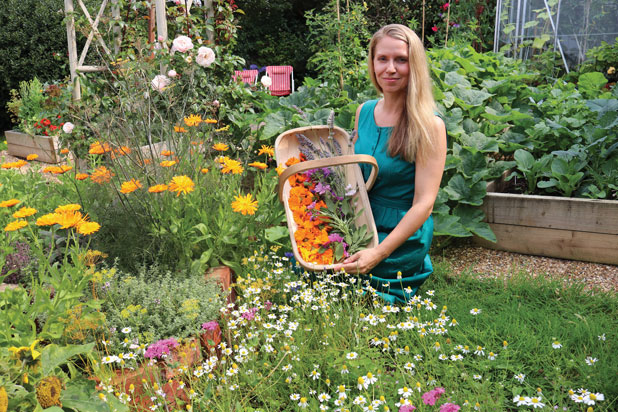
How to make skincare products out of garden plants

An expert offers a guide to making bath bombs, spritzes and soaps from common garden plants.

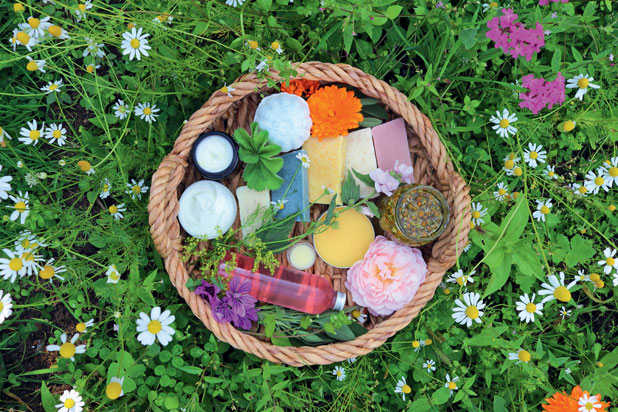
Want to create your own bath fizzers, soaps and other skincare favourites with botanicals from your own garden?

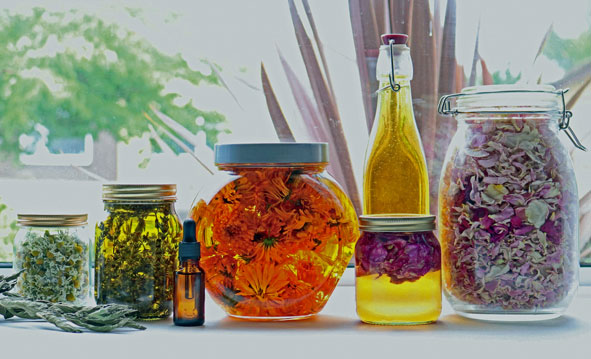
If you grow roses, chamomile, lavender and other common plants, you can use them in your regular skincare routines, says organic gardener Tanya Anderson, founder of Lovely Greens (lovelygreens.com) and author of A Woman’s Garden: Grow Beautiful Plants And Make Useful Things, a guide to how you can use your garden plants to aid wellbeing.

“We tend to think of botanicals as plant extracts that come pre-packaged, but the truth is that you can transform chamomile, roses, lavender, and even more exotic plants, into high-end skincare in the average kitchen,” she insists.

“You don’t need a huge amount of space,” she continues. “You can grow plants in pots or window boxes, or even forage for plants such as chickweed.”

Which plants should we grow for skincare?

Cucumbers are a soothing astringent, the roots of echinacea can be made into a tincture or glycerite, which is beneficial for healing skin, while soaking the roots of marsh mallow in water can provide a cooling and hydrating infusion for the skin, she says.

Rosemary, thyme violet and peppermint also have beneficial properties for skin, she adds.

Anyone with an indoor space could grow an aloe plant, for the obvious benefits the gel from a leaf can provide to soothe sunburn or regenerate tired skin.

“Different plants have different functions for your skin. Some promote healing, so if you have eczema or acne, it can help create regenerative tissue. Other plants have properties which make them humectant (which can draw moisture from the air).

“Some plants have natural tannins which help to tighten skin, so you can use them as toners. Witch hazel, for instance, has tannins in it. You use the extract in firming lotions and creams, while lady’s mantle also has tannins which helps to tighten skin as well.

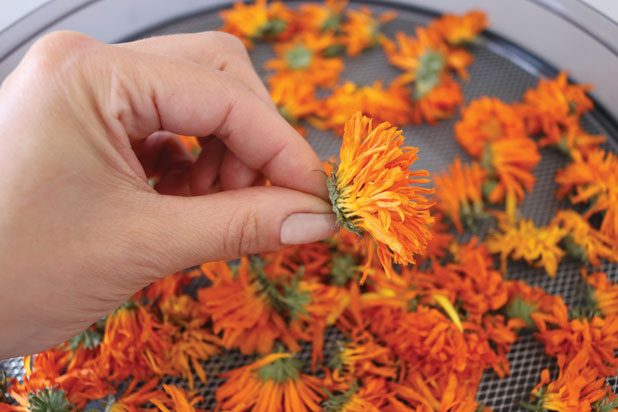
“If you’re a beginner, I’d grow gentle plants which are also edible. Chamomile, for instance, is fantastic for regenerative skincare, as is calendula. They can both be used as edible flowers, in calming tea, or in skincare.”

What about carrier oils?

To make herbal oils, you’ll need a carrier oil suitable for your skin type, she says.

“My favourite carrier oil is sweet almond oil, which is popular when used in massage. Those on a budget might use extra virgin olive oil, if your skin isn’t too oily.

“Coconut oil is good for your skin but can cause breakouts if you use it on your face – but we all have different skin types, so it’s a matter of trial and error and research.”

Projects to try

Create herbal oils

To do this, steep dried plant material in a carrier oil and you’ll end up with a solution which may be coloured or scented, which will contain fat-soluble components from the plant, she says.

The oil can be made by filling a jar halfway with dried plant material – such as calendula flowers – and then fill it up with a light carrier oil, such as sweet almond or grapeseed.

Leave it for two to six weeks in a warm spot out of direct sunlight, strain through a sieve and the finished product can be used to make massage oil, salves, lotions and cleansers.

Rose petal facial mist

“This is an easy one. To make the rose petal skin toner, you make a glycerite (from vegetable glycerine, which you can buy, and distilled water) and infuse those rose petals into it.”

Add that to a rose tea infusion, made by putting rose petals into distilled scalding water and then turning off the heat, putting a lid on the pan and allowing them to steep for 20 minutes, she advises.

“Shake it all together in a spray bottle. It’s a very light astringent which smells lovely, and the vegetable glycerine helps to promote moisture. Use it any time, but make a small amount, because it doesn’t last very long. Keeping it in the fridge will help it last longer.”

Herbal bath fizzies

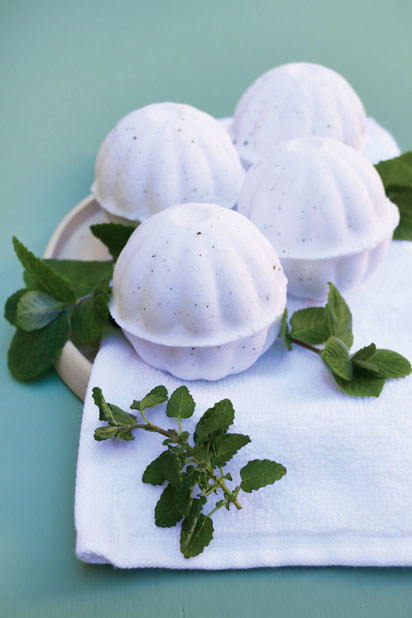
“These are among the easiest things to make – and make great gifts. You combine bicarbonate of soda with citric acid and Epsom salts and then meld them together with herb-infused oil with dried herbs in it. It’s very safe and you can make it with the kids.

“The fizzies have infused oil in them. The fizziness is just for fun but the oil will float to the surface of the bath water and when you get out of the bath, that layer of oil will coat your skin and help to condition it afterwards.”

Easy soap

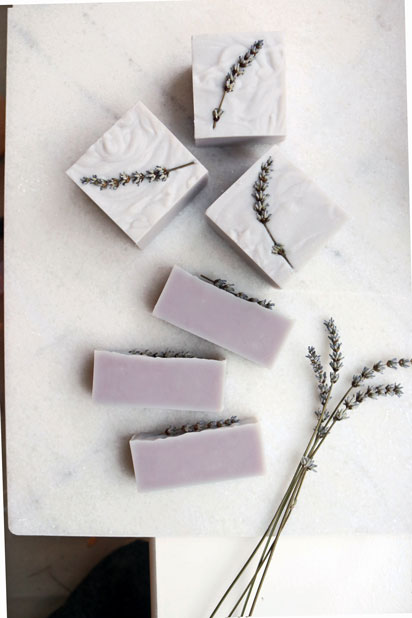
“If you are going to make soap from scratch, it is home chemistry, but you can buy pre-made organic ‘melt and pour’ soap bases, which you can cut into cubes and microwave, and once it’s liquefied then you can add an infused oil and dried herbs afterwards.

“You have to work quickly, pour it into moulds and it will firm up.”

A Woman’s Garden: Grow Beautiful Plants And Make Useful Things by Tanya Anderson is published by Cool Springs Press, priced £18.99. Available now

8 trend-setting campsites to book in the UK this summer

With a summer staycation looking hopeful, a camping trip is on the cards, says Sarah Marshall

As a cloud of uncertainty still hangs over foreign holidays this summer, the UK looks set for another bumper year of staycations. Once again, camping looks likely to be popular, as travellers seek to explore nature and rediscover a sense of adventure.

According to a new report by website Cool Camping, who sell a variety of campsite holidays, treehouse accommodation is set to be a big trend. By studying page views, they estimated a whopping 1,624 interested customers to every one treehouse. Unsurprisingly, given booking habits last summer, glampsites are also likely to sell out fast. The website says almost 50% of enquiries request a hot tub.

Other anticipated trends for 2021 include a rise in ‘en-pitch’ accommodations, offering private toilet facilities, plus an increase in pop-up campsites, which were also popular last year.

Keen to book but don’t know where to start? Here are some of the recommended spots likely to sell out fast.

1. Treetop adventures

Where: Melin Mabes, Pembrokeshire

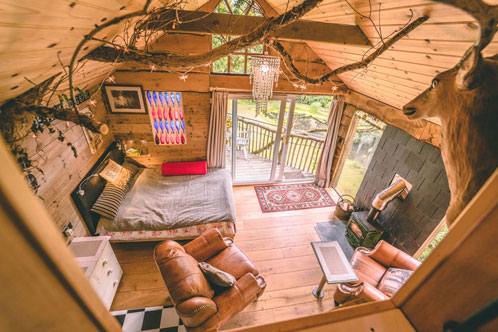
The quirky Templar Treehouse has its own private hot tub, plus a slide to take you down to the ground. The property features a combination of rustic charm and first-class amenities, with underfloor heating, a modern bathroom, antique kitchen, suspended loungers and veranda with a view to the river. From £152 per night, sleeping two people.

2. Nature calling

Where: Culdees Castle Estate, Perthshire

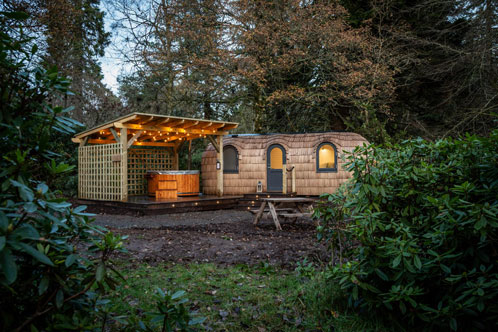
This pretty Scottish glampsite offers five woodland cabins, each tucked away within the five-acre forest. The huts have been specially designed to be incorporated into the nature of the site, and all have hot tubs available. There are plenty of options for walking, cycling, horse riding, fishing and golf nearby. Cabins from £120, sleeping two.

3. Family nostalgia

Where: Fisherground Campsite, Cumbria

For those looking for a more traditional grass pitch option, Fisherground Campsite in Eskdale is a popular choice. It’s a great choice for families, as there is plenty for the kids to enjoy, including campfires, a paddling pond and the nearby steam railways line, which can transport you to and from the campsite. Pitches from £24 per night.

4. Glam options

Where: Redwood Valley, Powys

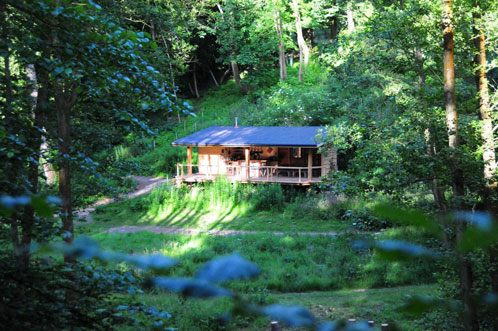
This family-run, eco-friendly campsite is set among 25 acres of woodland on the Welsh borders. The site features two yurts and one woodland cabin styled to give a treehouse feel. The stilted abode provides a view over the brook through floor to ceiling windows. Treetop cabin from £130 per night; yurts from £110.

5. Fantasy stay

Where: Mad Hatters, Cambridgeshire

This fun-packed campsite features all the magic of a ‘mad hatters’ tea party in camping form. Following an Alice in Wonderland theme, pitches are named after characters from the tale. The Queen of Hearts glamping cabin is straight out of a fairy-tale. Pitches from £18 per night.

6. Pitches for a pooch

Where: Howgills Hideaway, North Yorkshire

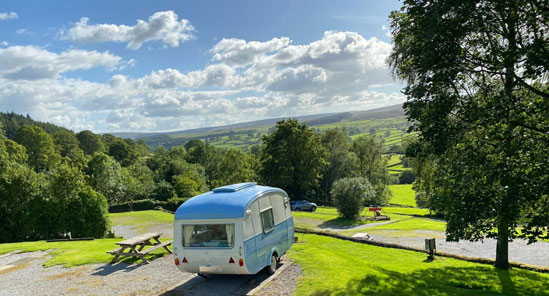
This North Yorkshire site offers pitches with incredible mountain views. The site has a relaxed atmosphere with both campfires and dogs welcome, and a mix of walkers and families taking up the pitches. The location is easily accessible for the beautiful Bolton Abbey, while the 80-mile long Dales Way is a popular walking route nearby. Pitches from £24 per night.

7. Cute for couples

Where: NightSky Glamping, Gwynedd

This romantic glamping option provides tented glamping with en-suite toilet facilities and private hot tubs. Aptly named, the campsite is in a location famed for its stunning sunsets and starry nights, while animal lovers will enjoy the on-site alpaca trekking options. There is also a choice of two beaches within walking distance. Bell tent from £70 per night; safari tent from £90 per night.

8. Desert island escape

Where: Ye Olde Swan, Oxfordshire

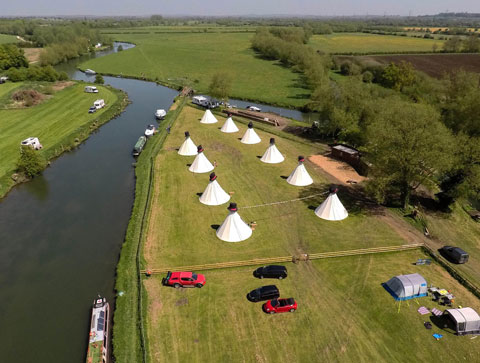
For something truly different, try Ye Olde Swan in Oxfordshire. The campsite is located on Thames Island, making it feel like an exotic escape. Fortunately, civilisation isn’t too far away, however. A traditional pub just over the bridge provides pizza and prosecco to the campsite.

All sites can be booked through Cool Camping. Visit coolcamping.com.

8 ways to help children struggling during lockdown

Childline has had thousands of calls from worried kids during the pandemic. Lisa Salmon talks with experts to find out how to help youngsters cope.

The pandemic has been tough for everyone – and that includes our children. Since it started last spring, Childline has heard from thousands of children worried about their own mental health and wellbeing, and feeling lonely.

It’s not hard to understand why – the change in daily routines, being isolated at home without seeing wider family and friends, and the removal of normal support networks outside the home has led to anxiety in young people – particularly those who were already trying to cope with other issues.

Childline counsellor Neil Homer says: “Last year was hugely testing and the challenges posed by the pandemic caused major disruption for many young people. Thousands reached out to Childline – sharing that they felt lonely and were struggling with their mental health, and telling us they felt isolated and scared.”

And Emma Thomas, chief executive of the children and young people’s mental health charity YoungMinds, says: “Sadly, the concerns Childline are hearing from children echo what young people have been telling us – they’ve struggled to cope with the changes and loss of coping mechanisms brought on by the pandemic, with many experiencing social isolation, anxiety, and fears around their future.

“The pandemic is deepening the crisis in young people’s mental health and there’s growing evidence suggesting the impact could be significant and long-term. Many lost access to mental health support during the first lockdown, while others chose not to look for help when the NHS was under so much pressure. With another lockdown, it’s likely more young people may struggle to cope.”

Here, Childline and YoungMinds outline how to help support children’s mental health and prevent feelings of isolation…

1. Know how to spot the signs

You can’t help your child if you haven’t realised they’ve got a problem, and Young Minds says there are many things to look out for. “If you notice your child is becoming withdrawn, that there’s been a change in sleeping or eating habits, if they seem to lack confidence or get upset, it might be a sign they’re struggling,” warns Thomas.

2. Talk to your child

If you spot signs your child might be struggling, it’s important to talk to them.“Keep talking and trying to communicate in any way you can – hugging, listening to them, texting them,” advises Thomas.

3. Expressing feelings doesn’t have to be face-to-face

Children might find it easier writing their thoughts down, so the whole family could do this and put them in a ‘feelings box’ and then talk about their good, sad or difficult feelings at the end of the day. For younger children, play can be a great way to help them talk about their worries or give them a good distraction when they’re upset, says Homer.

“An environment where children can share their feelings not only helps them manage their own wellbeing but also means they’re more likely to share when something’s really troubling them,” he points out. “Sudden changes in behaviour can be an indication something’s wrong, so take the time to listen and encourage them to think about the next steps they want to take.”

4. Create structure and routine

For many families, keeping a normal routine during the pandemic has been difficult, particularly during periods of home schooling. “It’s normal for a lack of structure to make children and young people feel anxious and upset,” explains Homer.

“Try introducing a rota or loose timetable that includes fun things you’re doing during the week. Structure can help children see what’s happening next in the day, look forward to the rest of the week and differentiate between weekdays and weekends. It also helps to create a feeling of stability, which can alleviate anxiety.”

5. Give children a sense of control through information

Uncertainty about the future can be stressful, but knowing we don’t always have all the answers is reassuring too, says Homer, who points out that online information tools can help children work through their worries.

He suggests parents look online with their children to find useful information and resources that help children feel they have control. Childline has advice on coronavirus on its website, and lots of tools to help alleviate anxiety.

6. Help your child manage stress

If children’s worries become unmanageable or feel out of control, they can lead to mental health difficulties or feelings of isolation. But before attempting to fix the problem, Childline advises parents to listen to what’s concerning their child and ask how they might like to tackle the problem.

“Unlike adults, children are unlikely to have coping strategies and helpful ways to manage stressful feelings, so as adults it’s important we guide and support them to do this,” says Homer. “Let them know difficult things are going to happen which can cause us to feel like we can’t cope and that’s OK, and it’s how we manage these feelings and move forwards that’s important.”

He says carving out time to relax is a great way to deal with stress, and outdoor physical activity can really help as well.

7. Limit screen time and mix up activities

As most socialising moves online, it’s important to have conversations on how an increase in screen-time can have an impact on everyone’s mental health and self-esteem, says Homer. Many young people on social media compare what they have or look like to their peers or celebrities, which has a negative impact on self-esteem and self-confidence.

“Remind them nobody’s perfect and we’re all different, special and unique in our own way,” advises Homer. “While the online world provides a great way to connect with friends and family, it’s important young people also engage in off-screen activities. This can increase a feeling of connection with others, which can help to limit isolation and loneliness.”

8. Help and support for parents & children

If things don’t improve, seek help, whether that’s through your child’s school, your GP or via a helpline like Childline on 0800 1111 or the YoungMinds helpline on 0808 802 5544.

If adults are worried about children they can get advice from NSPCC practitioners on 0808 800 5000 or help@nspcc.org.uk. There’s advice on the YoungMinds (youngminds.org.uk) or Childline (childline.org.uk) websites, or children can have a 1-2-1 chat on the Childline site, use its message boards, or visit its Calm Zone (childline.org.uk/toolbox/calm-zone).

The NSPCC (nspcc.org.uk), which runs Childline, needs more volunteers to both help with its services like Childline, or take on a fundraising challenge. Find out more here nspcc.org.uk/support-us/events-fundraising/new-year-challenge .

For help with drug or alcohol addiction, a specialist help could be found at Rehab Recovery.

10 Fun Summer Outdoor Activities for Kids – with TV’s Helen Skelton

outdoor time family

The presenter and mum-of-two teams up with outdoor experts to suggest natural ways to keep children entertained outside over the summer.

After months out of school during lockdown, children and their weary parents are now faced with yet more time to fill during the holidays.

To help inspire them, The Wild Network has teamed up with TV presenter Helen Skelton and Smart Energy GB to suggest 42 sustainable things to do over the summer.

“I’ve got two young boys, who have been home pretty much the whole time during lockdown,” says Skelton of her sons, Ernie, five, and Louis, three. “They’re wide awake at 6am and full of energy all day.”

The Countryfile presenter and former Blue Peter host continues: “The boys love being outside – whether that’s in the garden, local park or woodland. They love foraging, climbing trees and creating seed bombs. If they’re running around all day, I’m hoping they’ll sleep all night!”

In addition, the Royal Horticultural Society (RHS) has also compiled a series of activities for children to enjoy over the summer, and Guy Barter, RHS chief horticultural advisor, says: “Getting outside and sparking excitement around plants and bugs is the best way to inspire a love of nature, which is hugely beneficial to children’s health and wellbeing.

“Being outdoors makes us feel free, and gardening and connecting with nature is a very mindful task that can be just as rewarding for parents as it is for children.”

Here are 10 outdoor activity suggestions from the RHS and The Wild Network…

outdoor time family

1. Make a seed bomb

The Wild Network suggests children will have fun mixing daisy seeds with peat-free compost and water, and rolling the mixture into a ball. Let the balls dry and throw the resulting ‘seed bombs’ into the garden, or perhaps the park. Make sure you know where the bomb landed, so you’ll be able to see if daisies grow there in the spring.

2. Create a temporary dam

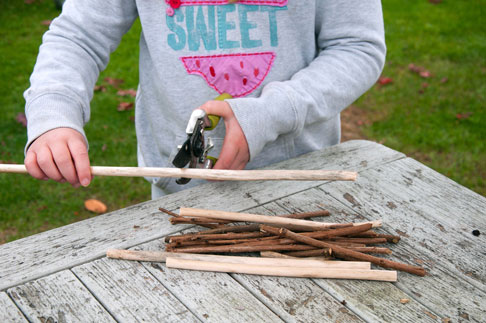
If you live near a stream, The Wild Network suggests making your own temporary dam with twigs, branches and stones to stop the flow of water. But it’s important to remove the dam straight afterwards, or the stream could flood.

outdoor time family

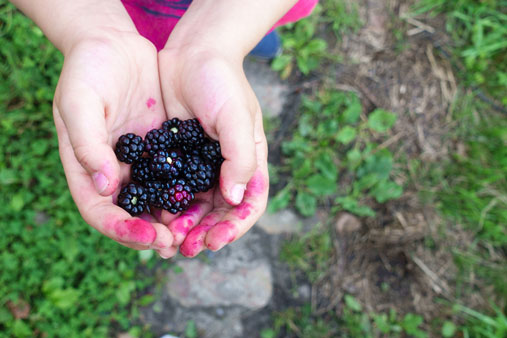
3. Go foraging for blackberries

Blackberries are in abundance at this time of year, says the RHS, growing wild in hedgerows from now until October. Take a bag on a country walk and hunt for the darker, sweeter, fruits to bring home. Avoid picking any that are below adult waist level or near busy roads.

4. Collect seeds to plant next spring

Cowslips, primroses, garden primula and other early flowers will be ready to shed seed now, says the RHS. With permission, gather seeds by snipping off seed heads and shaking them over a sheet of paper. Sprinkle the seeds onto a pot or tray filled with firmed potting compost, water, and leave in a sheltered spot, covered so animals can’t disturb them. Next spring look for little seedlings to plant in the garden.

outdoor time family

5. Paint a watercolour with rain

If it looks like it’s about to rain, The Wild Network suggests kids put some sheets of paper outside with drops of watercolour paint on them, and wait and see what picture the rain paints! “Even if it’s raining the boys enjoy being outside, playing in puddles, or creating a painting using drops of watercolour paint and the rain,” says Skelton. “For me, rain doesn’t have to necessarily mean the end of outside play.”

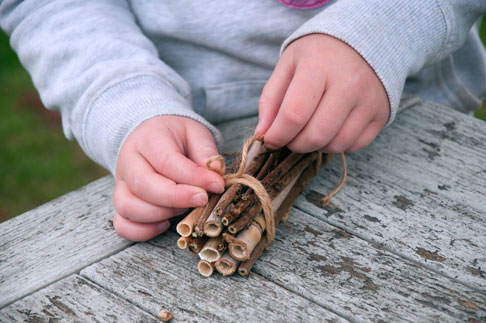
6. Create bug hotels for pollinators

Fill wooden boxes, flowerpots or other containers with pine cones, bamboo canes, straw, bark and logs or wood with holes drilled in them, suggests the RHS. Bees in particular like these ‘hotels’, especially the solitary bees that are among the best flower pollinators. Watch and make a note of which visitors come to stay.

outdoor time family

7. Go on a rainbow scavenger hunt

Both the RHS and The Wild Network suggest that in the garden or on a walk, children should try finding something in nature from every colour of the rainbow, and take photos if possible. The RHS warns children to be respectful to nature by only taking very small samples from plants or by looking for fallen materials, and not to touch anything unusual. The RHS Summer Flower Spotter Guide might help.

8. Make a mini-pond

Sink an old washing up bowl into the ground, fill with water, and add a rock or brick so anything that falls in can crawl out, says the RHS. Put in some waterweed and wait for creatures such as water boatmen and pond skaters to appear. Leave a muddy patch next to the pond so you can see any bird, fox or hedgehog footprints. Birds and insects also need mud for nesting.

outdoor time family

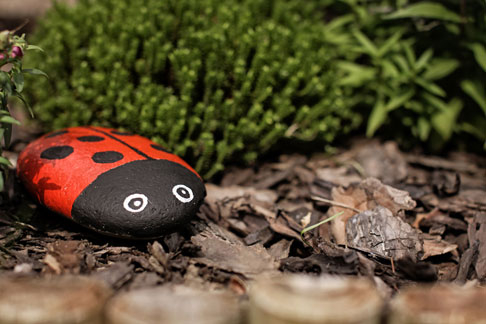
9. Be a street artist

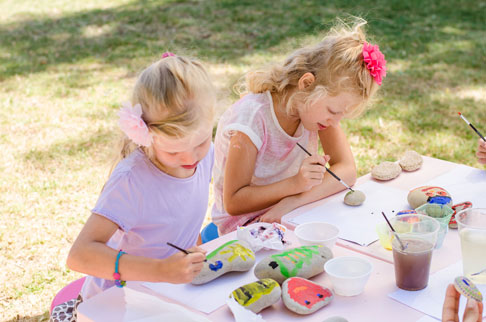
Paint some stones, suggests The Wild Network. There are lots of possibilities – children might want to paint on flower patterns, turn the stones into insects or animals or decorate them with patterns. Hiding them for your friends to find could be fun too.

10. Watch caterpillars transform into butterflies

Moths and butterflies lay eggs in late summer that soon hatch into caterpillars, points out the RHS, which says nasturtiums are particularly attractive to large cabbage white butterflies. Although gardeners aren’t pleased when these butterflies infest cabbages, children can raise the caterpillars in a plastic box with a lid that lets in air, feeding them on cabbage leaves until they form a chrysalis. Inside the chrysalis, the caterpillar turns into a butterfly, in a process called metamorphosis.

Visit The Wild Network (thewildnetwork.com/inspiration/2020/7/20/42-days-of-summer) to find the 42 Days of Summer checklist.

Helen Skelton has teamed up with Smart Energy GB to encourage families to get a smart meter installed to help manage household energy consumption.

3 Ways to Help your Child Feel More Calm

Claire Spreadbury asks experts for advice during this tense time.

Whether they’re struggling with schoolwork, battling with friendships or feeling the highs and lows of our current situation, being a kid is never easy.

So, what can parents do to help instil a sense of calm? There are activities you can introduce now to help give children skills they can turn to in tough times.

Here are three worth giving a go…

1. Start writing a journal

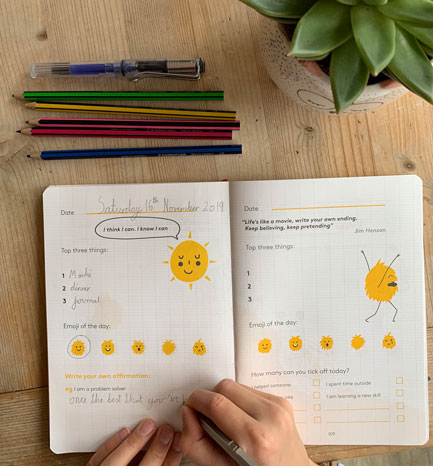
Taking time out of each day to write in a journal is a great habit. It can make kids more thankful for the good stuff and act as a release if they write down anything that’s worrying them.

Mum-of-two Francesca Geens started the HappySelf Journal (£23/E26.31, Notonthehighstreet, notonthehighstreet.com) after reading daily reports about how some kids are growing up stressed. “I really wanted to do something to help children develop healthy habits as they grow up in this increasingly busy and switched-on world.”

Geens created a journal aimed at children aged six to 12 and is based on scientifically-proven methods that promote happiness, develop healthy habits for life and nurture enquiring minds. “I designed it because it’s what I wanted my own children to have access to, and couldn’t find anything like it,” she says.

Her kids got involved in the entire process. Geens’ 10-year-old still uses it daily, and her 14-year-old daughter has been helping with the teen edition, coming soon. “We saw the biggest impact with my son – who was able to share worries with us that he hadn’t felt able to talk about previously. And this is something so many parents have shared with me since – that the structure of the journal leads to some lovely conversations at bedtime, leading children to share worries, including bullying, for the first time,” says Geens. “My son started sleeping better, communicating with us more about his feelings and being able to appreciate and identify the positives in his day.”

“We have doubled down on our happiness practices as a family,” adds Geens. “We take our time for journalling and mindfulness, we share our ‘top three things’ at dinner every evening, don’t watch too much news and have clear boundaries for social media and screen time.

“What’s been interesting is that, despite everything that’s going on, we have managed to all keep a positive mindset. We’ve focused on those areas we can control – like looking after ourselves and helping our neighbours. With so much uncertainty and changes to our daily routines, it’s a good time to start journalling. It brings an important structure to the day and allows us a quiet time to reflect and process the day in a positive way.”

2. Exercise for physical and mental health

Some kids love exercise, others are more reluctant. But find the right activity for them and it can really give their mental health a boost, and instil that sense of calm.

“Exercise promotes the release of our internal mood elevators, powerful hormones and neurotransmitters, which – particularly when combined with a little physical fatigue – will have a very calming effect on children,” says fitness expert Laura Williams. “Add in other feel-good factors, such as green space (the evidence for outdoor exercise and mood is extensive), and the fact exercise is likely to be taken with family or friends, and you have a soothing, calming cocktail.”

If your children aren’t so keen on PE With Joe, try an online class where you bust some moves to a chart-topper. Try going on a big bike ride together, or start doing Couch To 5K with them. The sense of achievement often gives us all a boost, and makes kids more up for it the next time.

3. Try meditation or mindfulness

At the beginning and end of each day, Priyanka Lugani, founder of ALMA (almadeli.com), suggests taking your child through heartfulness practice, which can include breathwork, meditation or simply just being still and listening to some calming music. “Ask them to close their eyes and notice what they can hear (birds outside) and feel (the rug underneath).”

If this doesn’t work for your family, try getting creative. “Sensory stimulation with play also activates the stimulation of inner organs, benefiting our children’s minds as well as our bodies,” adds Lugani. “Get messy with arts and crafts and be fully present when doing so. This is also a great way for children to burn off some steam, which will aid their development and ensure they are stimulated enough to unwind at the end of the day.”

McCarthy Holden and COVID-19

Covid response

Our response

As with most of the world at the moment, I think everyone at McCarthy Holden are still in shock at what our lives, both personal and business, have become in a very short space of time.

We are hopeful, we are determined, we are anxious, we are planning, we are cleaning, we are keeping busy and we are trying to proceed with everyone’s best interests in mind.

Our responsibility

McCarthy Holden has a responsibility and duty of care to our staff, our clients and our communities. 

This news page outlines some important information about how we will conduct ourselves when visiting a clients home, through to providing insight into how we will progress house sales and manage the hundreds of properties we manage for landlords. As information is coming through daily this will be updated as soon as possible.

Some of us at McCarthy Holden are those at greater risk so have already started working from home – you may notice a smaller number of people in the office, but this is to protect those that need it most. All the decisions that are being made and have been made are guided by Public Health England and we have closely aligned ourselves with the latest government advice and guidance.

With regards to our clients, their health and property, we are continuing as normal at the moment with viewings, negotiations and sales progression, and we are currently very busy. We do expect things will need to change so Skype valuations and viewings are being set up to allow everyone to continue to use our services as best possible. We are also looking at Live chat and Skype consultations with our negotiators or with our sales progressors so communication can be open at all times.

Our request

With anyone who is coming into contact with McCarthy Holden employees – viewers, valuations, office visits – we ask that if you are showing any of the symptoms or are residing with anyone who is self-isolating to please let us know so we can minimise risk.

Whilst we are, as always, delighted to see people, please don’t be offended that we won’t be shaking hands and will be keeping a safe distance. In some cases we may not be able to offer drinks or refreshments as we would normally, but instead we will offer you hand sanitiser and facilities to wash your hands during our time together.

We are also aware that vendors and landlords are worried about even the smallest risk of virus transmission, so when we meet buyers or tenants for viewings we will be providing latex gloves so that things like door knobs, stairs and kitchen equipment are not touched with bare hands. Alcohol wipes and hand sanitisers will be used both in homes and in offices regularly.

Our reply

We will beat this with the rest of the UK by following the governments advice. We will work with everyone to ensure minimum risk. We will help in our communities whenever and wherever possible.

Our future

In the coming weeks, we will be looking to minimise the risk to employees further. Initially this will be through reduced hours or shift rotas and ultimately may need to have all staff working from home in the coming weeks, possibly sooner depending on government directive. That does not mean we are not available to continue our work and we are set up with all communications and technology to continue doing what we do best.

Meanwhile, business is operating as usual and we remain committed to the well-being of our staff and customers at this difficult time. 

We wish everyone a safe time over the coming days,weeks or even months, take care of each other and we hope everyone will be back on track and feeling safe before too long.

Samantha Holden

×
Find a Property
M
Country & Equestrian
By submitting this form, you agree to McCarthy Holden using your personal data in accordance with our Privacy Notice.