10 of the Best Gardens to Visit this Summer

Many gardens have now reopened to the public for summer. Hannah Stephenson selects 10 of the best.

Still short of things to do during summer holidays? Why not visit some of our most glorious gardens, which have reopened to the public.

They all detail the Covid-19 safety measures they’ve put in place on their websites. Most require pre-booking tickets (check websites for specific details) and all have regulated social distancing – take a mask to be on the safe side too.

Here’s 10 of our favourites…
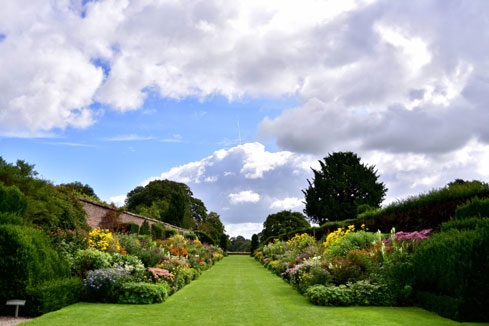
1. Arley Hall and Gardens, Cheshire (arleyhallandgardens.com)

Arley Hall and its glorious gardens have provided the setting for some familiar TV series, including Peaky Blinders, Antiques Roadshow and Great British Garden Revival. Head for the herbaceous border, its best known feature, which boasts some spectacular planting, then wander through the pleached lime avenue of trees and lose yourself within The Grove. There are many different areas within its eight acres of formal gardens, as well as an arboretum and woodland walk. The hall remains closed.
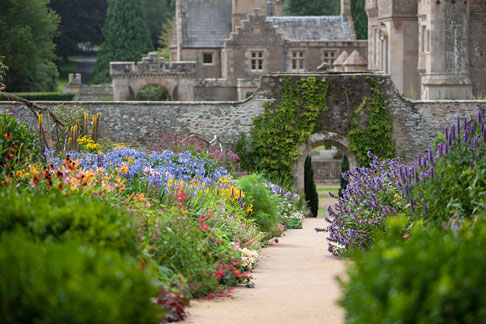
2. Abbotsford Gardens, Roxburghshire, Scotland (scottsabbotsford.com)

Abbotsford was Sir Walter Scott’s home, and his imagination extended to the outdoors with the creation of these beautiful formal Regency gardens. Highlights include the kitchen garden, the third of his interconnecting outdoor ‘rooms’, which house a mix of flowering and scented plants, herbs, fruits and vegetables.

The gardens are currently open Wednesday to Sunday, with hopes to reopen the historic house in August. Check the website for updates.
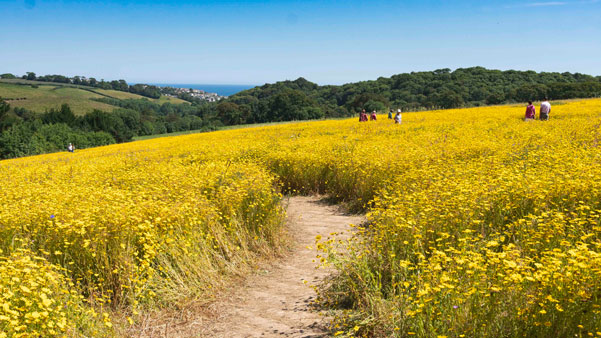
3. The Lost Gardens of Heligan, Cornwall (heligan.com)

With some 200 acres of garden and estate, you simply can’t do all of Heligan in one visit – so if you’ve only got a day, seek out summer highlights. An incredible 15 acres of wildflower meadow has been planted, featuring cornflowers, corn chamomile, poppies and corn marigolds, to create a stunning visual backdrop, perfect for butterflies and bees.

Families are invited to pick up a ‘Heligan Summer’ booklet from the ticket office before setting off. Pre-booking essential for timed tickets.
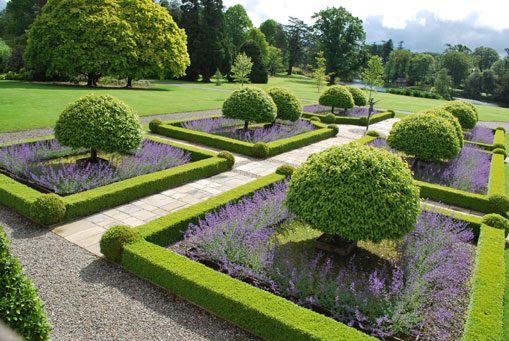
4. Montalto Estate, Co. Down, Northern Ireland (montaltoestate.com)

The trails and gardens within this magical estate have now re-opened, so visitors can explore a wealth of features – including the cutting garden made up of annuals, biennials, perennials and shrubs, the formal garden with its defined geometric shapes and stunning views of Montalto Lake and boathouse, and the alpine garden, with its impressive collections of plants.

The trails and gardens are currently open Wed-Sun but all visitors must pre-book tickets online. Access to some gardens may be restricted due to events.
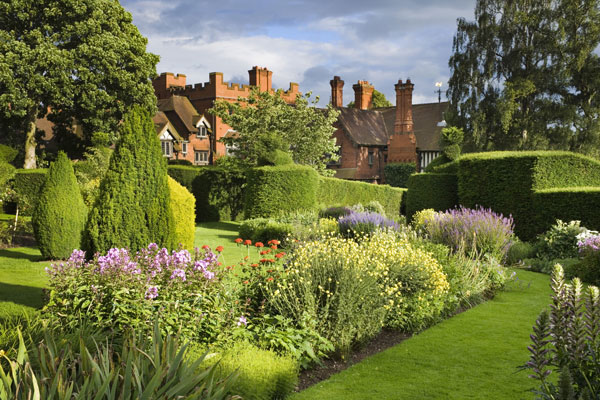
5. Wightwick Gardens, Wolverhampton, West Midlands (nationaltrust.org.uk)

Comprising 17 acres, this might not be the biggest National Trust garden but it certainly packs a punch in the style stakes, thanks to 20th century Arts and Crafts garden designer, Thomas Mawson. The dominant design feature of the garden is its ‘rooms’ – areas marked by clipped yew hedges or terraces, giving the space a wide variety of different feelings.

Tickets are released on Fridays for the following week and pre-booking for timed visits is essential. The Manor House remains closed until further notice.
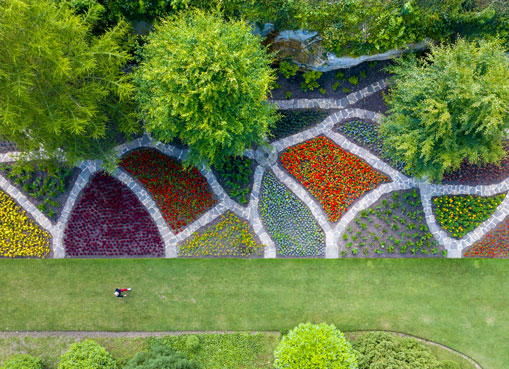
6. Brodsworth Hall and Gardens, South Yorkshire (english-heritage.org.uk)

Spectacularly restored to their full Victorian splendour, the 15 acres of gardens at Brodsworth are home to a collection of grand gardens in miniature, filled with colourful seasonal plantings and displays. Stroll through the statue walks and the beautiful wild rose dell, with over 100 varieties of historic rose. You can also admire period bedding plants in the Flower Garden, including cannas and gingers for dot planting, with salvia, gazania, ageratum and verbena.

Pre-booking essential for timed tickets. House and play area remain closed. A family-friendly summer explorer quest is taking place throughout summer.
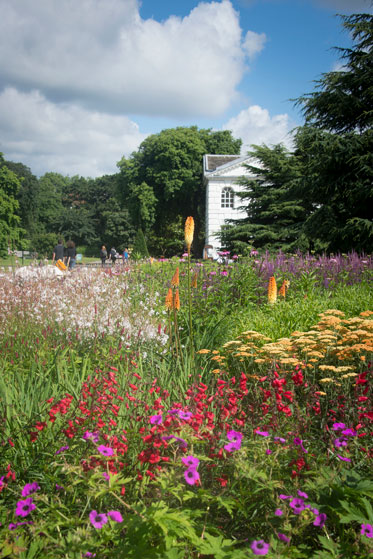
7. Royal Botanic Gardens, Kew (kew.org)

The world famous botanical gardens opened doors to visitors in June. They’ve now reopened the glasshouses too, so you can admire an array of tropical treasures, desert species and more in the Palm House, Temperate House and Princess of Wales Conservatory.

In a final flourish to Kew Gardens’ summer landscape, a bespoke botanical sculpture – created by the winning duo from the acclaimed Netflix television programme, The Big Flower Fight, will be on display in August.

Pre-booking essential for timed entry. Toilets, shops and some outdoor food facilities are currently open and screened regularly. Check website for details.
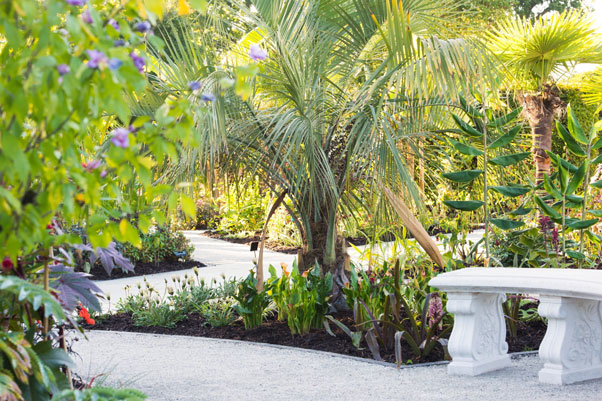
8. RHS Garden Wisley, Surrey (rhs.org.uk)

Visitors to the jewel in the crown of the RHS gardens will be able to enjoy its summer highlights, including sizzling dahlias and tropical banana plants in its exotic garden, which showcases plants that have a tropical look but flourish outdoors in a typical UK summer climate. Don’t forget to stroll along the mixed borders for a riot of summer colour and surround yourself with lavender on the viewing mount.

Pre-booking essential for timed tickets, card transactions only on site. Glasshouse, alpine houses, learning centre and library and advisory desk remain closed.
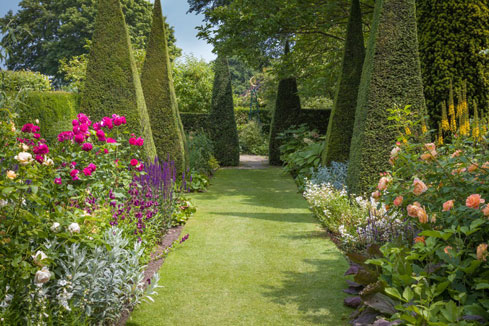
9. Wollerton Old Hall Garden, North Shropshire (wollertonoldhallgarden.com)

Set around a 16th century hall (not currently open to the public), Wollerton Old Hall incorporates a formal modern garden on an old site covering four acres. Its garden rooms are beautifully planted with stunning perennials and offer some terrific design ideas. The garden is famous for its salvias, clematis and roses and the clever use of colour, form and scale. The main perennial border in late summer is still awash with colour, so don’t miss it.

Currently open Thursday, Fridays, Sundays and Bank Holiday Mondays. Pre-booked tickets essential.
10. Witley Court and Gardens, Worcestershire (english-heritage.org.uk)

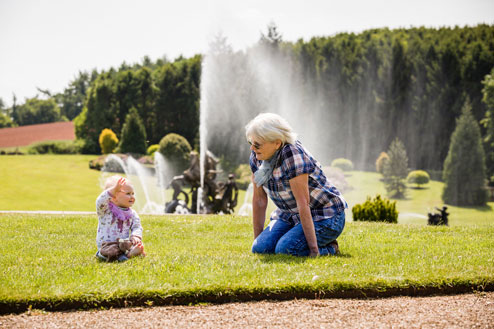
Survivor of a devastating fire in the early 20th century, Witley’s romantic gardens are full of delights. A spectacular lake, vast fountain of Perseus and Andromeda, and colourful French parterre are among the highlights. In summer, the East Parterre at Witley Court is spectacular and includes variegated pelargoniums, ageratum, evening primrose (Oenothera) and verbenas.

This summer, take the family on a free fun adventure quest with an historical twist. You can download your trail map on the website before you go.

Pre-booking essential for timed tickets.
7 of the Best Places for Wild Swimming in the UK and Ireland

wild swimming

From waterfalls in Yorkshire to glacial fjords in Ireland, there are so many amazing places for some al fresco exercise.

This year, many swimming fanatics have had to find new ways to get their fix.

Indoor pools are soon to be reopened in the UK and many have already opened their doors in Ireland, but it seems there’s been a surge in the popularity of wild swimming recently – with people falling in love with the outdoorsy, brisk nature of the sport.

Whether it’s lakes, rivers or pools, there are plenty of health benefits to an al fresco approach to swimming – the cold water is said to release endorphins, which can help boost your mood, and help improve circulation.

Your body has to work harder to stay warm in the cold water, meaning you burn more calories, and studies have shown it can even lower your blood pressure.

You have to be particularly careful when swimming in open bodies of water. Check any currents before getting in – even shallow sections of fast-flowing water can knock you off your feet – check the depth of the water first, be careful not to get too cold and never swim alone.

Here are some of the most beautiful places across the UK and Ireland to connect with nature and dip your toes in the water…

wild swimming

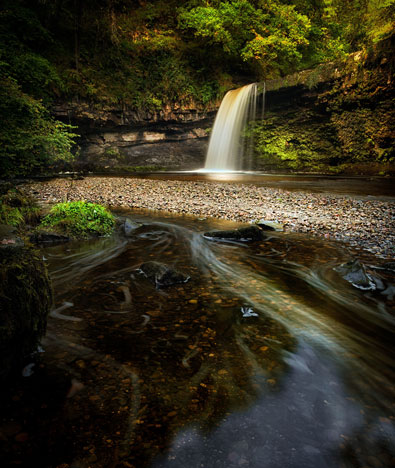
1. Sgwd Gwladys, Neath, Wales

You might think waterfalls are the kinds of things you only really stumble across on holidays to far-flung places, but there are actually plenty closer to home. Known as ‘Lady Falls’, Sgwd Gwladys is like something out of a storybook with a 10m high waterfall gushing into a plunge pool, surrounded by a serene forest.

wild swimming

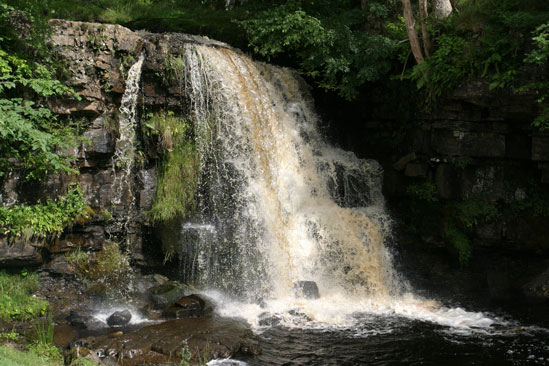
2. Kisdon Force, England

If Lady Falls piqued your interest in waterfalls, next you could visit Kisdon Force in Yorkshire. This has not one, but two waterfalls nearby – one is 5m high and the other 12m. Located in a gorge, Kisdon Force is surrounded by a woodland area, making it feel extra peaceful.

wild swimming

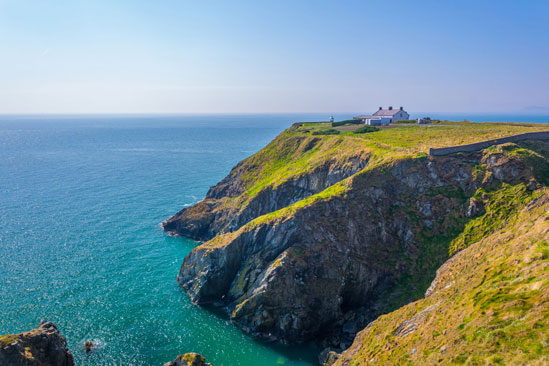
3. Howth, Ireland

A coastal village not far from Dublin, Howth is surrounded by rocky paths leading to plenty of perfect spots to jump into the sea. In fact, it’s so geared towards wild swimming some of the rocky outcrops even have diving boards built onto them. However, it’s very stony so be careful getting in and out.

wild swimming

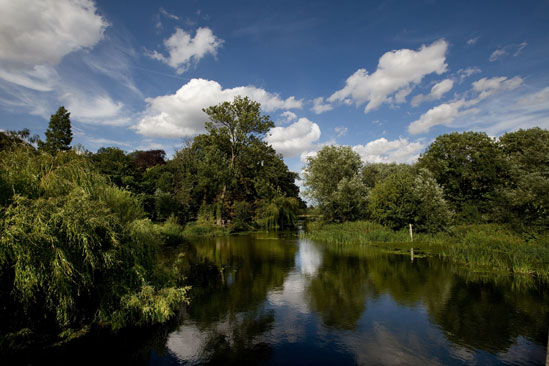
4. Grantchester Meadows, England

You can find Grantchester Meadows on the River Cam in Cambridgeshire. It’s the perfect spot to access the river and do a bit of swimming, surrounded by leafy trees and grassy banks. There’s plenty of space to choose from along the two-mile stretch and occasional opportunities for diving.

wild swimming

5. Carlingford Lough, Ireland

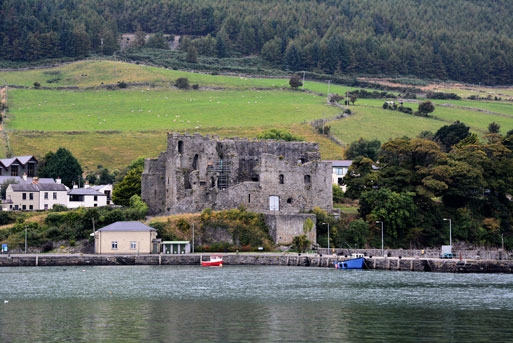
Carlingford Lough is a glacial fjord, so don’t expect balmy temperatures, but you can rely on the water being crystal clear. It forms part of the border between Northern Ireland and the Republic of Ireland, and during your swim you can marvel at the Mourne Mountains on one side and the medieval buildings of Carlingford on the other.

wild swimming

6. Allt Daraich, Scotland

These pools can be found close to the remote settlement of Sligachan on the Isle of Skye. The rocky pools are clear and blue-green in colour, and it’s the perfect place if you’re looking for seclusion.

wild swimming

7. Carrick-a-Rede, Northern Ireland

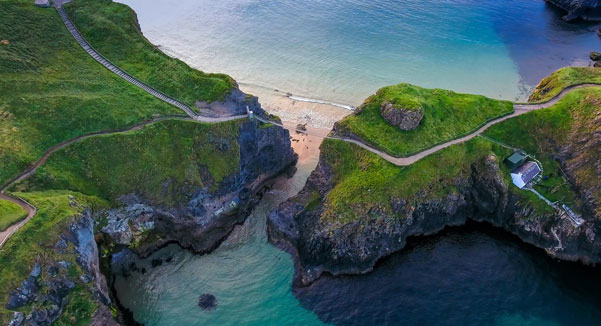
This is one of the more advanced options on the list, but is worth it for the breathtaking scenery. Carrick-a-Rede is famous for its rope bridge between two sheer cliff faces, and this 1km route gives you a different view of the landmark. Adventurous (and experienced) swimmers can paddle across Larrybane Bay and underneath the iconic bridge, taking a rest on Carrick-a-Rede island at the end.

Explore these Crowd-Free Beauty Spots in the UK and Ireland

uk travel spots

Domestic travel is set to be busier than ever this summer. Escape the bustle by avoiding the obvious destinations, says Sarah Marshall.

How often do we dismiss the easy option? Regarded as being ‘too close to home’, domestic holidays are frequently overlooked in favour of more exotic escapes; shelved for a later date, because we can go any time.

But lockdown has taught us even local travel has value, promising just as many pleasures as other parts of the world.

As restrictions ease, hotels and attractions are preparing to open in the UK and Ireland, and it’s likely many holiday-hungry travellers will hit the road. But there are fears a rush of numbers could ruin the experience, with concerns of overcrowded beaches and overrun national parks.

Fortunately, there are plenty of alternatives to the obvious honeypots. For those prepared to search a little harder, these are some of the quieter, more remote locations to explore on our shores.

uk travel spots

Northumberland National Park, England

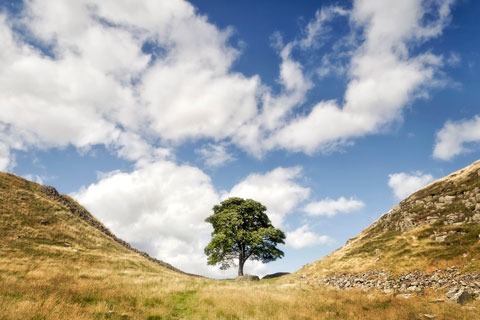
The title of least-visited National Park in the UK, is an accolade to be proud of in these crowd-dodging times. Even better, with only 2,000 residents, the 405-square-mile Northumberland National Park is the least-populated protected beauty spot, too. Sat below the Scottish Borders, it’s spliced by Hadrian’s Wall, and neighbours Kielder Water & Forest Park, a Gold Tier Dark Sky Park, where stars sparkle like gems. A sprawl of woodlands, streams and a rocky gorge, College Valley is one of the most remote areas to explore. Sleep in 14th century surroundings at Langley Castle (langleycastle.co.uk; 01434 688 888) where doubles start from £94 per night.

uk travel spots

Hayling Island, Hampshire, England

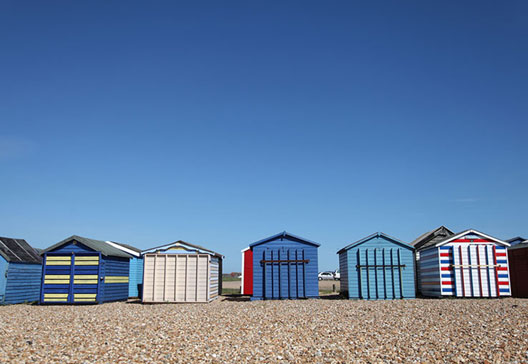
Even though it’s only a short hop across a bridge to this island offshore from Portsmouth, life slowly unfurls in its own holiday bubble. A popular seaside resort in the 1930s, it still has several holiday parks. A funfair and golf course provide man-made entertainment, although farmland and nature trails occupy most of the secluded spot. Highlights year-round are the Blue Flag beaches and breezy Solent water, ideal for sailing and windsurfing. A three-night caravan stay (sleeps six) at Parkdean Resorts Holiday Park (parkdeanresorts.co.uk; 0330 123 4850) costs from £199.

uk travel spots

Ceredigion, Wales

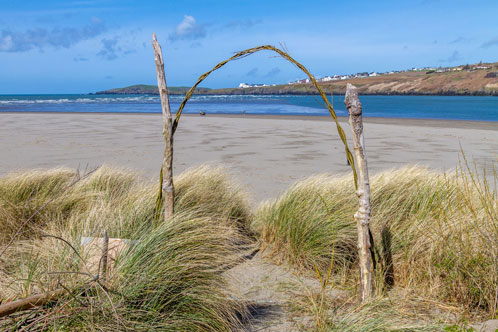
Imagine having the idyllic beaches and captivating wildlife of Pembrokeshire all to yourself? It’s possible in neighbouring Ceredigion, which shares the same superb scenery. With no motorways and few rail links, it’s harder to reach, but the journey along winding countryside roads is an adventure in itself – and well worth driving once Wales is more accessible to visitors. Walk the Ceredigion Coast Path, looking out for resident dolphins in the waves below, or explore the sandy beach at National Trust-owned Penbryn. Close to rural coastal village Llangrannog, Great Tree House is a six-person holiday cottage specially adapted for those with disabilities and limited mobility. Book it for a multi-generational break. Quality Cottages (qualitycottages.co.uk; 01348 837 871) offers seven nights in August from £1,706 per week.

uk travel spots

West Highlands, Scotland

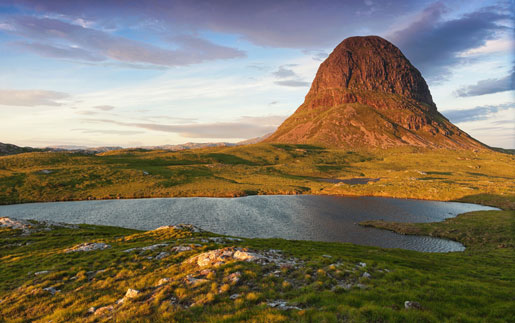
A tumble of rugged mountains and glassy lochs largely unfettered by human habitation, the Scottish Highlands is the UK’s wild corner. Popular spots Ben Nevis and Glencoe will inevitably attract crowds once restrictions start to lift, but retreat to Assynt and Coigach in the West Highlands and there’s no-one around. Waves crash against sea stacks and golden sands along the coast; inland, the remote mountain Suilven rewards climbers with astounding views if they make an ascent. Wilderness Scotland (01479 420 020; wildernessscotland.com) offers the six-night Wilds of Assynt tour from £1,625pp (two sharing), starting and finishing in Inverness. Departs August 1 or September 26, 2020.

uk travel spots

Wicklow Way, Ireland

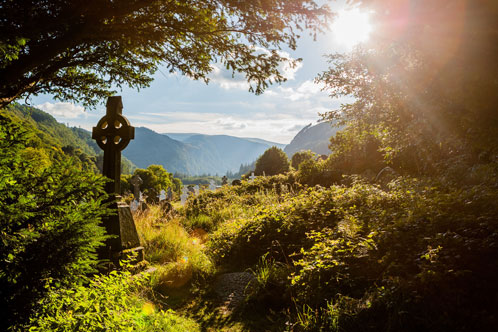
Most tourists are tempted by Ireland’s Wild Atlantic Way, but a quieter and no less pleasing option would be a hike along one of the Republic’s greatest walking trails, the Wicklow Way. Dublin day-trippers often head to sections straying from the city, but venture a bit further and any sign of human footprints disappear. Explore the ruined monastic city of Glendalough, or marvel at the dark waters of Lough Tay, dubbed the Guinness Lake. Wilderness Ireland (wildernessireland.com; +353 (0)91 457 898) offers a six-night Hiking The Wicklow Way tour from E1,870pp (two sharing).

uk travel spots

Durham Heritage Coast, England

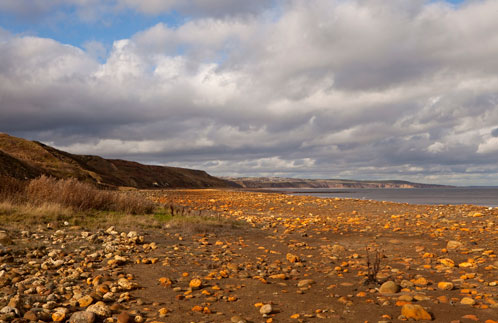
When it comes to sunny summer breaks, crowds tend to head south, but with temperatures across the UK rising this year, it would be a mistake to leave other areas in the shade. Although often associated with its industrial past, the northeast has a wild, unspoilt coastline of towering cliffs and dunes. Ramble along the Durham Heritage Coast, looking skyward for kittiwakes and cormorants, and gaze out to sea for a chance to spot bottlenose dolphins and minke whales. Set in the village of Murton, OYO The Village Inn (oyorooms.com) is offering doubles from £30 per night in July (originally £54).

uk travel spots

Rutland, England

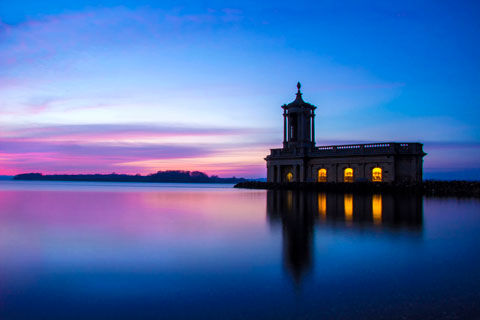
Best known for its Birdfair in August, England’s smallest county has all the elements of a quintessential countryside break: picturesque trails, quaint pubs and historical attractions. Rockingham Castle is a fine example of Norman architecture, while Rutland Water and Rutland Water Nature Reserve offer options for water sports and wildlife viewing in the otherwise land-locked region. Visit the fairy-tale Normanton Church, which appears to float on water when the reservoir is full. The Wisteria Hotel (wisteriahotel.co.uk; 01572 722 844) in Oakham, which completed a £150K refurbishment just before lockdown, has rooms from £65 per night.

Get Set to go Wild: Why a Sustainable Safari should be your Next Holiday

Support conservation and indulge a passion for animals by planning a trip to Africa, says Sarah Marshall.

In many ways, nature has flourished during lockdown: trees in city parks have breathed the cleanest air in decades, emboldened foxes are strutting along residential streets as if they own them, and the cast of critters in Springwatch has never seemed healthier.

But that picture of an environmental Eden doesn’t ring true across the globe.

In countries heavily dependent on wildlife tourism, communities have been hit hard by the pandemic with widespread job losses, posing a threat to the animals they live alongside.

Across Africa, millions of people are employed in the safari industry and vital conservation projects benefit from donations driven by tourism. Even the sheer presence of more people is a deterrent to poachers. But closed camps and empty national parks have stymied revenue streams and stripped away layers of protection.

The Duke of Cambridge is so deeply concerned, he’s written about the issue for the latest edition of Tusk Talk magazine, distributed to supporters of the African conservation charity.

As royal patron of Tusk Trust, who celebrate their 30th anniversary this year, he writes: “Decades of conservation progress in Africa is at risk. There are real fears that the economic crisis and redundancies resulting from the pandemic will lead to a sharp rise in poaching for bush meat, with criminals seeking to exploit the illegal wildlife trade while wildlife enforcement’s resources are stretched.”

His thoughts are echoed by Tusk’s CEO Charlie Mayhew: “There’s no doubt the loss of tourism is having a hugely negative impact on communities and economies. The projects we support are being extraordinarily resilient. They have had to dramatically cut budgets in order to respond to the challenges, but they are working harder than ever to protect their wildlife.”

Like so many charities, Tusk has suffered a financial blow due to the cancellation of fundraising events. The Lewa Safari Marathon, the biggest event in their calendar, will be going virtual this year, with participants encouraged to run anything from 5-42km throughout June. Visit lewasafarimarathon.com to sign up.

Of course, when travel is back up and running, another way to support Africa’s wildlife is by visiting responsibly run camps and lodges throughout the continent.

While the last few months have been bleak, tour operators are seeing some light at the end of the tunnel. Both Scott Dunn and Abercrombie & Kent report a rise in enquiries for African safaris, and peak season periods for 2021 are already selling out in some areas.

That should come as no great surprise.

Besides easing our ethical conscience, safari holidays have broader appeal in a post-Covid travel world: space and isolation naturally shape the experience in sparsely-populated destinations, and there’s a huge choice of exclusive use lodges, homes and even mobile camps on offer.

Jo Lankester, co-founder of specialist African safari operator Lankester White, stresses the importance of staying at a property committed to conservation and sustainability. She recommends outfits offering hands-on experiences that benefit charitable organisations, such as helping researchers to collar endangered wildlife, or “simple walking safari experiences with small footprints on the environment and an enhanced interaction with the wildlife”.

Overall, she is optimistic travellers will return to Africa when they can.

“Being in lockdown has given so many people a renewed perspective of time; of quiet contemplation, and appreciation of the world around them,” she points out. “That really is the essence of a safari trip – not only the tremendous excitement of watching lions or elephants.”

An expert view on safaris of the future: Beks Ndlovu

A professional guide who grew up in the bush, Zimbabwean Beks Ndlovu launched African Bush Camps with a vision for creating an authentic safari experience with the full involvement of local communities. Sustainable tourism is at the very heart of his ten camps in Zimbabwe, Botswana and Zambia, which have remained open during the global pandemic.

“We have 25% of staff on site,” he explains, “Because there are less eyes in the field, we do really need to have some sort of surveillance.”

Although he acknowledges there has been an unfortunate upsurge in poaching incidents, he remains hopeful for the long-term future of safaris.

“I’d like to believe that we all take heed of this time; we’ve seen clearer skies, less carbon emissions,” he reflects, suggesting a growing trend for more sustainable travel. “We have small camps, it’s not mass market, there are no large gatherings and for the most part, it’s outdoors; it’s an attractive type of travel.”

In reality, few changes are required to comply with new social distancing and hygiene guidelines. But the crisis has certainly inspired new positive ideas. “It’s validated the work and energy we put into conservation and working with communities, to the extent we are saying we need to find ways in which we can do more.”

Five of the best sustainable safaris

1. Desert Rhino Camp, Namibia

Operating in partnership with Save The Rhino Trust and the Palmwag Conservancy in remote Damaraland, this Wilderness camp financially supports communities and endangered wildlife. Tracking desert-adapted rhino on foot is an exhilarating experience. Stay in a camp of eight tents overlooking scorched, rust-red plains dotted with ancient welwitschia plants. Lankester White (lankesterwhite.com) offers a stay as part of a six-night, full-board Namibia Exploration safari also visiting the Serra Cafema camp in Kunene, from £4,655pp (two sharing), excluding international flights.

2. Nyamatusi Mahogany, Zimbabwe

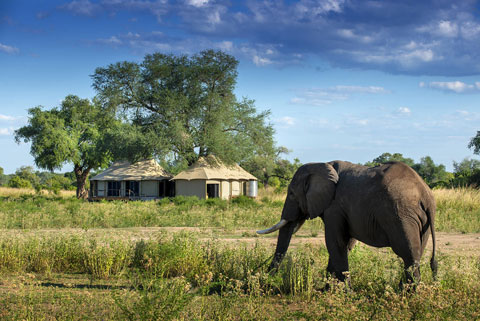
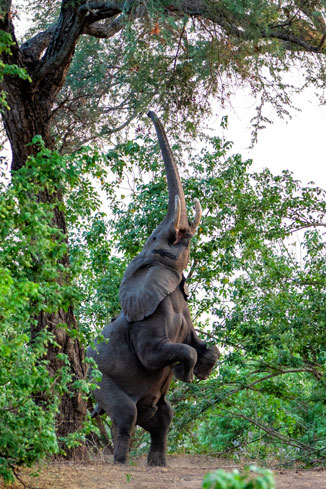
An idyllic setting of winter thorn woodlands spliced by the mighty Zambezi River, Mana Pools is renowned for its walking safaris. Watch the wild dogs who found fame in Attenborough’s Dynasties series, or catch elephants balancing on hind legs to feed from trees. Operated by conservation champions African Bush Camps, this boutique camp features two tented suites and two family suites, making it ideal for small groups. A four-night, full-board stay costs from £2,670pp (two sharing), excluding international flights. Book now, pay nothing until August 2020. Visit africanbushcamps.com.

3. Borana Conservancy, Kenya

Supported by Tusk, the Borana Conservancy protects critically endangered black rhino and employs rangers from the local communities. With only one boutique lodge and four exclusive-use homes spread across the 32,000 acre area, it’s often possible to game drive without seeing another guest. Splash out on a stay at the decadent Lengishu House, sleeping 12, or choose Borana Lodge for a more affordable option. Abercrombie & Kent (abercrombiekent.co.uk; 01242 547 702) offers seven nights at Lengishu from £6,250pp (12 sharing); three nights at Borana Lodge costs from £2,325pp (two sharing). Both prices are full-board, including flights.

4. Kwihala Camp, Tanzania

Even without guests, Asilia have kept their camps open to maintain a presence, and have supported local rangers to undertake daily patrols. Last year, they raised $338,000/£265,195 for East African communities through conservation contributions and donations. They have three camps in Ruaha, the largest park in Tanzania with one of the lowest footfalls. Sleep amidst baobabs in the six-tent, expedition-style Kwihala Camp. From $472/£411 per night (two sharing), full board. Visit asiliaafrica.com.

5. Sarara Camp, Kenya

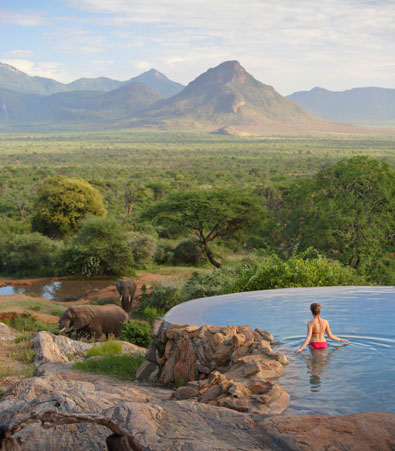
A flagship model for community conservation, this camp in northern Kenya’s Namunyak Wildlife Conservancy supports 1500 Samburu families. The only accommodation in an area of one million acres, it’s blissfully remote. Guests are encouraged to visit the Reteti Elephant Sanctuary, Africa’s first community owned elephant orphanage which mostly employs women. Aardvark Safaris (aardvarksafaris.co.uk; 01980 849160) offers full-board stays from £730pp per night (two sharing).

Make Positive Plans to Explore our Waters

Sarah Marshall looks at wild and wonderful ways to connect with marine environments.

Moved by the moon and animated by solar heat, five vast bodies of water ebb and flow around earth, constantly moving, evolving and fuelling scientific thought.

But the unfathomable abyss is more familiar than we think.

Although each ocean has its own distinct characteristics and inhabitant creatures, together they form one immense aquatic jigsaw, playing a crucial role in shaping our everyday lives. What once divided terrestrial explorers now connects global cultures; below the surface, extreme depth organisms are helping microbiologists in their fight against Covid-19.

Intrepid voyages, snorkelling holidays and shore-side excursions help travellers make sense of our blue planet, promising new discoveries and delights along the way.

A rallying call for conservation efforts, World Oceans Day on Monday, June 8, is also a reminder to celebrate marine ecosystems and respect their power; a nudge, once travel resumes, to dive straight back in.

De Hoop Reserve, South Africa, Indian Ocean

Those struggling to find their sea legs can still dip into the big blue without even getting their toes wet. Every year, from June to November, southern right whales cruise South Africa’s eastern coastline to mate and calve, close to shore in a protected marine reserve. De Hoop is regarded as one of the planet’s top spots for land-based whale watching, where onlookers can snuggle into the dunes while these ocean giants breach and blow. Clinging to a clifftop, Lekkerwater Beach Lodge has the ideal vantage point: sit and observe from the communal deck, or even the foot of your bed.

How: Stays from £300pp per night. Visit naturalselection.travel.

Huvafen Fushi, The Maldives, Indian Ocean

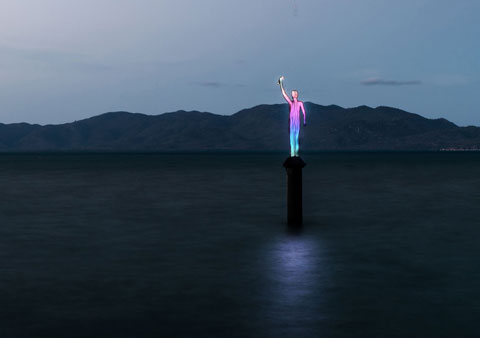
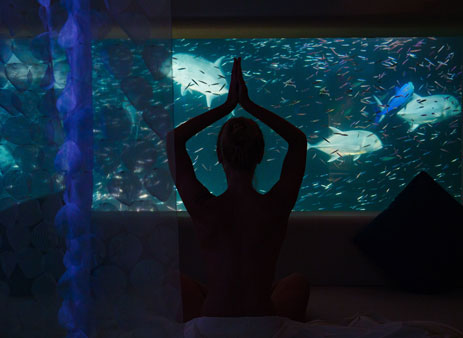
It’s possible to drink, dine and dream underwater in sub-surface restaurants and resort rooms. At Huvafen Fushi in the North Male Atoll, you can even get a massage amidst schools of reef sharks and brightly coloured butterfly fish. Once the pampering is over, guests can come back at dusk for a night tour of the SpaQuarium, when the ocean explodes with life. Marine biologists shed a blue light on the marine environment, allowing algae to brightly fluoresce with more neon than the Vegas Strip in full swing.

How: Elegant Resorts (01244 897 505; elegantresorts.co.uk) offers seven nights from £3,300 per person, half-board, including flights. Valid for travel until October 31.

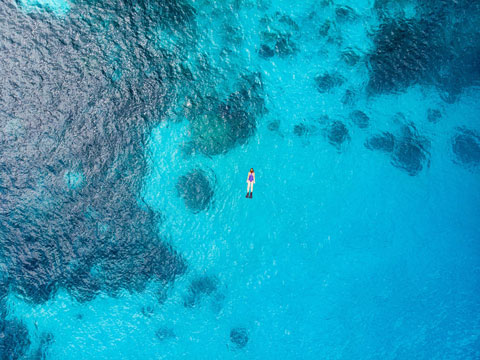
Marietas Islands, Mexico, Pacific Ocean

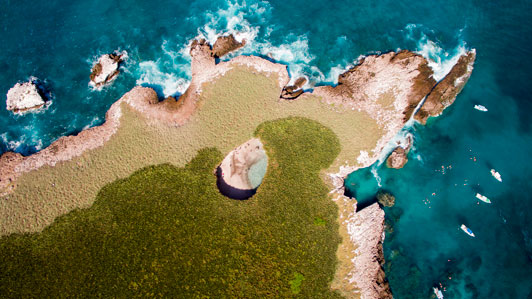
Nature is a masterful architect, but sometimes man-made interference can have dramatic results. Nicknamed the ‘hidden beach’, a water-lapped shore appears to sit at the bottom of a sun-filled crater on this Unesco-recognised archipelago along Mexico’s Riviera Nayarit. Some say the opening was created by volcanic activity, although it’s rumoured a bomb was responsible, possibly during military testing carried out since the 1900s and finally banished by a public outcry in the 1960s led by conservationist Jacques Cousteau. Once overrun by selfie-seekers, the site is now restricted to 117 visitors per day, each given a 20-minute snorkelling slot.

How: Love Holidays (loveholidays.com) offers seven nights at the four-star Marival Emotions Resort & Suites on an all-inclusive basis in Nuevo Vallarta, Riviera Nayarit from £1,307pp. Includes flights from Manchester on February 3, 2021.

Cape Weligama, Sri Lanka, Indian Ocean

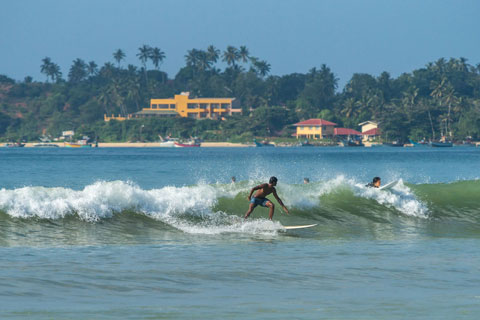
There’s no better way to feel the force of the ocean than by riding its waves. Sri Lanka’s surf scene benefits from warm currents in the Indian Ocean, and you don’t need to be a pro to tackle the swells. A 30-minute drive from Galle, this seaside Resplendent Ceylon property allows guests to literally fall out of bed on to the beach – perfect for a surfer’s early starts – and benefits from the largest variety of breaks along the south coast. Guests of all levels can take tuition from yoga and surf specialists, Ceylon Sliders.

How: Abercrombie & Kent (01242 547 760; abercrombiekent.co.uk) offers a seven-night B&B stay from £2,250pp, including flights and transfers.

Dingle Peninsula, Ireland, Atlantic Ocean

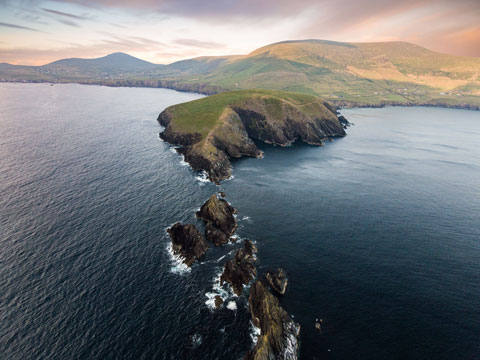
Waves rolling from several continents hit Ireland’s west coast: from here, the emerald isle tips into deep blue. Steep, jagged cliffs shield the peninsula from waves and provide a viewpoint to study seals, puffins and dolphins; or for a more intimate experience, hop on a RIB boat with Dingle Sea Safari, who lead early morning, two-hour tours in search of Fungie, a wild bottlenose dolphin who has lived in Dingle Bay for 30 years. There’s even a chance to get in the water for a swim.

How: Tours cost from E45/£40 per person. Wetsuits for swims must be booked in advance. Visit dingleseasafari.com. Stay at the Dingle Skellig Hotel (+353 66 915 0200; dingleskellig.com) from £160 per night B&B.

Great Barrier Reef, Queensland, Australia, Pacific Ocean

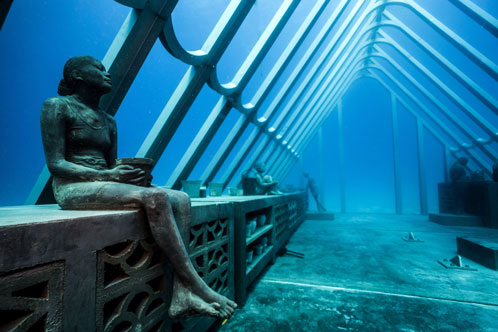
Arguably, there’s enough amusement along the world’s largest coral reef system to keep visitors occupied. But a new installation, fully launching next year, aims to entertain and educate. The Museum Of Underwater Art will feature a series of sub-aquatic galleries situated across Townsville, Magnetic Island, Palm Island and the John Brewer Reef, aiming to raise environmental awareness and teach people about marine ecosystems. Designed by UK-based underwater sculptor Jason deCaires Taylor, exhibits will include an underwater greenhouse with sculptures propagating coral.

How: Travelbag (020 7001 4112; travelbag.co.uk) offers a 13-night trip to Townsville and the Reef from £1,899pp, including flights from London in March 2021.

Baffin Island, Canadian Arctic, Arctic Ocean

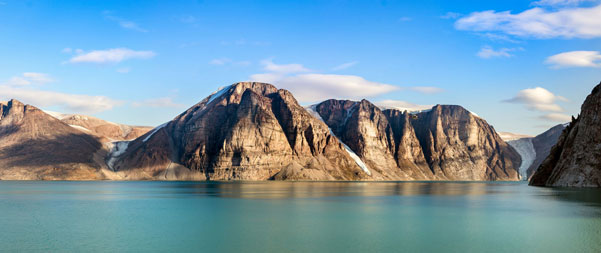
One of the longest quests in maritime history, the search for a northwest trade passage between the Pacific and Atlantic oceans eluded explorers for 300 years. Arctic veteran Sir John Franklin set off on his own doomed voyage in 1845, and only in recent years were his two ships recovered from the ice. Fortunately, conditions are now much safer, allowing tourists to sail through the Canadian Arctic and remote Baffin Island, encountering Innuit culture and hardy wildlife whilst unravelling one of polar history’s greatest mysteries.

How: Intrepid (intrepidtravel.com) offer a 17-day In Northwest Passage: The Footsteps Of Franklin voyage from £13,200pp (triple share), excluding international flights. Departs August 2, 2021.

Raja Ampat and The Spice Islands, Indonesia, Pacific Ocean

Next year marks the 500th anniversary of Magellan’s circumnavigation of the globe, which dispelled a common fear sailors might fall off the edge if they travelled too far. The Portuguese explorer’s voyage ended in Indonesia’s Spice Islands, the exclusive source of highly-coveted nutmeg, mace and cloves. The archipelago neighbours Raja Ampat, a chain of tropical jewels coiled in a watery treasure chest: from manta rays to pygmy seahorses, divers can revel in some of the greatest marine biodiversity on earth.

How: Steppes Travel (01285 601 784; steppestravel.com) tailor-make an eight-day cruise of Raja Ampat and the Spice Islands from £4,500, excluding international flights.

South Georgia, Falklands and Antarctica, Southern Ocean

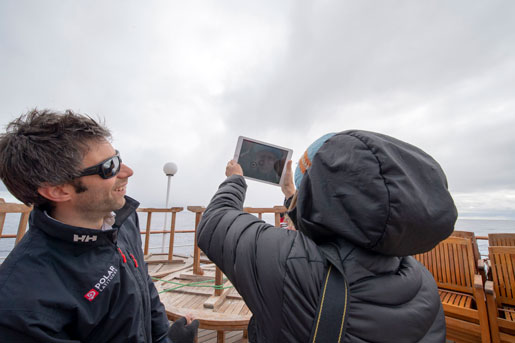
It’s often hard to draw connections between our land-locked actions and the big blue world, but human activity has hugely impacted the nature of our oceans. Nowhere is that more evident than the polar regions, where ice is disappearing rapidly and melting freshwater glaciers are diluting the salinity of seas. An essential take-away from visiting these fragile destinations is an understanding of what’s really going on. Many expedition ships now offer citizen science programmes, measuring cloud formations, collecting water samples and counting whale flukes. Findings contribute to bigger research programmes and a better public grip on climate change.

How: Polar Latitudes (polar-latitudes.com) are leaders in this field. Their 21-day Falklands, South Georgia and Antarctica costs from £12,750pp, including flights, through Swoop Antarctica (0117 369 0696; swoop-antarctica.com). Departs January 19, 2021.

×
Find a Property
M
Country & Equestrian
By submitting this form, you agree to McCarthy Holden using your personal data in accordance with our Privacy Notice.